
Varicose veins are often treated as a minor cosmetic concern, yet they can sometimes signal an underlying circulation problem that deserves medical attention. These enlarged, twisted veins commonly appear on the legs and may cause discomfort, swelling, itching, or a persistent feeling of heaviness. Despite how common they are, misconceptions about their causes, prevention, and treatment continue to influence how people respond to them.
For people exploring trusted treatment for vein disease in Edmonds, separating medical facts from popular myths is an important step toward making informed decisions about their vascular health. Understanding what varicose veins really mean can help patients recognize warning signs, avoid ineffective remedies, and seek appropriate care when necessary.
The truth is that varicose veins affect people differently. Some cause little more than visible changes, while others can interfere with everyday activities. Learning the difference between common assumptions and established medical knowledge makes it easier to approach vein health with confidence rather than unnecessary worry.
Understanding What Varicose Veins Really Are
Before examining the most persistent myths, it helps to understand how veins work. Veins carry blood back toward the heart, and those in the legs must work against gravity. Small one-way valves help keep blood moving in the correct direction. When the vein walls or valves weaken, some blood can flow backward and collect inside the vessel.
This process, known as venous reflux, increases pressure within the affected vein. Over time, the vein may enlarge, twist, and become visible beneath the skin. These changes can develop gradually, sometimes long before a person notices discomfort.
Varicose veins are different from spider veins, which are smaller, thinner blood vessels that appear close to the skin’s surface. Although both can affect the appearance of the legs, they do not always require the same evaluation or treatment.
Understanding this distinction is important because the right response depends on the underlying condition, the symptoms involved, and the person’s overall health.
Myth One: Varicose Veins Are Only a Cosmetic Problem
One of the most common misconceptions is that varicose veins matter only because they change the appearance of the legs. While some people experience no significant physical symptoms, others develop aching, swelling, itching, burning sensations, or heaviness that becomes more noticeable after prolonged standing.
In more advanced cases, chronic venous insufficiency can contribute to skin discoloration, inflammation, and ulcers near the ankles. Occasionally, varicose veins may bleed or be associated with other complications that require medical assessment.
The fact: Varicose veins can be cosmetic, symptomatic, or part of a broader venous circulation problem. Their appearance alone does not determine their seriousness.
Anyone experiencing persistent discomfort, worsening swelling, skin changes, or sores around the lower legs should consider a medical evaluation. Early assessment can help clarify whether the veins require monitoring, conservative management, or a procedure.
Myth Two: Only Older Women Develop Varicose Veins
Varicose veins are frequently associated with women, particularly during pregnancy and later adulthood. Hormonal changes and increased pressure on the pelvic and leg veins during pregnancy can contribute to their development. Age can also affect the strength and function of vein walls and valves.
However, men can develop varicose veins, too. Younger adults may experience them, especially when family history or other risk factors are present.
Genetics plays an important role. Someone with close relatives who have varicose veins may have a greater likelihood of developing the condition, regardless of age or sex. Other contributing factors include excess body weight, inactivity, and occupations that involve prolonged standing or sitting.
The fact: Varicose veins can affect adults of different ages and sexes. Although certain groups have a higher risk, no one should assume they are immune simply because they do not fit the common stereotype.
Recognizing the role of family history and individual risk factors can encourage people to pay attention to changes in their legs rather than dismissing them as unusual.
Myth Three: Crossing Your Legs Causes Varicose Veins
Many people have heard that crossing their legs while sitting directly causes varicose veins. This belief has persisted for years, leading some people to change how they sit out of concern for their circulation.
However, crossing the legs is not considered an established direct cause of varicose veins. The condition primarily develops because of weakened vein walls or faulty valves, combined with factors such as genetics, aging, and increased pressure within the venous system.
That does not mean sitting habits are irrelevant. Remaining in one position for extended periods can make blood flow less efficient and may aggravate symptoms in people who already have venous problems.
The fact: Sitting with crossed legs is not the primary cause of varicose veins, but regular movement remains important for circulation.
Taking brief walking breaks, changing positions throughout the day, and performing gentle ankle movements can help activate the calf muscles that assist blood flow back toward the heart. These practical habits are especially useful for people who work at a desk or spend long hours traveling.
Myth Four: Exercise Makes Varicose Veins Worse
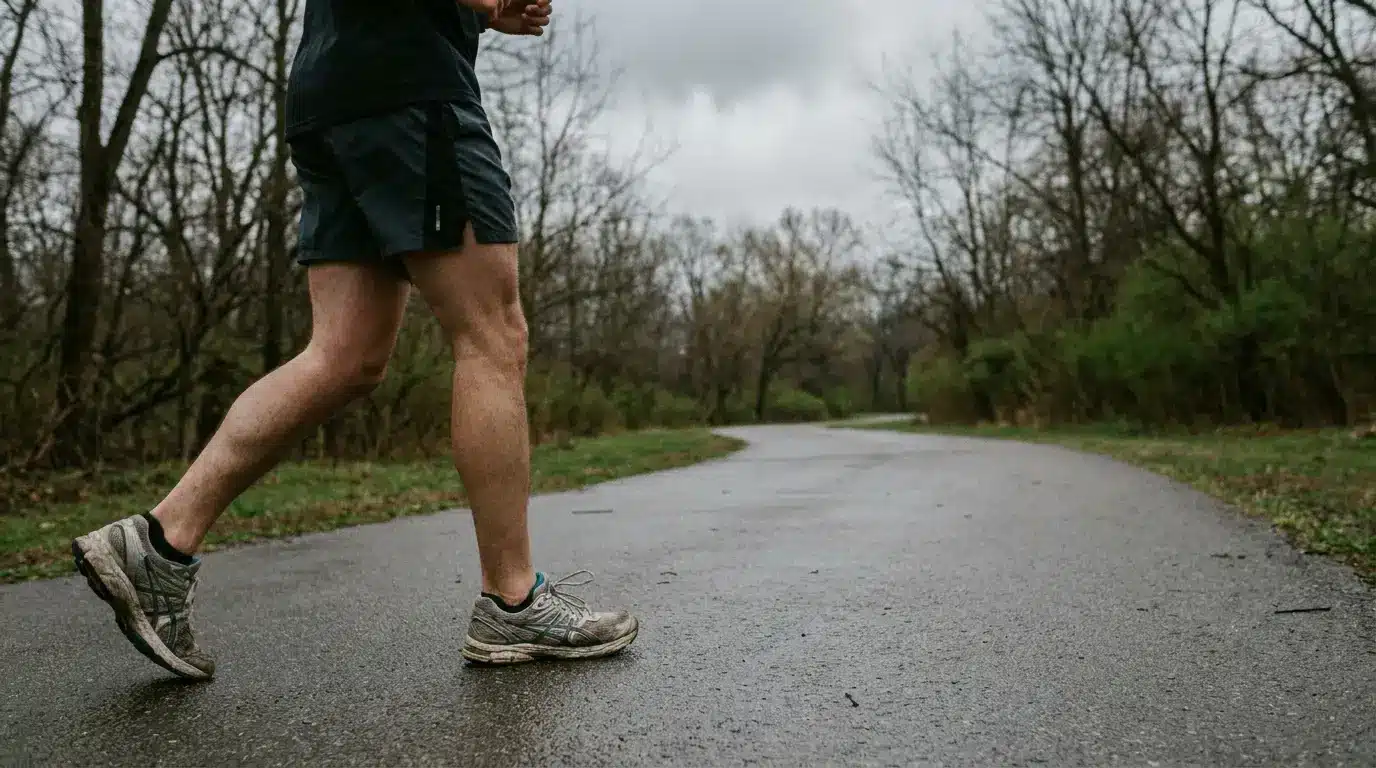
Some people avoid physical activity because they believe exercise puts additional strain on their veins. This assumption can be particularly discouraging for individuals who want to remain active but worry about the visible vessels in their legs.
In reality, appropriate exercise is generally beneficial for circulation. Walking, swimming, cycling, and other activities that engage the leg muscles help support the movement of blood toward the heart. Regular physical activity can also assist with weight management and overall cardiovascular health.
Exercise cannot repair damaged vein valves or guarantee that varicose veins will disappear. Certain strenuous activities may temporarily increase discomfort in some individuals, depending on their condition and the type of exercise involved.
The fact: Physical activity usually supports healthy circulation, although an exercise routine should reflect a person’s symptoms and medical needs.
Anyone who experiences significant pain, swelling, or other concerning symptoms during exercise should discuss them with a healthcare professional. A tailored approach can help people remain active without unnecessarily aggravating their condition.
Myth Five: Home Remedies Can Eliminate Varicose Veins
Online advice frequently promotes creams, herbal products, massage techniques, and dietary changes as ways to make varicose veins disappear. Although some self-care measures can help relieve discomfort, the claims made about home remedies often go beyond what medical evidence supports.
Elevating the legs, staying active, maintaining a healthy weight, and avoiding prolonged periods in one position may help reduce pressure and ease symptoms. Compression stockings can also help manage swelling and heaviness for some people when appropriately recommended.
However, these approaches do not reliably eliminate enlarged veins or correct damaged valves. Creams and supplements should not be assumed to reverse the structural changes responsible for varicose veins.
The fact: Self-care can be useful for symptom management, but established medical treatments may be necessary when problematic veins persist or cause significant symptoms.
A healthcare professional can explain which conservative measures are appropriate and whether further testing or treatment would be beneficial.
Myth Six: Varicose Vein Treatment Always Requires Major Surgery
The thought of surgery can prevent people from seeking help for varicose veins. Traditional vein-stripping procedures were once a common treatment approach, and memories of more extensive operations may still influence public perceptions.
Modern vascular care offers several less invasive options for suitable patients. Depending on the condition, treatments may include endovenous laser ablation, radiofrequency ablation, sclerotherapy, or ambulatory phlebectomy.
Laser and radiofrequency procedures use controlled energy to close certain affected veins. Sclerotherapy involves injecting a solution into targeted vessels, while ambulatory phlebectomy removes selected superficial veins through small skin openings.
These procedures are often performed without an overnight hospital stay, although the precise setting and recovery requirements vary. Not every treatment is appropriate for every vein, so an individualized assessment remains essential.
The fact: Many varicose veins can be treated with minimally invasive techniques, reducing the need for traditional surgery in appropriately selected patients.
Understanding the available options can make treatment feel more manageable and allow patients to ask better questions during a consultation.
Myth Seven: Once Varicose Veins Are Treated, They Never Return
Successful treatment can close or remove problematic veins and improve symptoms, but it cannot guarantee that a person will never develop varicose veins again.
Venous disease can be influenced by inherited factors, aging, pregnancy, and ongoing pressure within the venous system. New veins may become enlarged over time, and a previously treated vein may occasionally reopen or require additional attention.
This does not mean treatment has failed. Rather, it reflects the fact that venous health can change throughout a person’s life.
The fact: Treatment can provide meaningful benefits, but long-term management may involve follow-up appointments, healthy habits, and additional procedures when clinically appropriate.
Patients should discuss realistic expectations with their specialist before treatment. Understanding the possibility of recurrence helps them make informed decisions and recognize when a new assessment may be necessary.
How Varicose Veins Are Diagnosed and Evaluated
Accurate diagnosis is an important part of separating fact from speculation. A healthcare professional may review symptoms, family history, medical conditions, and lifestyle factors before examining the affected legs.
Duplex ultrasound is commonly used when further evaluation is needed. This noninvasive imaging test helps assess blood flow and identify reflux in the veins. The results can reveal whether a visible vein is associated with an underlying circulation problem and help guide treatment planning.
Not everyone with visible veins requires a procedure. Some people may benefit from conservative management, while others with persistent symptoms or significant venous reflux may be candidates for medical treatment.
A thorough evaluation helps ensure that recommendations are based on the person’s actual condition rather than appearance alone.
When Should You Seek Medical Advice?
Occasional visible veins may not require urgent intervention, but persistent aching, leg heaviness, swelling, itching, or skin discoloration deserves attention, especially when symptoms worsen over time.
A sore near the ankle that does not heal, bleeding from a varicose vein, or sudden changes in swelling should not be ignored. Bleeding from a varicose vein requires urgent medical attention. Sudden leg swelling or pain may indicate a blood clot, while chest pain or shortness of breath requires emergency medical care.
Seeking advice does not automatically mean a procedure will be necessary. It provides an opportunity to understand the cause of the symptoms, discuss available options, and decide on an appropriate plan.
Conclusion: Better Information Leads to Better Vein Health
Varicose veins are surrounded by misconceptions about who develops them, what causes them, and how they should be treated. The reality is more nuanced: genetics, aging, pregnancy, and other factors can contribute to their development, while appropriate exercise and lifestyle changes may help manage symptoms without necessarily eliminating existing veins.
Modern diagnostic tools and minimally invasive treatments have also expanded the options available to patients. The most suitable approach depends on the underlying venous problem, the severity of symptoms, and individual medical considerations.
Rather than relying on online myths or delaying care because of fear, people should seek reliable information and professional guidance when their symptoms persist. Exploring trusted treatment for vein disease in Edmonds can be a starting point for learning about available care and preparing for an informed discussion with a qualified vein specialist.
Ultimately, understanding the facts about varicose veins helps people make confident decisions, recognize potential complications, and take practical steps toward healthier legs and better long-term vascular well-being.