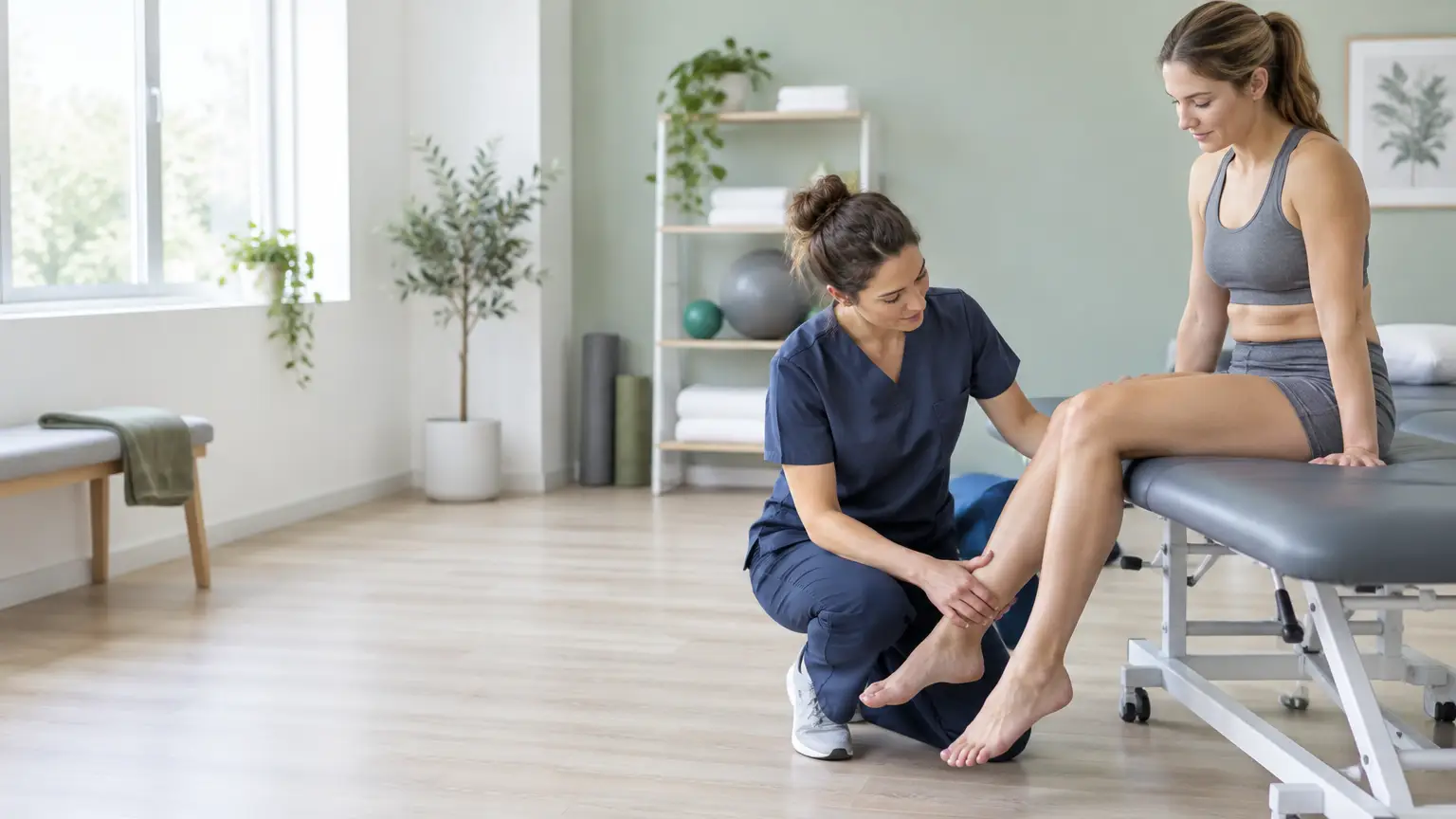
Getting older often brings changes that affect how we move, rest, and feel throughout the day. A long walk may leave us more tired than it once did, standing for hours may become less comfortable, and our bodies may take longer to recover after physical activity. Because these changes are common, many people learn to accept aches and discomfort as an unavoidable part of aging.
However, there is an important difference between occasional tiredness and persistent symptoms that interfere with everyday life. Ongoing leg pain, swelling, heaviness, or changes in the skin should not automatically be dismissed as signs of getting older. Sometimes, these symptoms are connected to an underlying health condition that deserves attention. For people experiencing symptoms associated with varicose veins, exploring effective varicose vein treatment in Romulus may be a useful step toward understanding their treatment options.
Understanding what your body is telling you can help you make informed decisions about your health. Rather than assuming discomfort is inevitable, it is worth recognizing which changes may need further evaluation and learning when professional guidance can make a difference.
Understanding the Difference Between Aging and Ongoing Symptoms
The body changes throughout life, and these changes can affect strength, flexibility, balance, and recovery. Older adults may experience joint stiffness, reduced muscle strength, or discomfort after activities that once felt effortless. These experiences can have several causes, and not every ache indicates a serious medical problem.
The mistake is assuming that every new symptom must be age-related. Persistent discomfort may also be associated with arthritis, nerve problems, circulation issues, medication effects, or other medical conditions. Identifying the cause is more useful than simply learning to live with the discomfort.
Leg symptoms deserve particular attention because the legs support much of our daily movement. Walking, climbing stairs, shopping, exercising, and standing for long periods all depend on comfortable leg function. When pain or heaviness becomes a regular part of these activities, it can gradually affect independence and quality of life.
Instead of asking whether a symptom is normal for your age, consider whether it is new, recurring, becoming more severe, or limiting activities you previously enjoyed. These details can help you decide whether it is time to speak with a healthcare professional.
Why Leg Discomfort Can Develop Over Time
Leg discomfort can originate in muscles, joints, nerves, arteries, or veins. The location of the pain, when it appears, and what makes it better or worse may provide useful clues, although symptoms alone cannot establish a diagnosis.
For example, muscle fatigue may follow unfamiliar exercise, while joint-related discomfort may become noticeable during walking or climbing stairs. Nerve-related problems can sometimes cause tingling, burning, or numbness. Circulation-related conditions may produce different patterns of discomfort and may require specific testing.
Vein health is one possible explanation that is sometimes overlooked. Veins carry blood back toward the heart, and veins in the legs must work against gravity. Small one-way valves help keep blood moving in the correct direction, while the calf muscles assist the process when we walk.
When these valves become weakened or damaged, blood can flow backward and collect in the veins. This condition, known as venous reflux, can contribute to varicose veins and chronic venous insufficiency. Over time, affected individuals may experience aching, heaviness, swelling, itching, or changes in the skin around the lower legs.
Age can influence vein health, but it is not the only factor. Family history, pregnancy, prolonged standing, limited movement, and other individual risk factors can also contribute. Varicose veins are therefore not simply a cosmetic issue or an inevitable consequence of growing older.
Signs That Persistent Leg Discomfort Deserves Attention
One of the challenges with vein-related conditions is that symptoms can develop gradually. A person may initially notice tired legs at the end of the workday or mild swelling around the ankles after spending hours standing. Because the discomfort improves after resting, it may not seem important enough to investigate.
However, recurring symptoms should not be ignored simply because they are manageable. Persistent aching, a heavy feeling in the legs, itching, ankle swelling, or visible enlarged and twisted veins can be associated with vein problems. Some people also notice changes in skin colour or texture around the lower legs.
Pay attention to how often these symptoms occur and whether they affect everyday activities. For instance, discomfort that repeatedly becomes worse after prolonged standing or sitting may be worth discussing with a healthcare professional. Swelling that continues to return or skin changes that develop over time also deserve assessment.
Not everyone with visible veins experiences pain, and not everyone with leg pain has vein disease. Other conditions can produce similar symptoms. A professional evaluation helps determine whether the problem is related to veins, joints, muscles, nerves, or another cause.
The goal is not to become anxious about every minor ache. It is to avoid overlooking persistent changes that could benefit from appropriate care.
How Everyday Habits Can Affect Leg Health
Daily routines can influence how comfortable our legs feel. Spending long periods sitting at a desk, driving, or standing in one place reduces opportunities for regular movement. The calf muscles play an important role in helping blood return through the veins, so moving throughout the day supports this natural process.
Regular walking is a practical way to activate these muscles. Other suitable activities, such as swimming or cycling, may also support general cardiovascular health and physical fitness. People who sit for long periods can benefit from changing positions, taking movement breaks, and gently moving their ankles during the day.
A balanced lifestyle also includes nutritious meals, adequate hydration, sufficient sleep, and activity suited to individual abilities. If your legs feel tired after a long day, resting and elevating them may provide temporary comfort in some circumstances.
Nevertheless, healthy habits are not a guaranteed way to prevent or reverse every vein condition. Genetics, age, pregnancy, and existing valve problems can influence vein health even in people who exercise regularly and maintain an active lifestyle.
If symptoms persist despite changes to your routine, avoid assuming that you simply need to exercise more or rest longer. It may be time to investigate the underlying cause.
Why Early Evaluation Can Make a Difference
When discomfort becomes part of everyday life, people sometimes adjust their routines without questioning why. They may take fewer walks, avoid standing for too long, or stop participating in activities they once enjoyed. Although these changes may provide short-term relief, they do not explain what is causing the symptoms.
A healthcare professional can review your symptoms, medical history, and other relevant factors to determine what kind of assessment may be appropriate. If a vein condition is suspected, a duplex ultrasound may be recommended to examine blood flow and assess whether the vein valves are functioning properly.
This information helps distinguish between different vein problems and supports treatment planning when necessary. An evaluation does not automatically mean that a procedure will be required. Some people may benefit from conservative measures, while others may need additional treatment based on their symptoms and test results.
Seeking advice early can also help people understand which activities are appropriate and which symptoms require closer attention. Rather than relying on assumptions or online comparisons, patients can make decisions based on their individual circumstances.
Understanding Treatment Options for Varicose Veins
When varicose veins are causing persistent symptoms, several treatment approaches may be considered. The appropriate option depends on the severity of the condition, the affected veins, medical history, and the findings of a clinical assessment.
Conservative approaches may include regular movement, avoiding prolonged periods in one position, leg elevation for symptom relief, or compression therapy when appropriate. Compression garments are not suitable for everyone, particularly people with certain arterial circulation problems, so it is important to discuss their use with a healthcare professional.
Some patients may be candidates for minimally invasive procedures designed to treat problematic veins. Depending on the diagnosis, options may include radiofrequency ablation, laser-based treatments, or sclerotherapy. These procedures work in different ways, and no single treatment is right for every patient.
People living in Romulus, Michigan, can learn about assessment and treatment options at Taylor Vein Solutions. The clinic evaluates symptoms such as leg aching, heaviness, swelling, skin changes, and visible varicose veins. A consultation can help determine whether further testing or treatment may be appropriate.
Patients should feel comfortable asking questions about the recommended approach, potential risks, recovery, follow-up care, and expected outcomes. Understanding the choices available makes it easier to participate in decisions about personal health.
Know When Leg Symptoms Require Urgent Attention
Although many causes of leg discomfort can be assessed through a routine appointment, certain symptoms need urgent medical attention. Sudden swelling in one leg, particularly when accompanied by pain, warmth, or redness, may indicate a deep vein thrombosis, which is a blood clot in a deep vein. This requires urgent assessment.
Sudden shortness of breath, chest pain, fainting, or coughing up blood may indicate a life-threatening emergency, including a possible complication of a blood clot. Seek emergency medical assistance immediately if these symptoms occur.
Other changes, such as a wound that does not heal, bleeding from a varicose vein, or increasing skin discolouration, should also receive prompt medical attention. The appropriate response depends on the symptoms and their severity, so it is important not to rely on home remedies when a serious problem may be present.
Recognizing these warning signs is part of taking an informed approach to health. It helps distinguish ordinary discomfort from situations that should not wait.
Conclusion: Do Not Let Age Define What You Accept
Growing older may bring physical changes, but persistent leg discomfort should not automatically be treated as an unavoidable part of life. Ongoing aching, heaviness, swelling, skin changes, or visible enlarged veins can have several possible causes, including conditions that benefit from professional evaluation.
Pay attention to changes in how your legs feel, particularly when symptoms keep returning or begin to affect your daily activities. Regular movement and healthy routines can support general well-being, but they cannot resolve every underlying medical problem.
If discomfort continues, seek guidance from a qualified healthcare professional rather than simply adjusting your life around it. A proper assessment can help identify the cause, explain the available options, and guide decisions about appropriate care.
Aging does not mean you must accept every new limitation without asking questions. Listening to your body, taking persistent symptoms seriously, and seeking timely advice are practical ways to protect your comfort, mobility, and quality of life at every stage of life.