A hot tub is a serious investment, and the cover protecting it matters more than most owners realize until a cheap one fails halfway through winter. Between foam density, taper thickness, and vinyl grade, choosing the right cover isn’t just about matching your tub’s shape. It’s about matching the cover to the climate beating on it every single day.
Key Takeaways
- Cover thickness and taper directly affect how much heat your hot tub retains and how much your energy bill climbs in colder months.
- Foam density and vinyl grade determine how well a cover resists water absorption, mold, and general wear over time.
- Climate should drive your cover choice more than price alone, since a cheap cover in a harsh winter costs more in the long run.
- Regular maintenance extends a cover’s lifespan considerably, regardless of which grade you choose.
Why Cover Thickness Isn’t Just a Spec Sheet Number
Most hot tub covers taper from one edge to the other, typically ranging from around 4 inches down to 2.5 inches on entry-level covers, up to 6 inches down to 4 inches on covers built for harsher climates. That taper isn’t cosmetic. It determines how much insulating foam sits between your hot water and the freezing air above it, which translates directly into how hard your heater has to work to maintain temperature.
Owners in mild climates can get away with a thinner cover without much of a heating penalty. Anyone dealing with real winters, heavy snow, sustained sub-zero stretches, needs a thicker taper, or the energy savings from having a cover at all start disappearing fast.
Foam Density and Water Absorption Matter More Than People Expect
Cheaper covers often use lower-density foam that soaks up moisture over time, growing heavier, losing insulating value, and eventually sagging under its own weight. A cover that’s absorbed water doesn’t just perform worse, it becomes a genuine hassle to lift and a breeding ground for mold underneath the vinyl shell.
Higher-quality covers use foam that’s coated and sealed specifically to resist water absorption entirely, which keeps the cover lighter and better insulated for years longer than a budget option managing the same climate.
Vinyl Grade Determines How Long the Outer Shell Survives
UV exposure breaks down cheap vinyl fast, leading to cracking, fading, and eventual water intrusion into the foam core underneath. Marine-grade vinyl, the kind rated for constant sun and weather exposure, holds up considerably longer and resists the kind of surface degradation that turns a good-looking cover into a patched-up mess within a couple of seasons.
This is one spec worth checking closely regardless of budget, since a weak outer shell undermines even a well-built foam core underneath it.
Matching the Cover to Your Actual Climate
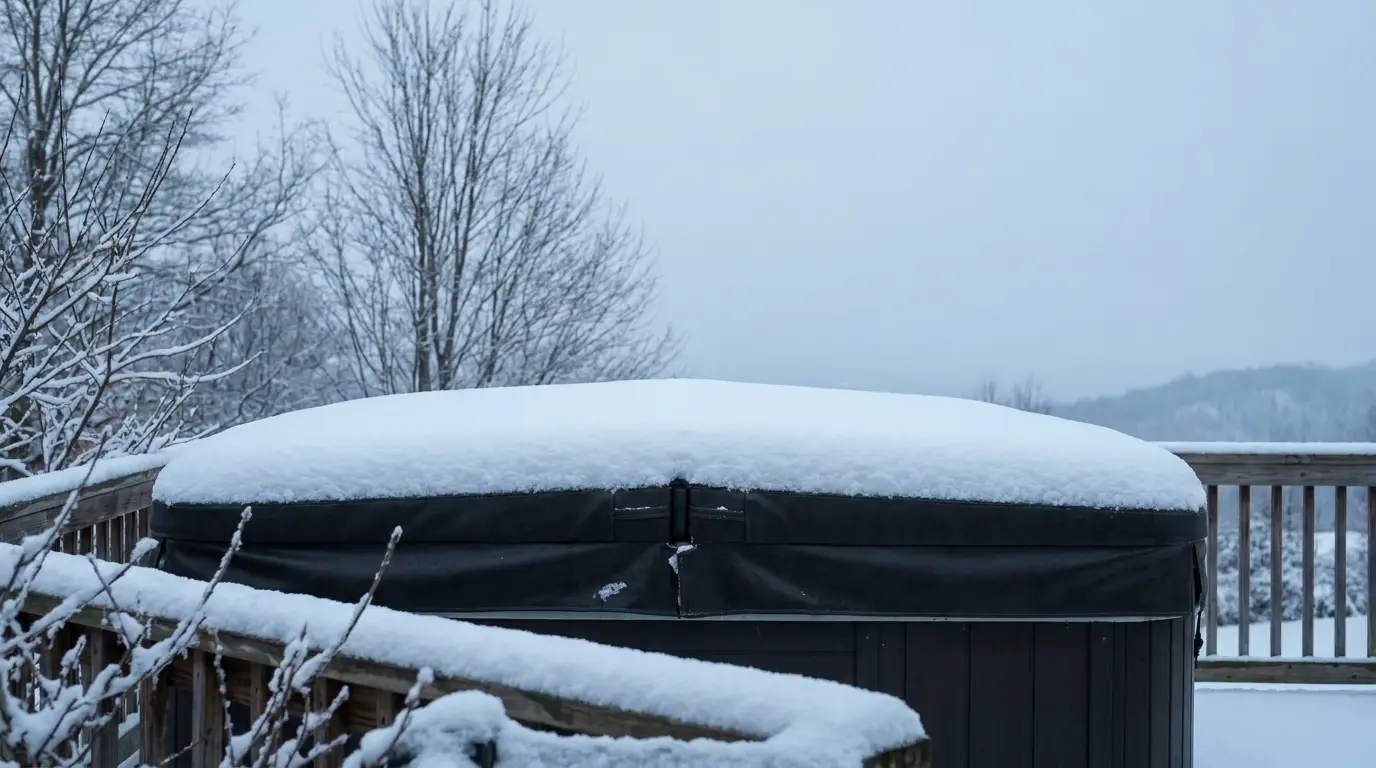
Here’s where a lot of owners get it wrong: buying based on price rather than what their winter really demands. A cover built for mild-to-moderate climates works fine somewhere with short, gentle winters, but the same cover asked to hold up under heavy snow load and sustained freezing temperatures will underperform and likely fail early.
Covers built specifically for harsh climates typically carry reinforced stitching and a higher weight-load rating per linear foot, both of which matter directly when snow piles up and stays for weeks instead of melting within a day or two.
Finding a Cover Built for Where You Live
Getting this match right is where working with a specialist pays off over grabbing whatever’s cheapest at a local pool supply store. TheCoverGuy.com builds custom covers specifically configured around a buyer’s climate and tub dimensions, rather than offering a single generic option regardless of whether you’re dealing with mild coastal winters or months of sustained snow load.
What Industry Standards Say About Safety and Durability
Hot tub covers sold in North America are generally expected to meet ASTM safety standards, covering things like child-safety locking mechanisms and structural load requirements. ASTM International publishes the technical standards manufacturers reference when designing and testing covers for weight capacity and general safety performance.
The Pool & Hot Tub Alliance also provides broader industry guidance on spa and hot tub equipment standards, including cover and safety-related best practices that reputable manufacturers build their products around.
Getting the Most Life Out of Whatever Cover You Choose
Even a top-tier cover benefits from basic maintenance: brushing off standing snow rather than letting it compact into ice, wiping down vinyl periodically to prevent mildew buildup, and avoiding letting pets or kids climb on it repeatedly beyond what it’s rated to support. None of this is complicated, but skipping it shortens the lifespan of even the best cover on the market.
Frequently Asked Questions
How Often Should I Replace My Hot Tub Cover?
Most quality covers last three to five years with proper care, though harsh climates and inconsistent maintenance can shorten that considerably. A cover that feels noticeably heavier than when new is likely absorbing water and due for replacement.
Does a Thicker Cover Always Mean Better Heat Retention?
Generally, yes, since more foam depth means more insulating material between your water and the outside air. That said, foam quality and vinyl grade matter alongside thickness, since a thick cover made with lower-grade materials can still underperform a well-built thinner one in milder climates.
Can I Use a Mild-Climate Cover in A Colder Region to Save Money Upfront?
You can, but it typically costs more over time through higher energy bills and a shorter cover lifespan. Matching the cover to your real climate conditions tends to be the more cost-effective choice across a cover’s full service life.
What’s the Biggest Sign a Hot Tub Cover Needs Replacing?
Sagging, waterlogging, or visible cracking in the vinyl are the clearest signs. A cover that no longer holds its shape or feels significantly heavier than it did when new has likely lost much of its insulating value.