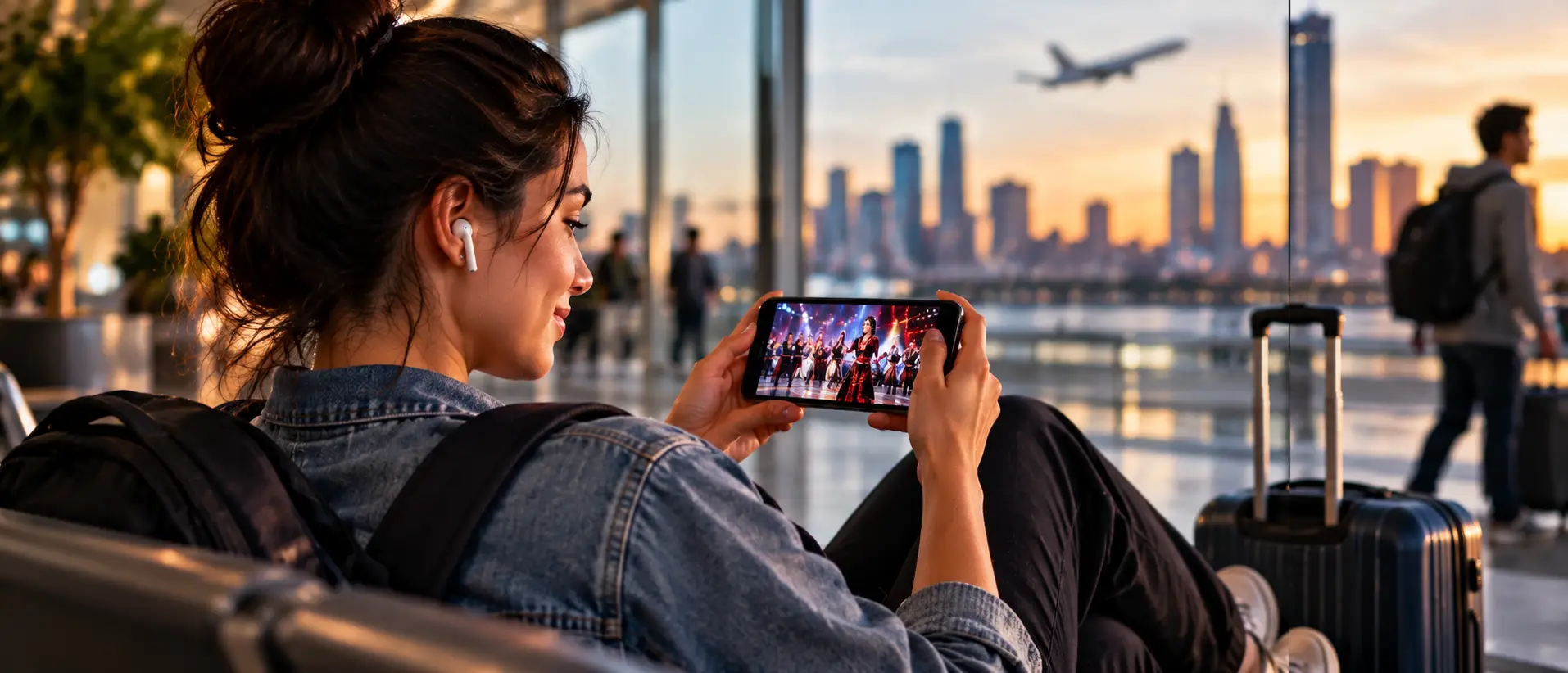

Television once asked viewers to be in the right room at the right hour. The smartphone changed that arrangement by placing a live screen inside an object people already carry to work, university, shops, and family visits. For diaspora audiences, this shift is especially noticeable: television from home no longer has to wait until everyone returns to the living room.
For Albanians living abroad, those openings in the day provide more chances to follow television from home. The available time may be brief, and the surroundings are rarely as quiet as a living room. Even so, a news update or part of a discussion programme can fit into a period that would otherwise pass without Albanian-language media.
A Phone Changes When Television Fits
A search for a TV app (aplikacion per TV shqip) usually reflects a practical expectation, with the standards up there for user experience. Both portrait and full-screen modes should keep the picture and essential options easy to find.
Space also changes design priorities. Long descriptions and rows of small buttons may work on a television but feel crowded on a handheld display. Clear labels, readable programme information, and simple playback controls are more useful. Each step should help someone choose a channel or understand what is currently on.
A Moving Viewer Needs a Stable Session
It’s expected that the TV platform (TV shqip app iPhone) should behave like part of the phone rather than a reduced copy of a television interface. Sign-in details should remain saved, the schedule should be easy to read, and the current broadcast should take only a few taps to open. A complicated menu can use most of a short break before anything begins to play.
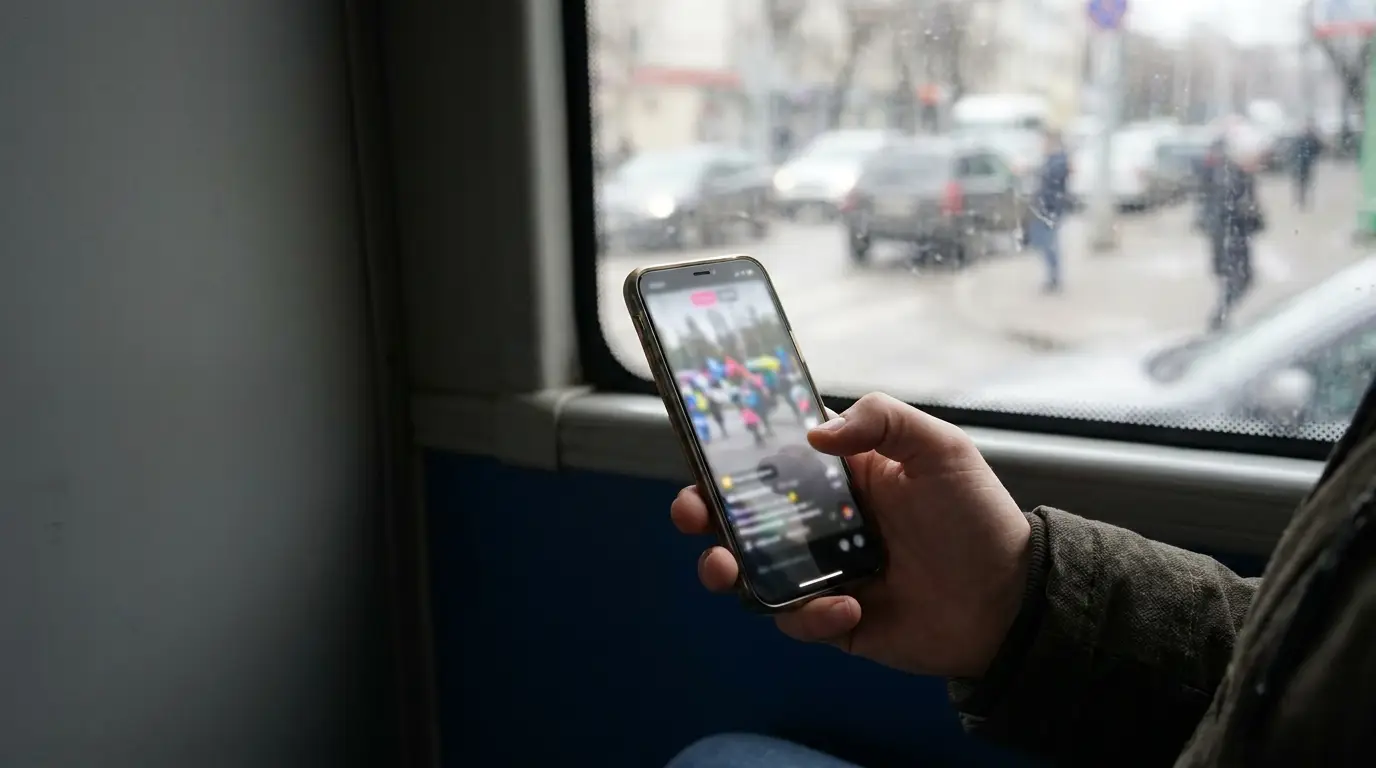
Live video reaches a phone through an internet connection that may change from one minute to the next. Someone can begin on home Wi-Fi, walk outside, and continue over a mobile network. The app and video service must respond while keeping the session stable enough to remain watchable. When available bandwidth falls, the picture may use a lower data rate instead of stopping outright.
Viewers may never name the technical process behind that adjustment, but they notice the result. Either the programme continues, or a loading symbol never stops. A responsible app also gives useful feedback when the connection is too weak, rather than leaving the viewer to guess whether the problem is the phone, the network, or the service.
Personal Viewing Still Supports Family Habits
A second-generation viewer may follow an Albanian discussion programme with headphones on a bus without asking the whole household to watch. A parent may check the news during lunch rather than waiting until children have finished with the main television. These small choices give each person more control over when Albanian-language content enters the day.
Personal viewing does not have to isolate people. A topic seen on the phone can become the subject of a call home. Someone who watches part of E Diela Shqiptare during a break may continue on a larger screen that evening. The device changes during the day, while the cultural reference stays the same.
“Anywhere” still has practical limits. Live television needs a working connection, sufficient mobile data, a charged device, and access permitted in the viewer’s location. A useful app does not erase those conditions. It reduces friction when they are met and gives a clear response when they are not.
The smartphone’s real contribution is not that it shrinks television. It lets television enter parts of the day that the living-room screen cannot reach. For Albanians across Europe, that can mean hearing familiar language on the way to work, following news before a night shift, or joining a family discussion without watching from the same sofa.