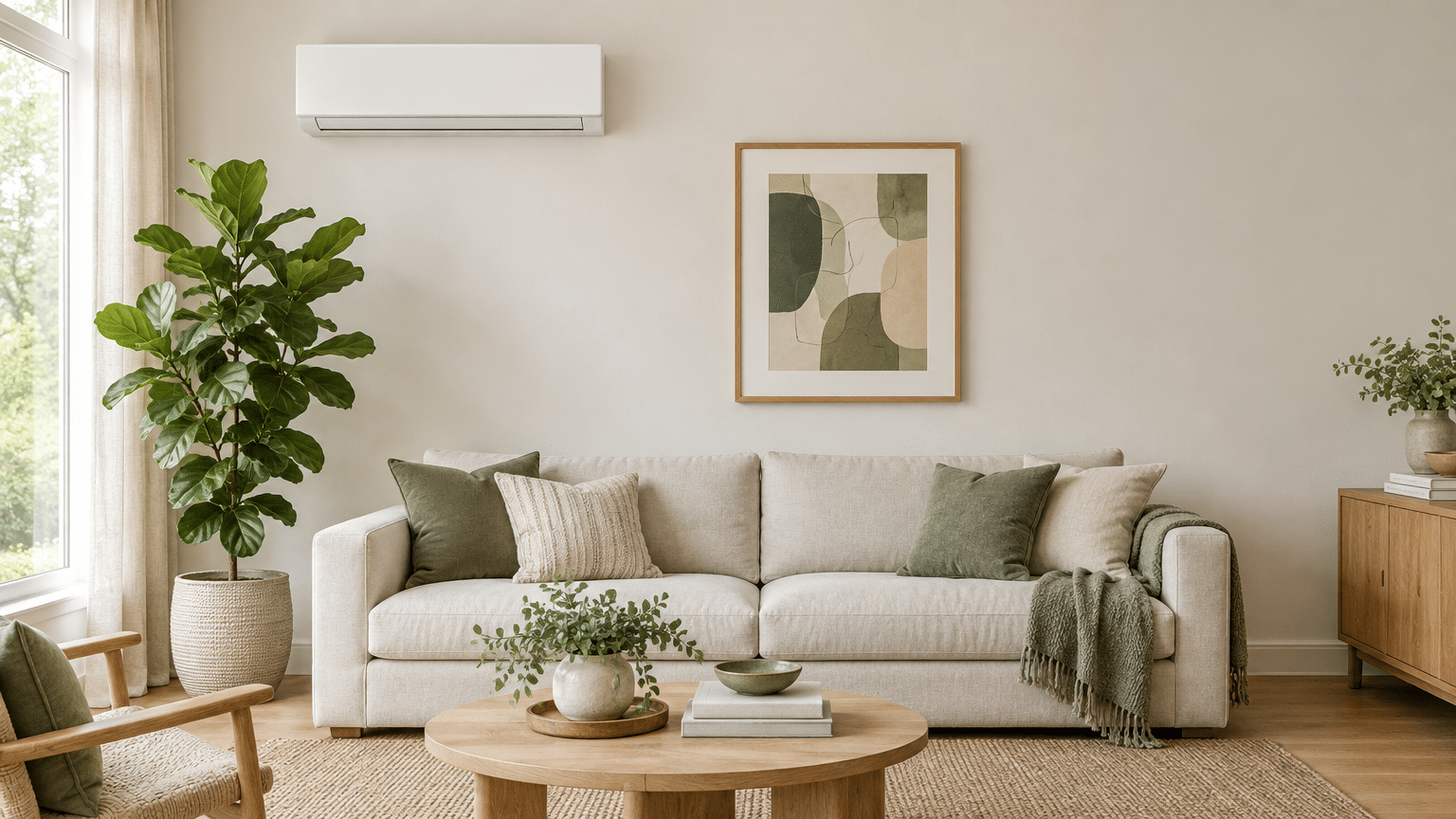


Renting a modern shop in Malaysia involves more than comparing interiors and monthly rent. Location, access, building condition, customer visibility, and operating costs shape daily performance. A well-connected unit simplifies deliveries, supports staff commutes, and makes visits easier for customers. Attractive surroundings cannot compensate for poor access, unreliable utilities, unclear permits, or restrictive lease terms. A careful inspection lets tenants compare properties based on evidence rather than appearance. The first checks should focus on location and transport links.
Before comparing units, a tenant should define the business format, customer journey, storage needs, and delivery schedule. A search for a retail shop in Kuala Lumpur can then focus on premises with suitable access, frontage, and surrounding activity. This approach saves time during viewings and produces a more accurate rental comparison.
1. Check the Location and Transport Links
A well-connected shop should be accessible by car, public transport, motorcycle, and on foot. Tenants should inspect nearby roads during busy periods because traffic affects arrival times, deliveries, and customer convenience.
The surrounding street pattern also matters. A unit near a junction, public transport stop, office cluster, or residential area attracts different customer groups. The location should suit the business, not just look busy.
Parking requires a separate check. Count the available bays, review parking rules, and confirm whether loading activity is permitted. Limited parking creates problems for customers collecting bulky purchases or visiting during peak periods.
2. Assess Visibility and Frontage
A modern shop needs clear visibility from the road or main pedestrian route. Inspect the frontage from different directions, including the approach most customers use. Trees, parked vehicles, pillars, and neighbouring signs can block the view.
Check the signboard area, lighting points, and building rules before planning branding. The tenancy agreement should state who pays for installation, maintenance, removal, and repairs. Written approval reduces the risk of disputes after the shop opens.
The entrance should support the intended customer flow. Wide doors, a level threshold, and sufficient display space make entry easier. Retailers should measure the frontage rather than estimate its size by sight.
3. Inspect the Building and Interior
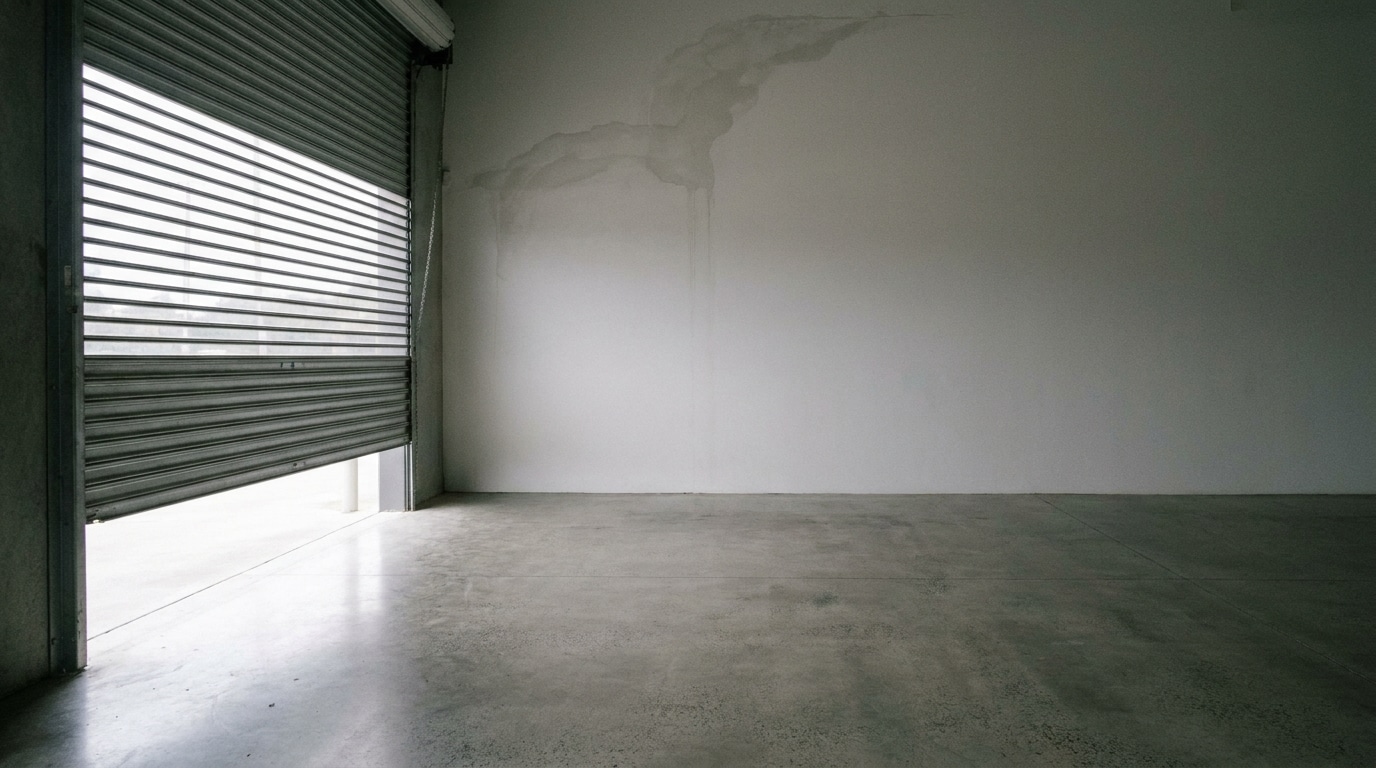
A proper inspection should cover the walls, ceilings, floors, shutters, windows, toilets, and shared corridors. Look for water stains, cracks, damp smells, uneven surfaces, and drainage problems. Request written clarification before negotiations proceed.
Modern fittings do not guarantee suitable performance. Test the lights, sockets, air-conditioning units, water pressure, drainage, and internet connection. Record defects with photographs and attach them to the tenancy documents.
The layout must suit daily operations. Measure the sales area, storage zone, staff facilities, and delivery route. A shop that appears spacious can lose usable space to columns, staircases, plant rooms, or fixed counters.
4. Confirm Utilities and Operating Costs
Ask for the electricity supply capacity and confirm that it suits refrigeration, kitchen equipment, computers, or other business systems. Check water charges, waste collection arrangements, common-area fees, and maintenance responsibilities.
Monthly rent represents only one part of the occupancy cost. Request a written schedule covering deposits, service charges, assessment-related payments, repairs, insurance, and permitted alterations. Clear figures make property comparisons more reliable.
Emergency systems also require inspection. Check fire exits, extinguishers, alarm arrangements, and access routes. The tenant should confirm which party handles inspections, repairs, and compliance records.
5. Review Permitted Use and Lease Terms
The intended business must match the property’s approved use and building rules. Confirm restrictions on cooking, operating hours, signage, noise, storage, renovations, and customer queues. Check local authority requirements before signing the lease.
A tenancy agreement should state the rental period, renewal process, rent review method, notice period, and reinstatement obligations. Tenants should understand what happens to fittings installed during the tenancy.
Seek written permission for every planned alteration. This includes partitions, additional wiring, external signs, exhaust systems, security grilles, and flooring changes. Verbal assurances provide limited protection if ownership or management changes.
6. Observe the Area at Different Times
A single daytime visit gives an incomplete view of the property. Inspect the unit during morning, lunch, evening, and weekend periods where possible. Note traffic flow, noise, lighting, security, drainage, and nearby activity.
Check the area after rain, too. Flood-prone access roads, overflowing drains, and water entering the frontage can disrupt operations and damage stock. This inspection costs little and reveals conditions that a polished viewing can conceal.
Speak with the building manager about deliveries, waste collection, maintenance response, and security procedures. Practical answers help tenants judge whether the property supports regular operations.
Conclusion
A suitable modern shop combines convenient access, visible frontage, reliable utilities, usable space, and clear tenancy conditions. Tenants should inspect the property at several times, test essential systems, measure the layout, and record every agreed repair in writing. They should compare the total monthly cost, not just the rent. Before signing, a solicitor or property adviser should review the agreement, and the tenant should confirm permitted use and approvals with the relevant authority. This final check helps prevent avoidable costs.