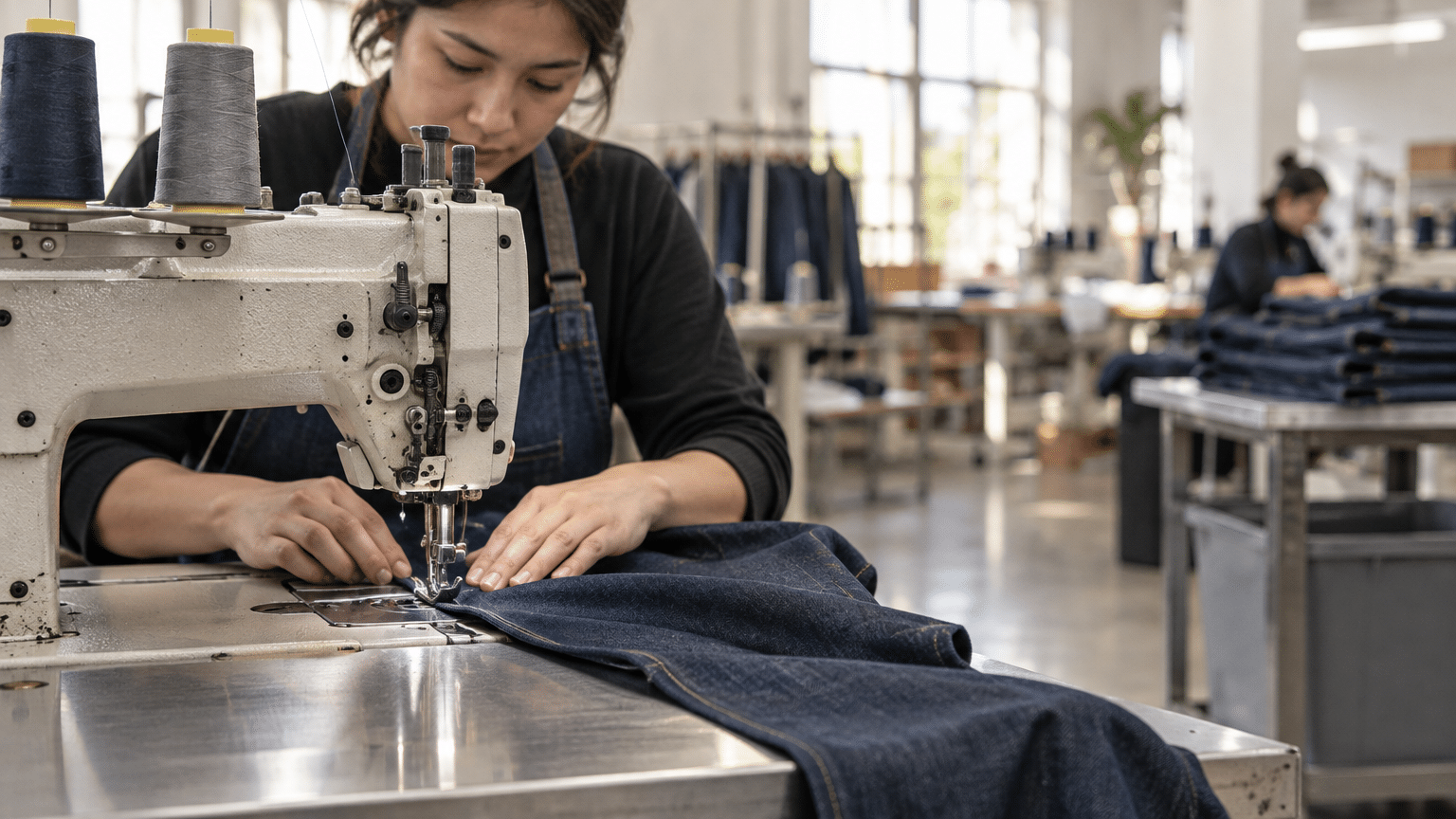
Industrial sewing machines play an essential role in modern manufacturing, garment production, upholstery, leatherworking, and other professional sewing applications. Unlike standard household machines, they are designed to handle demanding workloads, deliver consistent stitching, and support long hours of operation. Businesses looking for reliable equipment can explore the https://prizzisewing.com/collections/industrial-sewing-machines collection to discover machines suited to different materials, production requirements, and sewing techniques.
What Makes Industrial Sewing Machines Different?
Industrial sewing machines are specifically engineered for professional environments where speed, precision, and durability are important. They typically feature powerful motors, heavy-duty components, specialized feeding systems, and construction designed to withstand continuous use.
While household sewing machines are suitable for occasional repairs and creative projects, industrial models offer the performance needed for larger production volumes. They can also provide specialized stitching capabilities that improve efficiency and product quality.
For clothing manufacturers, textile businesses, upholstery workshops, and leather goods producers, choosing the right industrial machine can make a significant difference in daily operations.
Popular Types of Industrial Sewing Machines
Different sewing projects require different machine configurations. Understanding the main types helps businesses select equipment that matches their production needs.
1. Industrial Lockstitch Machines
Lockstitch machines are among the most widely used industrial sewing machines. They create strong, reliable stitches and are suitable for joining fabric pieces, constructing garments, and completing general sewing tasks.
They are commonly used in clothing factories, tailoring businesses, and textile workshops.
2. Industrial Overlock Machines
Overlock machines trim fabric edges while stitching them together, helping prevent fraying and creating clean, professional seams.
They are particularly useful for knitwear, T-shirts, sportswear, and other garment manufacturing applications.
3. Coverstitch Machines
Coverstitch machines are commonly used to create professional hems and stretchable seams. They are especially valuable when working with knitted fabrics and garments that require flexibility.
These machines are frequently found in apparel production facilities.
4. Zigzag Sewing Machines
Zigzag machines produce stitches that move from side to side rather than following a straight line. They are useful for decorative stitching, reinforcing seams, elastic attachment, and specialized sewing applications.
5. Double Chainstitch Machines
Double chainstitch machines create durable and flexible seams that are suitable for various textile manufacturing processes. They are often used in applications where seam strength and flexibility are important.
6. Heavy-Duty Sewing Machines
Heavy-duty industrial machines are designed for demanding materials such as leather, canvas, upholstery fabrics, automotive textiles, and other thick materials.
Depending on the model, they may feature specialized feeding mechanisms and powerful needle systems to handle challenging sewing conditions.
Key Factors to Consider When Buying an Industrial Sewing Machine
Purchasing industrial sewing equipment is an important investment. Before selecting a machine, businesses should evaluate several factors.
1. Type of Material
Consider the materials you work with most frequently. Lightweight fabrics, medium-weight textiles, denim, leather, and heavy canvas all have different sewing requirements. A machine designed for lightweight garments may not perform well with thick upholstery materials.
2. Production Volume
Consider how many products you manufacture daily. High-volume production environments benefit from machines designed for continuous operation and efficient workflow.
3. Stitching Requirements
Different projects require different stitch types. Determine whether you need straight stitching, overlocking, coverstitching, zigzag stitching, buttonholes, or specialized seams.
4. Motor Performance
Motor type and performance influence sewing speed, control, and energy consumption. Servo motors are particularly useful when operators need precise speed control and efficient operation.
5. Ease of Maintenance
Regular maintenance helps extend machine life and maintain consistent sewing quality. Look for equipment with accessible components, available replacement parts, and reliable technical support.
6. Brand Reputation and Warranty
Choosing equipment from established manufacturers can provide additional confidence in reliability and long-term performance. Always review warranty coverage and available after-sales support.
Benefits of Investing in Professional Sewing Equipment
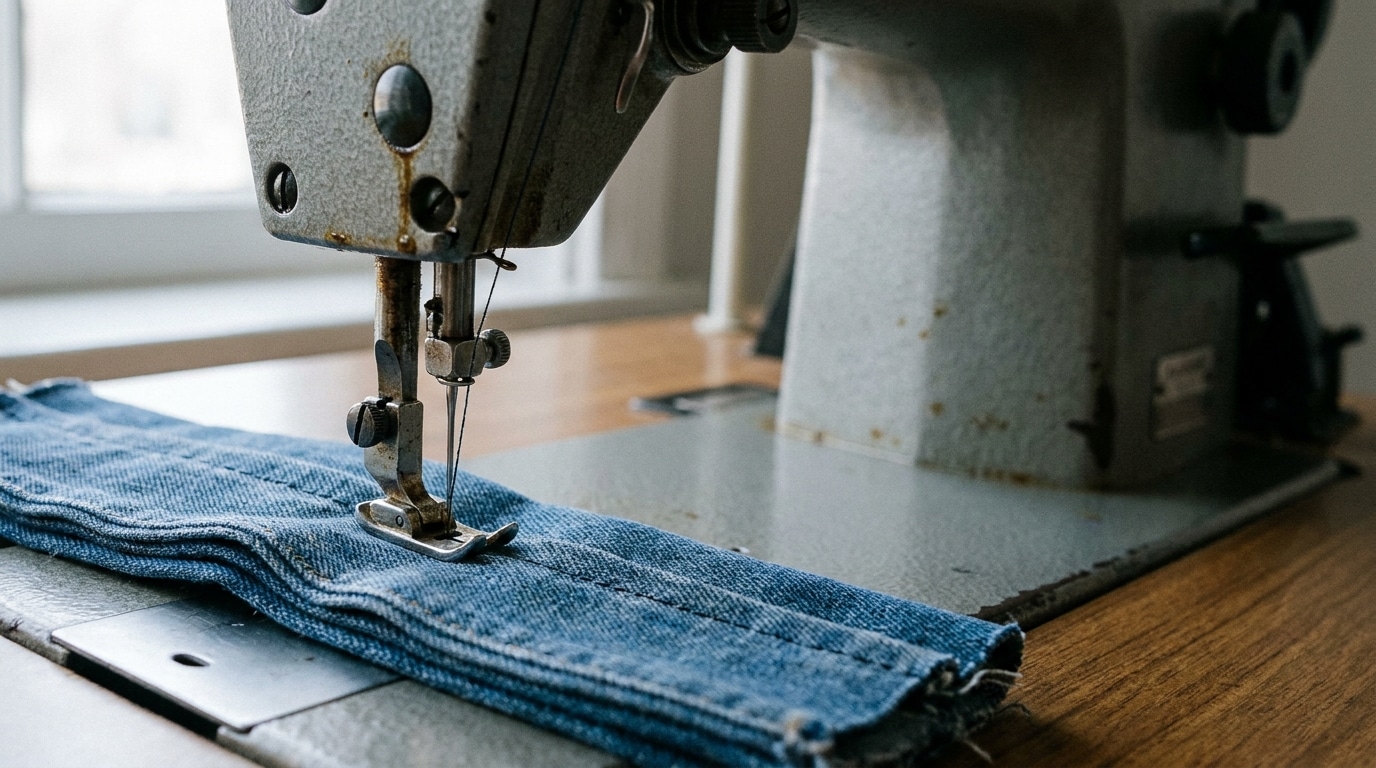
Industrial sewing machines offer several advantages for businesses involved in textile production.
- Higher productivity: Professional machines can support faster production and reduce the time required for repetitive sewing operations.
- Consistent quality: Specialized mechanisms help produce uniform stitches and professional finishes.
- Improved durability: Heavy-duty components are designed to withstand demanding working conditions.
- Greater versatility: Different machine types allow manufacturers to work with a wide range of fabrics and materials.
- Better workflow efficiency: Specialized equipment can reduce manual operations and simplify production processes.
These advantages make industrial sewing machines an important investment for businesses seeking to improve manufacturing efficiency and product quality.
Industries That Use Industrial Sewing Machines
Industrial sewing equipment is used across many industries, including:
- Apparel manufacturing: Producing shirts, trousers, jackets, uniforms, and other clothing.
- Upholstery: Manufacturing and repairing furniture coverings, cushions, and interior fabrics.
- Automotive manufacturing: Sewing vehicle seats, interior panels, and other textile components.
- Leather goods production: Creating bags, wallets, footwear, belts, and accessories.
- Marine applications: Manufacturing boat covers, sails, canvas products, and protective fabrics.
- Technical textiles: Producing specialized textile products for industrial and protective applications.
Each industry has specific requirements, making it important to select equipment based on the intended application.
Why Choosing the Right Supplier Matters
Buying an industrial sewing machine involves more than comparing prices and technical specifications. A reliable supplier can help identify suitable equipment, explain machine capabilities, and provide assistance with selecting the right configuration.
Businesses should consider suppliers that offer a broad selection of machines, genuine spare parts, manufacturer warranties, and knowledgeable customer support.
Working with an experienced sewing equipment supplier can help reduce purchasing mistakes and ensure that the selected machine meets both current and future production requirements.
Tips for Maintaining Industrial Sewing Machines
Proper maintenance is essential for keeping industrial sewing equipment in good working condition.
Follow these basic practices:
- Clean lint, dust, and fabric debris from the machine regularly.
- Lubricate components according to the manufacturer’s instructions.
- Replace damaged or worn needles promptly.
- Check thread tension and stitch quality regularly.
- Inspect belts, moving components, and other mechanical parts.
- Schedule professional servicing when necessary.
- Use compatible accessories and replacement parts.
Consistent maintenance can help minimize downtime, prevent unnecessary repairs, and maintain reliable stitching performance.
Conclusion
Industrial sewing machines are essential tools for businesses that require precision, productivity, and dependable sewing performance. From basic lockstitch machines to specialized overlock, coverstitch, chainstitch, and heavy-duty models, the right equipment can significantly improve manufacturing operations.
Before purchasing, consider your materials, production volume, stitching requirements, and long-term business goals. Choosing a machine that matches your specific application will help ensure better efficiency, consistent results, and lasting value for your investment.