
A grocery label can tell you plenty, provided you know what to look for. I used to pay more attention to protein and calcium on food labels than to B12. Yet this nutrient matters just as much for keeping your nerves healthy and helping your body make red blood cells.
B12 helps maintain nerves and form red blood cells, making it worth more than an afterthought, and a breakfast of cereal, milk, and two eggs can supply a substantial amount, depending on your choices.
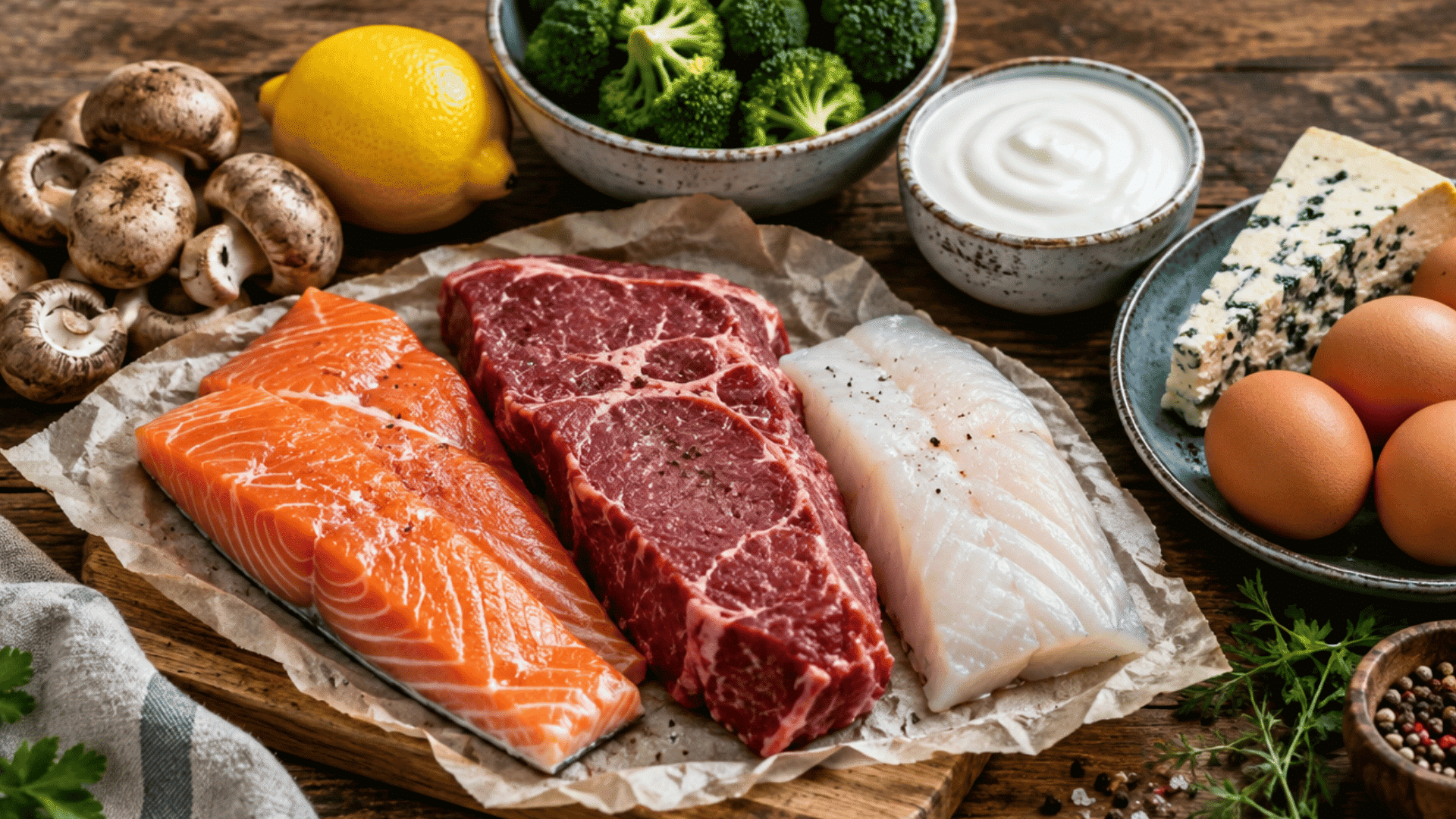
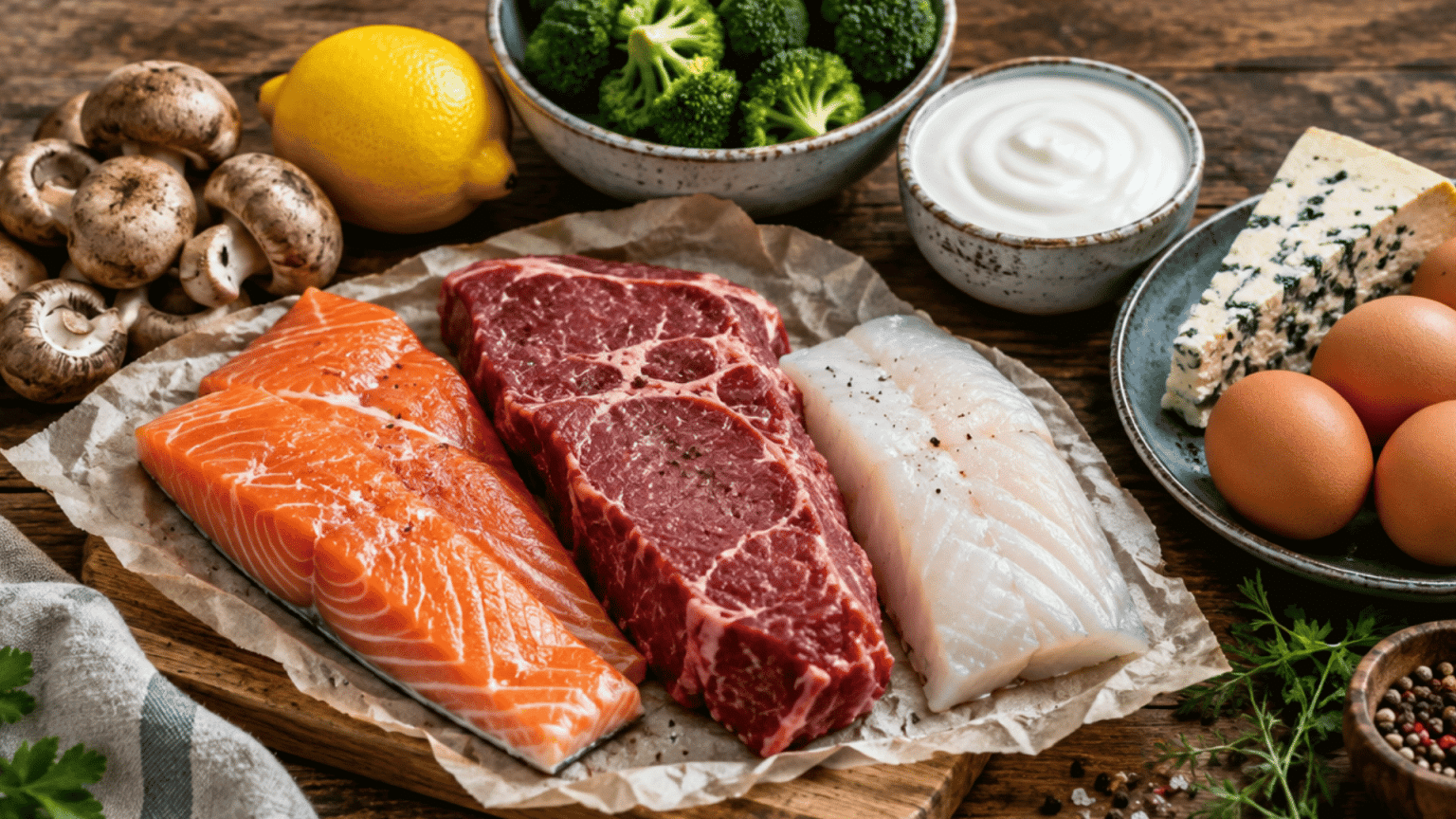
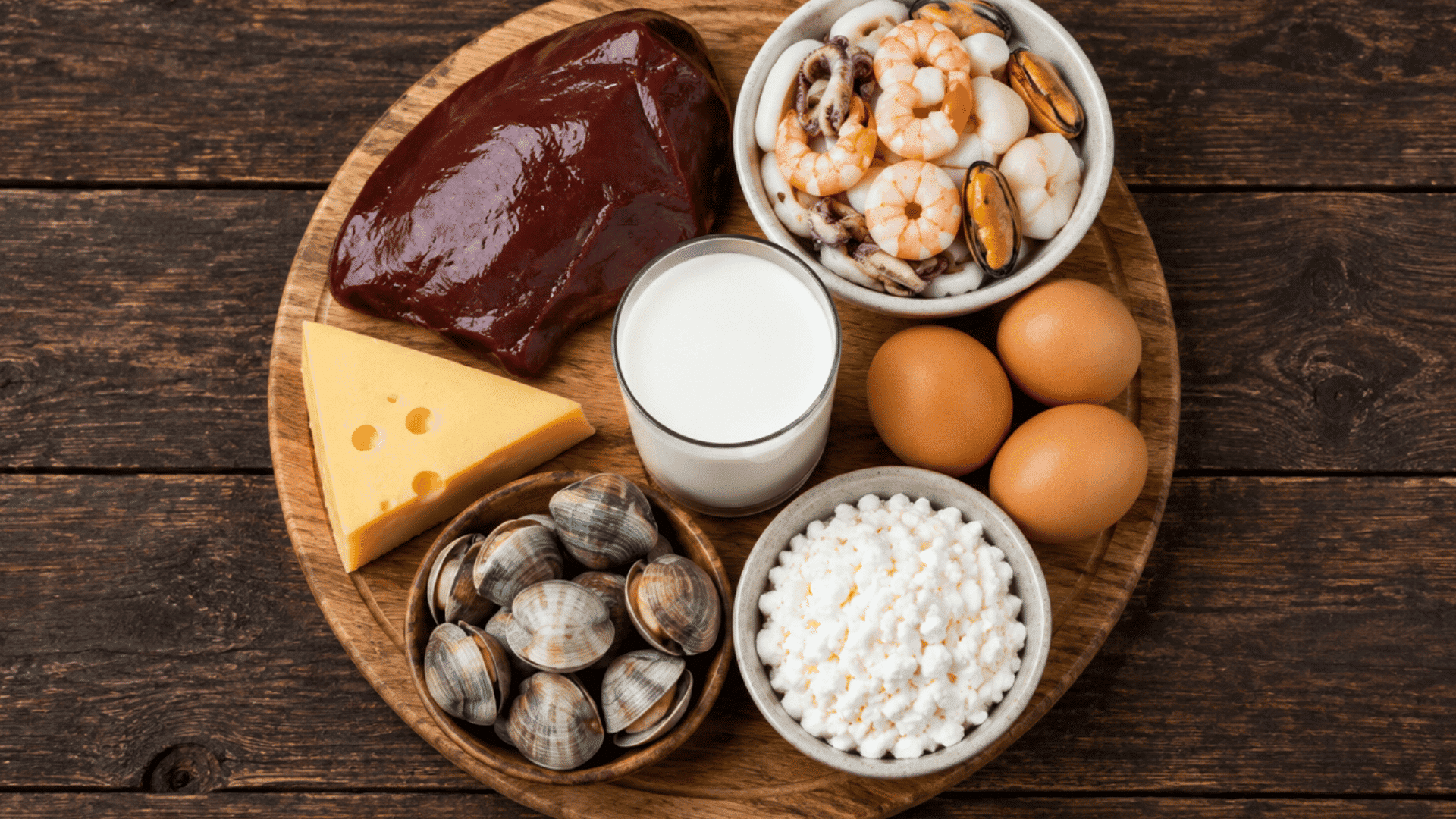
The leading animal sources include beef liver, clams, oysters, fish, beef, dairy, and eggs.
Plants don’t manufacture B12, but fortified nutritional yeast, plant milk, and breakfast cereal give vegans practical options. Knowing which foods deliver it makes meal planning easier and doesn’t require turning breakfast into a chemistry assignment.
What Does B12 Do for Your Body?
Your body needs different vitamins to stay healthy, and vitamin B12 is one of the nutrients working behind the scenes every day.
It helps your body use energy from food and produce healthy red blood cells that carry oxygen throughout your body. These functions are just part of the vitamin B12 benefits that make this nutrient important for everyday health.
Absorption happens in two steps. Stomach acid first frees B12 from the protein in food. A protein called intrinsic factor then helps your gut take it in, a process that becomes less efficient with age and with some medicines.
When B12 levels drop too low, you may experience fatigue, weakness, or tingling in your hands and feet.
Other signs include pale skin, heart palpitations, loss of appetite, problems with balance, and confusion. If you notice them, a blood test can show whether you are low, so talk to your doctor before relying on food alone.
How Much Vitamin B12 Do You Need Daily?
Most adults need 2.4 micrograms (mcg) of vitamin B12 daily to support healthy nerves, red blood cell production, and normal body functions.
|
Age Group |
Daily Vitamin B12 Requirement |
|---|---|
|
Birth to 6 months |
0.4 mcg |
|
Infants 7–12 months |
0.5 mcg |
|
Children 1–3 years |
0.9 mcg |
|
Children 4–8 years |
1.2 mcg |
|
Children 9–13 years |
1.8 mcg |
|
Teens 14–18 years |
2.4 mcg |
|
Adults 19 years and older |
2.4 mcg |
|
Pregnant women |
2.6 mcg |
|
Breastfeeding women |
2.8 mcg |
These are the amounts listed by the National Institutes of Health. The figures for babies up to 12 months are Adequate Intakes.
Best Animal-Based Vitamin B12 Foods
1. Beef Liver
Beef liver is one of the richest natural sources of vitamin B12. A single 3-ounce serving delivers about 29 times what an adult needs in a day.
It can be pan-fried with onions or added to homemade meals. Soaking slices in milk for 30 minutes before cooking softens its strong flavor. The National Health Service advises avoiding liver during pregnancy because its high vitamin A levels can harm a developing baby.
-
Vitamin B12: 70.7 mcg per 3 ounces cooked.
-
Other nutrients: Iron, copper, vitamin A, and protein.
2. Clams
Clams are an excellent seafood option for getting vitamin B12. They provide a large amount in a relatively small serving and contain minerals needed for normal body functions.
You can steam, boil, or add clams to seafood soups and pasta dishes. Choose fully cooked clams to reduce the risk of foodborne illness.
-
Vitamin B12: 17 mcg per 3 ounces cooked.
-
Other nutrients: Iron, selenium, zinc, and protein.
3. Oysters
Oysters provide a high amount of vitamin B12 along with several important minerals. They are particularly rich in zinc, which supports immune function and wound healing.
You can serve cooked oysters grilled, baked, or added to seafood dishes.
Eating them fully cooked is safer than consuming raw oysters, which can carry harmful bacteria. Six medium oysters equal roughly one 3-ounce serving.
-
Vitamin B12: 14.9 mcg per 3 ounces cooked.
-
Other nutrients: Zinc, copper, iron, and selenium.
4. Sardines
Sardines are small, oily fish that provide vitamin B12 and healthy omega-3 fatty acids. They are convenient because canned sardines are ready to eat and require little preparation.
You can add them to salads, sandwiches, or whole-grain toast. Sardines with edible bones also provide calcium, making them a useful addition to a balanced diet.
-
Vitamin B12: Approximately 7.6 mcg per 3 ounces canned in oil, drained.
-
Other nutrients: Omega-3 fats, calcium, vitamin D, and protein.
5. Salmon
Salmon is a practical choice for increasing vitamin B12 intake while getting heart-healthy fats. It contains omega-3 fatty acids that support normal heart and brain function.
Baked, grilled, or steamed salmon works well with vegetables, rice, or potatoes. The B12 amount varies by salmon species and cooking method, so nutrition values may differ between servings.
-
Vitamin B12: Approximately 7.6 mcg per 3 ounces canned.
-
Other nutrients: Omega-3 fats, vitamin D, selenium, and protein.
6. Tuna
Tuna provides vitamin B12 and lean protein without requiring complicated preparation. Canned light tuna is especially convenient for sandwiches, salads, and rice bowls.
For more meal inspiration, try these easy tuna recipes that require minimal preparation.
It also contains selenium, which helps protect cells from damage. Since tuna can contain mercury, choose lower-mercury varieties and follow the U.S. Food and Drug Administration seafood recommendations, particularly during pregnancy.
-
Vitamin B12: 2.5 mcg per 3 ounces of canned light tuna.
-
Other nutrients: Protein, selenium, niacin, and vitamin B6.
7. Beef
Beef is a common source of vitamin B12 in American diets. Lean cuts and ground beef provide protein and several minerals that support normal body functions.
You can include moderate portions in stir-fries, stews, or homemade burgers. Choosing lean cuts and limiting processed red meat helps keep meals balanced. Poultry has far less, about 0.3 mcg in 3 ounces of roasted turkey breast, so beef, fish, and shellfish do more of the work.
-
Vitamin B12: 2.4 mcg per 3 ounces of cooked 85% lean ground beef.
-
Other nutrients: Iron, zinc, protein, and vitamin B6.
8. Eggs
Eggs are an affordable vegetarian source of vitamin B12. Most of their B12 is found in the yolk, so eating whole eggs provides more than eating whites alone.
Boiled, scrambled, or poached eggs make simple additions to breakfast and lunch. They also supply choline, an essential nutrient involved in brain and nerve function.
-
Vitamin B12: 0.5 mcg per large cooked egg.
-
Other nutrients: Choline, protein, selenium, and riboflavin.
9. Trout
Rainbow trout is a mild, flaky fish that delivers more than twice the daily B12 target in one serving. It also supplies omega-3 fats and vitamin D.
Freshwater trout appears on the FDA’s “Best Choices” list for low mercury, so it suits regular meals. Bake it with lemon and herbs, or pan-sear the fillet skin-side down until crisp for a quick dinner.
-
Vitamin B12: 5.4 mcg per 3 ounces cooked wild rainbow trout.
-
Other nutrients: Omega-3 fats, vitamin D, selenium, and protein.
Vegetarian and Vegan Options
Vegetarians can get vitamin B12 from eggs and dairy products, while vegans need fortified foods or supplements. Most unfortified plant foods do not contain reliable amounts of B12. Do not confuse “enriched” with fortified, either. The enrichment standard for flour adds thiamin, riboflavin, niacin, folic acid, and iron, but not B12.
10. Milk
Milk is a natural source of vitamin B12 for vegetarians who consume dairy. It is easy to add to breakfast, smoothies, or other everyday meals.
Besides B12, milk provides calcium and protein, which help maintain strong bones and muscles. Both regular and reduced-fat dairy milk contain vitamin B12.
-
Vitamin B12: 1.3 mcg per cup of 2% milk.
-
Other nutrients: Calcium, protein, phosphorus, and riboflavin.
Note: If you’re vegan, go for fortified plant-based milk. Soy, oat, and almond milk may contain added vitamin B12, although not every brand includes it.
11. Yogurt
Yogurt provides vitamin B12 along with protein and calcium. Plain yogurt is a convenient choice for breakfast or snacks, especially when paired with fruit or oats.
Some varieties also contain live bacterial cultures. Choosing unsweetened yogurt can help limit added sugar while providing important nutrients.
-
Vitamin B12: 1.0 mcg per 6 ounces of plain fat-free yogurt.
-
Other nutrients: Calcium, protein, phosphorus, and riboflavin.
12. Fortified Nutritional Yeast
Fortified nutritional yeast is a popular vegan ingredient with a savory, cheese-like flavor. It works well sprinkled over pasta, popcorn, roasted vegetables, or soups.
-
Vitamin B12: Approximately 8.3–24 mcg per quarter cup of fortified nutritional yeast, depending on the brand.
-
Other nutrients: Protein, fiber, and often added B vitamins.
13. Swiss Cheese
Swiss cheese contains more B12 than most other cheeses, so a single slice adds a meaningful amount to a sandwich or snack plate. It also brings calcium and protein.
Cheese is high in sodium and saturated fat, so a 1-ounce portion, about one slice, is a sensible daily amount. Pair it with whole-grain crackers or melt it over eggs for a vegetarian breakfast with two B12 sources.
-
Vitamin B12: 0.9 mcg per 1-ounce slice.
-
Other nutrients: Calcium, protein, phosphorus, and zinc.
14. Fortified Breakfast Cereals
Many breakfast cereals have B12 added during processing. This form is free from food protein, so older adults and people with low stomach acid absorb it more easily than B12 in meat.
The amount depends on the brand, ranging from 25% to 100% of the Daily Value per serving. Pick options with whole grains and little added sugar, then check the Nutrition Facts panel.
-
Vitamin B12: 0.6 mcg or more per serving, depending on the brand.
-
Other nutrients: Iron, folic acid, and other added B vitamins.
At a Glance: Vitamin B12 Foods Ranked By Amount
|
Food |
Serving |
Vitamin B12 (mcg) |
% Daily Value |
|---|---|---|---|
|
Beef liver, pan-fried |
3 ounces |
70.7 |
2,944% |
|
Clams, cooked |
3 ounces |
17 |
708% |
|
Oysters, cooked |
3 ounces |
14.9 |
621% |
|
Nutritional yeast, fortified |
About ¼ cup |
8.3–24 |
346–1,000% |
|
Sardines, canned |
3 ounces |
About 7.6 |
About 317% |
|
Rainbow trout, wild, cooked |
3 ounces |
5.4 |
225% |
|
Atlantic salmon, cooked |
3 ounces |
2.6 |
108% |
|
Light tuna, canned in water |
3 ounces |
2.5 |
104% |
|
Ground beef, 85% lean |
3 ounces |
2.4 |
100% |
|
Milk, 2% |
1 cup |
1.3 |
54% |
|
Swiss cheese |
1 ounce |
0.9 |
38% |
|
Breakfast cereal, fortified |
1 serving |
0.6 or more |
25% or more |
|
Yogurt, plain, fat-free |
6 ounces |
1.0 |
43% |
|
Egg, whole, cooked |
1 large |
0.5 |
19% |
Do Fruits and Vegetables Contain Vitamin B12?
No, fruits and vegetables do not naturally contain meaningful amounts of vitamin B12, even though they provide many other essential nutrients.
Foods like bananas, spinach, broccoli, and avocados offer vitamins, minerals, and fiber, but they cannot meet your daily B12 needs.
Some mushrooms, seaweed, and fermented vegetables may contain small amounts of B12 due to bacterial activity. However, these amounts vary widely, and some contain forms that the human body cannot use effectively.
Tempeh, a fermented soy food often suggested for vegans, has only about 0.1 mcg per half cup, so it cannot replace fortified foods.
How to Add More Vitamin B12 to Your Daily Diet
Adding vitamin B12-rich foods to everyday meals can be simple. A few small changes to your breakfast, lunch, dinner, and snacks can help increase your intake.
|
Meal |
Vitamin B12-Rich Food Options |
Simple Meal Ideas |
Approx. B12 |
|---|---|---|---|
|
Breakfast |
Eggs, milk, fortified cereals |
Scrambled eggs with toast or cereal with milk |
2 eggs + 1 cup milk: 2.3 mcg |
|
Mid-Morning Snack |
Yogurt, cheese |
Plain yogurt with fresh berries |
6 oz yogurt: 1.0 mcg |
|
Lunch |
Tuna, beef, sardines |
Tuna sandwich or beef and vegetable wrap |
3 oz light tuna: 2.5 mcg |
|
Afternoon Snack |
Fortified nutritional yeast |
Popcorn topped with fortified nutritional yeast |
Varies by brand |
|
Dinner |
Salmon, clams, lean beef |
Baked salmon with rice and vegetables |
3 oz salmon: 2.6 mcg |
|
Vegan Option |
Fortified plant milk, fortified cereals |
Oatmeal with B12-fortified soy milk |
Check the label |
For example, 1 cup of 2% milk, 1 large egg, and 3 ounces of canned light tuna add up to 4.3 mcg, almost twice what most adults need in a day.
Tip: Check food labels for vitamin B12 content, especially on fortified products. Include different B12 sources throughout the week to help meet daily nutritional needs.
To Sum Up
Getting enough B12 can start with familiar meals you enjoy, with seafood, dairy, eggs, and fortified plant foods giving different diets room to work without making every meal revolve around a single nutrient.
My shopping habit has changed: I now check plant-milk and cereal labels for B12 rather than assuming brands offer the same amount.
It’s a small task that makes the week’s choices easier. Choose foods that fit. Check the serving, keep options on hand.
If symptoms or absorption concerns enter the picture, bring a clinician into the plan rather than relying on food alone. What B12-rich meal earns a regular spot at your table? Share your ideas in the comments.
Frequently Asked Questions
What Foods Should Be Avoided in Vitamin B12 Deficiency?
Avoid excessive alcohol, which can impair B12 absorption; limit processed foods and rely instead on B12-rich or fortified foods.
Does Cooking Reduce Vitamin B12 in Food?
Yes, cooking can reduce vitamin B12 levels, especially with prolonged heating or boiling. Steaming and shorter cooking times may help retain more B12.
How Can I Raise My B12 Level Fast?
Vitamin B12 supplements or prescribed injections can raise low B12 levels. The fastest appropriate treatment depends on deficiency severity and absorption problems.
Which Milk Is High in B12?
Cow’s milk naturally contains vitamin B12, with about 1.3 mcg per cup of 2% milk. Fortified soy, oat, and almond milk are alternatives.
What Do You Crave When Your B12 Is Low?
There is no specific B12 craving. Fatigue may make you crave sweets or caffeine; low B12 can also reduce appetite. Get tested rather than relying on cravings.