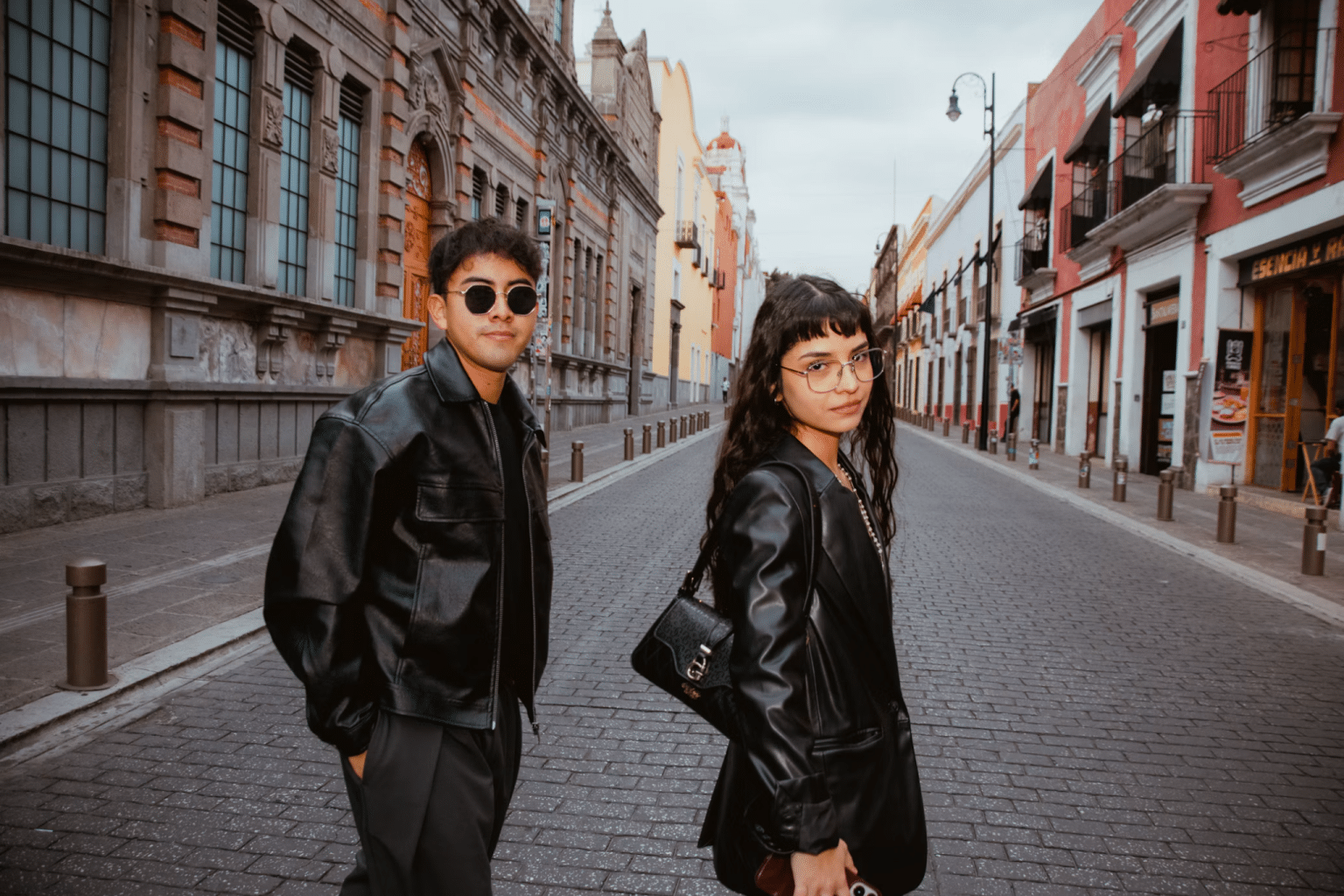
Spotting emerging street-style trends can be difficult when you’re rushing between neighborhoods, carrying heavy bags, or relying on a handful of memorable outfits to judge what’s popular. Without a clear approach, you risk missing the details that reveal genuine fashion movements. Discover how smarter route planning, practical photography gear, and thoughtful observation can help you capture authentic trends while exploring the city comfortably.
Catching Trends in Dynamic Neighborhoods
Start with a route that links contrasting areas instead of spending the entire day on one commercial street. A business district may reveal polished workwear in the morning, while a creative neighborhood shows experimental layering later in the day. Transit hubs add another perspective because commuters, visitors, and residents pass through the same space with different needs.
Give each location 30 to 45 minutes before deciding whether to stay. That window is long enough to spot repeated colors, shapes, and styling choices without tying up the whole afternoon. If three people wear silver shoes within half an hour, for example, record the detail and look for it again elsewhere. Repetition across several neighborhoods carries more weight than one memorable outfit.
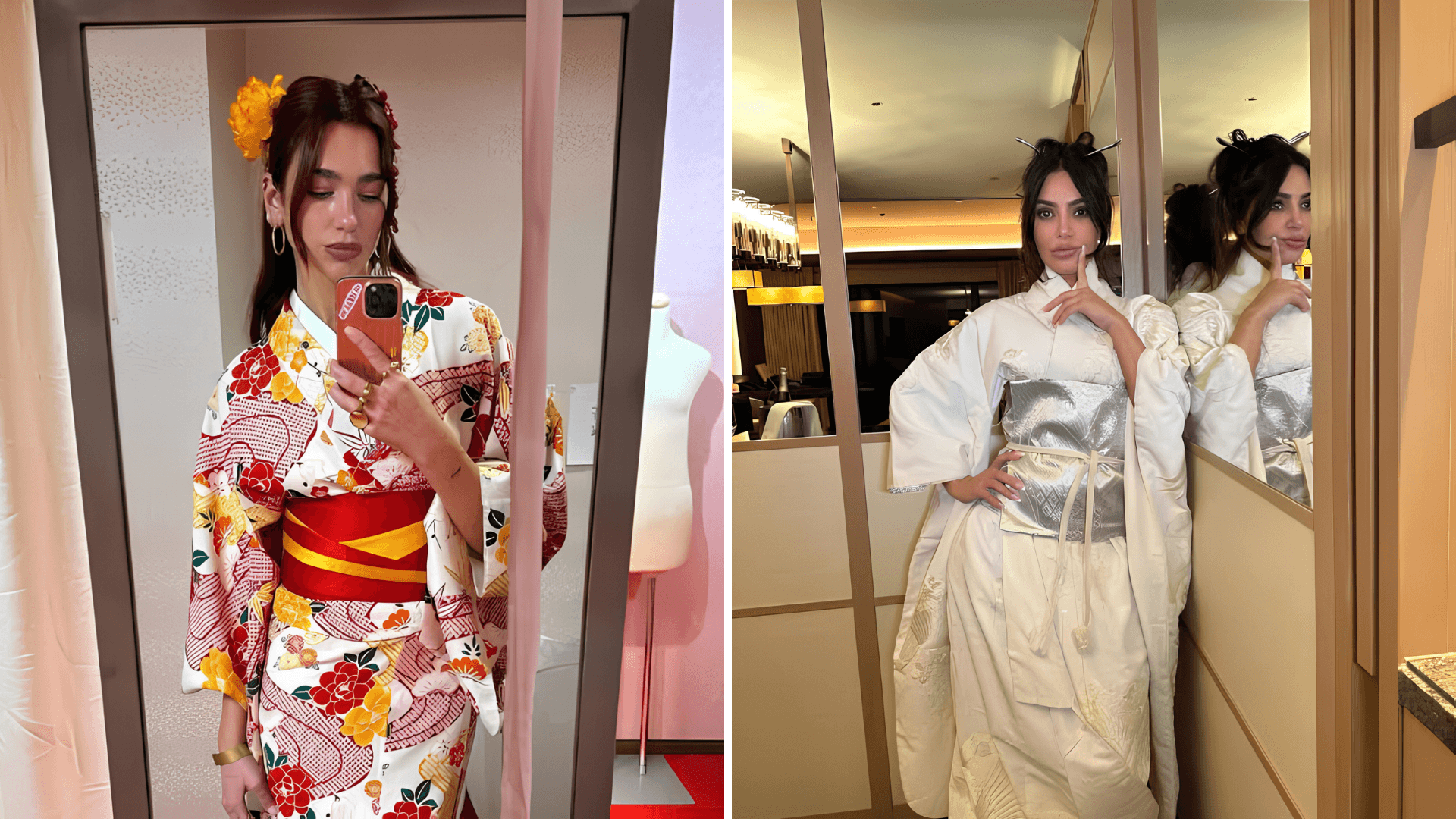
Pay attention to practical influences too. Temperature, rain, and walking distance shape what people wear. A lightweight jacket appearing on a cool morning may reflect the weather, while a particular bag shape seen across several days could signal a broader shift. The growing influence of personal expression in fashion, including how colorful clothing is becoming a fashion statement, also offers useful context when identifying recurring colors, patterns, and distinctive styling choices.
Large economic and technology changes also affect how trends reach the street. McKinsey’s discussion of emerging competitive arenas offers useful context for understanding how digital platforms and new business models can reshape consumer markets. Keep those wider forces in mind, but let direct observation guide your notes. Street style gains its value from specific, visible evidence.
Essential Gear for Urban Trend Hunters
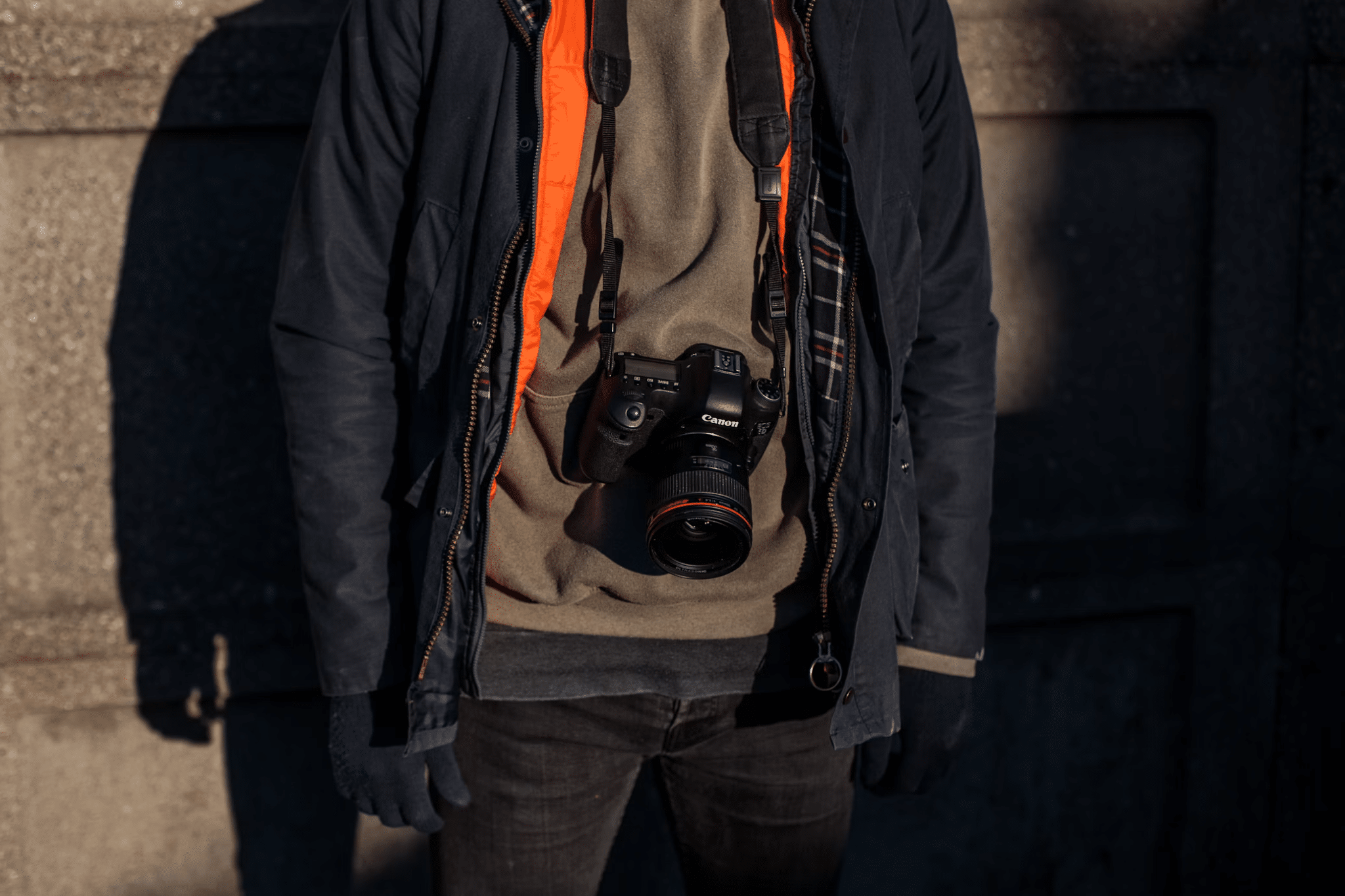
Build your kit around the work you expect to complete that day. A phone with a strong camera may be enough for quick reference shots, location notes, and short videos. A dedicated camera gives you more control over motion, distance, and light, but it also adds weight and can attract attention. Choose one primary device and learn its controls before heading out.
Carry a small power bank, charging cable, microfiber cloth, and weather cover. Add a reusable water bottle if you’ll be walking for several hours. A compact notebook can help you record details that photographs miss, including fabric movement, styling combinations, and the pace of a particular street.
Keep your setup discreet and respectful. Useful street photography techniques include practicing in busy public settings and becoming more comfortable with your equipment. When a person is clearly identifiable, ask permission before creating a close portrait. If they decline, thank them and move on without pressure.
Lighten Your Load to Explore Freely
Every unnecessary item becomes more noticeable after several miles. Empty your bag before leaving and rebuild it according to a simple rule: each object should solve a likely problem or support a planned task. Spare footwear, full-size cosmetics and multiple devices often add weight without improving the day’s results.
Travelers face an extra challenge when scouting between hotel checkout and an evening departure. Carrying a suitcase through crowded streets slows movement, limits access to smaller cafés and makes spontaneous route changes harder. If your schedule passes through a major London rail hub, booking luggage storage near King’s Cross can free you to explore while your bags remain with a local storage business.
Once large luggage is out of the way, organize your day bag so frequently used items sit near the top. Keep your phone, transit card, and notebook in separate pockets. Place liquids inside a sealed pouch and avoid letting charging cables tangle around camera equipment.
Mobility also involves choosing routes that work for different bodies and energy levels. Elevators, curb cuts, accessible entrances, and places to rest can determine how comfortably someone moves through a neighborhood. The ADA Title II regulations provide formal standards for public entities in the United States. Even when scouting elsewhere, the underlying accessibility considerations are useful when assessing a route. Check local transit maps, look for step-free station information, and schedule brief breaks before fatigue affects your attention.
Frame Candid Fashion Moments Perfectly
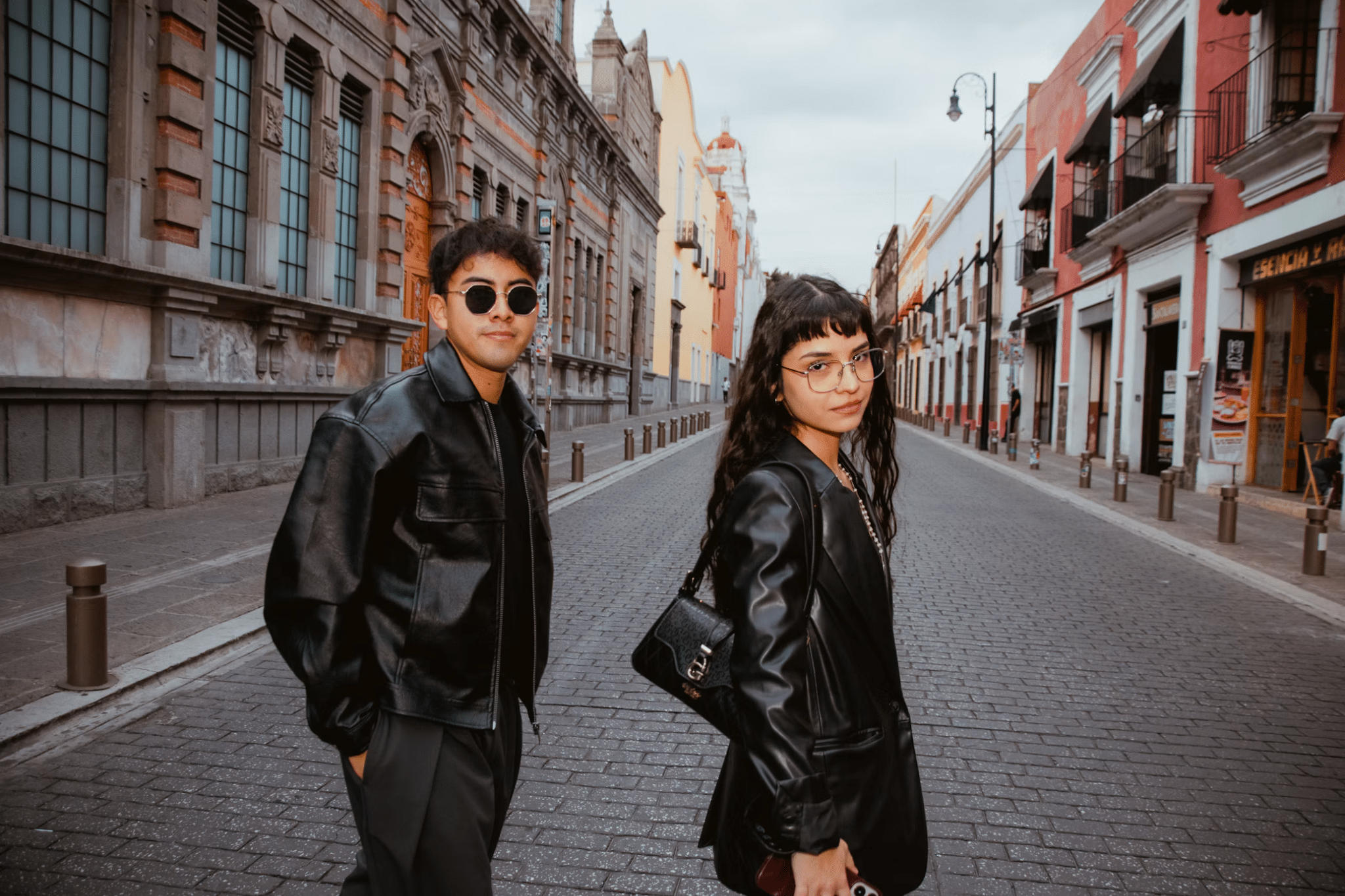
Choose the background before waiting for a subject. A plain wall highlights silhouette and color, while a busy storefront can compete with the outfit. Corners, crosswalks, and station entrances often offer clear lines that guide the viewer’s eye, but leave enough room for pedestrians to pass.
Set exposure and focus in advance. On a bright street, expose for the highlights so pale clothing and reflective materials retain detail. A faster shutter speed can freeze a moving coat or wide-legged trousers, while a slightly slower setting captures controlled motion. Phones often let you lock focus and exposure by pressing on the screen, which prevents the camera from readjusting at the key moment.
Watch how light changes over a block. Open shade usually produces even skin tones and accurate fabric colors. Direct midday sun creates strong contrast, which can work for graphic outfits if you position the subject carefully. Reflections from windows can add depth, though they require a clean frame and a clear reason for being included.
Candid photography still calls for judgment. Avoid photographing someone in a vulnerable, private, or embarrassing situation. For closer images, make eye contact and ask in a direct, friendly way. A simple explanation such as “I’m documenting street style in this neighborhood” gives the person enough context to respond.
Afterward, add brief notes while the scene is fresh. Record the neighborhood, time, weather, and key styling details. Later, group images by recurring elements such as bold socks, compact shoulder bags, or tonal layering. That process turns a collection of attractive photographs into useful trend reporting.
The strongest scouting days often end with one precise observation that wasn’t on the original shot list. Leave enough space in your route and your bag to follow it, then capture the detail with context before the street changes again.