
Folklore art doesn’t try to be perfect. That’s exactly why it stands out.
It’s built on stories, shaped by hands, and passed down through generations, all tied closely to the deeper meaning of folklore itself.
You’ll see it in bold patterns, quiet symbols, and everyday objects that carry meaning beyond their surface.
Nothing feels random. Every color, shape, and detail has a reason, much like balancing colors in outfits to keep everything visually clear and cohesive.
Unlike polished gallery pieces, folklore art feels lived-in. It reflects real people, real places, and real traditions. From painted furniture to detailed textiles, it turns simple materials into something rich and expressive.
This guide breaks down what defines folklore art, the patterns and materials behind it, and how it continues to show up in modern spaces.
What Defines Folklore Art Style And Its Key Characteristics?
Folklore art comes from communities and shared traditions. It reflects daily life, beliefs, nature, and cultural identity passed down over time.
Its style is simple and expressive, not realistic. Patterns often repeat with balance, and colors range from bold to earthy.
A handmade feel is key, with small imperfections adding charm. Most importantly, each piece tells a story, not just decoration.
Folklore Art Patterns, Motifs, And Materials
Folklore art brings patterns and materials together in a way that feels rich, layered, and full of meaning, often influencing folklore outfit ideas through texture, color, and detail.
Popular Motifs Across Cultures
These motifs bring meaning and storytelling into every design.
- Flowers, leaves, and vines that reflect nature
- Birds, animals, and mythical figures
- Sun, stars, and seasonal symbols
- Human figures in daily life or rituals
Common Pattern Styles
Patterns shape how folklore art feels and flows visually.
- Geometric borders and repeating bands
- Radial and circular layouts
- Dense designs with little empty space
Materials And Mediums
The choice of material plays a big role in how folklore art looks and feels.
- Textiles like embroidery, weaving, and quilting
- Wood used in carving and painted furniture
- Ceramics including pottery, tiles, and figurines
- Paper for prints and cut art
- Metal and glass in select traditions
Techniques That Shape The Look
Techniques bring the final detail and depth to each piece.
- Hand-painting with natural dyes
- Stitch-based decoration
- Carving and etching
- Layered surface detailing
Regional Variations In Folklore Art And Everyday Use
Folklore art shifts beautifully across regions, yet stays rooted in daily life. Each culture shapes it through local materials, beliefs, and routines.
Europe
Folk art in Europe reflects local traditions through pattern, color, and everyday life.
- Scandinavian: Soft palettes, clean layouts, and nature-based symbols keep designs calm and balanced
- Eastern Europe: Rich florals, layered patterns, and bold color contrasts create dense, eye-catching surfaces
Asia
Asian folklore art leans into symbolism, storytelling, and a strong connection to nature.
- Indian Folk Art: Styles like Madhubani and Warli focus on storytelling, rituals, and symbolic figures
- East Asian Traditions: Nature-led themes, flowing balance, and controlled compositions define the look
Americas
Folk art across the Americas is vibrant, expressive, and closely tied to community life.
- Mexican Folk Art: Bright colors, festive energy, and playful forms bring a lively visual rhythm
- Native Traditions: Strong spiritual symbols and deep ties to land and nature guide the designs
Examples Of Iconic Folklore Art Styles
A quick look at key folklore styles and notable artists where available:
1. Mexican Folk Art (Alebrijes, Talavera, Papel Picado)
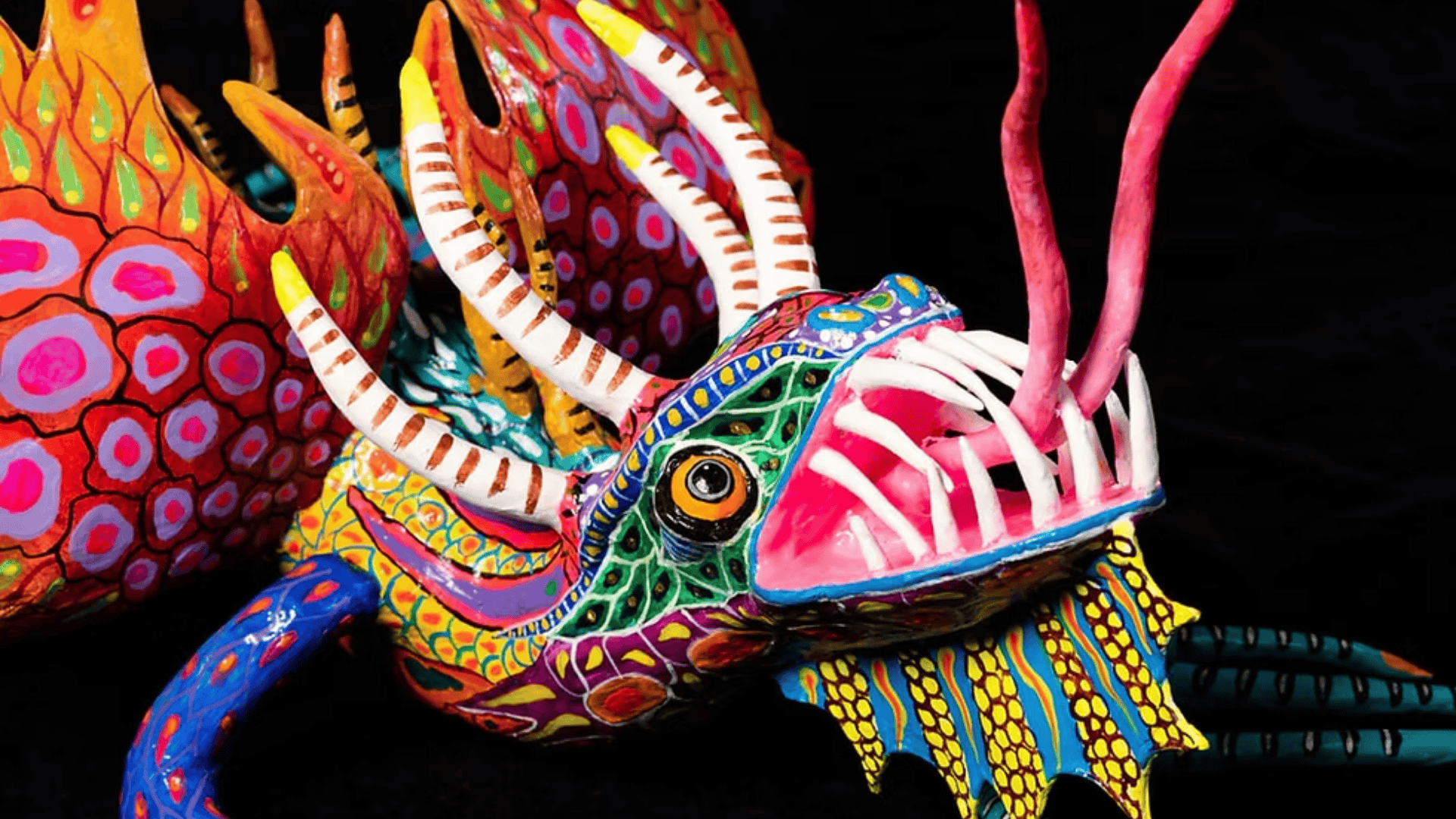
Source: Arcadia
Bright, symbolic, and rooted in culture.
Artists: Frida Kahlo, Diego Rivera; Oaxaca artisans
2. Scandinavian Folk Art

Source: Rug & Kilim
Nature-based patterns with balance and simplicity.
Artists: Community artisans
3. Huichol Art (Mexico)
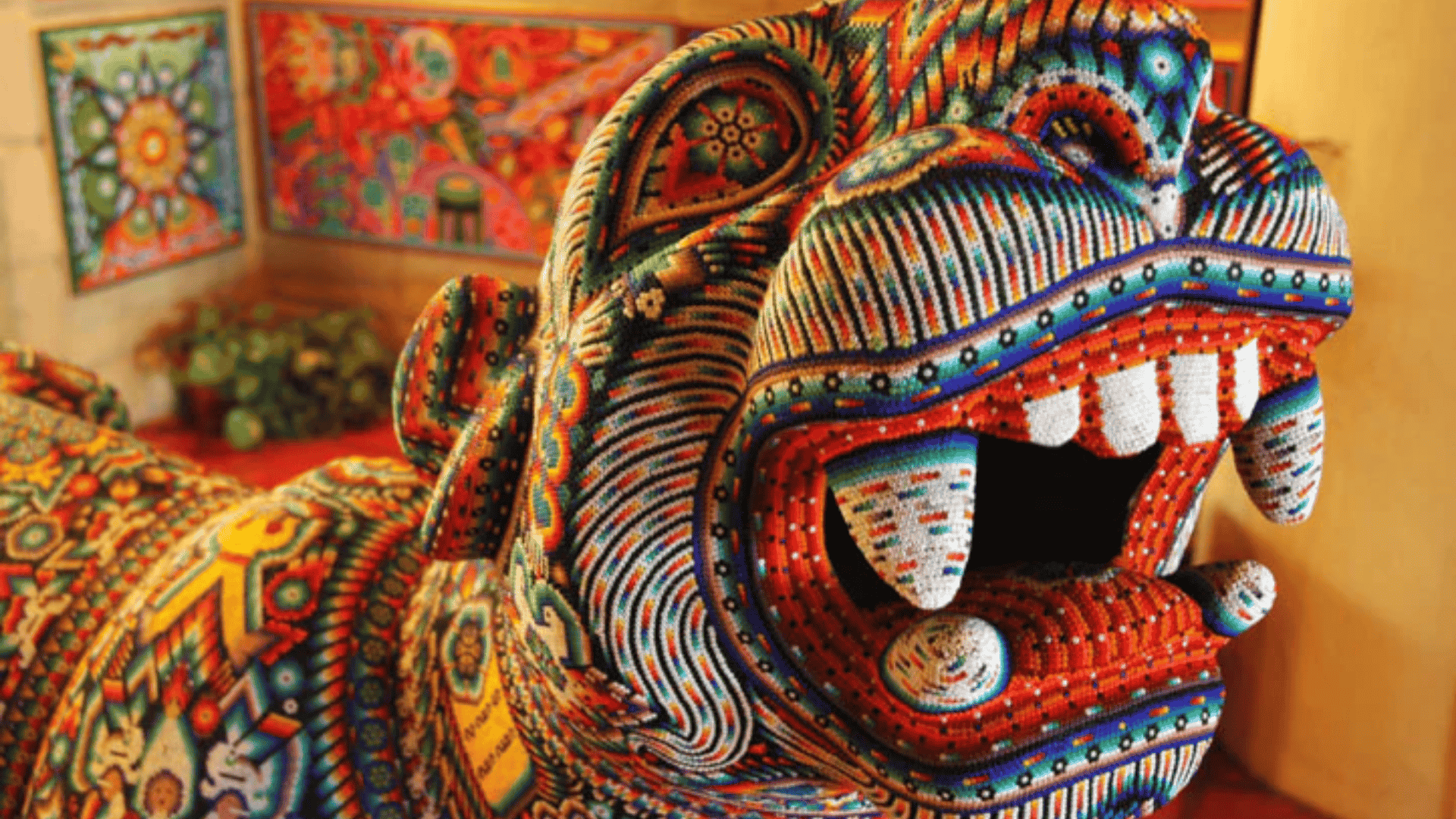
Source: VivaMexico.com
Detailed beadwork and yarn art with spiritual meaning.
Artists: Wixárika artisans
4. Retablo Art (Peru)
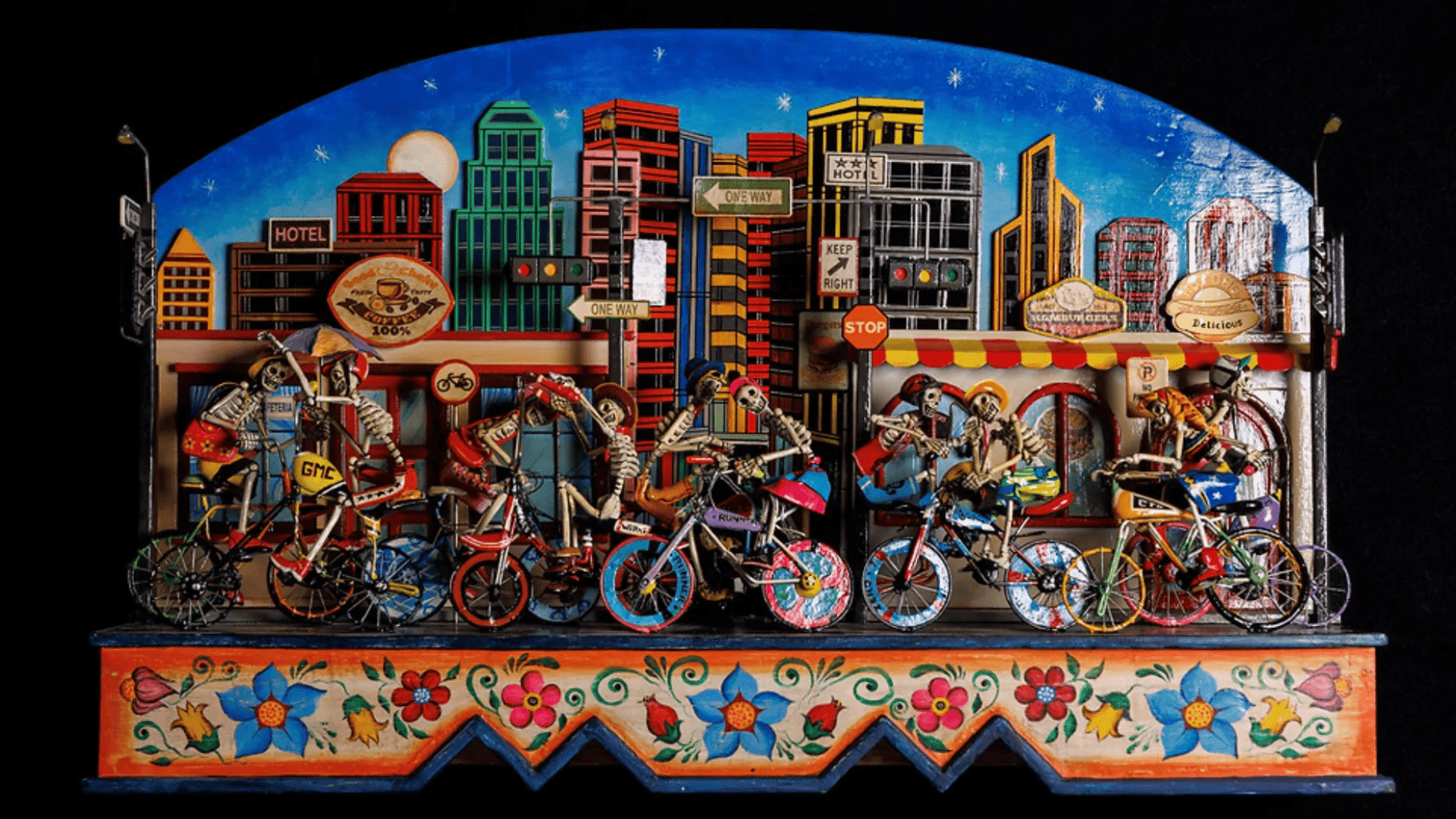
Source: Conde Nast Traveler
Mini storytelling scenes in wooden boxes.
Artist: Joaquín López Antay
5. Indian Folk Art (Madhubani, Warli)
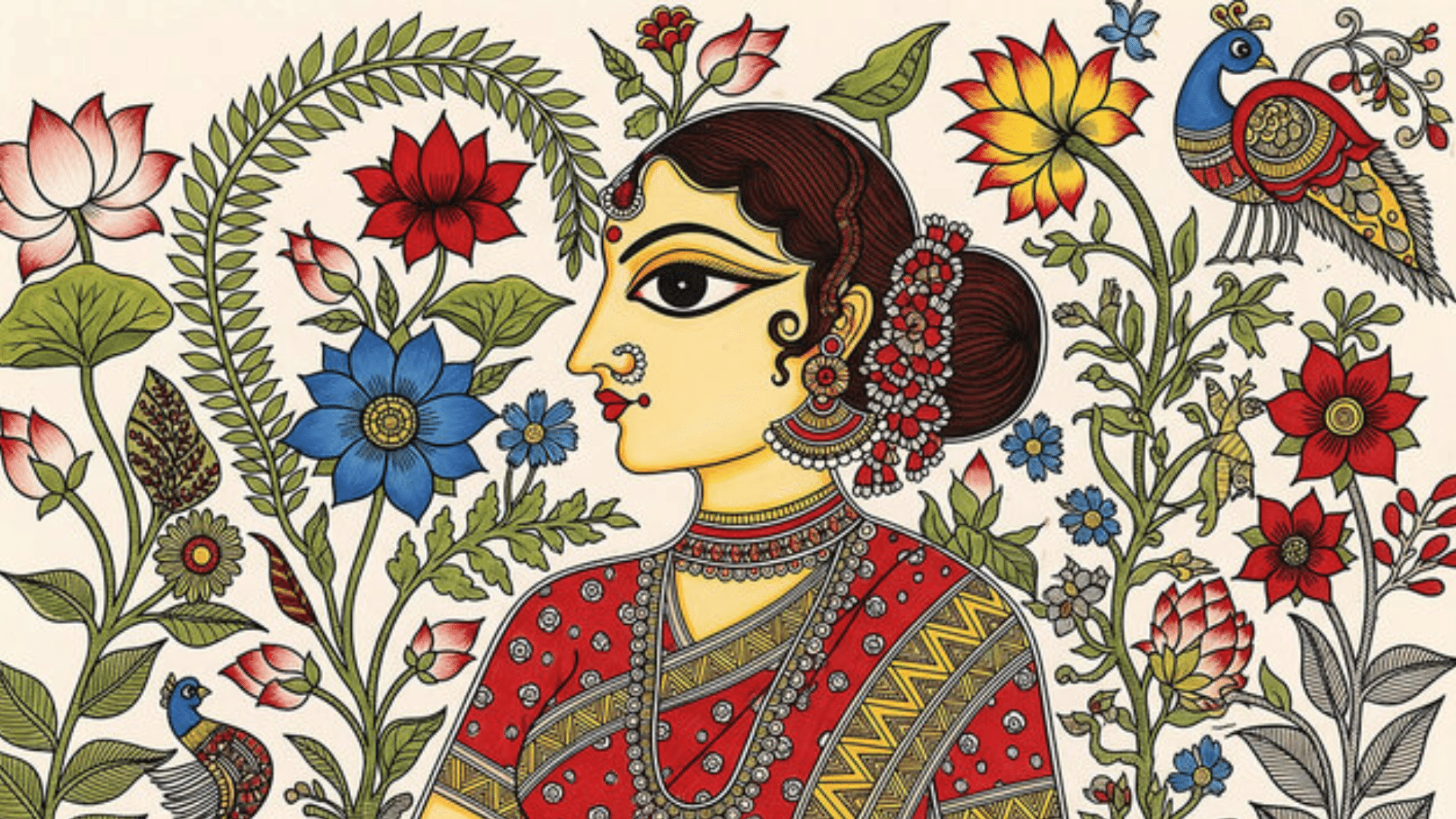
Source: Adobe Stock
Flat, detailed visuals focused on storytelling.
Artists: Village artisans
6. Slavic Folk Art

Source: GW2RU
Bold florals and myth-inspired imagery.
Artist: Patrycja Wójcik
7. Zhizha (Taiwan)

Source: Neocha
Paper sculptures used in rituals and offerings.
Artist: Zhang Xu Zhan
These styles balance shared tradition with occasional individual influence, keeping folklore art both rooted and evolving.
Folklore Art Vs Other Art Styles
Folklore art stands apart through its roots in culture and everyday life, but it also keeps adapting in fresh ways today.
Here’s a clear side-by-side look with a quick peek at how it fits into the present:
| Aspect | Folklore Art | Fine Art | Modern Art |
| Origin | Community-based | Artist-driven | Concept-driven |
| Technique | Traditional methods | Formal training | Experimental |
| Purpose | Cultural expression | Aesthetic or intellectual focus | Conceptual or abstract |
| Style | Pattern-rich, symbolic | Wide-ranging styles | Minimal to abstract |
| Today’s Shift | Seen in fashion, decor, and handmade goods | Gallery and institutional spaces | Digital, installations, mixed media |
Where Do We See Folklore Art Today?
Folklore art shows up today in patterns that appear in clothing, rugs, and home textiles, traditional designs get reworked into digital prints, interiors mix folk elements with clean, modern spaces, and handmade crafts are gaining value again for their raw, human touch.
This blend keeps folklore art grounded in tradition while letting it stay relevant in everyday design.
Conclusion
Folklore art proves that design can feel meaningful without trying too hard.
It carries stories, culture, and everyday life into patterns, textures, and objects that still feel relevant today. From bold motifs to handmade details, every piece connects the past with how people live now.
It’s not just something to look at. It’s something to notice, use, and enjoy in small ways around you.
Which folklore art style caught your eye the most? Drop your favorite in the comments or share how you’d use these patterns in your space or wardrobe.
Frequently Asked Questions
How Does Folklore Influence Art?
Art in folklore often incorporates symbolism and iconography, encapsulating the cultural meanings and values embedded within the tales.
What Is Frida Kahlo’s Art Style Called?
Frida Kahlo’s art style is best described as a blend of Magical Realism, Surrealism, and Mexican Folk Art.
What Is The 80/20 Rule In Art?
The 80/20 rule (or Pareto Principle) in art dictates that roughly 80% of an artwork’s impact is achieved within the first 20% of the effort, usually during the planning and sketching phase.