
Folklore sounds like something pulled from old storybooks or whispered around a fire, but the name itself has a story worth knowing. It is simple, direct, and surprisingly clever.
Two small words come together to describe something that exists in every culture, every place, and every time, shaping everything from stories to folklore art styles seen across different traditions.
Behind the term lies a mix of language, history, and human connection, which continues to influence everything from traditions to folklore-inspired outfits seen today.
It explains how stories travel, how traditions stick, and how communities hold on to what matters.
Understanding why it is called “folklore” opens the door to a much bigger idea about how people share knowledge without needing books or records.
Why “Folklore” Is Called “Folklore”?
Folklore refers to the shared stories, beliefs, customs, and traditions of a group of people, passed down over time, often by word of mouth.
The word itself is made of two simple parts. “Folk” means the people, usually a community or cultural group. “Lore” means knowledge, including stories, lessons, and traditions that are taught and remembered.
When combined, “folklore” becomes the knowledge of the people.
It captures how communities pass down their identity, values, and experiences through stories, songs, rituals, and everyday practices.
Who Created the Term “Folklore” and Why?
The word “folklore” was introduced in 1846 by William John Thoms, a British writer and antiquarian.
At the time, people used the phrase “popular antiquities” to describe traditions, but it felt long, formal, and a bit confusing.
Thoms suggested “folklore” as a simpler and clearer alternative.
He combined “folk,” meaning people, with “lore,” meaning knowledge or traditions. The new term was easy to understand and fit the idea perfectly.
Over time, “folklore” became the standard term used across the world.
Breaking Down The Etymology Of “Folk” And “Lore”
The word “folklore” origins from two meaningful parts.
“Folk” comes from Old English folc, linked to Germanic roots. It refers to a community, including shared identity, daily life, and traditions.
“Lore” comes from Old English lār, meaning learning or knowledge, often passed through speech rather than writing.
Over time, both words kept their meanings. One represents people, the other what they pass on. Combined in the 1800s, “folklore” clearly describes knowledge that belongs to the people.
What Counts as Folklore and How the Term Spread Worldwide?
What falls under folklore:
- Oral traditions like folktales, proverbs, riddles, and songs passed by word of mouth
- Customs and rituals such as festivals, marriage practices, and daily habits
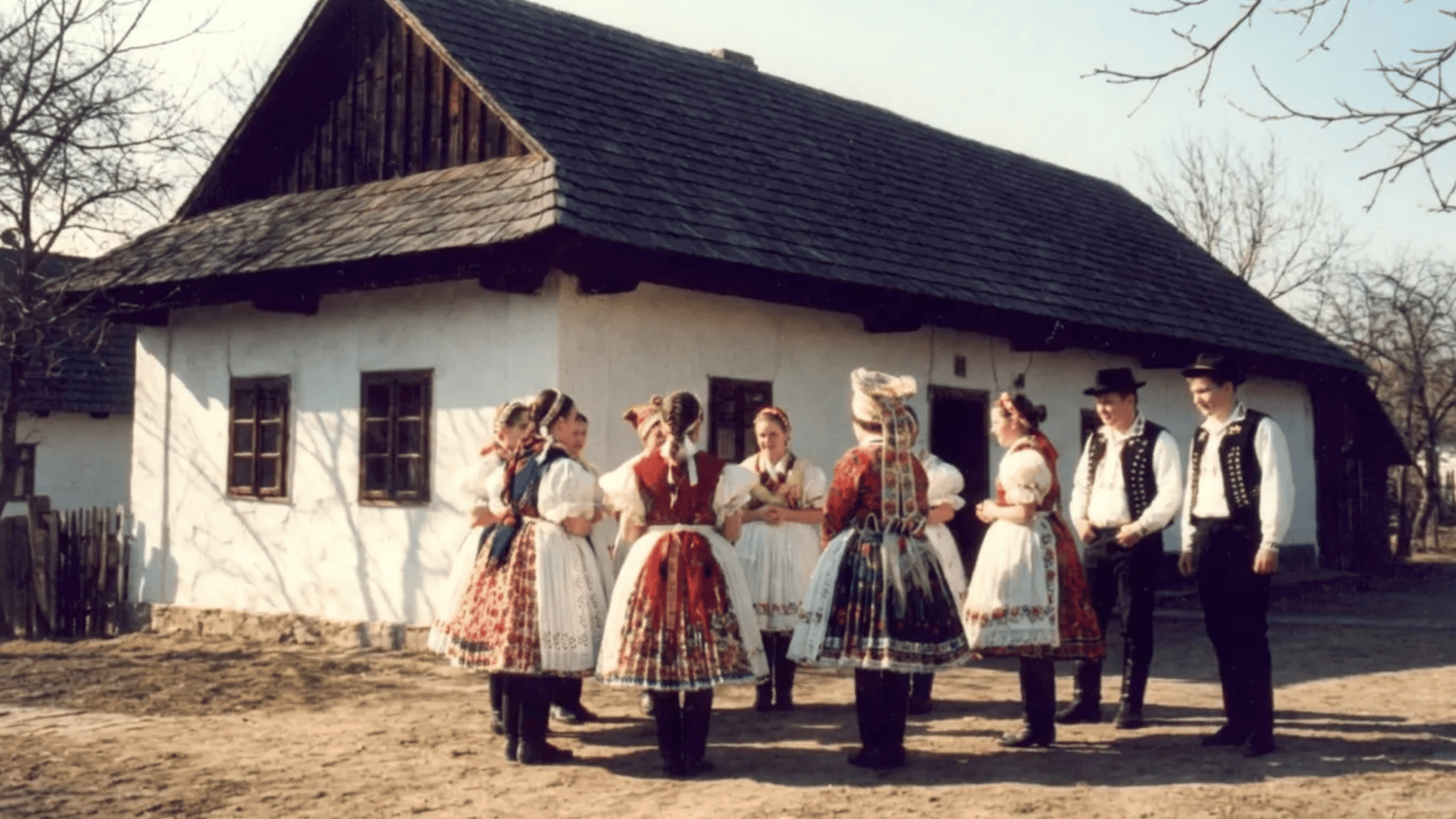
- Material culture including crafts, clothing, and handmade objects tied to tradition
How the term spread across the world:
- The word “folklore” was first used in England but quickly gained attention among scholars
- Academic exchange and translations helped carry the term into Europe and beyond
- Many cultures had their own similar concepts, but “folklore” became a common label in research
- The English term stayed widely used because it was simple, clear, and easy to adopt across languages
How Folklore Differs From Myth, Legend, and Fable?
Folklore is often confused with myths, legends, and fables, but it actually sits above all of them as a broader category.
- Myths explain origins and beliefs, often involving gods or creation stories
- Legends are tied to real places or people but shaped over time
- Fables are short tales with clear moral lessons, often using animals
Folklore includes all of these and more. It covers stories, customs, beliefs, and everyday practices passed through generations. That’s why it works as an umbrella term rather than a single type of story.
Common Misunderstandings About Folklore
Folklore is often misunderstood in simple but important ways. Many think it is just made-up fiction, but it actually carries shared beliefs, values, and traditions.
It is also not stuck in the past. Folklore continues to grow as new stories, customs, and expressions take shape over time.
Another common idea is that folklore only belongs to rural or old communities, when in reality, every group creates its own folklore, including modern and urban cultures.
Conclusion
Folklore may sound like an old word, but its meaning stays fresh and alive. It holds stories, habits, and ideas that people continue to share every day, shaping culture in quiet and lasting ways.
From ancient tales to modern traditions, folklore keeps growing without losing its roots.
The beauty of the word lies in its simplicity. It connects people and their shared knowledge in one clear idea. No extra layers, no confusion, just a reflection of how communities remember, teach, and express themselves over time.
So here’s something to think about.
Which piece of folklore feels closest to home? A story heard as a child, a family tradition, or something seen in everyday life?
Drop it in the comments and keep the conversation going.
Frequently Asked Questions
What Is The Most Popular Folklore?
Some of the world’s most famous folklore includes chilling legends like Mexico’s La Llorona (the Weeping Woman), the shape-shifting Werewolf of England, and the ubiquitous Boogeyman (known as El Cuco in Spanish-speaking regions).
What Is The Oldest Folklore In The World?
The oldest recorded folklore includes the 4,000-year-old Sumerian Epic of Gilgamesh and the Atrahasis flood myth.
What Is The Most Evil Creature In Mythology?
Typhon is often considered the most evil and dangerous creature in Greek mythology, described as a colossal, fire-breathing monster with hundreds of snake heads who sought to overthrow Zeus.