You can do everything “right” and still feel off. Eat the salad, hit the gym, get your eight hours, and somehow the needle barely moves.
That’s because most people are chasing the wrong thing without realizing it.
The confusion starts with a single question almost nobody answers correctly: what is health and wellness, really? They sound interchangeable.
They aren’t. And the gap between them is exactly where good intentions quietly fall apart.
Get the difference wrong, and your effort works against you. Get it right, and the smallest changes start carrying real weight.
What is the Difference Between Health and Wellness?
People Throw These Words Around Like They Mean the Same Thing. They Don’t.
Health is Your Current State, how Your Body, Mind, and Social Life are Functioning Right Now.
Wellness is the Daily Effort that Shapes that State Over Time. Health is Where You are. Wellness is What You do to Get There or Stay There.
Here’s the Cleanest Way to See the Split:
| Aspect | Health | Wellness |
|---|---|---|
| What it is | A State or Outcome | An Ongoing Process |
| How it’s Measured | Checkups, Symptoms, Diagnoses | Habits, Choices, Routines |
| Who Drives it | Partly Genetics and Circumstance | Mostly You |
| Can it Change? | Yes, but Slowly | Yes, with Daily Action |
That Distinction Matters, Because You can Practice Strong Wellness While Managing a Chronic Condition, and You can Have Decent Health on Paper While Your Habits Quietly Erode it.
The Two Aren’t the Same Thing, and Treating Them as One Makes it Harder to Improve Either.
What Is Health in Simple Terms?
Most People Think Health Means Not Being Sick. but that’s only Part of it.
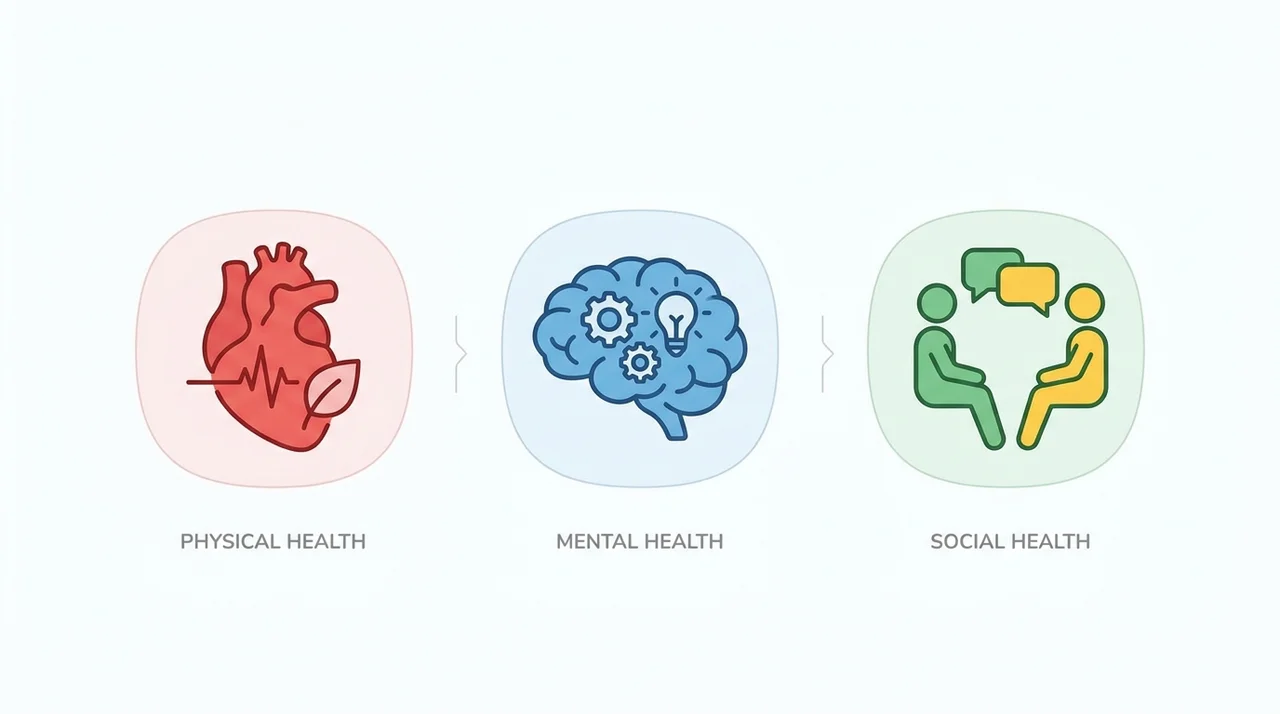
The World Health Organization (who) defines Health as a State of Complete Physical, Mental, and Social Well-Being, Not Just the Absence of Disease. That’s a Big Deal, Because it Means Health Covers a Lot More than Your Body.
Here’s Something Many People Don’t Know: You can Have a Chronic Condition and Still be Considered Healthy. if You’re Managing it Well, Staying Active, and Feeling Good Mentally and Socially, that Counts.
Physical Health: Body Function and Disease Prevention
Physical Health is About how Well Your Body Works.
It Includes Things Like:
- Your Heart, Lungs, and Muscles are Functioning Properly
- Getting Enough Sleep and Eating Balanced Meals
- Staying Active and Going for Regular Health Checkups
- Recovering Well from Illness or Injury
You Don’t Need to be an Athlete to Have Good Physical Health. You Just Need Your Body Doing Its Job without Too Much Struggle.
Mental Health: Thoughts, Stress, and Emotional Balance
Mental Health is About how You Think, Feel, and Handle Stress.
It Affects:
- How You Process Emotions and Setbacks
- How Well You Concentrate and Make Decisions
- Your Ability to Manage Anxiety, Pressure, or Sadness
Poor Mental Health Doesn’t Always Look Obvious. Someone can Seem Fine on The Outside and Still be Struggling Inside.
Social Health: Relationships and Community
Social Health is Often Overlooked, but it Matters a Lot.
It’s About:
- The Quality of Your Relationships with Family and Friends
- Feeling Connected to a Community or Group
- Being Able to Communicate and Set Boundaries
Loneliness and Isolation can Damage Your Health Just as Much as a Physical Illness. Strong Social Ties Actually Help People Live Longer.
What Is Wellness and What Does It Include?
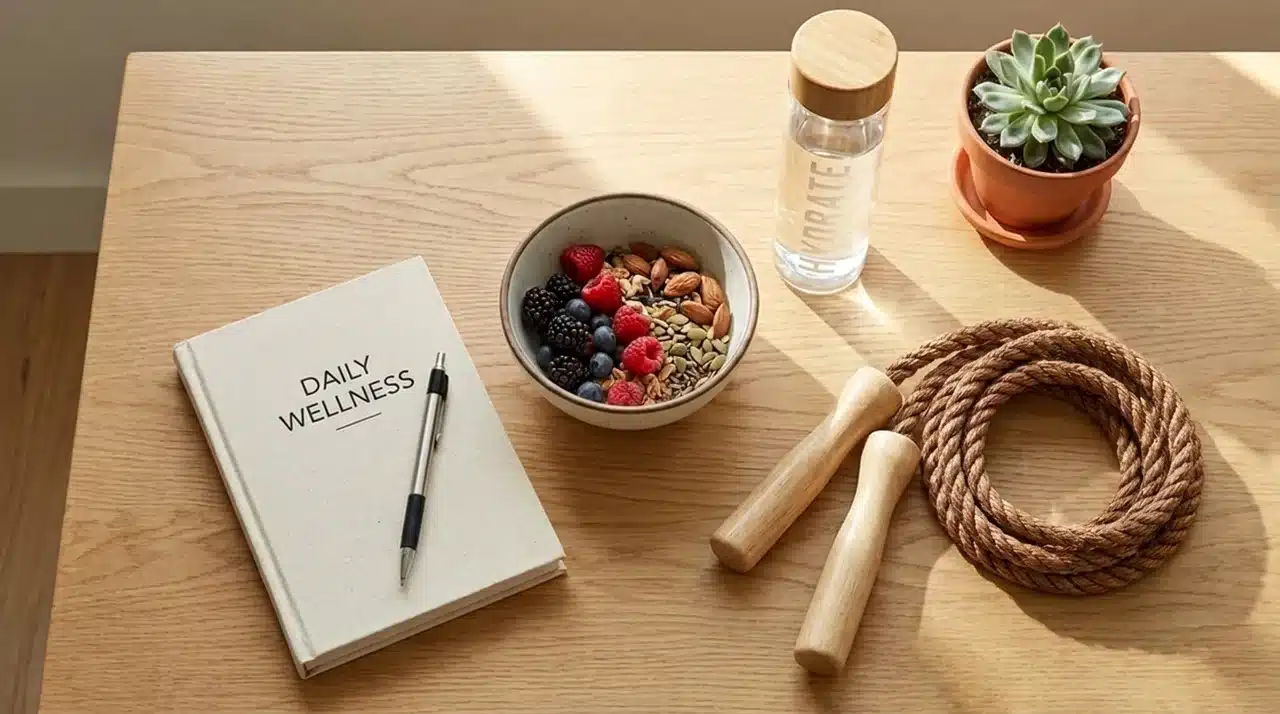
Wellness is a Set of Choices and Habits. It Changes Based on Your Lifestyle, Goals, and Circumstances.
There’s No Single List that Works for Everyone.
Physical Wellness: Exercise and Nutrition
Physical Wellness Means Taking Active Steps to Care for Your Body.
This Includes:
- Moving Your Body Regularly, Even Just Walking
- Eating Food that Gives You Energy and Nutrients
- Avoiding Habits that Wear Your Body Down Over Time
It’s Not About Being Perfect. It’s About Being Consistent.
During midlife, understanding and addressing perimenopause-related cramps through nutrition, gentle movement, and appropriate medical guidance can strengthen your wellness routine—see menopause cramping explained for causes, evidence-based treatments, and signs that indicate it’s time to see a doctor.
Emotional Wellness: Managing Your Feelings
Emotional Wellness is Your Ability to Understand and Handle Your Emotions.
It Means:
- Recognizing when You’re Stressed or Overwhelmed
- Finding Healthy Ways to Process Difficult Feelings
- Not Letting Emotions Pile up Until They Break You Down
Journaling, Talking to Someone, or Even Just Stepping Outside can Help Here.
Mental Wellness: Learning, and Thinking
Mental Wellness is About Keeping Your Mind Active and Sharp.
It Involves:
- Reading, Learning New Things, or Solving Problems
- Challenging Your Brain in Ways that Feel Meaningful
- Taking Breaks so Your Mind Doesn’t Burn Out
Social Wellness: Building Strong Relationships
Social Wellness is the Effort You Put Into Your Connections with Others.
This Looks Like:
- Reaching out to Friends and Family Regularly
- Setting Boundaries in Relationships that Drain You
- Being Present in Conversations Instead of Being Distracted
Lifestyle Areas: Work, Environment, and Purpose
Wellness Also Includes the Bigger Picture of Your Life.
This Covers:
- Having a Sense of Purpose or Meaning in What You do
- Living and Working in Environments that Support You
- Finding a Balance Between Rest, Work, and Personal Time
These Areas Vary a Lot from Person to Person. That’s Why Wellness is Self-Driven, No One Version Fits Everyone.
How Do Health and Wellness Work Together in Real Life?
Health and Wellness Don’t Exist in Separate Boxes. They Feed Into Each Other Constantly.
The Way it Works is a Cycle. Your Daily Habits Shape how Your Body and Mind Respond. Those Responses Accumulate Over Time, Affecting Your Long-Term Health.
And Your Health Level Affects how Well You can Maintain Good Habits.
How Daily Habits Affect the Body
Every Small Choice Adds Up. when You:
- Sleep 7–8 Hours → Your Brain Clears Waste, Your Immune System Resets
- Eat Vegetables Regularly → Your Gut Bacteria Stay Balanced, Inflammation Drops
- Walk 20 Minutes a Day → Your Heart Gets Stronger, Your Mood Improves
None of These Feels Dramatic in The Moment. but Repeated Over Weeks and Months, They Change Your Baseline.
Short-Term vs Long-Term Impact
This is Where Most People Get Confused. Wellness Habits Feel Slow. You Don’t Notice Them Working Right Away.
- Short-Term: You Might Feel Slightly More Energetic After a Week of Better Sleep
- Long-Term: After Months, Your Blood Pressure Drops, Your Focus Improves, and You Get Sick Less Often
The Same Works in Reverse. Skipping Sleep Once Won’t Hurt You. Doing it for Years Absolutely Will.
Positive vs Negative Cycles
Good Wellness Habits Create a Positive Feedback Loop:
Good Sleep → Better Energy → Easier to Exercise → Less Stress → Better Sleep
But Unhealthy Habits Create a Negative Loop Too:
Poor Diet → Low Energy → No Motivation to Move → Weight Gain → Harder to Sleep → Poorer Diet
Both Cycles are Self-Reinforcing. That’s Why Starting Small Matters, Even One Change, can Begin to Shift the Loop.
Conclusion
Health and Wellness Aren’t Complicated, but They are Easy to Ignore until Something Goes Wrong. Health is Your Current State of Physical, Mental, and Social Well-Being.
Wellness is the Daily Effort that Keeps that State Strong. They Work Together in a Constant Cycle, Your Habits Shape Your Health, and Your Health Affects Your Ability to Maintain Good Habits.
You Don’t Need a Major Lifestyle Overhaul to Start. One Better Meal, One Earlier Bedtime, One Honest Conversation, Small Actions Build Real Results Over Time.
Understanding What Health and Wellness are is the First Step. Acting on that Understanding is What Actually Changes Things.
Got Thoughts or Questions About Health and Wellness? Comment Down Below, Would Love to Hear from You.
Frequently Asked Questions
Can Stress Alone Affect Your Physical Health?
Yes. Chronic Stress Raises Cortisol Levels, Disrupting Sleep and Weakening the Immune System. It is Directly Linked to High Blood Pressure, Digestive Issues, and Slower Recovery. Long-Term Stress Increases Heart Disease Risk. Managing it is Not Optional, it is a Core Part of Physical Health.
How Much Sleep Do You Actually Need for Good Health?
Most Adults Need 7 to 9 Hours of Sleep Nightly. Sleeping Under Six Hours Raises the Risk of Obesity, Diabetes, and Heart Disease. Sleep is when The Body Repairs Tissue, Regulates Hormones, and Resets the Immune System. It is Not Downtime, it is Essential Recovery.
At What Age Should You Start Focusing on Wellness?
Wellness habits are most effective when started early, but beneficial at any age. Teenagers who build healthy routines carry them into adulthood. Starting in your twenties gives your body more time to benefit. Even beginning in your fifties can meaningfully reduce long-term health risks.