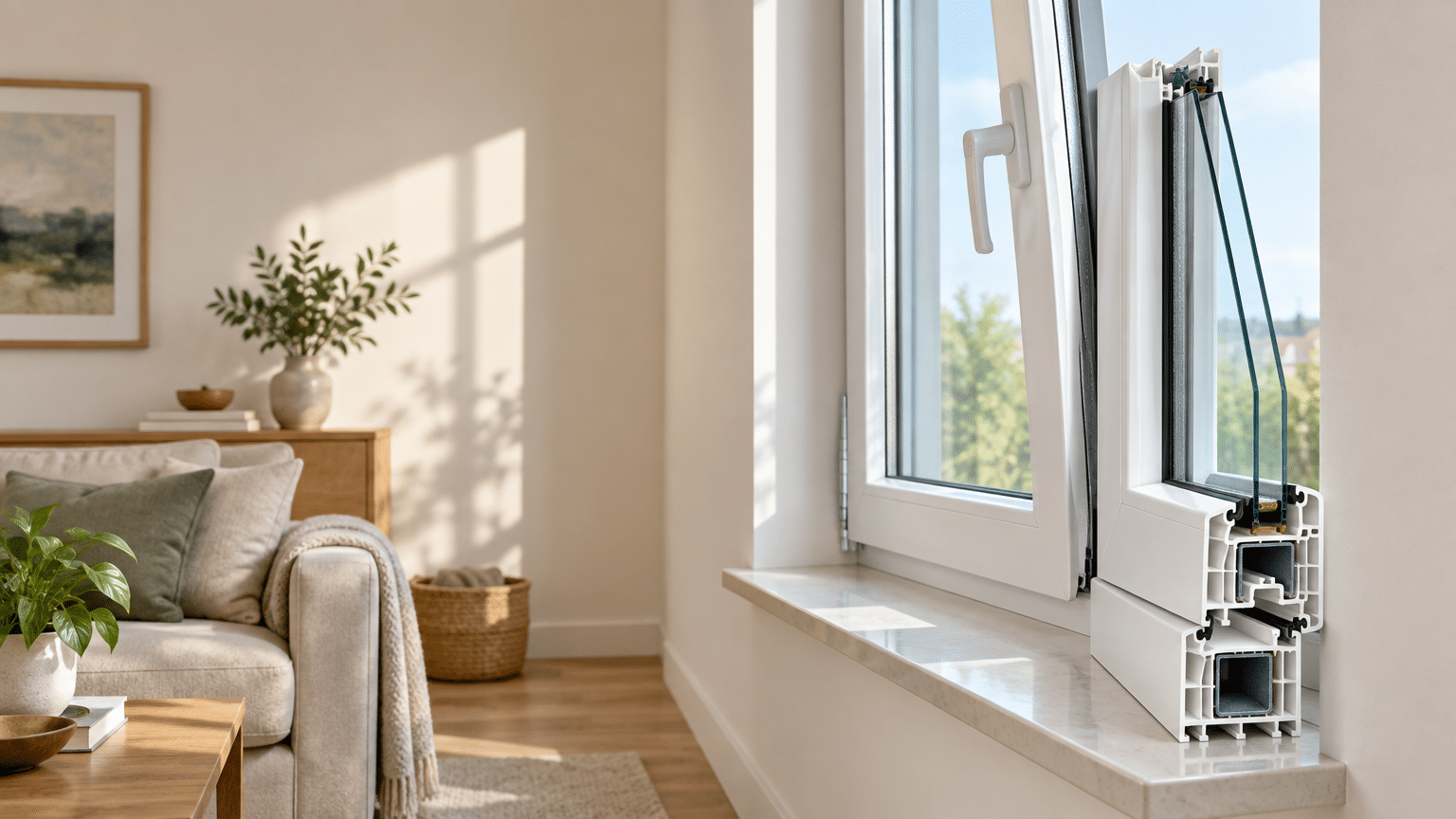


The most eco-friendly room in your home might be the one you have not touched yet.
That single idea quietly flips everything most people assume about sustainable interior design, that it starts with a shopping list, a renovation, or a bigger budget. It does not.
It starts with how a space is approached, what it is built from, and how long it is expected to last.
The choices that actually move the needle are often the smallest ones, hiding in plain sight on walls, floors, and furniture already in use.
What follows is a closer look at where those choices truly come from.
What Is Sustainable Interior Design?
Sustainable interior design is an approach to decorating and furnishing indoor spaces that reduces harm to the planet and supports the health of the people inside.
It considers the full lifecycle of every element: where a material comes from, how it’s made, how long it lasts, and what happens once it’s no longer in use.
The term is often confused with “green design,” but the two are not the same.
Green design focuses on solving immediate environmental concerns, such as cutting energy use or avoiding toxic finishes.
Sustainable design takes a wider view, looking at carbon footprint, indoor air quality, durability, and resource efficiency as parts of one connected system.
Core Principles of Sustainable Interior Design
Sustainable interiors are built on a handful of guiding ideas that shape every decision, from the paint on the walls to the sofa in the living room.
Below are the six principles that hold it all together:
1. Use Less and Keep What You Already Own
The most overlooked principle is also the most effective. Studies on embodied carbon show that producing new furniture and finishes drives the bulk of an interior’s footprint, so extending the life of existing pieces beats buying new every time.
2. Energy Efficiency
Lighting, heating, cooling, and appliances account for most of a home’s operational emissions.
Choosing LED bulbs, ENERGY STAR-rated devices, and layouts that maximise daylight can cut energy demand sharply without changing the look of a space.
3. Low-Impact, Non-Toxic Materials
Many conventional finishes release volatile organic compounds (VOCs) that linger in indoor air.
Picking certified low-emission paints, adhesives, and textiles improves air quality while reducing the chemical load tied to manufacturing and disposal.
4. Durability and Timelessness
Trend-driven decor fuels a constant cycle of replacement and waste.
Investing in well-made, classic pieces with solid-wood frames, neutral upholstery, and quality joinery keeps interiors relevant for decades and avoids the landfill cost of fast furniture. Browsing independent home decor stores that prioritise craftsmanship over trends is a good place to start.
5. Circularity
Circular design treats waste as a flaw, not a given. It favors materials that can be reused, repaired, or recycled, and supports practices such as reupholstering, modular construction, and design for disassembly to keep resources in use longer.
6. Biophilic Connection
Biophilic design brings nature indoors through plants, natural light, organic textures, and views of greenery.
A 2024 study published in PMC found that exposure to biophilic interiors improved psychological wellbeing and reduced stress responses, making it a sustainability win for both occupants and the planet.
Sustainable Interior Design Materials: What to Choose, What to Skip
Materials shape the bulk of a home’s environmental footprint, from sourcing to disposal. Knowing which ones to pick and which to avoid makes every design decision count.
Here are the choices worth making:
Better choices:
- Bamboo (flooring, furniture)
- Reclaimed wood
- FSC-certified timber
- Cork
- Recycled glass
- Recycled metal
- Natural linoleum
- Organic cotton, hemp, linen
- Mycelium “leather” (newer, underused angle)
- Low-VOC / zero-VOC paints
- Recycled-content carpet (e.g., ECONYL-style)
Watch out for:
- Vague “eco” claims with no certification
- Cheap vinyl flooring (hidden VOCs)
- Uncertified tropical hardwoods
- “Green” labels with no third-party backing
Sustainable Interior Design Certifications
Not every “eco” sticker on a product means much. The labels below are backed by independent organizations that test and verify what brands claim.
Use this table as a quick reference before any big purchase:
| Certification | What It Covers | Why It Matters |
|---|---|---|
| FSC (Forest Stewardship Council) | Wood, paper, and timber-based products | Confirms the wood comes from forests managed in a responsible way, with protections for wildlife and local communities |
| GREENGUARD / GREENGUARD Gold | Furniture, flooring, paints, and finishes | Tests products for chemical emissions and indoor air pollutants, with Gold being the stricter version for sensitive spaces like bedrooms and schools |
| Cradle to Cradle Certified | Building materials, textiles, and furniture | Rates products on five areas including material safety, recyclability, and ethical manufacturing |
| OEKO-TEX Standard 100 | Fabrics, bedding, curtains, and upholstery | Verifies textiles are free from harmful substances at every stage of production |
| GOTS (Global Organic Textile Standard) | Organic cotton, linen, and other natural fibres | Covers both the organic status of the fibre and the social and environmental conditions of how it was made |
| ENERGY STAR | Appliances, lighting, and electronics | Identifies products that meet strict energy-efficiency standards set by the U.S. EPA |
| WaterSense | Faucets, showerheads, toilets | Marks fixtures that use at least 20% less water without losing performance |
| LEED (Leadership in Energy and Environmental Design) | Whole buildings and large interior projects | A widely used green building rating system that scores spaces on energy, water, materials, and indoor quality |
| WELL Building Standard | Interior environments focused on people | Measures how a space supports human health through air, light, comfort, and mental wellbeing |
Room-by-Room Sustainable Interior Design Ideas
Every room in a home plays by slightly different rules when it comes to sustainability. The fixes that work in a kitchen are not the same ones that fit a bedroom.
Here is a quick walk through each space:
1. Living Room
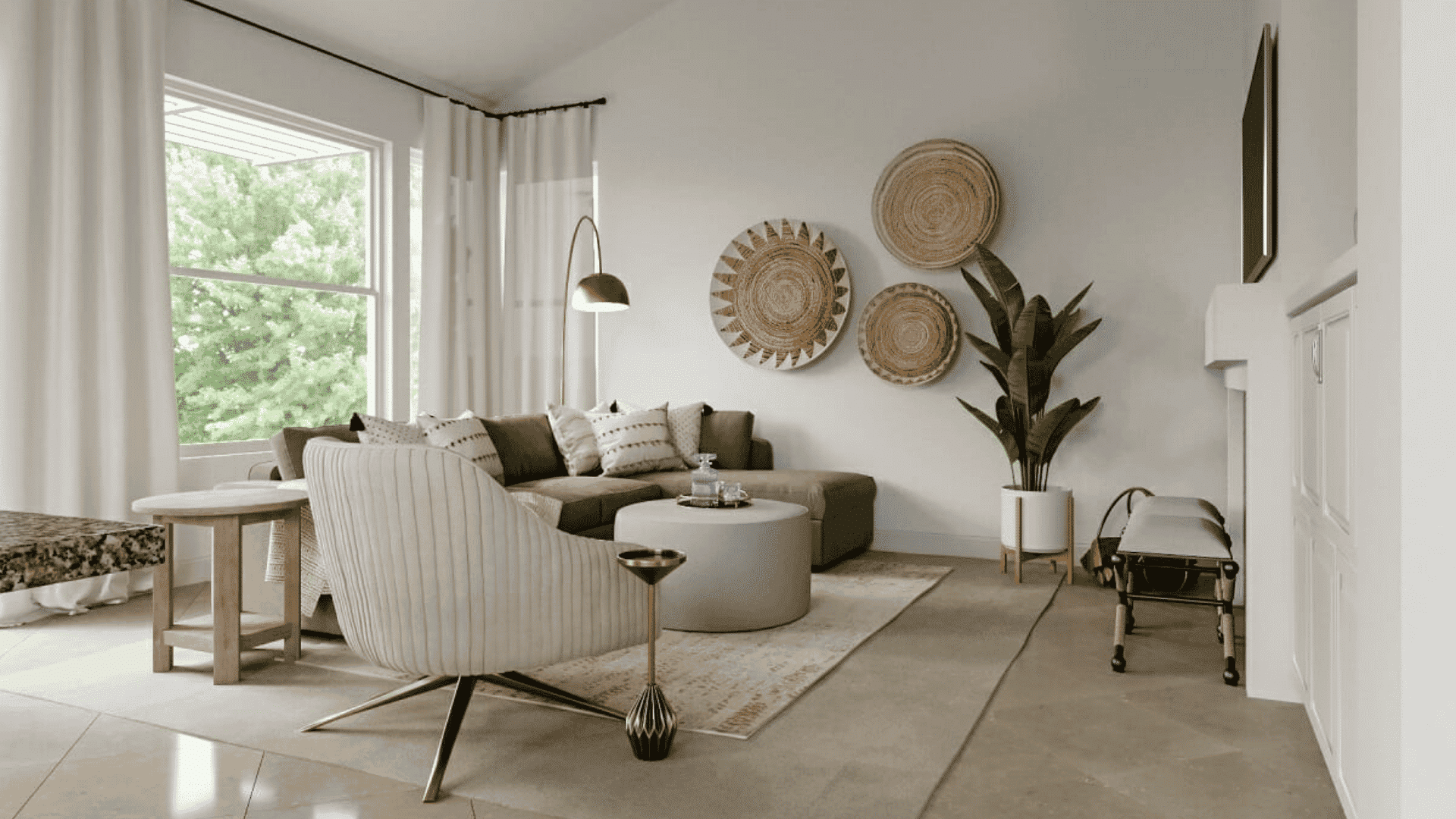
The living room sees the most daily use, so durability and comfort matter most. A secondhand sofa with a solid frame, a wool or jute rug, and walls finished in low-VOC paint cover the basics.
Layered LED lighting on dimmers cuts energy use, while keeping the layout open lets daylight reach further into the room.
2. Bedroom
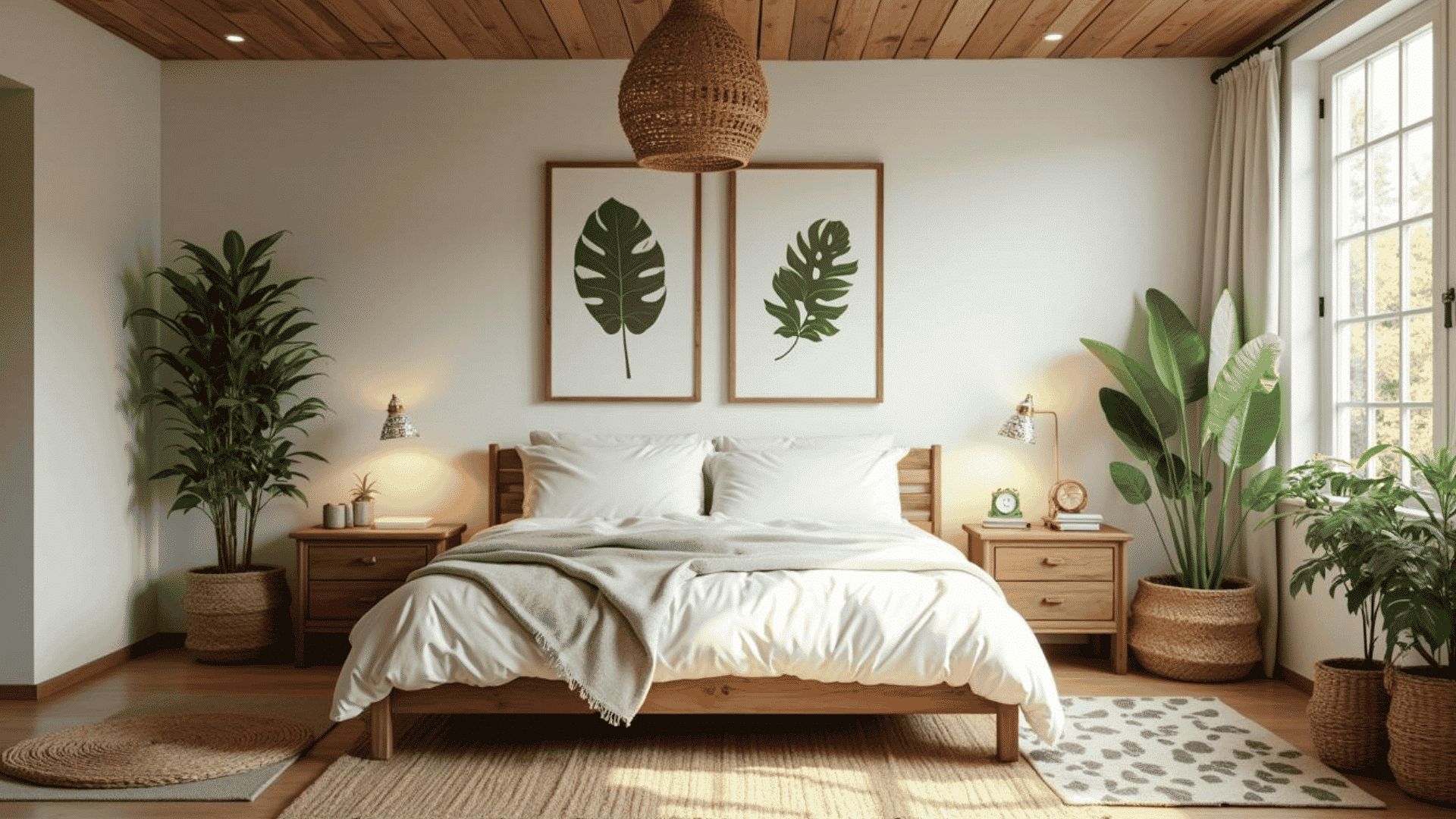
Bedrooms are where indoor air quality matters most, since people spend hours breathing it in while asleep.
Organic cotton or linen bedding, an FSC-certified bed frame, and chemical-free mattresses make a real difference.
Heavy curtains help with insulation in both warm and cold weather, lowering the load on heating and cooling systems.
3. Kitchen
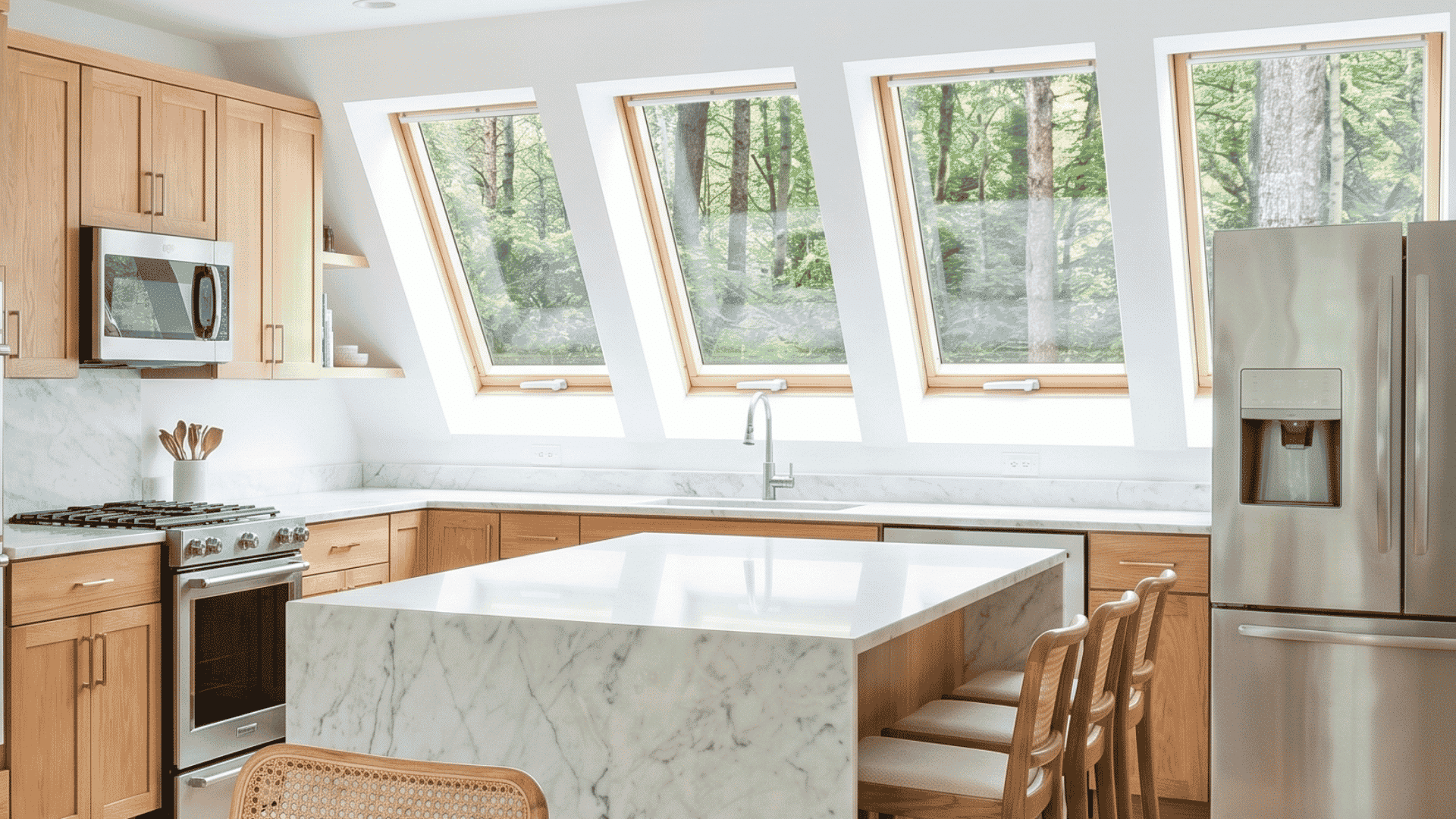
Kitchens are the biggest energy and water users in the home. ENERGY STAR-rated appliances, an induction cooktop, and a dishwasher used at full loads bring usage down sharply.
Recycled-glass countertops, FSC cabinetry, and a small composting bin under the sink turn an everyday space into one of the most impactful rooms to upgrade.
4. Bathroom
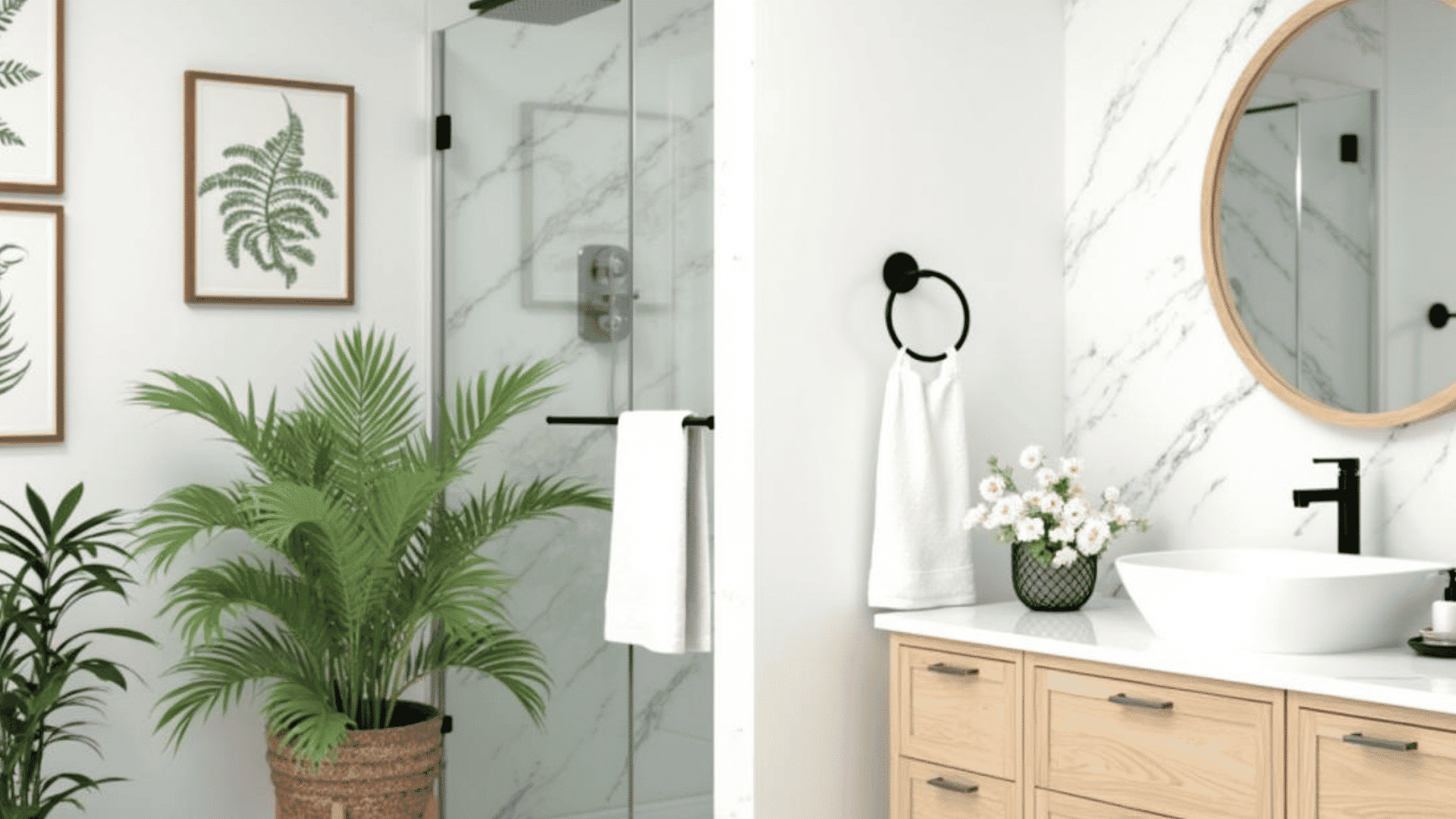
Bathrooms waste more water than any other room when fixtures are outdated.
Low-flow showerheads, dual-flush toilets, and aerated faucets can cut water use by nearly half.
Cork bath mats, recycled-content tiles, and refillable soap and shampoo dispensers reduce both plastic waste and the chemical load running into the drain.
5. Home Office
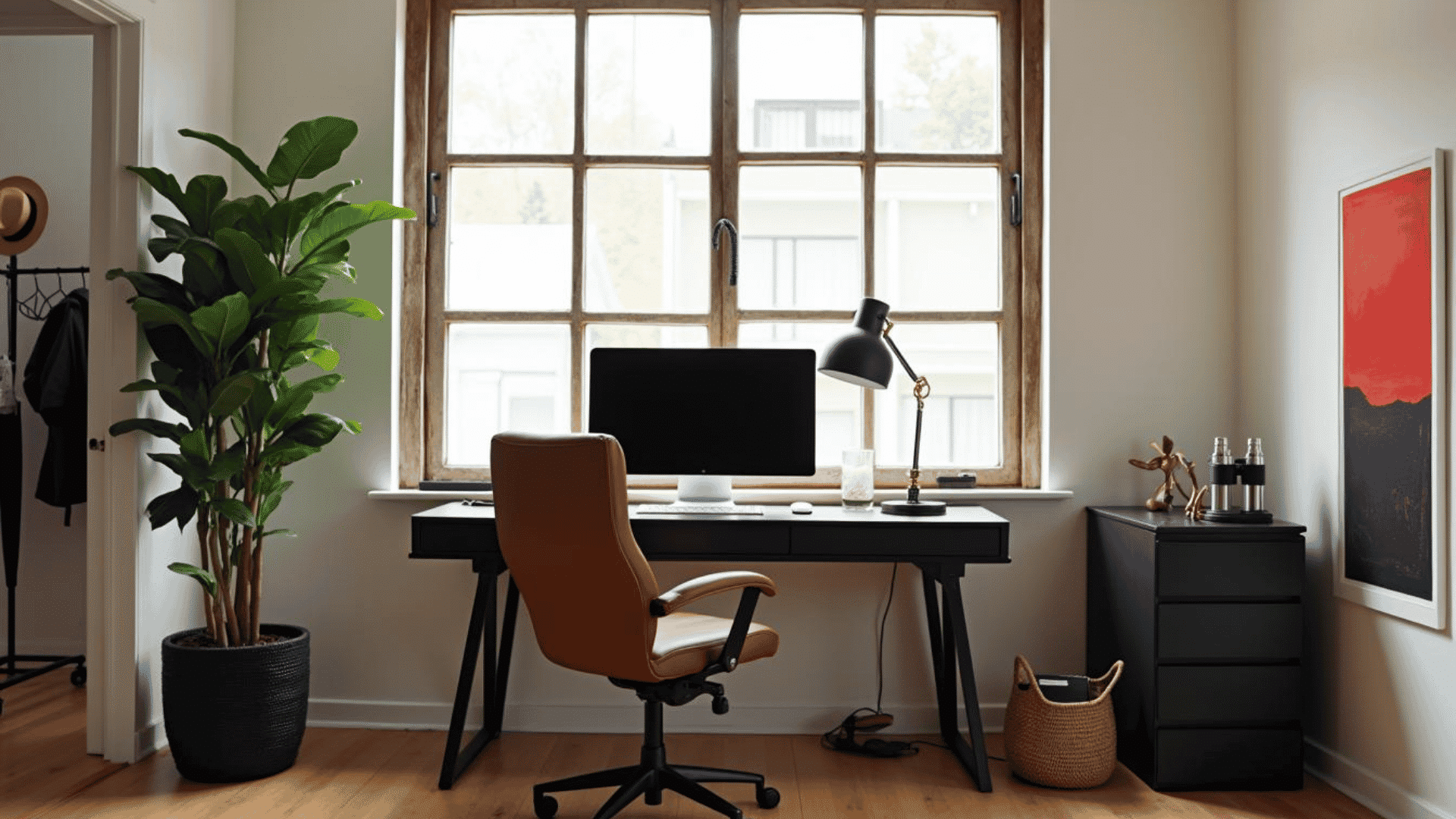
A home office runs longer hours than people realise, with screens, lights, and chargers drawing power all day.
Position the desk near a window to lean on natural light, plug devices into a smart power strip to cut phantom energy use, and pick a refurbished or secondhand chair built to last instead of a flat-pack option.
6. Outdoor Space or Balcony
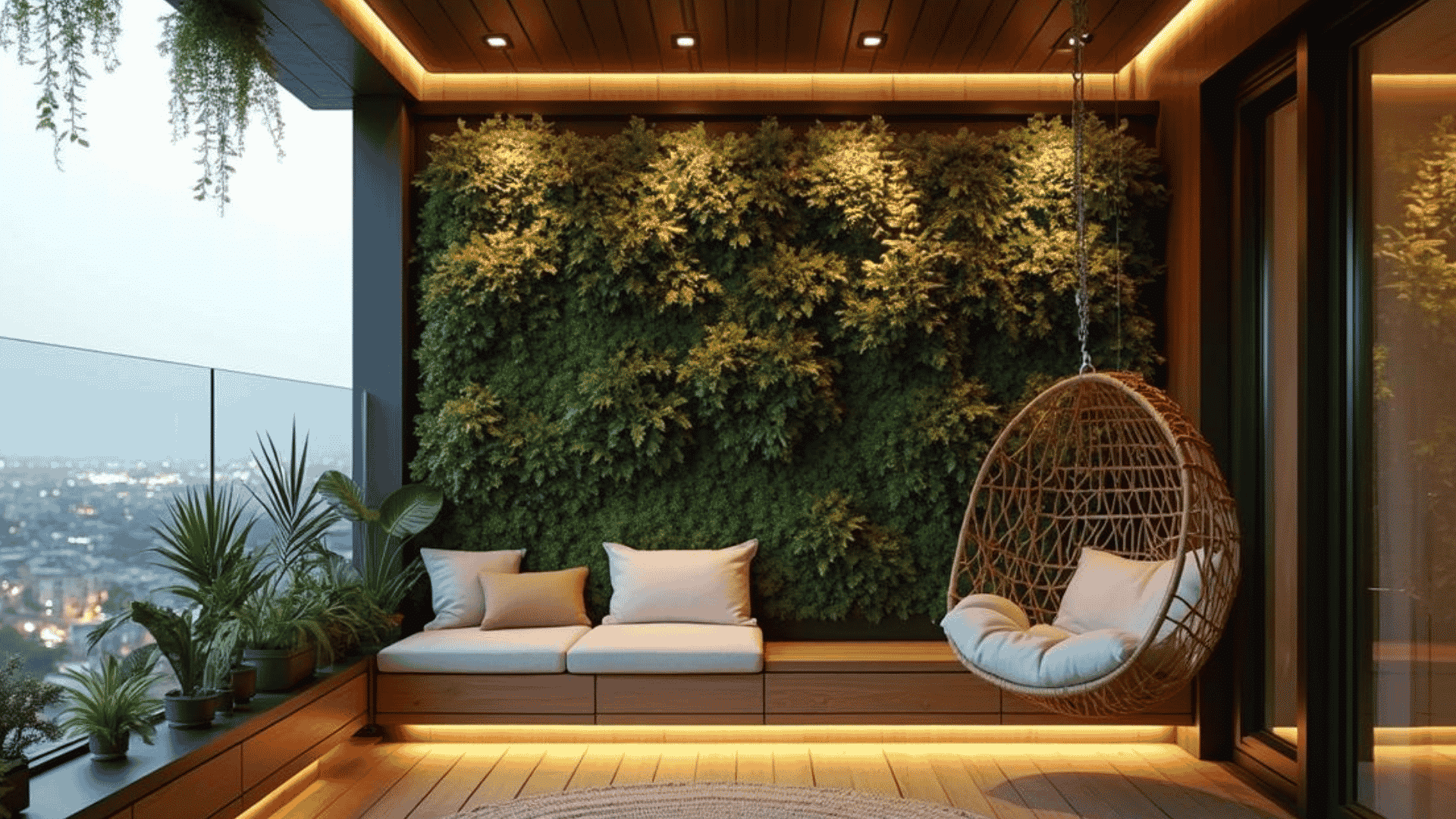
Outdoor areas are often left out of sustainability conversations, but they offer some of the easiest wins.
Native plants need less water and support local pollinators, while recycled-plastic or terracotta planters skip virgin materials.
Solar string lights, a compost corner, and reclaimed-wood seating turn even a small balcony into a low-impact extension of the home.
Sustainable Interior Design on a Budget
Going green does not need a full renovation budget. Here’s what fits into three clear spending tiers, from zero-cost habits to bigger investments.
| Under $50 |
|
| $50 to $500 |
|
| $500 and above |
|
Which Sustainable Interior Design Trends Are Defining 2026?
This year is shifting the focus from “looking eco” to actually being eco.
Warm minimalism is taking over, with fewer but better-made pieces replacing cluttered layouts.
Modular furniture that can be taken apart, repaired, or repurposed is gaining ground, alongside bio-based materials like mycelium panels and seaweed textiles.
Smart home tech is making energy tracking simple, while hyper-local sourcing and rental furniture services are quietly reshaping how people furnish their homes.
Small Choices, Lasting Impact
Sustainable interior design is less about overhauling a home and more about rethinking how each part of it earns its place.
From the principles that guide every decision to the materials, certifications, and room-by-room tweaks that bring those ideas to life, every layer adds up.
A budget-friendly swap here, a biophilic touch there, a piece of furniture kept for another decade, none of it looks dramatic on its own, yet together they shape interiors that feel calmer, breathe cleaner, and tread lighter on the planet.
The trends moving into 2026 only sharpen that direction, pulling design closer to genuine impact and away from surface-level claims.
What is one sustainable change you have made or hope to make in your space? Share it in the comments below.
Frequently Asked Questions
What is the 3-5-7 Rule in Interior Design?
The 3-5-7 rule is a styling guide that suggests arranging decor items in odd-numbered groups of three, five, or seven. Odd numbers feel more natural to the eye and create visual balance.
What are the Three F’s of Interior Design?
The three F’s stand for Function, Flow, and Feel. Function defines how a space is used, flow shapes how people move through it, and feel captures the mood and atmosphere it creates.
How can I Make My Home Look Expensive?
Stick to a tight colour palette, layer lighting at different heights, add quality textures like linen and wood, declutter ruthlessly, and invest in one or two statement pieces instead of many cheap ones.