


A powerful voice can fill a room, but it can’t always hide what’s breaking behind it.
Shirley Manson built a career on intensity, attitude, and raw expression, becoming one of the most recognizable faces in alternative rock and a quiet icon within dark alternative fashion movements.
But behind the stage presence and global success, her journey has been shaped by struggles that rarely get the same spotlight, much like other alt-rock acts whose genre labels stay debated online.
From early emotional scars to physical pain, from silent battles with mental health to public pushback against ageism, her story goes far beyond music.
Each phase of her life has left a mark, not just on her career, but on the way she speaks, creates, and shows up today.
Shirley Manson: Quick Facts
| Category | Details |
|---|---|
| Full Name | Shirley Ann Manson |
| Date of Birth | August 26, 1966 |
| Age | 59 years (as of 2026) |
| Birthplace | Edinburgh, Scotland, UK |
| Nationality | Scottish |
| Profession | Singer, Songwriter, Musician, Actress |
| Known For | Lead vocalist of Garbage |
| Vocal Range | Contralto |
Shirley Manson’s Early Life
Before the stage lights and global fame, Shirley Manson’s early years were shaped by emotional challenges that left a lasting mark.
During her school years, she faced frequent bullying that made her feel like an outsider, an experience shared by many young stars including the Wednesday actress and her early roles.
The constant criticism and isolation affected her confidence early on, creating struggles with self-worth that followed her into adulthood.
Amid that isolation, music became her escape. It gave her a way to express what she couldn’t say out loud and helped her make sense of difficult emotions.
That connection to music later became the backbone of her career.
Health Battles That Changed Her Career Path
Fame didn’t shield Shirley Manson from real struggles. Both physical pain and mental health challenges forced her to slow down and rethink everything from touring to creativity.
Physical Struggles And Career Interruptions
Serious hip issues made movement difficult and, at times, left her struggling to walk. Live shows and touring schedules took a hit as her body demanded rest.
Recovery wasn’t quick. Medical care, downtime, and lifestyle changes became necessary, pushing her to step back and approach work at a slower, more sustainable pace.
Shirley’s Mental Health Journey
Behind the stage presence, there were intense periods of depression. She has described feeling trapped in a dark mental space, even during successful phases of her career.
She later spoke openly about suicidal thoughts, turning personal pain into public awareness. Her honesty helped challenge stigma and encouraged more open conversations around mental health.
How She Dealt With Menopause, Aging, And Industry Pressure?
She didn’t stay silent about changes that many public figures avoid. Instead, she addressed them directly, turning personal experience into something bigger.
Shirley Manson spoke openly about menopause, sharing both physical shifts and emotional highs and lows.
As she got older, criticism followed. She pushed back against the idea that female artists have an “expiry date,” refusing to adjust her image or voice to fit industry expectations.
Career Breaks, Creative Disruptions, And Music Shaped By Pain
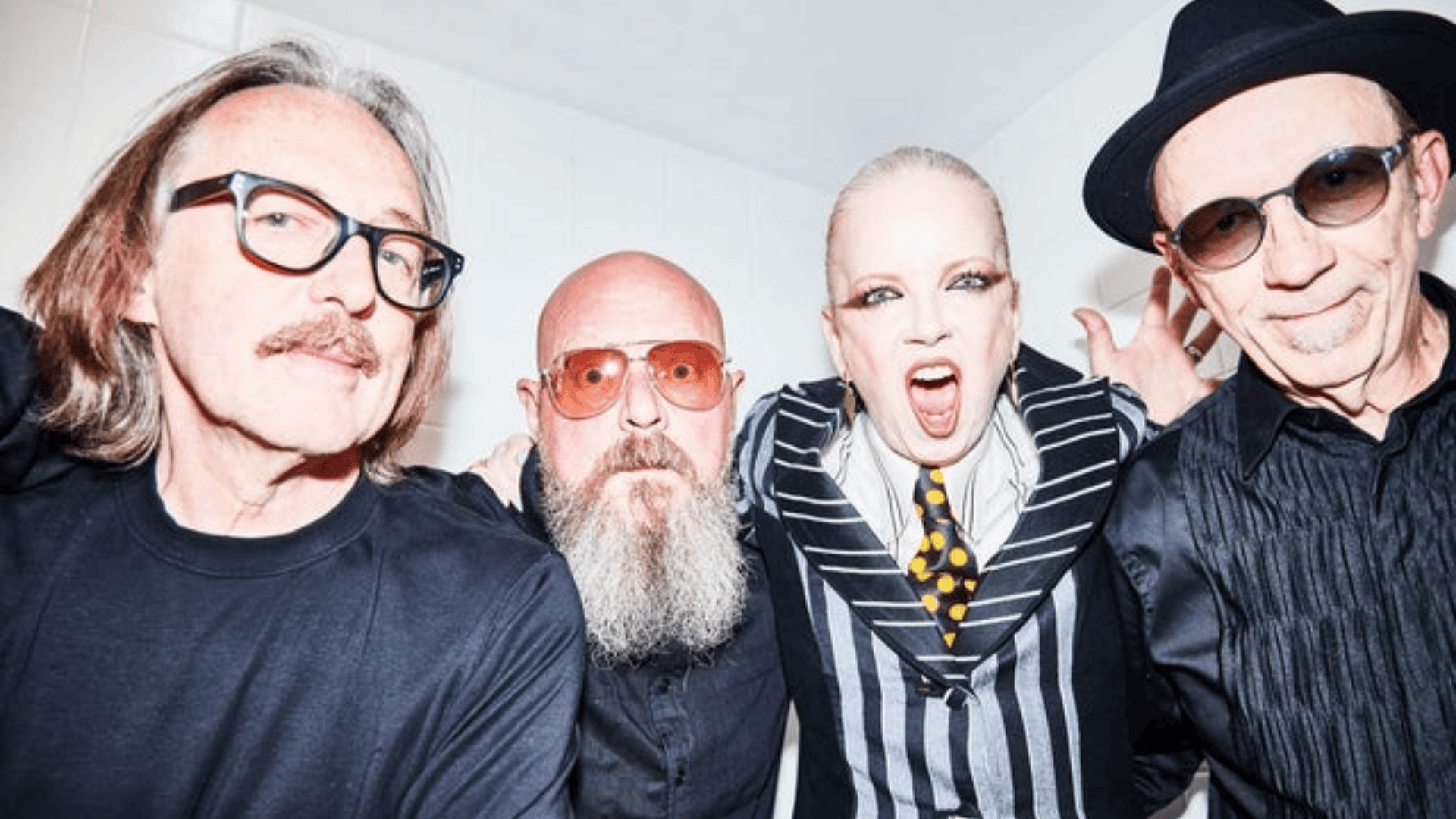
Source: Ticketmaster
Health struggles didn’t stay behind the scenes. They directly influenced both the pace and direction of Shirley Manson’s career.
Stepping Away From Garbage
Physical injuries and emotional strain forced her to step back from the band at different points. These breaks slowed creative output but gave her space to recover and reset. Time away became necessary, not optional.
Her return showed a clear shift. She came back more self-assured and selective about her work.
Using Her Platform For Awareness
Her work grew more personal as life experiences shaped both her music and her voice.
- Her work had deeper themes of pain, survival, and resilience
- Honest lyrics in her songs strengthened emotional connection
- She openly had conversations on mental health and suicide prevention
Where Does Shirley Manson Stand Today?
After years of setbacks, she hasn’t stepped back. Her presence feels stronger, sharper, and far more direct than before.
Her Health, Stability, And Growth:
- She has a more grounded approach to health that now shapes daily life
- Her clear focus is on the balance between physical strength and mental well-being
- Past struggles haven’t slowed her down; they’ve changed how she moves forward
- Still active in music, still performing, still creating without hesitation
A Voice That Still Cuts Through Noise:
- She speaks openly, without softening opinions to fit expectations
- She challenges ideas around age, image, and industry pressure
- Refuses to play by rules that don’t align with her identity
- Shirley Manson connects across generations through honesty that feels real and unfiltered
Her voice doesn’t compete for attention. It commands it.
Conclusion
Shirley Manson’s story goes beyond setbacks. It shows her toughness, honesty, and the strength to speak up when it matters most.
Her struggles didn’t end her journey; they reshaped it and gave her voice more depth and impact.
By opening up about mental health, aging, and personal challenges, she continues to challenge norms and stay relevant across generations.
Which part of her journey stood out to you the most?
Share your thoughts in the comments below.
Frequently Asked Questions
How Rich is Shirley Manson?
Shirley Manson has an estimated net worth of around $16 million as of 2025, earned mainly through her career with Garbage, acting, and podcasting.
What Are Some Fun Facts About Shirley Manson?
Her father was a biology teacher, her mother a singer.
Where Does Shirley Manson Live Now?
For much of her international career Manson commuted between her home city of Edinburgh to the United States to record with Garbage; she now lives and works in Los Angeles.