
The fashion industry is undergoing a major transformation, and independent artists are at the center of it. Over the past few years, artist-led fashion brands have exploded in popularity, fueled by creativity, social media, and the growing accessibility of print on demand (POD) technology. What once required large budgets, manufacturing contracts, and warehouse space can now be launched from a laptop with little upfront investment.
This shift has opened the doors for illustrators, graphic designers, digital creators, musicians, and influencers to turn their artistic vision into wearable fashion brands. More importantly, print on demand has allowed these creators to build businesses on their own terms while maintaining full creative control.
Today, artist-led fashion brands are no longer niche projects. They are becoming a defining force in modern streetwear, online fashion culture, and ecommerce.
Why Artist-Led Brands Are Thriving
Consumers are increasingly looking for authenticity in fashion. Instead of buying mass-produced designs from traditional retailers, shoppers want products that feel personal, unique, and connected to a creator or story.
Artist-led brands naturally deliver this experience. Every design reflects a distinct personality, artistic vision, or cultural influence. Whether it’s minimalist typography, anime-inspired illustrations, vintage aesthetics, or bold streetwear graphics, customers are drawn to fashion that feels original and emotionally connected to the creator behind it.
This growing demand has also opened new ways for artists to start making money. Instead of relying solely on commissions, freelance work, or gallery exposure, creators can now monetize their artwork through custom apparel and lifestyle products. Print on demand allows artists to transform digital designs into wearable fashion without managing inventory or production upfront.
Social media platforms have accelerated this trend dramatically. Instagram, TikTok, Pinterest, and YouTube allow artists to build loyal communities around their work long before launching products. Once creators establish an audience, turning that attention into a clothing brand becomes a natural and scalable next step.
This is where print on demand becomes essential.
How Print on Demand Changed the Fashion Industry
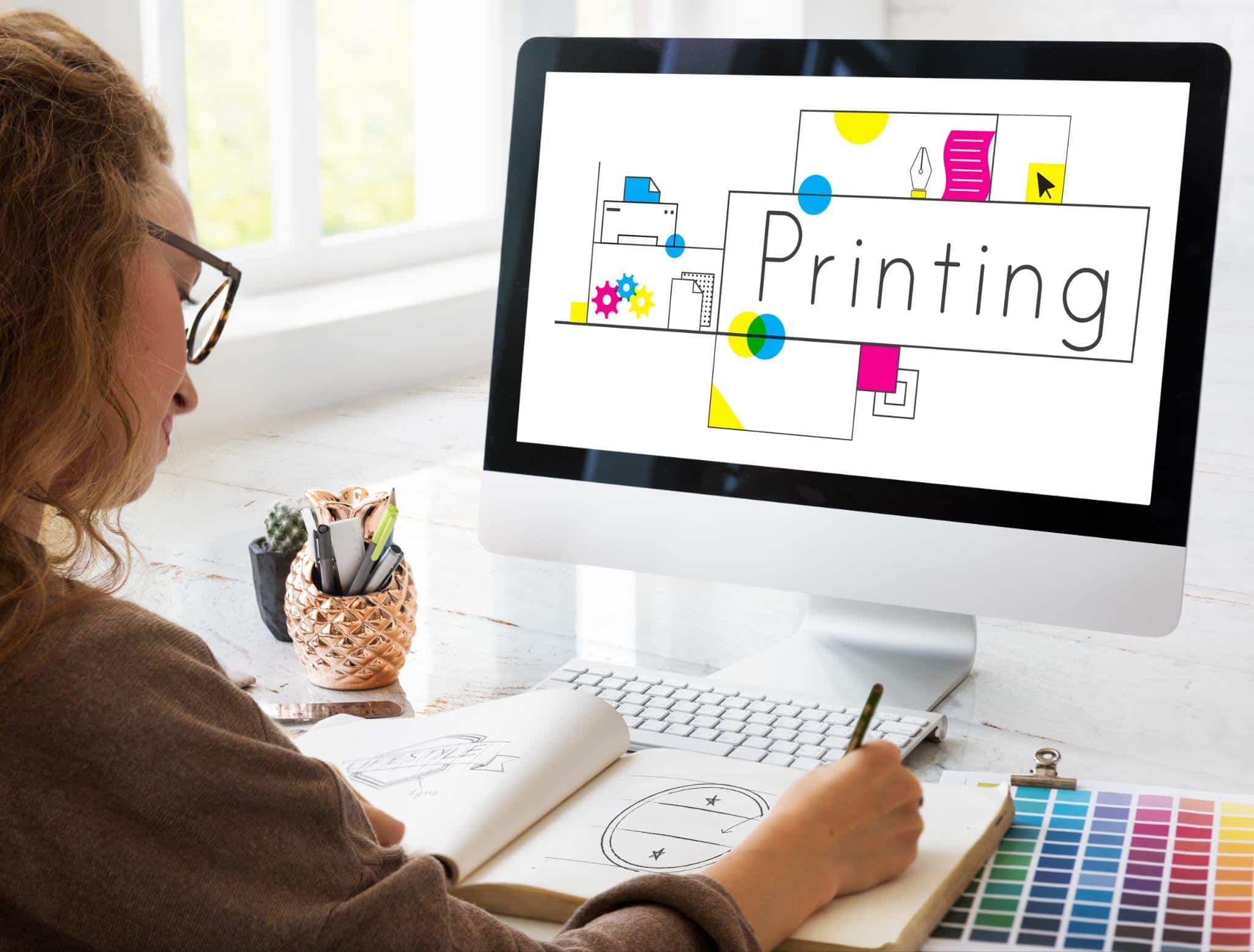
Traditionally, starting a fashion brand involved significant financial risk. Creators had to purchase inventory upfront, work with manufacturers, manage shipping logistics, and predict customer demand accurately. For most independent artists, these barriers made fashion entrepreneurship nearly impossible.
Print on demand completely changed the equation.
With POD, products are only produced after a customer places an order. This means creators no longer need to invest thousands of dollars into inventory or storage. Instead, they can focus on design, branding, and audience growth while fulfillment providers handle production and shipping.
The model is especially attractive for artist-led brands because it allows experimentation. Creators can launch new designs quickly, test niche aesthetics, and adapt to trends without the fear of unsold inventory.
As a result, print on demand has become one of the biggest drivers behind the rise of independent fashion brands worldwide.
The Appeal of Creative Freedom
One of the biggest reasons artists gravitate toward POD fashion is creative freedom.
Traditional fashion companies often rely heavily on market research and trend forecasting. Artist-led brands, however, thrive on individuality. Designers are free to create collections inspired by personal experiences, internet culture, underground art scenes, gaming communities, music, or social commentary.
This flexibility has led to the rise of micro-niche fashion brands with highly loyal audiences. Instead of appealing to everyone, these brands speak directly to specific communities and aesthetics.
For example, many successful POD stores focus entirely on:
- retro anime art
- skate culture
- minimalist fashion
- gothic aesthetics
- sustainable lifestyle themes
- meme-inspired apparel
- music fandoms
- digital art communities
Because print on demand removes inventory risk, creators can afford to serve these smaller but highly engaged audiences.
Streetwear and POD: A Perfect Match
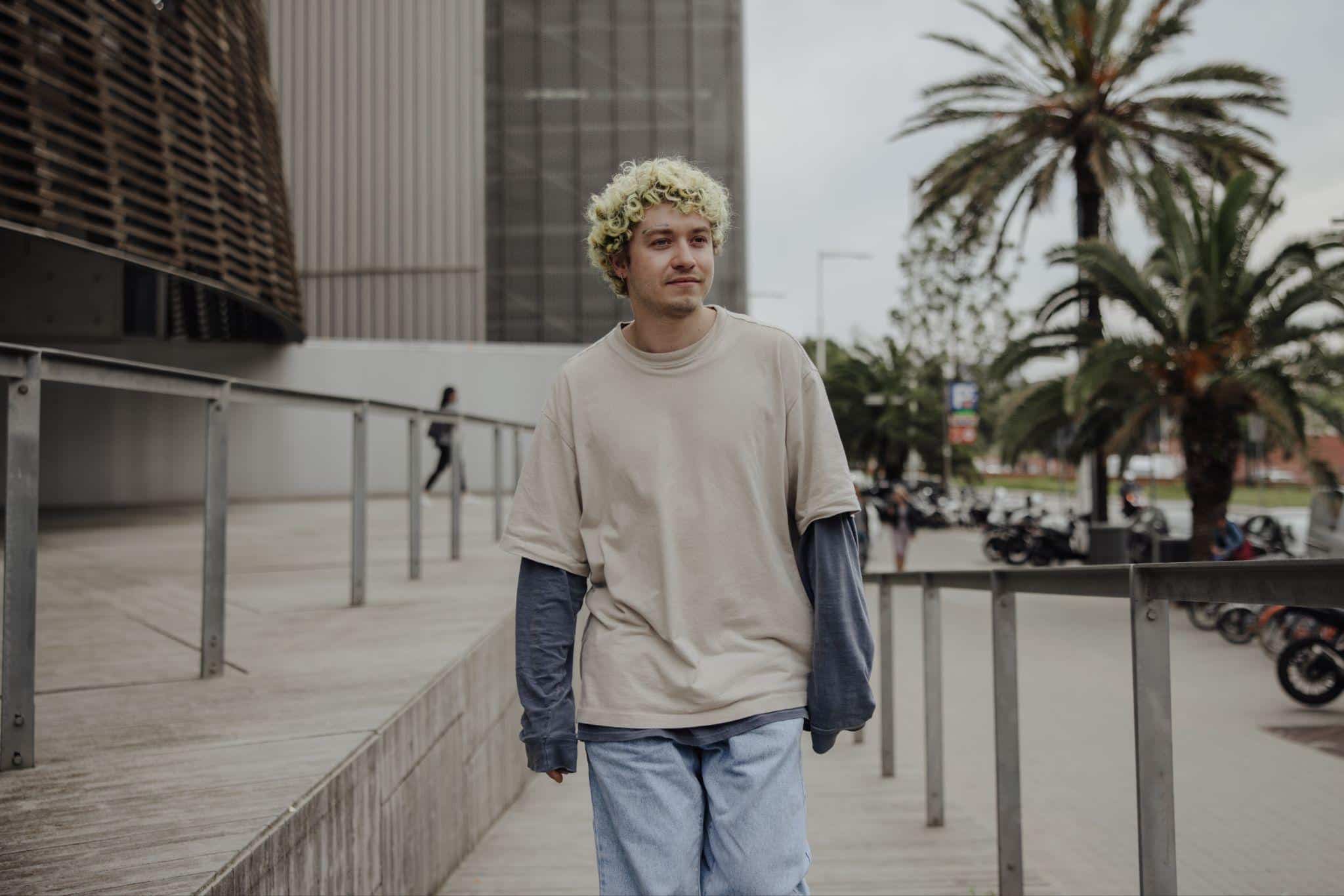
Streetwear culture has played a huge role in the growth of artist-led fashion brands.
Modern streetwear is built around exclusivity, identity, and storytelling — qualities that independent creators naturally excel at. Oversized tees, graphic hoodies, embroidered caps, and washed vintage apparel have become staples for POD-driven brands.
Limited drops and small collections are especially effective in this space. Artists can release exclusive designs in short time windows, creating urgency and hype without needing large production runs.
Many creators also blend fashion with content creation. They document the design process, share behind-the-scenes content, and involve followers in creative decisions. This makes customers feel like part of the brand rather than just buyers.
The result is a more personal and community-driven approach to fashion.
Sustainability and the Shift Away From Fast Fashion
Another factor contributing to the rise of POD fashion is sustainability awareness.
Consumers are becoming more critical of fast fashion and overproduction. Traditional retail models often create excess inventory that eventually ends up discounted or discarded. Print on demand offers a more sustainable alternative because products are created only after they are purchased.
While POD is not perfect, the made-to-order model significantly reduces waste compared to mass manufacturing.
Artist-led brands often align naturally with this mindset. Independent creators tend to focus more on quality, intentional design, and smaller collections rather than constantly pushing large seasonal inventories.
This shift resonates strongly with younger consumers who value both creativity and responsible consumption.
The Role of Printify and Printful in the POD Boom
The rapid growth of artist-led fashion brands would not be possible without the evolution of modern POD platforms. Among the leading providers in the industry, Printify and Printful have become two of the most recognized and trusted names.
Both platforms have helped thousands of creators launch apparel brands without needing operational experience or manufacturing partnerships.
Printify
Printify is widely recognized for its extensive global supplier network and product variety. The platform gives creators access to a massive catalog of apparel, accessories, and lifestyle products while allowing flexibility in pricing and supplier selection.
For independent artists, this flexibility is valuable because it enables experimentation with different styles, printing techniques, and product categories. Many creators use Printify and their coupons to scale fashion brands efficiently while maintaining competitive profit margins.
The platform also integrates easily with major ecommerce platforms such as Shopify, Etsy, and WooCommerce, making it simple for creators to launch and manage online stores.
Printful
Printful has built a strong reputation around premium branding, quality control, and fulfillment reliability. Many artist-led fashion brands choose Printful for its focus on high-quality printing, custom branding options, and seamless customer experience.
For creators aiming to position themselves as premium lifestyle or streetwear brands, Printful offers tools that help elevate brand identity, including custom packaging inserts, embroidery options, and branded labels.
Its fulfillment infrastructure and ecommerce integrations have made it one of the top choices for creators looking to build long-term fashion businesses.
The Future of Artist-Led Fashion
The rise of artist-led fashion brands is more than just a temporary ecommerce trend. It reflects a broader cultural shift toward individuality, creator-driven businesses, and community-centered commerce.
As technology continues to evolve, creators will have even more tools to design, market, and scale fashion brands independently. AI-assisted design, social commerce, creator monetization platforms, and global POD fulfillment networks will continue lowering the barriers to entry.
At the same time, consumers are becoming more interested in brands that feel human and authentic rather than corporate and mass-produced.
This creates a huge opportunity for artists willing to combine creativity with entrepreneurship.
Print on demand has democratized fashion in a way that would have been unimaginable a decade ago. Today, a designer with a strong vision and a loyal audience can build a global fashion brand without ever touching inventory.
And as platforms like Printify and Printful continue improving the creator experience, artist-led fashion brands are likely to become an even bigger force in the future of ecommerce and modern fashion culture.