
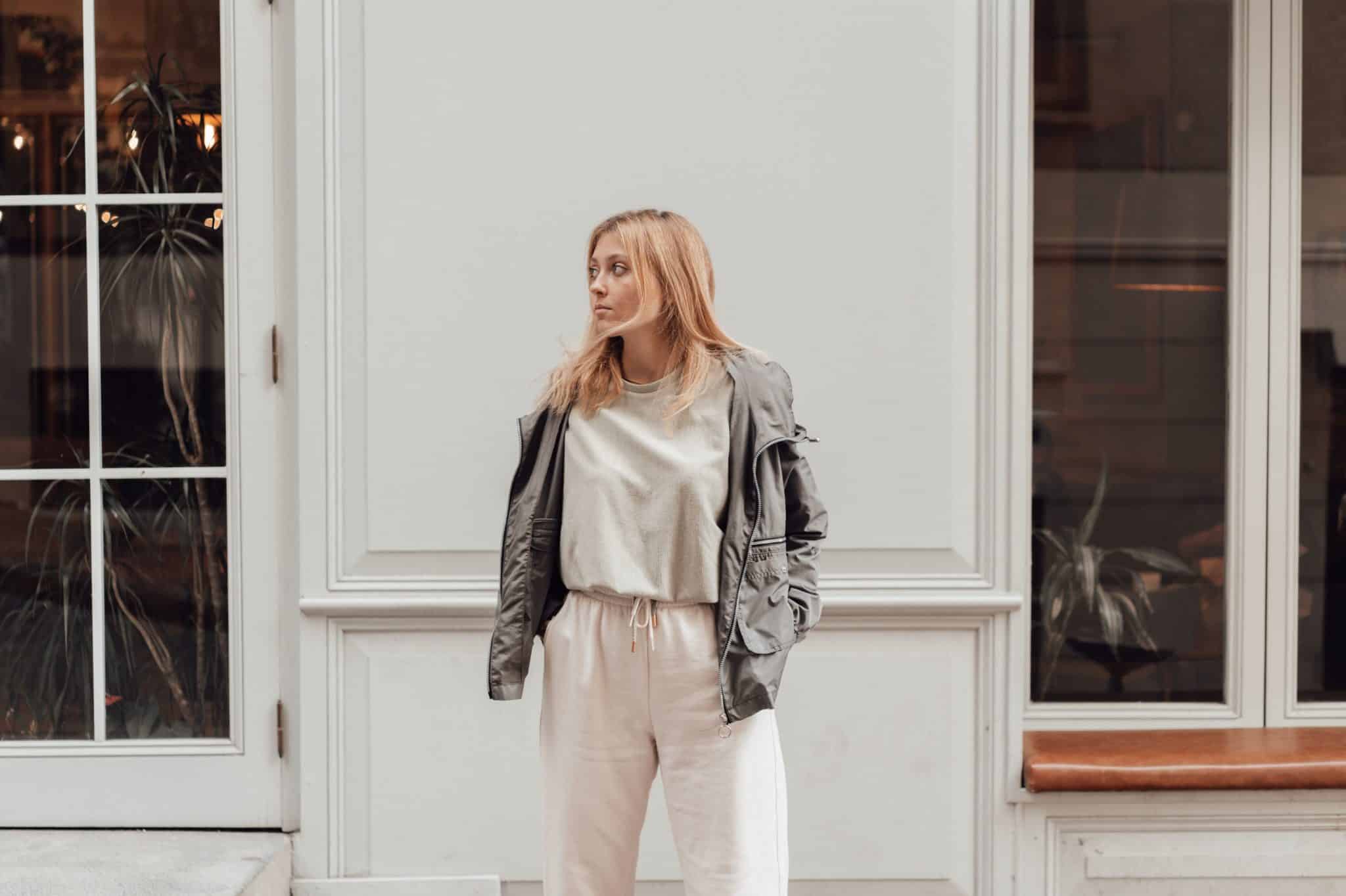
Utility fashion works because it combines style with function. It uses durable fabrics, structured fits, practical pockets, clean layers, and pieces that can handle real movement during the day.
The look does not need to feel tactical or overly rugged. Modern utility style is more controlled. It takes cues from workwear, outdoor gear, military-inspired details, and streetwear, then adapts them for everyday outfits.
The key is balance. One or two functional pieces are usually enough. Too many cargo details, straps, zippers, and heavy fabrics can make the outfit look forced.
Start With Strong Base Pieces
A good utility outfit starts with simple base pieces. Choose clothes with clean shapes, durable fabric, and useful structure.
A fitted tee, ribbed tank, lightweight sweatshirt, button-down shirt, or technical knit can work as the first layer.
The base should not compete with the utility elements. If the pants or jacket are detailed, keep the top cleaner.
Neutral colors work best for the foundation. Black, olive, tan, gray, navy, white, and washed denim are easy to build around.
Choose Pants With Function
Pants are often the easiest way to add a utility edge. Look for reinforced stitching, stretch fabric, secure pockets, and a fit that allows walking, sitting, driving, and bending.
For people who want practical structure without switching fully to cargo pants, tactical jeans can work because they keep a denim look while adding durability and storage features.
The best utility pants should feel comfortable enough for daily wear but stronger than standard fashion denim.
A straight, tapered, or relaxed fit usually looks more modern than overly tight cuts.
Use Layers for Shape and Practicality
Layering is central to utility fashion. It adds depth, but it also gives the outfit practical range for changing weather, errands, commuting, and long days out.
A utility jacket, overshirt, field jacket, bomber, chore coat, or lightweight vest can change a basic outfit quickly.
Choose one structured outer layer rather than stacking too many bulky pieces.
If the jacket has several pockets or hardware details, pair it with simple pants and a plain shirt.
This keeps the outfit wearable instead of costume-like.
Keep the Color Palette Controlled
Utility outfits look better when the palette is limited. Too many colors can make functional pieces feel messy.
Use two or three main colors and repeat them across the outfit.
Olive with black, tan with white, gray with navy, or denim with charcoal are easy combinations.
Utility Color Combinations
Strong everyday combinations include:
- Olive jacket, black tee, dark jeans
- Tan overshirt, white tee, navy pants
- Black bomber, gray knit, olive trousers
- Denim shirt, charcoal pants, white sneakers
- Navy utility vest, beige tee, straight jeans
- Gray hoodie, black pants, brown boots
Controlled color helps practical pieces look intentional.
Add Personal Detail With Patches
Utility fashion has room for customization, especially on denim jackets, jeans, overshirts, bags, and workwear-inspired pieces.
Details should feel deliberate, not random. A small patch near a pocket, hem, sleeve, or back yoke can add character without overwhelming the outfit.
For denim-based looks, iron on patches for jeans can add a personal detail to a simple pair of pants or jacket while keeping the utility style grounded.
Choose patches that match the color story and scale of the garment.
Too many patches can make the outfit look crowded.
Balance Hard and Soft Textures
Utility fashion often uses firm fabrics such as canvas, ripstop, denim, twill, and nylon. These materials add structure, but they can feel stiff if the whole outfit is built from heavy pieces.
Balance them with softer textures.
A cotton tee, fine knit, fleece layer, or soft hoodie can make the outfit easier to wear.
The contrast also improves the overall look. A structured jacket over a soft knit feels more modern than head-to-toe heavy fabric.
Choose Footwear That Fits the Outfit
Shoes should match the level of utility in the outfit. Heavy boots are not always required.
Sneakers, trail-inspired shoes, work boots, desert boots, and minimalist leather sneakers can all work depending on the setting.
Footwear Options for Utility Style
Good choices include:
- White leather sneakers
- Black low-profile sneakers
- Trail sneakers
- Chelsea boots
- Work boots
- Desert boots
- Lug-sole loafers
- Minimal hiking shoes
The shoe should support the outfit’s function. If the day involves walking, grip and cushioning matter.
Avoid Overloading the Look
Utility fashion works best when it looks useful, not overdesigned. Avoid wearing too many tactical or workwear details at once.
If the pants have multiple pockets, keep the jacket simple. If the jacket has zippers, patches, and hardware, choose cleaner jeans or chinos.
Limit visible accessories.
A belt, watch, cap, or crossbody bag can be enough.
The outfit should still look like everyday clothing.
Use Bags as Functional Accessories
A good bag can complete the utility look while serving a real purpose. Crossbody bags, small backpacks, messenger bags, and sling bags all fit the style.
Look for durable fabric, clean compartments, and comfortable straps.
Avoid bags that are too large for daily use unless the outfit is built around travel or commuting.
The bag should hold essentials without making the outfit look overloaded.
Adapt Utility Style for Different Settings
Utility fashion can work for errands, casual offices, weekend plans, travel days, and outdoor meetups. The key is adjusting the polish level.
For casual days, use denim, sneakers, and a field jacket. For a smarter setting, choose dark utility pants, a clean knit, and leather shoes.
For travel, use breathable layers, secure pockets, and comfortable footwear.
The same principles apply: structure, movement, storage, and restraint.
Final Thoughts
Everyday utility style is built on practical pieces that still look sharp. Start with strong basics, add one functional garment, control the color palette, and use texture to keep the outfit balanced.
Pants, jackets, shoes, bags, and small custom details can all bring a utility edge without making the look feel excessive.
The best outfit should move well, carry what you need, and look intentional from morning to evening.