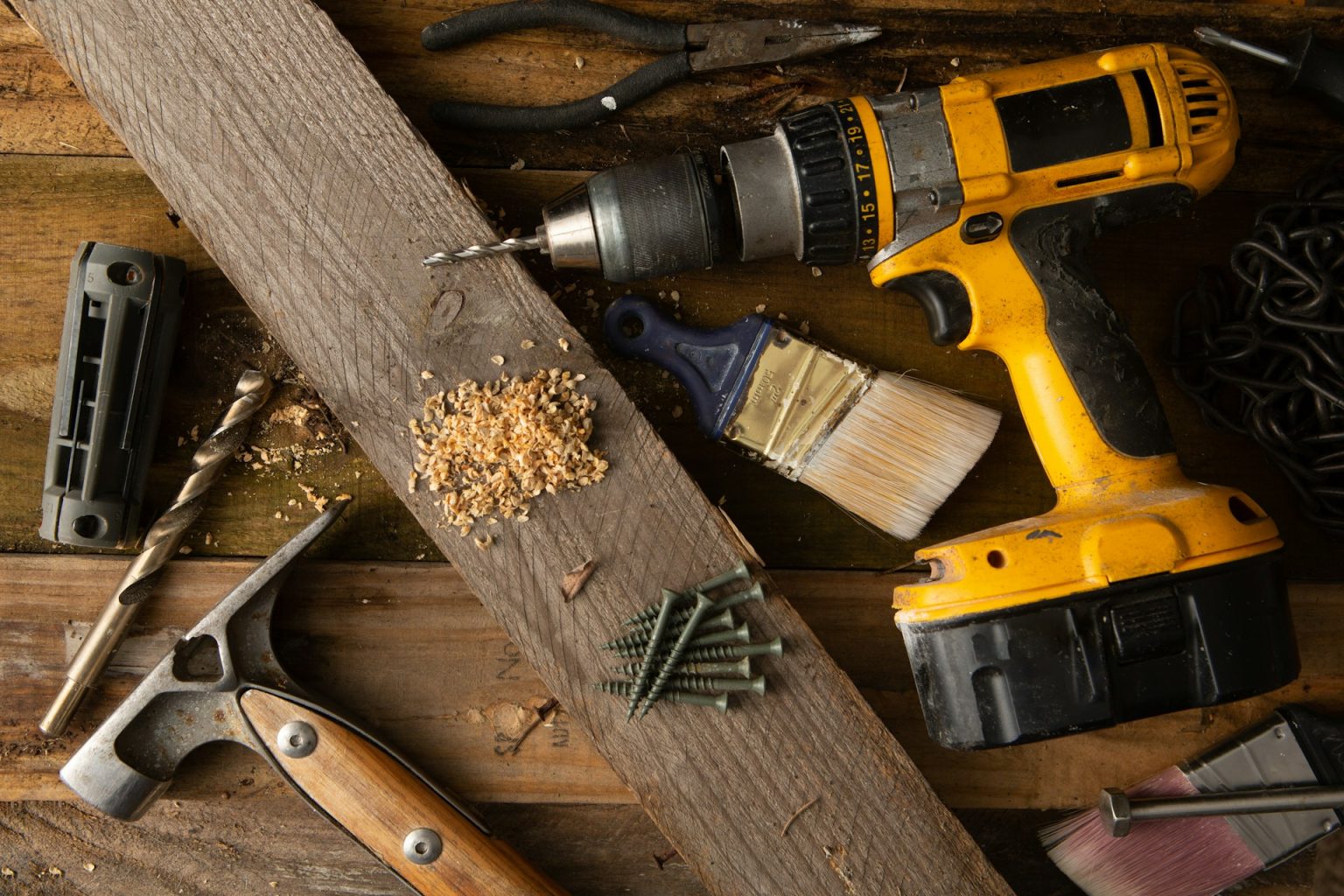
When it comes to handling DIY projects at home, choosing the right drill can significantly impact how smoothly your work goes. The right tool can turn a challenging task into an efficient and even enjoyable experience, while the wrong one can lead to unnecessary frustration. That’s why understanding what to look for in a drill is essential before making a purchase.
Brands like RYOBI have become a popular choice for homeowners and hobbyists alike, offering a versatile range of tools suited for various skill levels. With options available through RYOBI Australia, users can find drills that balance performance, affordability, and ease of use. By focusing on key features and aligning them with your specific needs, you can confidently select a drill that will support your projects for years to come.
Understand the Types of Drills
The first step is knowing which type of drill suits your project. RYOBI commonly offers three main categories:
- Drill Drivers: Ideal for everyday tasks such as assembling furniture, drilling into timber, and general home maintenance.
- Hammer Drills: Designed for tougher materials like brick, concrete, and masonry. These combine rotational drilling with a hammering action.
- Impact Drivers: Best suited for driving screws and bolts, especially in dense materials. They provide higher torque but are not typically used for precision drilling.
For most homeowners, a standard drill driver will cover a wide range of tasks. However, if you anticipate working with masonry or heavy-duty materials, a hammer drill is worth considering.
Corded vs Cordless
RYOBI offers both corded and cordless options. Each has its advantages:
- Cordless Drills: Powered by rechargeable batteries, these provide flexibility and portability, making them ideal for outdoor or remote work areas.
- Corded Drills: Deliver consistent power without the need for charging, making them suitable for prolonged or intensive tasks.
In Australia, cordless drills are particularly popular due to their convenience and compatibility with RYOBI’s ONE+ battery system, which allows you to use one battery across multiple tools.
Consider Battery Power and Voltage
If you choose a cordless drill, pay attention to battery voltage. Common options include:
- 12V: Lightweight and suitable for light-duty tasks.
- 18V: The most versatile choice, offering a balance between power and portability.
- 36V: Designed for heavy-duty applications.
For general DIY use, an 18V drill is often the best option, providing sufficient power for most household projects without being overly bulky.
Evaluate Key Features
Modern drills come with a range of features that can enhance usability:
- Variable Speed Control: Allows for greater precision when drilling different materials.
- Clutch Settings: Helps prevent overdriving screws and damaging surfaces.
- Brushless Motors: Offer improved efficiency, longer lifespan, and better performance.
- LED Lights: Useful for working in low-light areas.
These features may seem minor, but they can significantly improve your overall experience and results.
Match the Drill to Your Projects
Before purchasing, consider the types of projects you plan to undertake. For example:
- Light home repairs and furniture assembly: A compact drill driver is sufficient.
- Renovation work or building decks: Opt for a more powerful 18V drill or impact driver.
- Masonry or outdoor construction: A hammer drill is essential.
Being realistic about your needs will help you avoid overspending while ensuring your tool can handle the job.
Final Thoughts
Choosing the right RYOBI drill is about balancing power, versatility, and comfort. By understanding the different types of drills, battery options, and key features, you can select a tool that aligns with your DIY ambitions. Whether you are hanging shelves, building a deck, or undertaking a full renovation, the right drill will not only save time but also improve the quality of your work.
Investing in a reliable drill is an investment in your home and your confidence as a DIY enthusiast.