
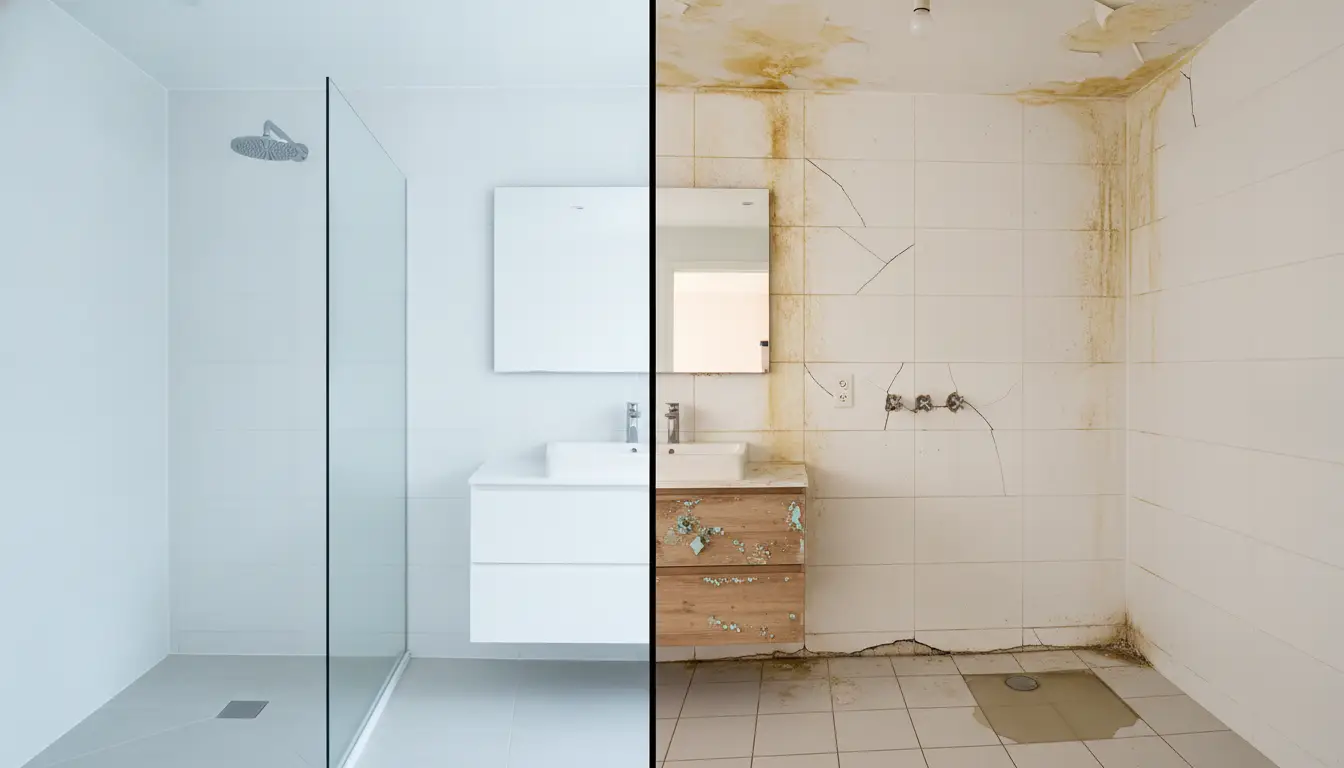
A beautiful bathroom has to survive more than a photo shoot. Every surface deals with water, humidity, soap residue, and daily cleaning, while much of the plumbing sits quietly behind the finishes. A design choice that looks seamless on installation day can become frustrating several years later if reaching a valve requires opening a tiled wall.
Good bathroom design accounts for that future maintenance before the first tile is laid. This matters particularly around showers, vanities, toilets, and drains, where small problems can remain hidden until moisture reaches something expensive.
Drainage deserves extra attention because trouble often develops gradually. A shower that empties more slowly each month or a sink that repeatedly develops an odor may be giving you an early warning. If slow drainage or recurring odors continue despite regular cleaning, the next question is usually whether professional service is warranted. A local guide explaining when you need drain cleaning in Lakemont can help homeowners understand when a minor annoyance has crossed into a plumbing issue that deserves closer attention. Here are the design mistakes that can make maintenance unnecessarily difficult.
1. Creating a Seamless Look That Hides Essential Access
Minimalist bathrooms often conceal plumbing to create uninterrupted walls and clean cabinetry. The visual effect works until a concealed connection starts leaking.
Shower valves, shutoffs, traps, and other serviceable components should remain reasonably accessible. Otherwise, a modest plumbing repair can turn into demolition followed by tile, drywall, or cabinet restoration.
Plan access during the design stage instead of treating it as an ugly compromise. A discreet removable panel inside an adjoining closet or vanity can preserve the finished appearance while giving a plumber a practical route to the system.
2. Choosing a Shower Drain for Looks Alone
A slim linear drain can complement a contemporary walk-in shower beautifully, but appearance should not be the only consideration. Water still needs the correct floor slope and an unobstructed path toward the outlet.
Poor drainage design can leave puddles along tile edges or create persistently damp grout. Hair and soap residue also need to be removed periodically, so the cover should come off without dismantling surrounding finishes.
Before choosing a model, consider:
- How easily the grate can be lifted for cleaning
- Whether the shower floor can be pitched correctly toward it
- How accessible the trap and connection will remain
- Whether replacement parts are readily available
A drain that suits the architecture and remains serviceable is a much better long-term choice than one selected solely because it disappears into the floor.
3. Installing a Floating Vanity Without Planning the Pipes
Floating vanities make bathrooms feel lighter and expose more flooring, particularly in compact spaces. Plumbing placement, however, becomes less forgiving.
Supply and waste connections need to align with the cabinet design rather than being squeezed around drawers after installation. Awkward routing can consume storage space and make future repairs harder to reach.
Resolve those measurements before ordering cabinetry. If the room is being completely remodeled, have the fixture specification available when plumbing locations are planned. A few inches of adjustment behind an open wall is simple. Making the same correction after tile and cabinetry are finished is not.
4. Using the Wrong Materials in Constantly Wet Areas
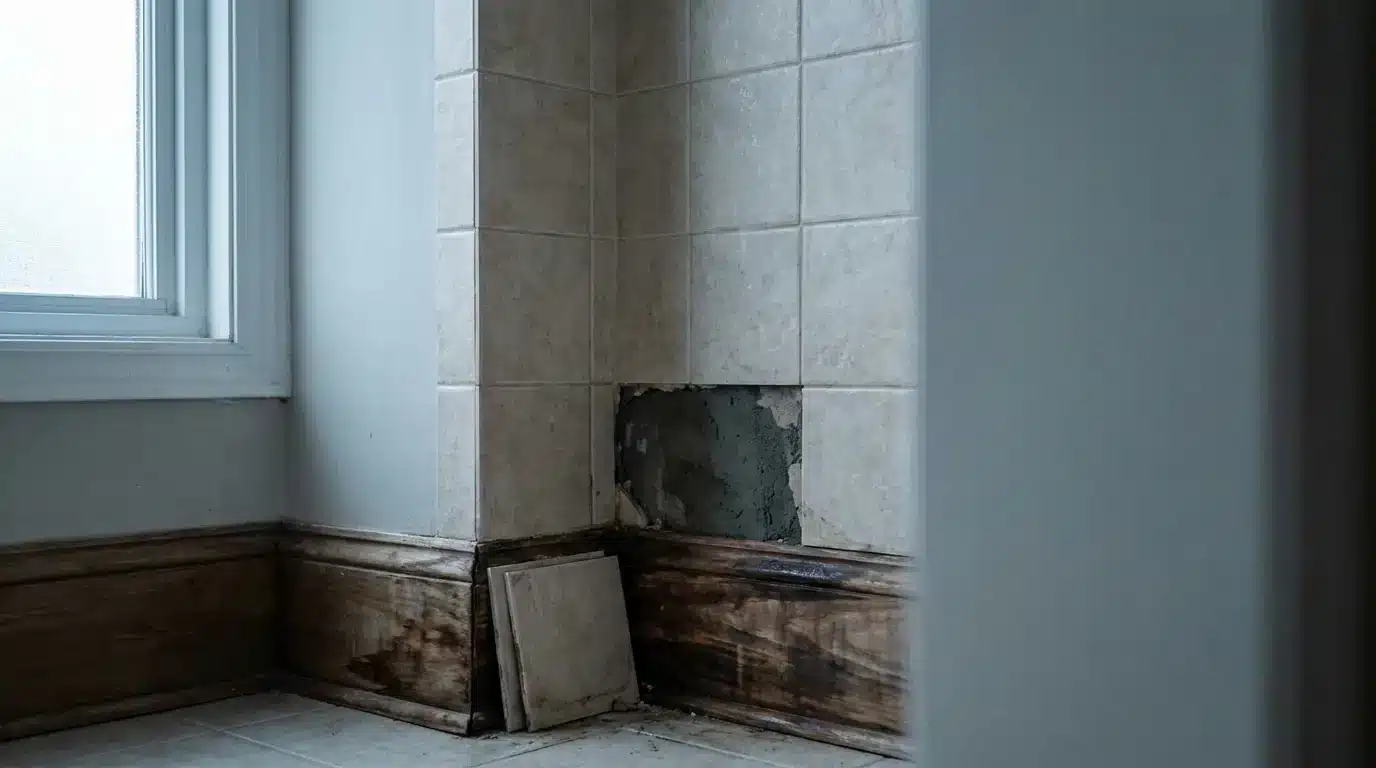
Not every beautiful finish belongs beside a shower.
Moisture can penetrate poorly sealed grout, vulnerable wood products, and unsuitable wall finishes. Once water gets behind the visible surface, deterioration may continue unnoticed. Swollen trim, loose tiles, staining, or a persistent musty smell can be the first clues.
Think beyond whether a material is described as “water resistant.” Consider where it will actually be installed. A powder-room wall experiences very different conditions from the floor beside a frequently used shower.
Proper waterproofing underneath the decorative layer matters just as much. Tile itself should never be treated as the sole moisture barrier for a wet installation.
5. Designing a Bathroom That Is Difficult to Clean
Intricate details can look luxurious in a showroom while creating dozens of places for grime to collect at home.
Deep grout lines, narrow gaps beside freestanding tubs, elaborate fixture bases, and inaccessible corners around toilets all increase cleaning work. Moisture and residue left in those areas can eventually stain finishes or damage sealant.
Before approving a layout, imagine cleaning it with your hands rather than viewing it from the doorway. Can you reach behind the faucet? Is there enough room beside the tub for a cloth or mop? Can the drain cover be removed without special tools?
Ease of cleaning is part of functional design, not an aesthetic concession.
6. Ignoring the Early Signs of Poor Drainage
A bathroom can look pristine while the waste line below it is developing a problem.
Water lingering around your feet during a shower deserves attention. So does a basin that takes noticeably longer to empty than it once did. Repeated gurgling or an odor returning soon after cleaning can indicate buildup farther along the line.
Ben’s Plumbing advises addressing recurring drainage symptoms rather than repeatedly treating only what is visible at the fixture. A professional evaluation can determine whether the problem is local buildup or something deeper in the system.
That distinction matters in a renovated bathroom. Identifying a developing issue early may protect flooring, cabinetry, and wall finishes from the disruption associated with a later backup.
7. Forgetting Ventilation in the Pursuit of a Spa-Like Look
Large showers, freestanding tubs, and warm finishes create the spa atmosphere many homeowners want. They also put substantial moisture into the room.
An undersized or poorly positioned exhaust fan may leave mirrors wet long after bathing. Over time, persistent humidity can affect paint, caulk, cabinetry, and other finishes.
Choose ventilation based on the room and its moisture load rather than how unobtrusive the fan appears. Placement matters too. Air needs to move effectively from the wet area toward the exhaust point.
Quiet operation is worth considering because people are more likely to use a fan that does not dominate the room acoustically.
8. Treating Caulk and Grout as Permanent Details
Fresh grout lines and perfect caulk joints make a newly finished bathroom look exceptionally polished. Neither should be considered maintenance-free.
Sealant around tubs, shower enclosures, and sinks can eventually separate or crack. Once that happens, water may travel behind the surface instead of remaining where it can evaporate.
Make these joints easy to see during normal cleaning. Inspect them periodically and replace failed sealant before moisture reaches the substrate. Small preventive work is far less disruptive than repairing damaged drywall, cabinetry, or subflooring later.
Design for the Bathroom You Will Actually Live With
The strongest bathroom designs balance appearance with what happens after the renovation is finished. Pipes eventually need attention. Drains require cleaning. Sealants age. Wet surfaces need to dry.
None of that means sacrificing a refined interior. Thoughtful access panels can disappear into the design, drainage can be both elegant and serviceable, and durable materials can still deliver the texture and character a room needs.
A bathroom feels truly well designed when its beauty survives everyday use. Planning for maintenance from the beginning helps make sure the finishes you chose remain worth looking at years after the renovation is complete.