

Laser hair removal works by directing concentrated light toward pigment in the hair. The absorbed energy converts into heat, which damages the hair follicle and gradually reduces hair growth. Skin also contains melanin, which can absorb laser energy too. This is why device selection matters for darker skin tones, and why burns or pigmentation changes can occur if the settings are wrong.
Proper preparation helps minimize skin irritation and ensures that hair follicles remain suitable targets for treatment. However, it cannot compensate for incorrect laser settings or an inexperienced practitioner. That’s the part of the clinic’s responsibility.
Eight to Four Weeks Before: Set Your Base
Start early. Two months out isn’t too soon. Schedule a consultation and request a patch test – a small area is treated with the laser and then you wait 24 hours to see how your skin reacts. When researching laser hair removal black skin, you’ll often find that choosing the right laser technology is essential for safe and effective treatment.
Longer wavelengths (such as the 1064 nm Nd:YAG) penetrate the top layer better and so are generally safer to use for deeper shades. Inquire about the laser used and how frequently treated is your skin tone at the clinic.
Then, Empty the List:
- Share everything. Notify the clinic of all medications, creams and health concerns. Certain antibiotics (such as doxycycline) and medications used for acne (such as isotretinoin) may affect light sensitivity of the skin. Please consult a doctor prior to booking.
- Avoid the sun and tanning beds. Tanned skin has more pigment, increasing the risk of burns and marks.
- Apply sun cream on a daily basis. Use an area of at least SPF30 and avoid self-tanning.
Four Weeks to One Week Before: Leave the Root Alone
Where many people go wrong. The light should be directed on a pigmented hair root, therefore anything that removes hair by the root is counter productive. Would you assume that 1 wax a month wouldn’t make a difference? It can. The clinic may push your visit back, since there’s nothing left for the laser to find.
Discontinue these 4-6 weeks prior to first session:
- Waxing and sugaring
- Threading
- Epilators
- Plucking with tweezers
Use a razor or trimmer to remove it. Both cut the hair in the surface and do not remove the hair root. Check with your clinic as some will also require you to refrain from hair removal creams for one week or so.
Then Soothe Your Skin:
- If the clinic requests, stop using scrubs, peels, strong acids and retinoid cream. The gap is generally about a week, but ask them for the exact gap.
- Heal first. If there are any breakouts, rashes, cuts, or sunburns, they should be resolved prior to the visit. Laser shouldn’t go over broken or inflamed skin.
- Mention cold sores. If you have them, and intend to treat near your mouth, inform the clinic. The heat could trigger an outbreak, and some clinics prescribe an antiviral to take in advance.
A handy hint: Make note of the date you stopped using each product and method. By week three, memory becomes hazy and it has been asked by the clinics.
The Last 48 Hours: Final Steps
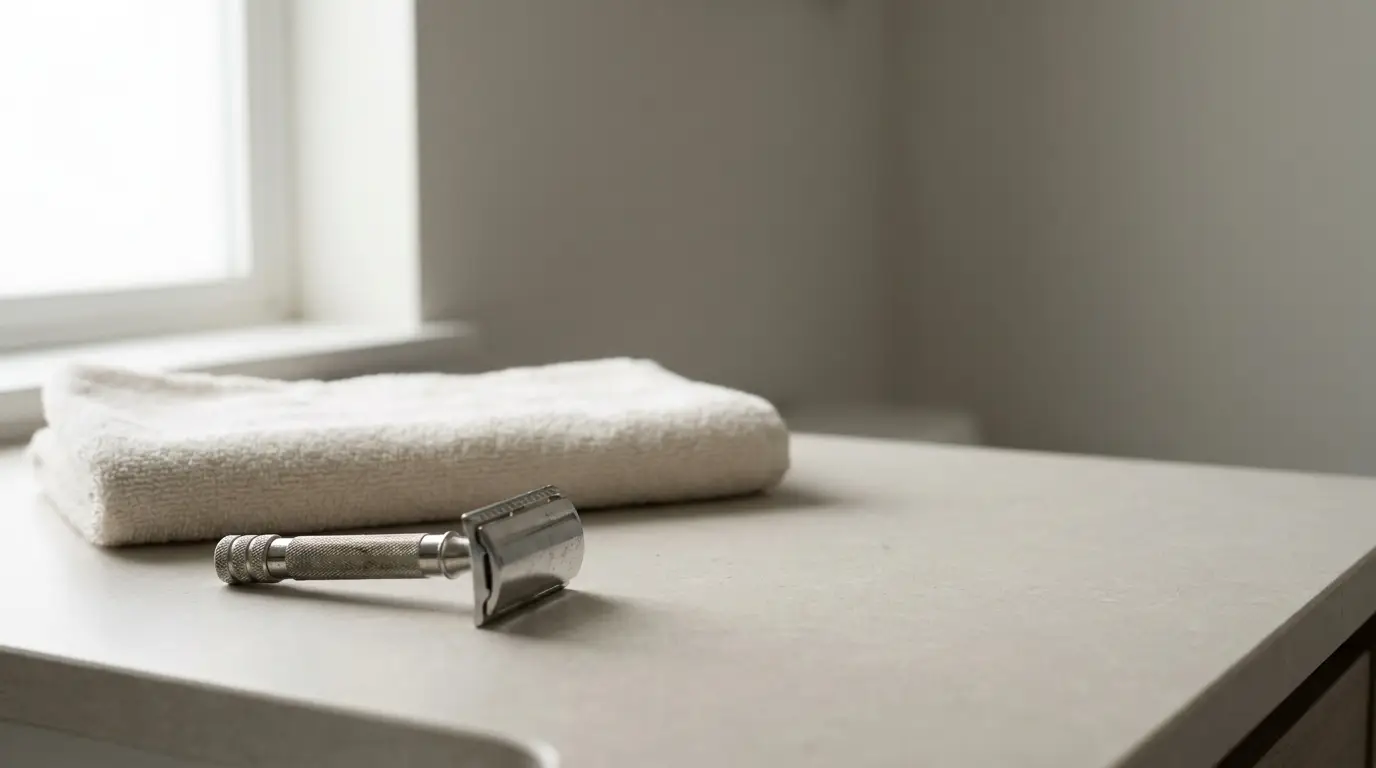
The last two days are about keeping your skin calm and clean. Shave the area 12 to 24 hours before your visit, or follow your clinic’s exact advice. Why that window? Short stubble gives the laser a target, and the skin has time to settle after the blade. Shaving right before the session adds razor irritation to heat, which is a poor mix.
If you’re researching laser hair removal brazilian treatments, proper skin preparation is especially important for minimizing irritation in sensitive areas. The bikini line and the folds nearby have thin, delicate skin. Use a clean, sharp blade, a light hand, and no pressing. A trimmer works well on curved spots.
Then follow these steps:
- Wash with a mild cleanser on the day, and skip oil, body lotion, perfume, and deodorant on the area. Residue can burn under heat.
- Skip hot baths, saunas, and hard workouts for the last 24 to 48 hours. Warm skin reacts more.
- Drink water, eat a full meal, and sleep. Pain feels sharper when you’re tired and hungry.
- Wear loose, soft clothes you can change into without tugging.
Body and Mind Prep
How will it feel? Quick snaps similar to a rubber band and then a hot flush is the description of most people. This is because thin skin and dense hair causes more pain, so the bikini line and upper lip hurts more than legs. Short, but authentic, so plan for it.
Consider numbing cream as well. There are products available that you can buy over the counter that contain Lidocaine, but the amount, time and area to be treated matters and there is potential of harm if misused. Use only with permission of your clinic.
Be sure to choose dates wisely. For some individuals, their skin is more sensitive during the days before, during and after their period, and stress or a particularly poor night sleep makes it feel worse. Book a time in a slot when you are rested.
Last, set goals you can measure. If you’re looking for skin in just one session, you’re not going to get it, slow changes will come in 6-8 sessions. Now take another picture of each area in the same lighting. Then plan your visits and your budget – don’t half-way get off.
Pack List and Day-of Checklist
Pack light, pack smart. Take your picture ID, completed health form, drug and cream list, loose clothes and sun cream with an SPF30 or higher after the activity.
In the beginning, ask the tech 3 brief questions:
- What type of laser is this and is it the correct setting for my skin type?
- If you’re going to do any patch testing, do it first?
- What will be the situation in the next 48 hours?
Keep an eye on the room, as well. Don’t take a chance on a job that has these red flags: No patch test, no eye shields for you and the tech, unclean tools, and a rush to start. If it doesn’t feel right, you should speak up or get out. You have to pay, and you’re entitled to say stop.