


Back pain has a sneaky way of showing up uninvited. One day it’s just a slight stiffness, and the next it starts affecting how the body sits, stands, and moves.
Long hours at a desk, poor posture, and tight muscles often play a role. The good part is that relief doesn’t always need complex fixes or intense workouts.
Yoga offers a simple way to stretch, strengthen, and support the back at the same time.
With the right poses and a steady routine, the body can start to feel lighter, more flexible, and easier to move.
Why Yoga Helps Reduce Back Pain?
Back pain usually builds up slowly from tight muscles, weak support, and long hours of sitting.
Yoga helps improve physical health by gently moving the body while also building strength where it’s needed most.
It improves posture and spinal alignment, which keeps the spine in a better position and reduces daily strain.
It relieves muscle tension in the lower back by stretching tight areas and allowing muscles to relax naturally.
Yoga builds core strength for better support, so the lower back does not carry all the pressure. Better core support also improves overall physical health and body balance.
It boosts blood flow to sore areas, helping the body recover and feel less stiff. Yoga also helps relax the body and mind, which lowers stress that can make back pain worse.
Regular practice supports both physical health and flexibility, helping the body move with more ease and less discomfort.
Things to Keep in Mind Before Starting
Starting slow makes a big difference. A few smart habits can keep the back safe and the practice comfortable.
- Go easy on the body: Gentle movements work better than pushing too hard too soon
- Listen to warning signs: Sharp or shooting pain is a clear signal to stop right away
- Make props your friend: Cushions, blocks, or even a folded towel can add support where needed
- Stay steady with breathing: Slow, even breaths help the body relax into each pose
- Keep posture in check: A neutral spine reduces strain and supports proper alignment
Small adjustments like these can keep the practice smooth and pain-free.
Best Yoga Poses for Back Pain
These poses work on tight spots like the lower back, hips, and core. Each move is simple, effective, and easy to follow at any level.
1. Child’s Pose (Balasana)
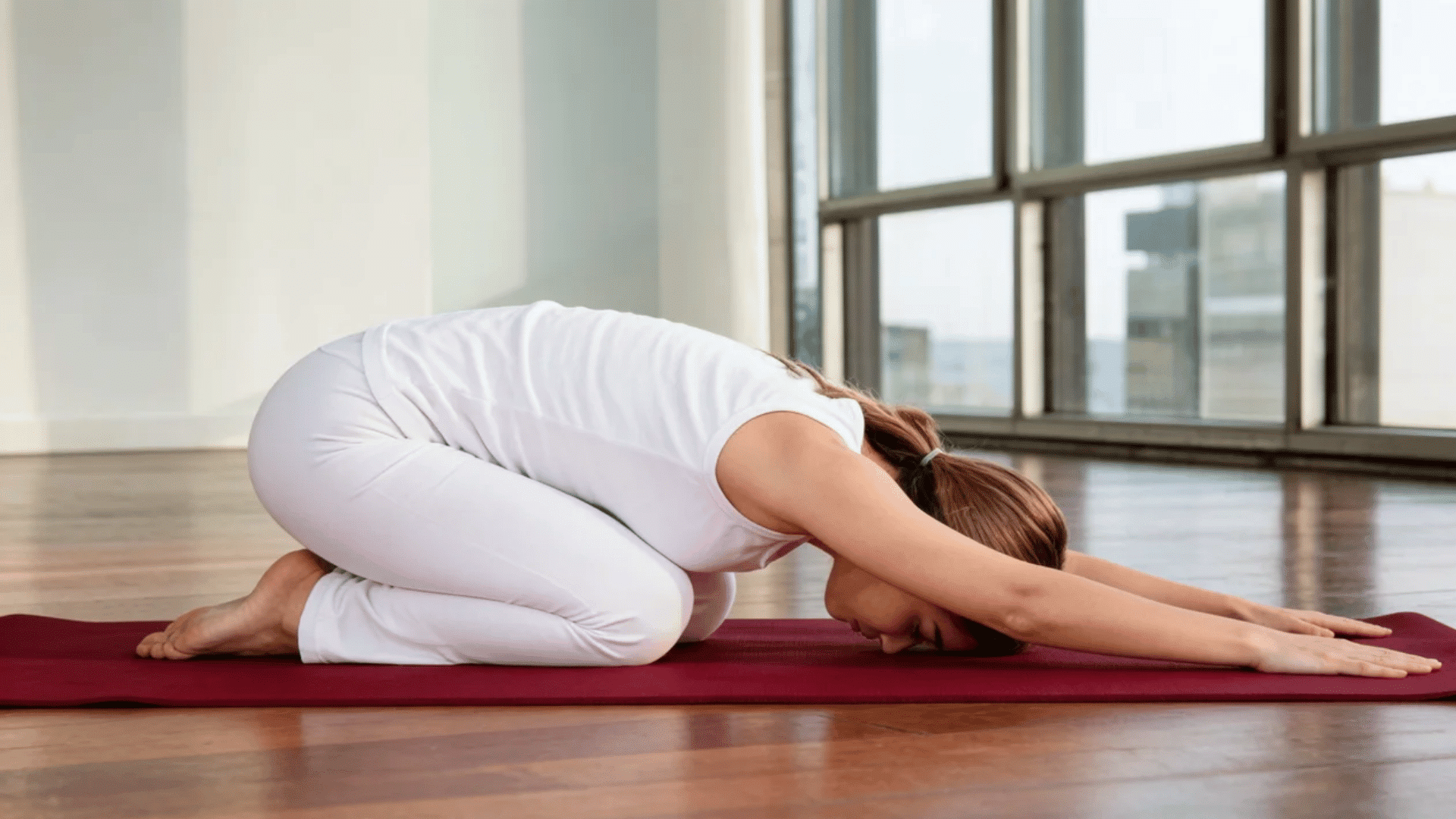
A soft resting pose that gives the back a gentle stretch.
- Eases tension along the spine
- Helps the body slow down and relax
- Great starting point for any routine
2. Cat-Cow Stretch (Marjaryasana-Bitilasana)
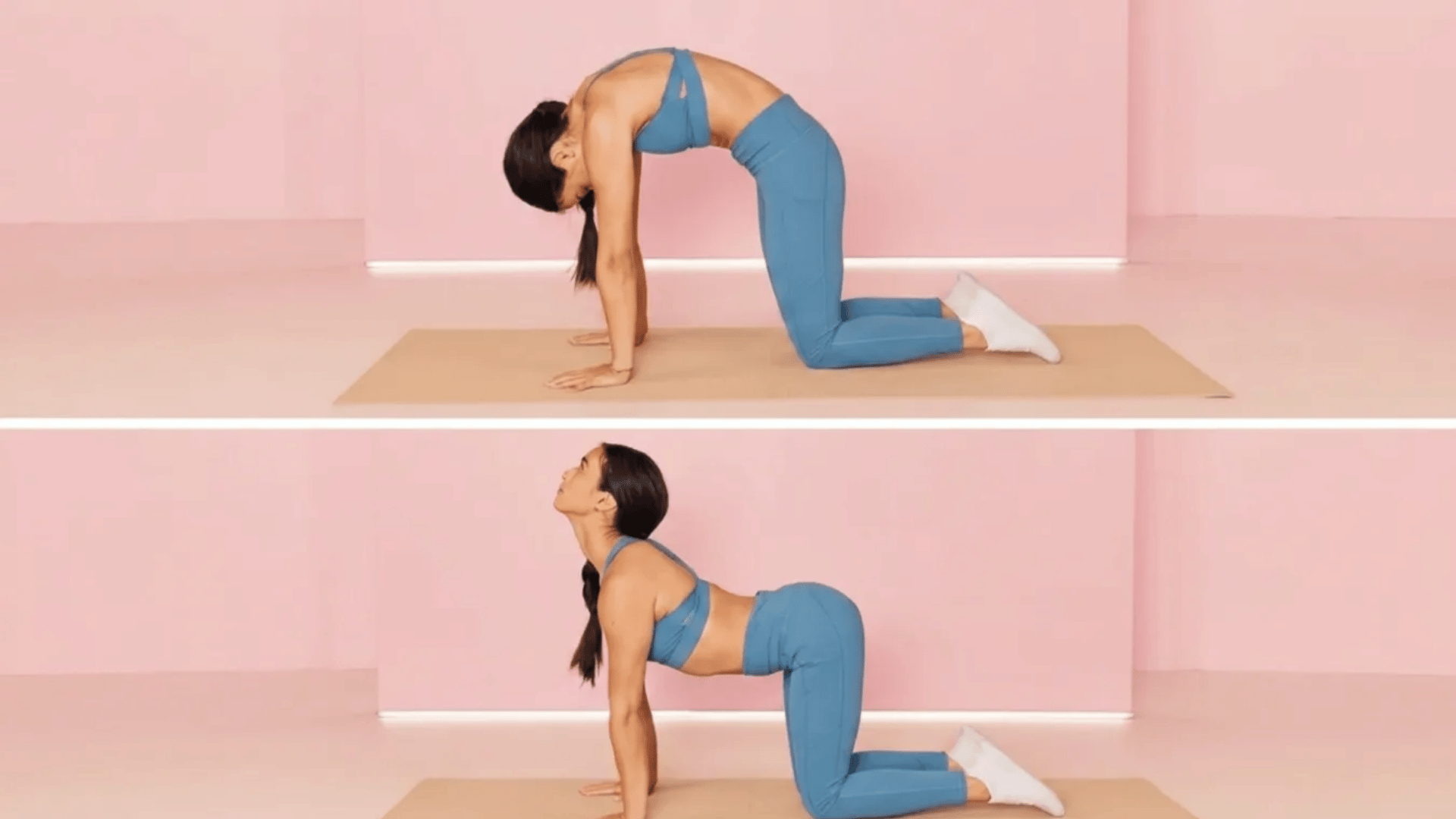
A smooth flow between two poses that wakes up the spine.
- Improves flexibility with controlled movement
- Helps loosen stiff back muscles
- Prepares the body for deeper stretches
3. Downward Facing Dog (Adho Mukha Svanasana)
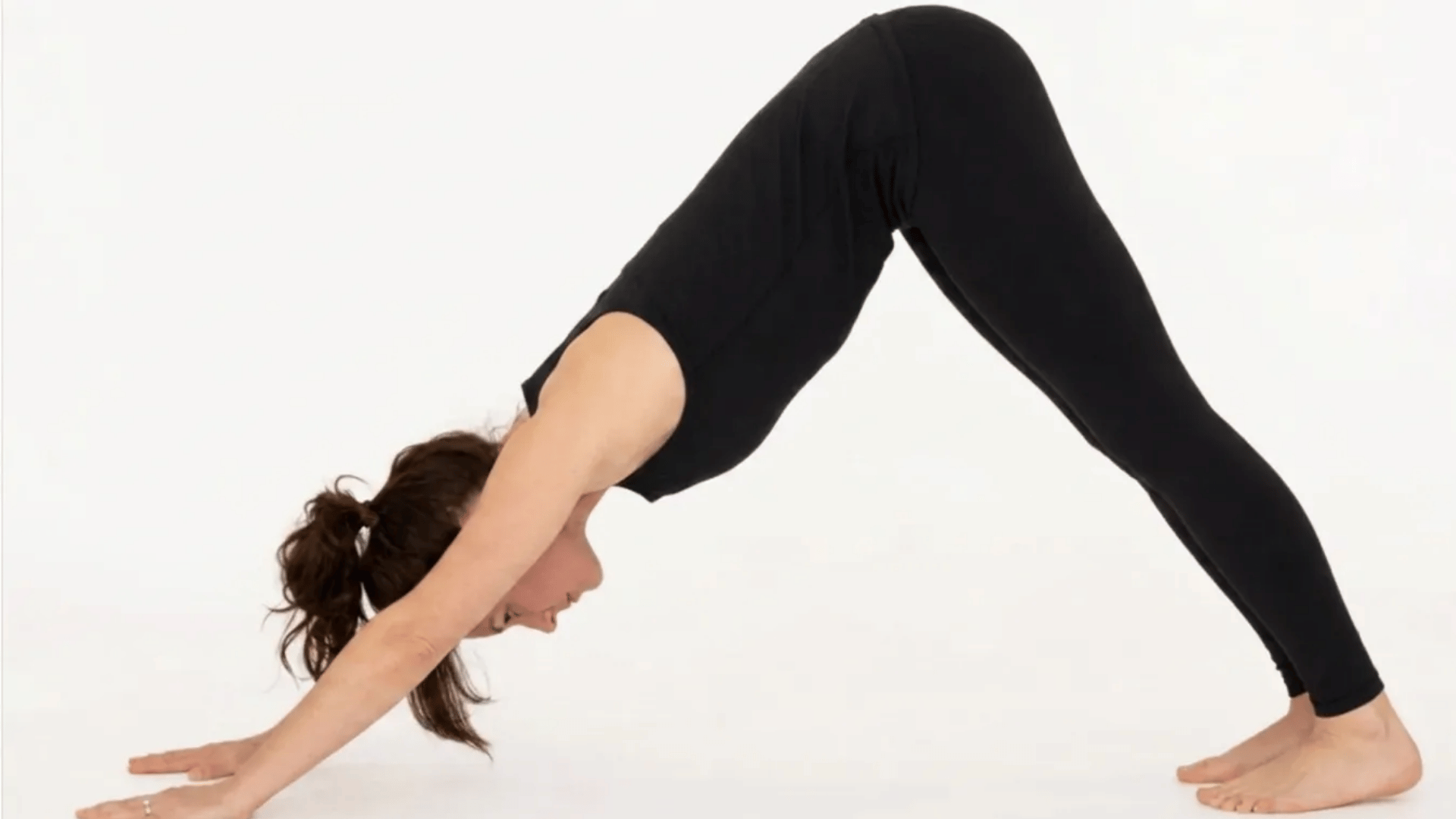
A full-body stretch that also supports the back.
- Creates space between the vertebrae
- Targets hamstrings that often pull on the lower back
- Builds light strength in arms and legs
4. Cobra Pose (Bhujangasana)
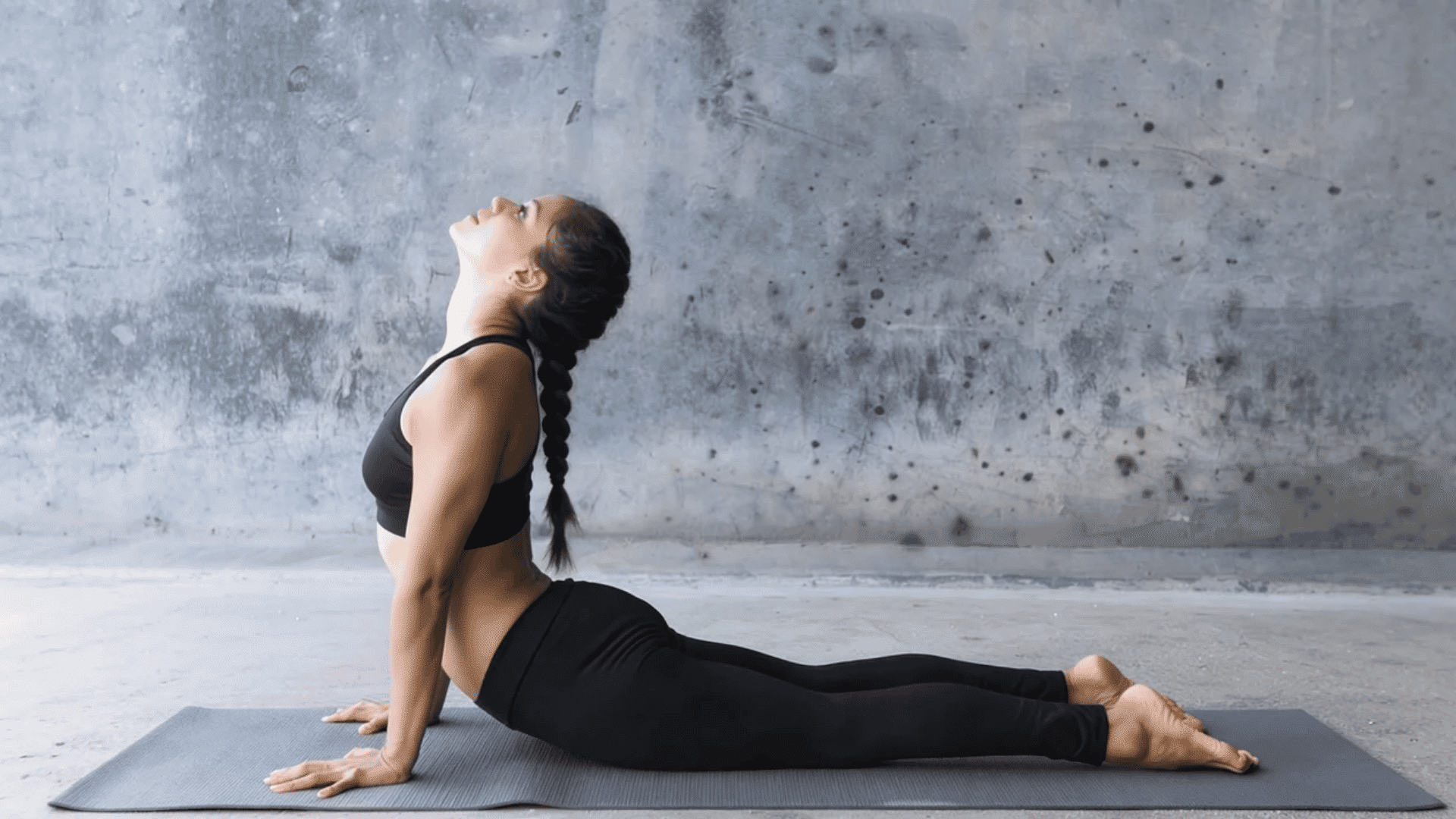
A gentle backbend that strengthens from the base.
- Activates lower back muscles
- Opens the front body to reduce slouching
- Helps improve spinal movement over time
5. Sphinx Pose (Salamba Bhujangasana)
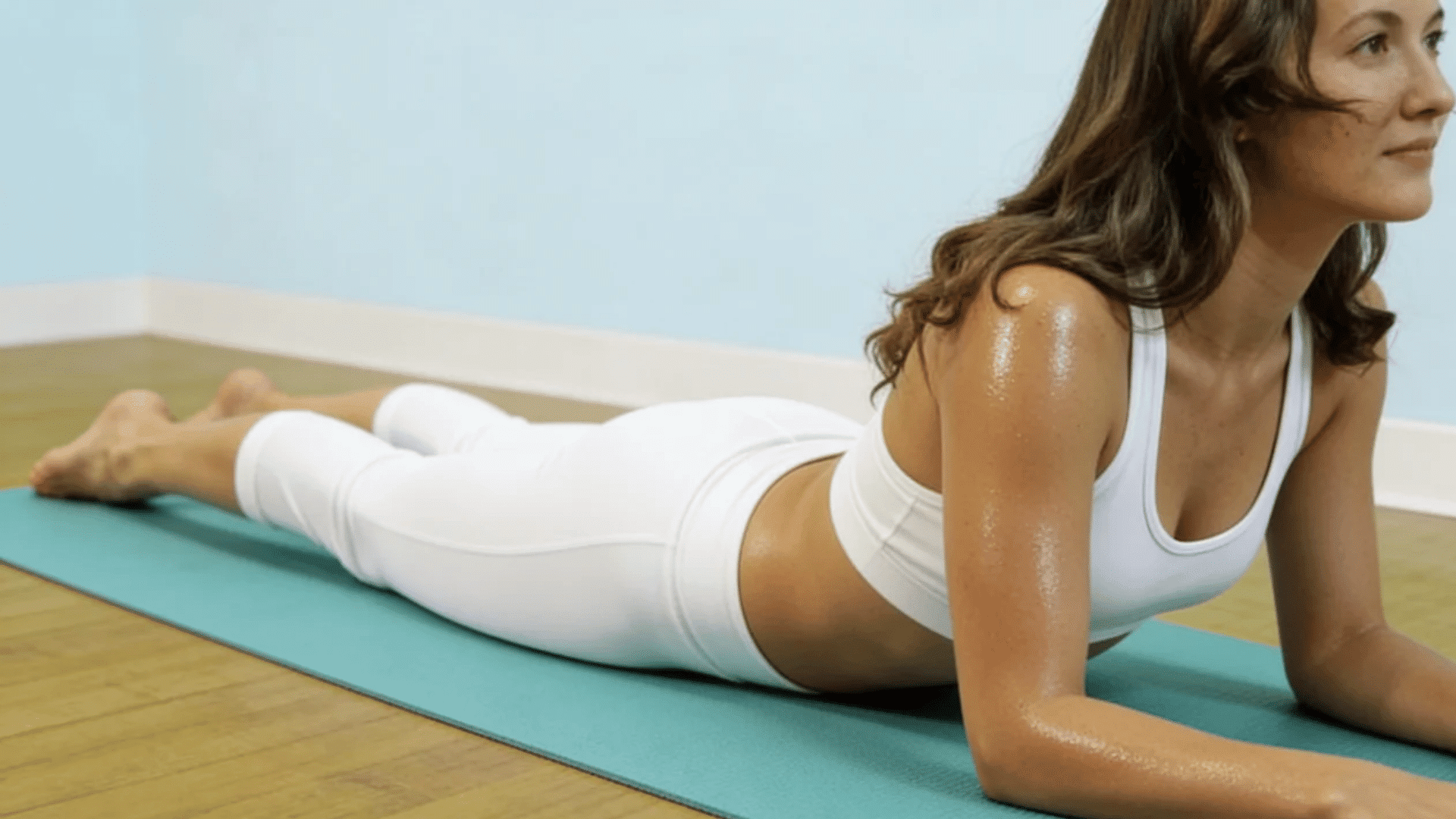
A relaxed version of a backbend with less strain.
- Supports the natural curve of the spine
- Keeps pressure low while still engaging muscles
- Ideal for beginners or sensitive backs
6. Bridge Pose (Setu Bandhasana)
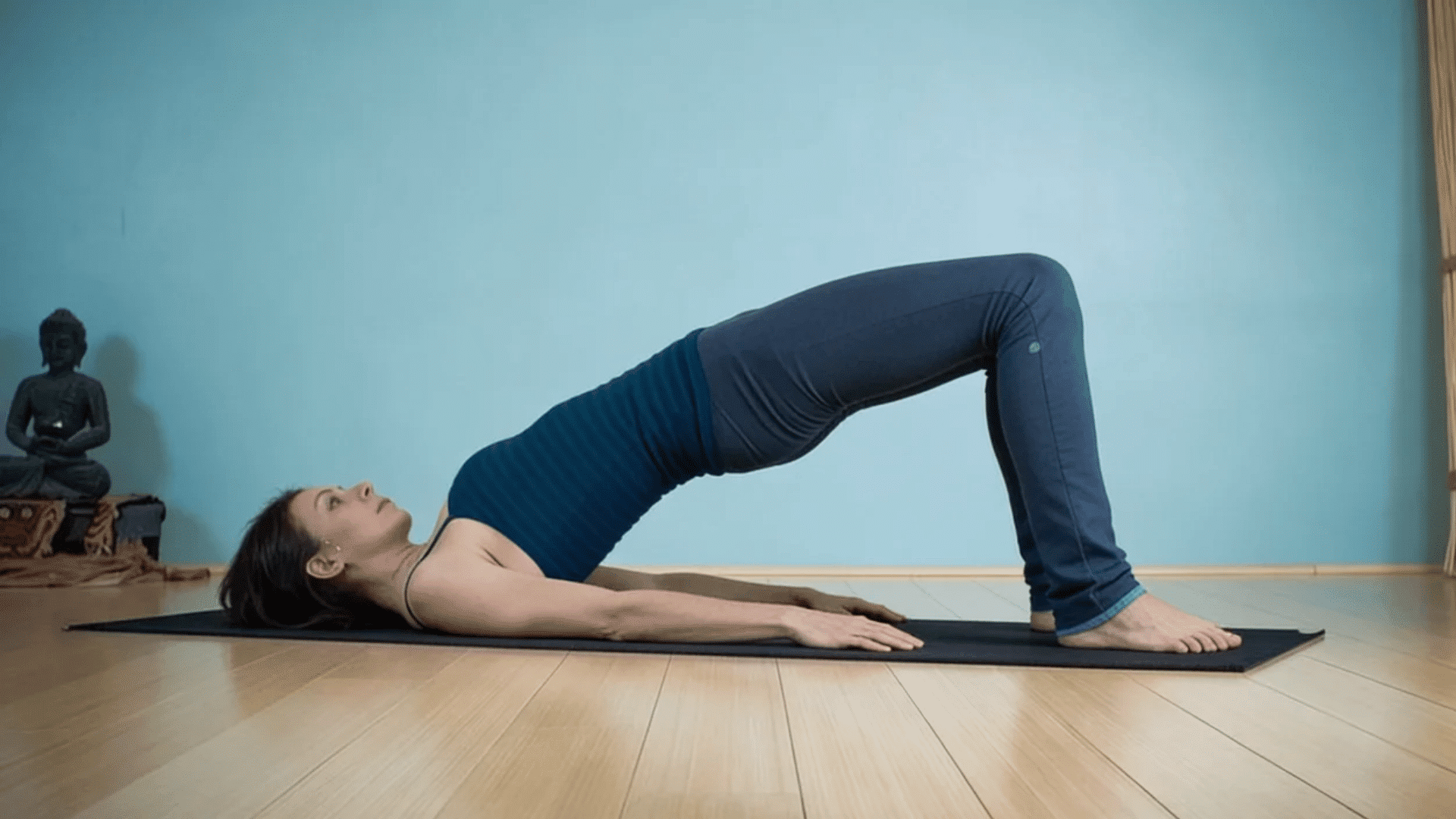
A strengthening pose that lifts and supports the spine.
- Builds strength in glutes and lower back
- Helps improve posture during daily activities
- Adds stability to the core area
7. Knees-to-Chest Pose (Apanasana)
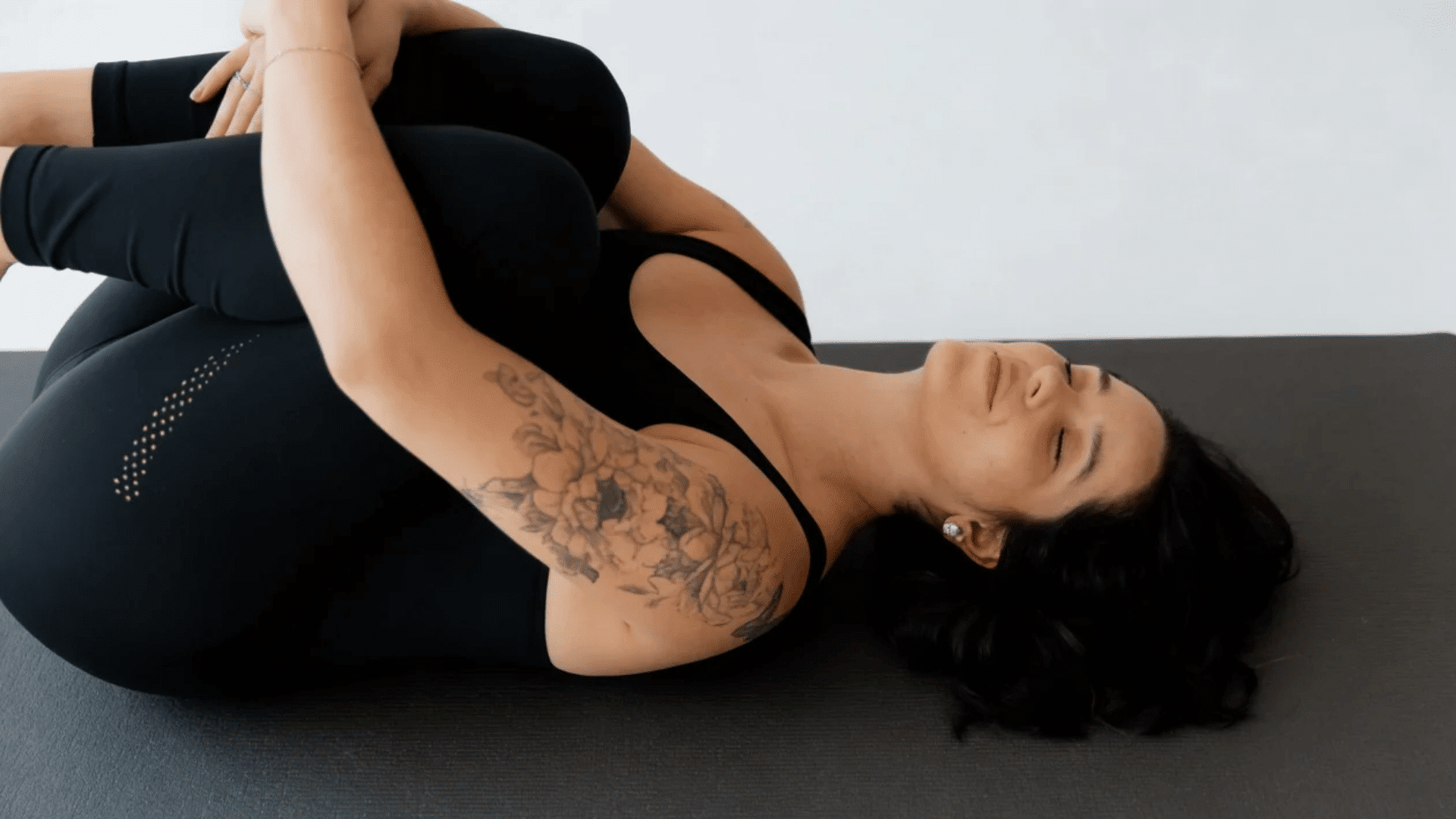
A simple move that feels like a reset for the lower back.
- Releases built-up pressure in the spine
- Gently stretches the lower back muscles
- Promotes a sense of comfort and ease
8. Supine Twist (Supta Matsyendrasana)
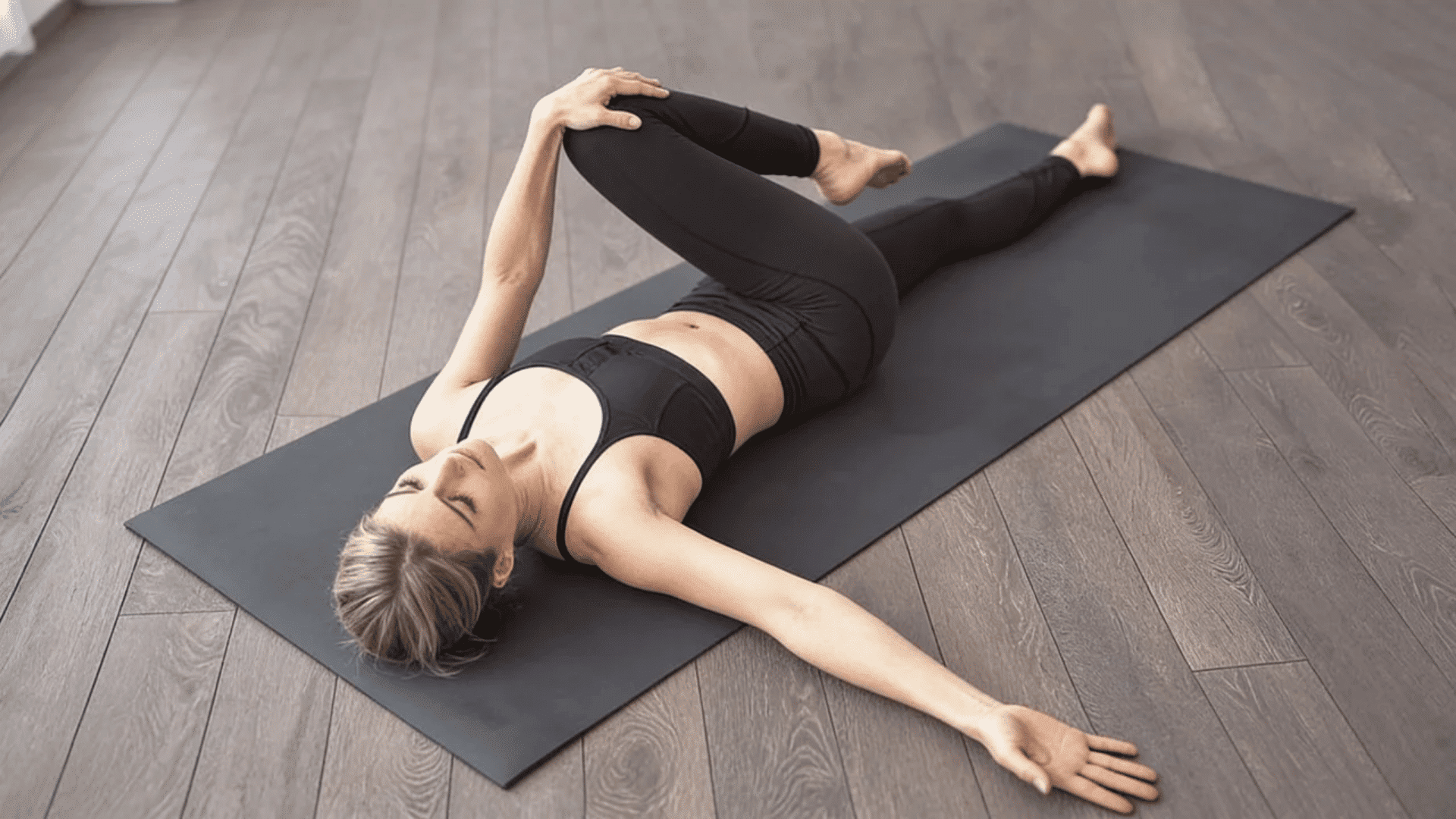
A slow twist that helps release deep tension.
- Improves mobility in the spine
- Relaxes tight back muscles
- Helps the body unwind after a long day
9. Triangle Pose (Trikonasana)
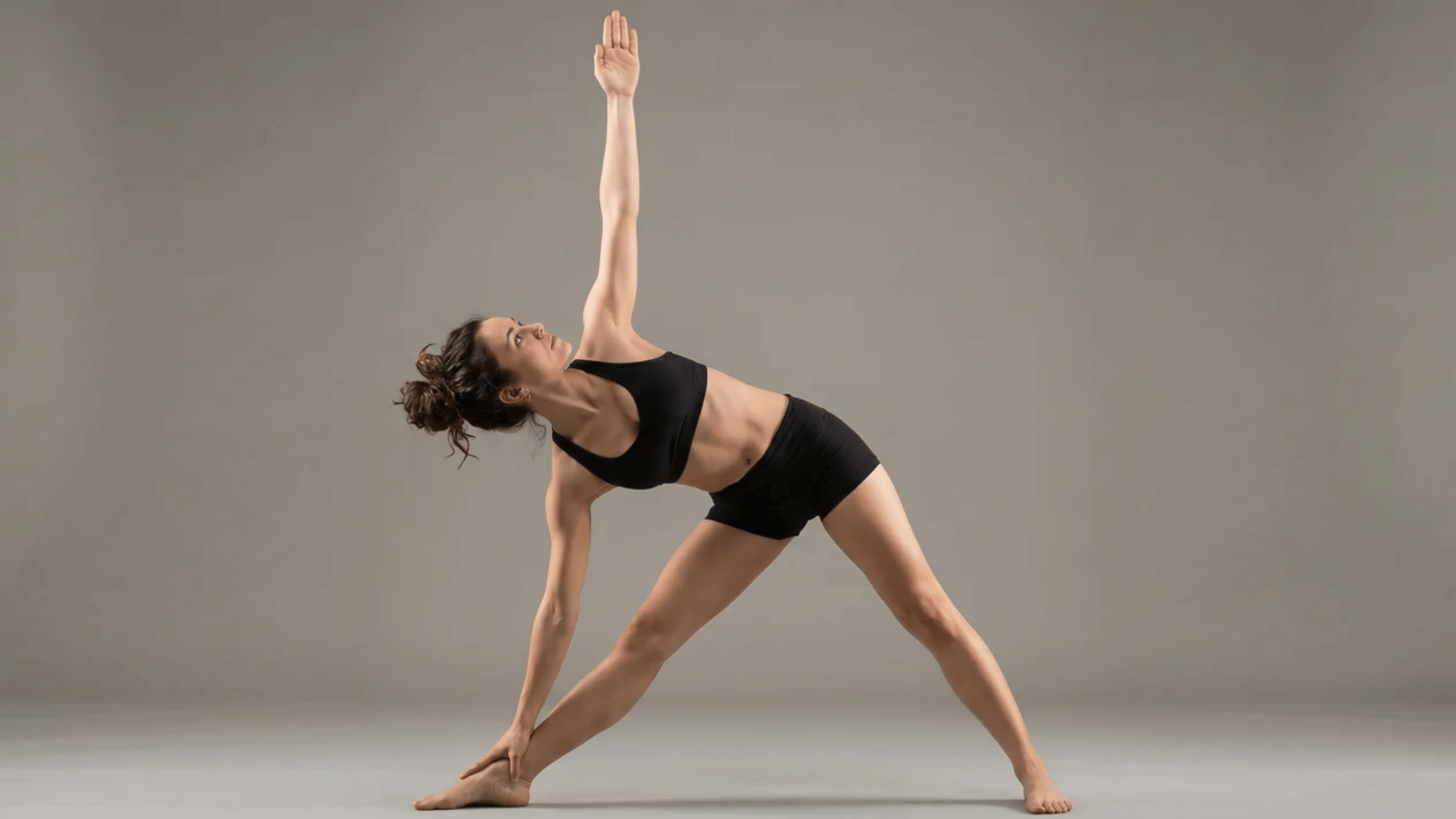
A standing pose that builds both stretch and strength.
- Targets the sides of the body and hips
- Engages the core for better support
- Helps improve balance and body control
A steady mix of these poses keeps the back active, supported, and more flexible over time.
Simple Yoga Routine for Daily Relief
A few minutes on the mat can loosen tight muscles and wake up the spine. This easy flow keeps things light while giving the back the movement it needs.
Quick Flow to Follow
| Step | Pose | Duration |
| 1. | Cat-Cow | 1–2 mins |
| 2. | Child’s Pose | 1 min |
| 3. | Downward Dog | 1 min |
| 4. | Cobra or Sphinx | 1 min |
| 5. | Bridge Pose | 1 min |
| 6. | Supine Twist | 1 min each side |
How Back Yoga Routine Works?
Each step has a small role in helping the back feel better.
Cat-Cow gets the spine moving and shakes off stiffness. Child’s Pose gives a gentle stretch and short rest. Downward Dog lengthens the back and legs at the same time.
Cobra or Sphinx adds light strength to the lower back. Bridge Pose supports the hips and improves stability. Supine Twist helps release any leftover tightness.
The sequence moves from gentle motion to light strength and ends with a relaxing stretch.
Make It Feel Even Better
A few small tweaks can turn this into a smooth daily habit.
Play soft music to stay relaxed and keep breathing slow and steady. Hold poses longer on days when the body feels tight. Use a mat or soft surface for comfort.
Done regularly, this short flow can help the back feel more flexible and less tense.
Common Mistakes to Avoid with Back Yoga
Some small slip-ups can turn a helpful routine into a painful one. Paying attention to these can make each session safer and more effective.
- Forcing deep stretches too soon
- Holding breath during poses
- Ignoring pain signals
- Skipping warm-up movements
- Practicing on a hard or uneven surface
Small fixes can make movements smoother and more comfortable.
Tips to Support Long-Term Back Health
Yoga gives better results when paired with simple daily habits. These small changes help keep the back strong and pain-free over time.
- Sit with proper posture to reduce unnecessary strain on the spine
- Take short breaks to avoid staying in one position for too long
- Sleep on a supportive mattress that keeps the spine aligned
- Stay active during the day to prevent stiffness from building up
- Maintain a healthy weight to reduce pressure on the lower back
Sticking to these habits daily can help the back feel more stable and comfortable.
Final Thoughts
Back pain does not have to control daily life. A few mindful stretches and small habit changes can slowly bring comfort back.
The key lies in staying consistent and keeping movements gentle and steady.
Some days may feel better than others, and that’s part of the process. Over time, the body starts to feel lighter, more flexible, and easier to move.
Even a short daily routine can make a noticeable difference.
Tried any of these poses before or planning to start soon? Share thoughts, experiences, or questions in the comments below.
Frequently Asked Questions
Is Yoga Good for Lymph Nodes?
In yoga, Deep Belly Breathing is key because it helps pump the largest lymphatic pathways in your body, and that rhythmic motion helps lymph to flow.
Which Yoga Should Not Be Done in Back Pain?
Full Wheel Yoga is a backbend pose that requires a lot of stretching and flexibility to perform it without injury.
Does Back Pain Get Worse with Age?
Yes, back pain often gets worse with age due to natural degeneration, such as dried-out spinal discs, reduced bone density, and arthritis, with prevalence peaking around 50–55 years.