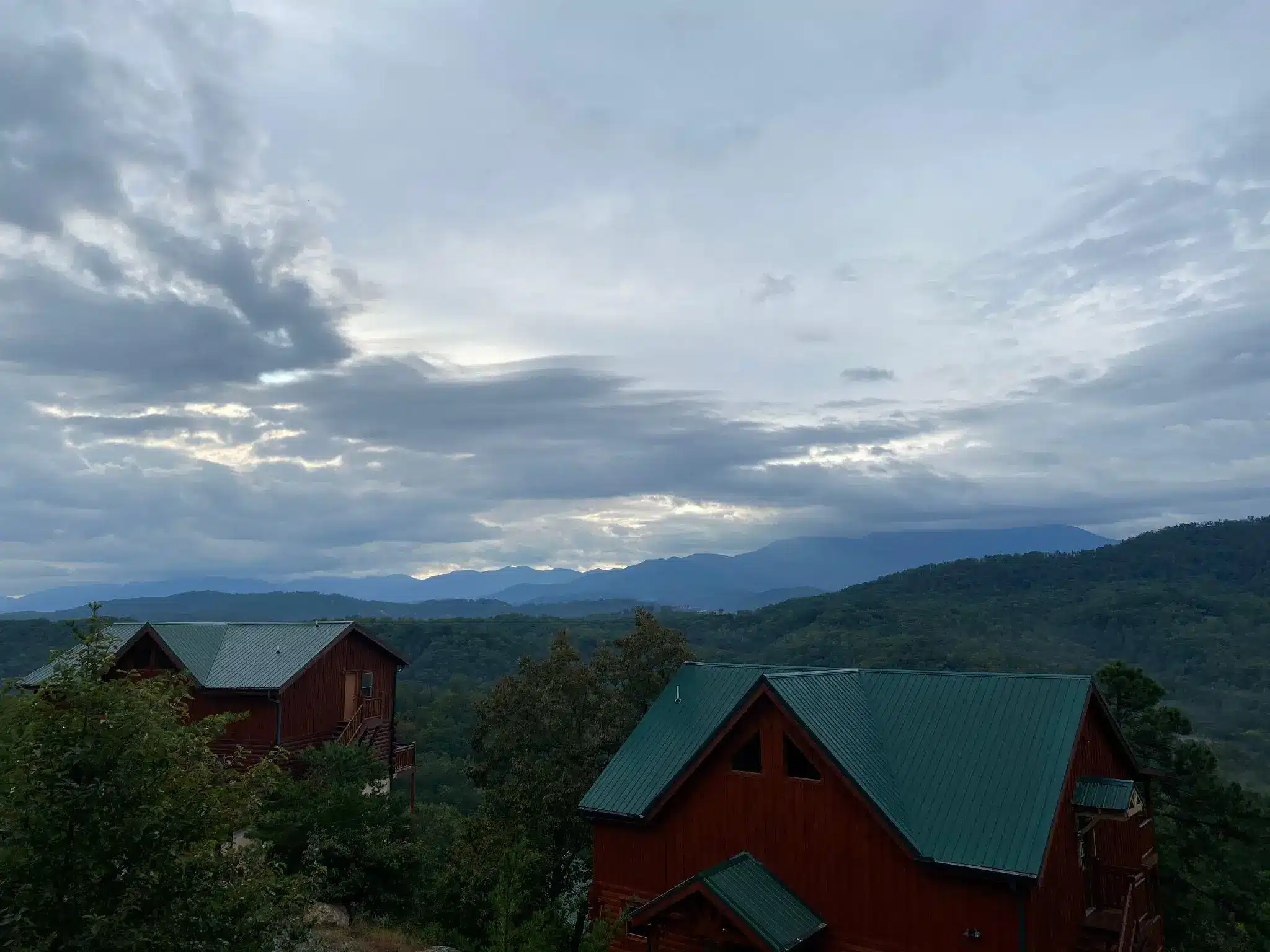
Buying property in the Smokies can begin with an emotional reaction. You see a cabin framed by trees, a deck facing layered ridgelines, or a quiet lot above a valley and immediately imagine mornings in the mountains. But mountain real estate asks buyers to look beyond scenery. Access, slope, water, septic systems, insurance, maintenance, rental rules, and long-term usability can matter as much as the view. Whether you want a primary residence, vacation home, or income property, the smartest purchase is one that still makes sense after the excitement of the first visit wears off.
Decide What the Property Needs to Do for You
Before comparing listings, define the property’s job. A full-time home, occasional retreat, and short-term rental may all look similar in photographs, but they can require very different locations, layouts, budgets, and amenities.
That distinction is useful when searching mountain homes for sale Tennessee, because the right property depends on whether personal enjoyment, rental performance, or a balance of both matters most. Local Realty Group features Smoky Mountain properties across communities including Pigeon Forge, Gatlinburg, Sevierville, and Pittman Center. Its listings cover options such as cabins, townhomes, development lots, vacation homes, and properties intended for short-term-rental investment.
Drive the Road Before Falling for the View
Mountain access deserves more attention than it receives in listing photographs.
A cabin can have spectacular views and still become frustrating if reaching it requires navigating a narrow private road, sharp turns, or a steep driveway. Visit in person when possible and pay attention to the entire route, not just the final property.
Ask who maintains private roads, whether maintenance costs are shared, and whether there are recorded access agreements. Consider how delivery vehicles, contractors, emergency services, older relatives, or vacation guests would handle the route.
Mountain scenery is valuable, but reliable access determines how easily you can enjoy it.
Treat the Land as Part of the Inspection
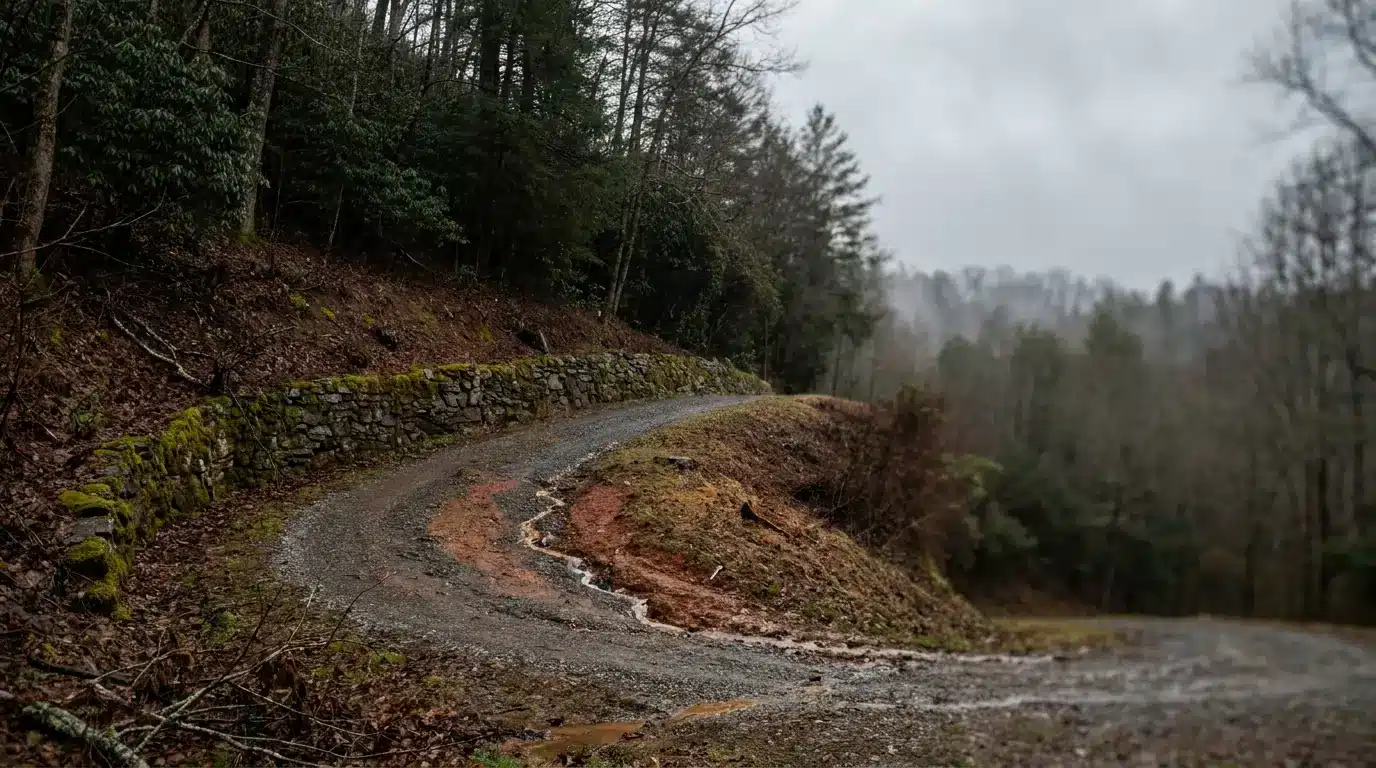
In flatter markets, buyers may focus heavily on the structure. In the Smokies, the ground beneath and around it deserves equal attention.
Slope affects drainage, retaining walls, foundations, driveway design, erosion, landscaping, and future construction.
Look for signs of drainage problems, soil movement, moisture, damaged retaining structures, and erosion. A professional inspection may also need to go beyond the ordinary interior checklist when terrain creates additional concerns.
If you are buying undeveloped land, investigate buildability before assuming a view lot can accommodate the house you have imagined. The least expensive parcel can become an expensive project if access, excavation, utilities, or wastewater requirements are difficult.
Verify Water, Septic, and Utilities Early
Do not assume a mountain property connects to the same infrastructure you would expect in a suburban neighborhood.
Some homes use wells and septic systems rather than public water and sewer. Buyers should understand what serves the specific property and inspect those systems appropriately.
For septic, verify permits, capacity, condition, and maintenance history. If you intend to market a property by bedroom count as a vacation rental, make sure the wastewater system supports the intended use.
Check internet service as carefully as electricity and water. Reliable connectivity can matter for full-time residents, remote workers, and vacation guests. Test availability at the actual address instead of assuming nearby coverage means the property will receive the same service.
Check Rental Rules Before Calculating Rental Income
If short-term rental income is part of the purchase decision, establish whether the property can legally and practically operate that way before building financial projections.
Rules can differ according to jurisdiction, and homeowners associations or deed restrictions may impose additional requirements. Confirm zoning, permits, occupancy limits, parking requirements, taxes, safety standards, and association rules that apply to the exact property.
Then examine the numbers conservatively.
For an existing rental, request verifiable operating history rather than relying only on projected revenue. Review occupancy, nightly rates, management costs, utilities, cleaning, repairs, insurance, taxes, supplies, and major replacements.
Budget for Mountain-Specific Maintenance
Owning a property surrounded by trees and steep terrain creates maintenance responsibilities that may be unfamiliar to buyers coming from cities or flatter suburbs.
Decks, exterior stain, roofs, gutters, drainage systems, retaining walls, driveways, hot tubs, HVAC equipment, wells, and septic systems can all require attention. Moisture, falling branches, pests, and weather exposure add further considerations.
Before purchasing, estimate both routine maintenance and larger future replacements. A cabin that appears affordable at closing can become uncomfortable to own if every major system is approaching the end of its useful life.
If the property will be a second home, think about who handles problems while you are away. Reliable local contractors, property managers, cleaners, and maintenance providers can become part of the practical cost of ownership.
Price Insurance Before You Make Assumptions
Insurance should be investigated early rather than treated as paperwork to handle just before closing.
Mountain properties can present different risk factors depending on location, access, construction, surrounding vegetation, elevation, rental use, and other property characteristics. Coverage and premiums can therefore vary considerably from one home to another.
If you plan to operate a short-term rental, tell the insurance professional exactly how the property will be used. A policy designed for an owner-occupied home may not address the same risks as a property regularly occupied by paying guests.
Request quotes while evaluating the purchase so the premium can be included in your ownership budget.
Buy a Property Someone Else Could Want Later
Even if you imagine keeping a Smokies property for decades, consider its future marketability.
A highly unusual cabin, difficult driveway, limited parking arrangement, awkward floor plan, or property dependent on one specific use may narrow the pool of future buyers. Conversely, practical access, functional bedrooms, attractive outdoor space, sound construction, and a desirable location can appeal to multiple types of owners.
Think about flexibility. Could the home work as a personal retreat if rental rules changed? Could a future buyer use it as a primary residence? Would families, retirees, or investors find the layout practical?
Buying in the Smokies should still be exciting. The goal is not to reduce a mountain home to a spreadsheet. It is to make sure the practical details support the reason you wanted the property in the first place.
The view may be what gets you through the door, but access, infrastructure, condition, costs, and flexibility determine whether owning the property remains enjoyable years later. When those pieces work together, the mountain setting becomes more than an attractive backdrop. It becomes part of a home you can realistically use, maintain, and value.