Finding the right place to store household belongings involves more than securing additional square footage. Furniture, electronics, and personal possessions have different storage requirements, and choosing the wrong environment can lead to damage, unexpected expenses, and unnecessary complications. Whether storing belongings during a move, renovating a home, or making room for changing household needs, understanding available storage options is essential to protecting valuable property.
The storage industry offers a wide range of solutions, from conventional self-storage units to climate-controlled facilities and professionally managed warehouse storage. Each option presents advantages depending on the type of belongings, their sensitivity to environmental conditions, and the expected storage duration. Factors such as accessibility, security, pricing, and professional handling also influence which arrangement makes the most practical and financial sense.
Making an informed decision requires evaluating the belongings themselves before comparing storage providers. A large wooden dining table, a collection of electronic devices, and boxes of important family documents should not necessarily be stored under identical conditions. By matching storage features to the specific requirements of different possessions, households can minimize risks while avoiding unnecessary costs.
Understanding the Different Types of Storage Available
Traditional self-storage remains a familiar option for individuals needing temporary or long-term space while maintaining direct control over their belongings. Customers typically rent enclosed units and independently manage packing, transportation, organization, and retrieval. Units range from compact lockers to spaces capable of accommodating an entire household. In the Chicago metropolitan area, storage needs often reflect differences in housing and relocation circumstances. Residents of densely populated Chicago neighborhoods may require additional space for seasonal possessions, while households in suburban communities such as Aurora, Wheaton, and Naperville may seek storage during renovations, downsizing, or moves between properties.
These varying requirements become particularly important when households need to coordinate storage with moving arrangements. In Naperville and surrounding DuPage County communities, delayed property closings, renovation schedules, or temporary housing transitions can create situations where belongings must be stored between residences. Transporting furniture and household possessions separately can introduce additional handling and scheduling requirements, making professionally managed storage a practical alternative to traditional self-storage. With a storage facility in Naperville, All Chicagoland provides residential moving assistance alongside professional storage services, including climate-controlled warehouse storage and organized furniture handling. Its storage services illustrate how coordinated transportation and professional management can help households protect belongings and simplify transitions between properties. Regardless of the arrangement, customers should consider accessibility, storage duration, and handling requirements before selecting a provider.
Regardless of whether customers choose self-storage or professional management, environmental protection remains an important consideration. Climate-controlled storage maintains more consistent indoor temperatures than conventional units, while some facilities also regulate humidity to reduce moisture-related damage. These conditions are particularly relevant for wooden furniture, electronics, artwork, documents, and belongings vulnerable to prolonged environmental fluctuations. Although climate-controlled units generally cost more than basic storage spaces, the additional expense may be justified when replacing damaged possessions would be significantly more expensive. Customers should also consider retrieval frequency, storage duration, transportation requirements, and overall costs when selecting an arrangement that balances convenience with adequate protection.
Evaluating Storage Requirements for Different Types of Furniture
Furniture presents storage challenges because its materials respond differently to moisture, temperature changes, pressure, and prolonged inactivity. Solid wood furniture, for example, naturally expands and contracts as surrounding humidity levels change. Excessive dryness can contribute to cracking, while persistent moisture may cause swelling, warping, or damage to finishes and joints. Upholstered furniture faces different risks, including mold growth, odors, fabric deterioration, and damage caused by improper stacking or insufficient ventilation.
Selecting an appropriately sized storage space is particularly important when accommodating large furniture pieces. A unit that appears adequate based solely on floor measurements may become difficult to organize once sofas, dining tables, dressers, and bed frames are placed inside. Customers should consider the dimensions of individual pieces, available ceiling height, door clearance, and the space needed to move safely between stored items. Furniture should generally be positioned so that heavier pieces remain stable, delicate surfaces are protected, and frequently needed belongings are accessible without requiring extensive rearrangement.
Preparation is equally important for maintaining furniture condition throughout storage. Wooden surfaces should be cleaned and thoroughly dried before being covered with breathable protective materials, while upholstered pieces should be vacuumed and allowed to dry completely. Disassembling beds, tables, and removable shelving can reduce the amount of space required and lower the risk of accidental damage during handling. Hardware should be placed in clearly labeled containers or bags, and protective padding should be used between components that could otherwise rub against one another.
Protecting Electronics From Temperature, Humidity, and Physical Damage
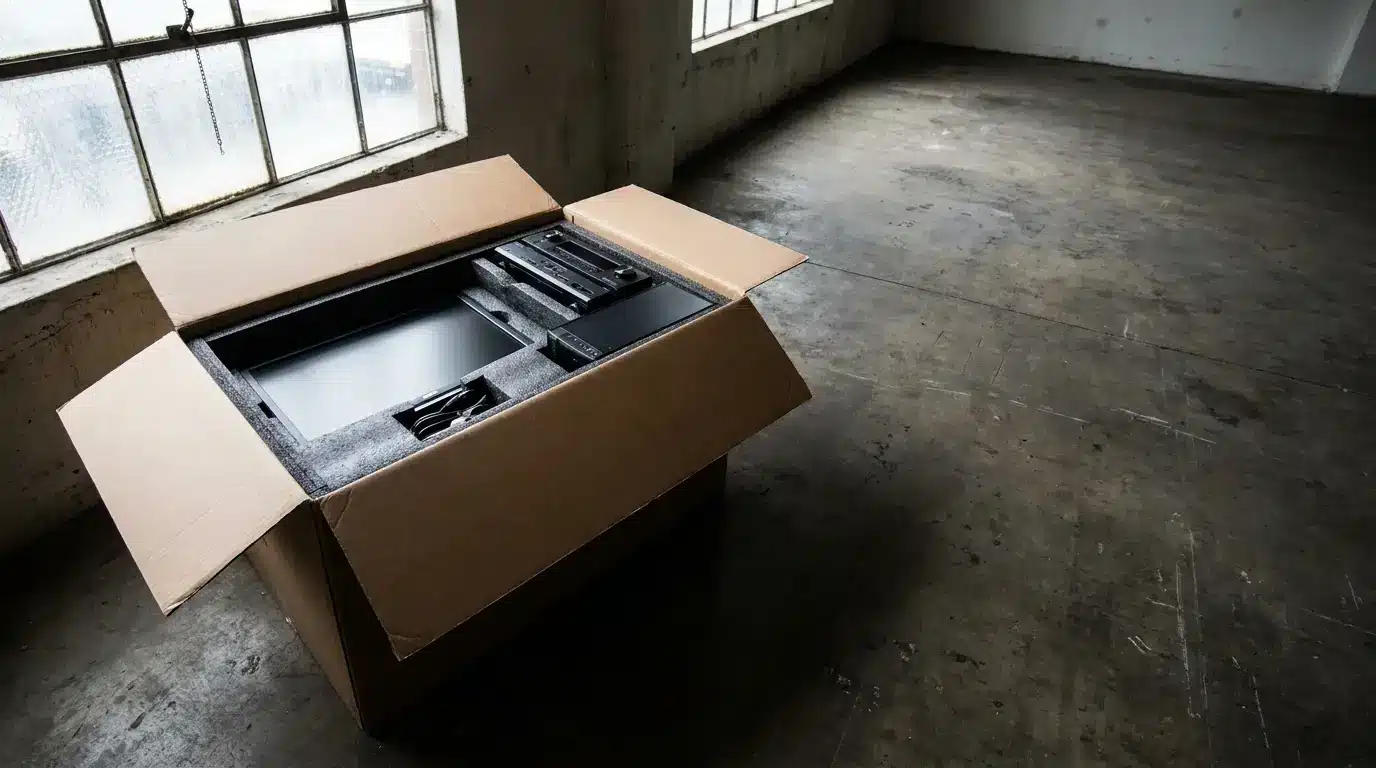
Electronics require a different level of environmental consideration because their internal components can be sensitive to moisture, condensation, excessive heat, and physical impact. Televisions, computers, gaming consoles, audio equipment, and household appliances contain circuitry and connectors that may deteriorate under unfavorable storage conditions. High humidity can encourage corrosion, while extreme temperatures may affect certain batteries, displays, adhesives, and other materials. These risks become more significant when devices remain unused for months or are stored in facilities with substantial seasonal temperature fluctuations.
A climate-controlled facility is generally preferable for valuable or sensitive electronics, particularly in regions experiencing humid summers and freezing winters. However, customers should distinguish between temperature control and humidity control because a facility offering one does not necessarily provide the other. Asking providers about their environmental management systems and typical operating conditions can help determine whether a unit is suitable for delicate equipment. Electronics should also be stored away from locations where water intrusion, condensation, or accidental contact with other heavy belongings might occur.
Proper packaging reduces the likelihood of damage during transportation and storage. Original manufacturer boxes are often useful because their fitted inserts help protect devices from movement and impact, although sturdy replacement cartons with appropriate cushioning can also work. Cables and accessories should be labeled, removable batteries should be handled according to manufacturer recommendations, and important digital files should be backed up before devices are stored. Equipment that has been exposed to cold conditions should be allowed to reach room temperature before being powered on, particularly when condensation may have formed during the transition.
Choosing Storage Conditions for Clothing, Documents, and Sentimental Belongings
Personal possessions often carry value that cannot be measured solely by their replacement cost. Family photographs, handwritten letters, inherited keepsakes, collectibles, and important records may be difficult or impossible to replace if they are damaged. These items are particularly vulnerable to gradual deterioration that may not become apparent until they are retrieved. Temperature changes, excess humidity, dust, insects, and unsuitable packaging materials can all contribute to damage during extended storage periods.
Clothing, bedding, and other textiles require careful preparation to prevent odors, staining, and deterioration. Garments should be washed or professionally cleaned and thoroughly dried before packing, since residual moisture and body oils can attract pests or contribute to fabric damage. Breathable garment bags and clean, appropriately sized containers are often preferable for delicate materials, while tightly compressed storage arrangements can cause permanent creasing in certain fabrics. Long-term storage of valuable textiles also calls for periodic inspection, particularly when the facility does not provide consistent environmental conditions.
Documents and photographs should be protected with storage materials designed for preservation rather than ordinary household packaging. Acid-free folders, archival-quality boxes, and suitable protective sleeves can reduce deterioration caused by contact with unstable paper or plastic products. Important legal and financial records may be better kept in a secure location with controlled access, especially when they could be needed unexpectedly. For irreplaceable photographs and documents, creating digital backups adds another layer of protection, although physical originals still require appropriate storage conditions.
Comparing Climate-Controlled and Standard Storage Units
One of the most consequential storage decisions involves determining whether climate control is necessary. Standard storage units generally offer enclosed space without the same level of temperature regulation found in conditioned facilities. These units can be appropriate for sturdy, less sensitive belongings such as certain metal tools, outdoor equipment, and durable household goods. However, their suitability depends on local weather conditions, facility construction, ventilation, and the materials being stored.
Climate-controlled storage becomes more attractive when belongings are sensitive to sustained heat, freezing temperatures, or significant environmental fluctuations. In the Chicago metropolitan area, seasonal weather can expose non-conditioned spaces to considerable temperature differences throughout the year. Wooden furniture, electronics, musical instruments, artwork, and important paper records may benefit from a more stable environment, particularly during extended storage periods. Even so, customers should verify whether a facility specifically controls relative humidity, since temperature regulation alone does not eliminate every moisture-related risk.
The financial decision should reflect the value and vulnerability of the belongings rather than the monthly rental price alone. A lower-cost standard unit may be sufficient for durable items that can tolerate environmental changes, while climate control may be worthwhile for possessions with substantial replacement or sentimental value. Customers should also consider how long the items will remain stored because exposure risks accumulate over time. Comparing the total expected storage expense with the potential cost of repairing or replacing damaged belongings provides a more meaningful basis for choosing between the two options.
Assessing Security, Accessibility, and Facility Management
Security is a fundamental consideration when choosing a storage facility, particularly for households storing expensive furniture, electronic equipment, or personal records. Features such as monitored entrances, surveillance cameras, perimeter fencing, adequate lighting, and individual access controls can help discourage unauthorized entry. However, security equipment is only one part of a broader protection strategy, and its effectiveness depends on maintenance, monitoring procedures, and management practices. Prospective customers should ask how the facility handles access permissions, security incidents, and situations involving damaged or compromised units.
Accessibility can be just as important as security, especially when stored belongings may be needed on short notice. Some self-storage facilities provide extended or around-the-clock access, while professionally managed warehouse facilities may require scheduled appointments or advance notice for retrieval. Drive-up units can make loading and unloading large furniture easier, while interior climate-controlled units may involve elevators, corridors, or loading docks. Before signing an agreement, customers should evaluate whether the facility’s access arrangements match their expected frequency of visits and the physical requirements of the items being stored.
Facility maintenance provides useful clues about the quality of storage operations. Clean hallways, properly functioning doors, well-maintained drainage, and visible pest-management practices can indicate consistent attention to building conditions. Customers should look for signs of water intrusion, unusual odors, excessive condensation, or poorly maintained exterior surfaces during a facility visit. A provider that communicates clearly about maintenance responsibilities, emergency procedures, and customer support is generally better positioned to address problems before they become costly.
Understanding Storage Costs, Contracts, and Insurance Coverage
Storage pricing is influenced by several variables, including unit dimensions, location, environmental controls, accessibility, and market demand. A compact unit in a suburban area may cost considerably less than a larger climate-controlled space in a densely populated neighborhood. Advertised promotional rates can make initial pricing attractive, but those offers may expire after a limited period. Customers should calculate the anticipated total expense rather than relying exclusively on the first month’s rental price.
Contracts deserve careful attention because storage arrangements may involve charges beyond the base rental rate. Administrative fees, required locks, insurance or protection-plan charges, transportation expenses, and fees for certain services can affect the final cost. Customers should also review payment schedules, late-payment penalties, rental-rate adjustment provisions, termination requirements, and restrictions on stored materials. Understanding these terms before moving belongings into storage can prevent unexpected expenses and reduce complications when the storage arrangement ends.
Insurance is another area where assumptions can prove expensive. A storage provider’s security measures do not necessarily mean that the customer’s belongings are insured against theft, fire, water damage, or other losses. Some homeowners or renters insurance policies provide limited coverage for property stored away from the primary residence, but exclusions, deductibles, and coverage limits vary. Customers should confirm their existing coverage, review any protection plan offered by the storage provider, and document the condition and estimated value of important belongings before placing them in storage.
Planning Storage Duration and Organizing Belongings Efficiently
The expected storage period should influence nearly every aspect of the storage strategy. Short-term arrangements, such as those needed during a home renovation or a gap between moving dates, often prioritize convenient access and flexible rental terms. Long-term storage creates different concerns because belongings may remain untouched through multiple seasons and become more vulnerable to unnoticed environmental problems. Customers anticipating extended storage should place greater emphasis on stable conditions, durable packaging, and arrangements that permit occasional inspection.
Efficient organization can reduce both storage costs and the effort required to retrieve belongings. Creating an inventory before packing helps households identify unnecessary items and determine the amount of space they actually need. Boxes should be labeled on multiple sides, and related belongings should be grouped together according to their purpose or expected retrieval date. Placing frequently needed items near the entrance while keeping heavier boxes at the bottom of stable stacks makes the storage unit safer and easier to use.
A simple layout plan can improve the usability of larger storage spaces. Leaving accessible pathways, positioning furniture to avoid unnecessary pressure on delicate surfaces, and using suitable shelving can help prevent damage and reduce the need to move multiple items during retrieval. Customers should avoid stacking heavy containers on fragile furniture or creating unstable arrangements that could collapse. For long-term storage, maintaining a digital inventory with photographs and box numbers can make it significantly easier to locate specific belongings without opening every container.
Avoiding Common Storage Mistakes That Lead to Damage
One of the most frequent storage mistakes is choosing a unit based on price without considering the specific requirements of the belongings. A low monthly rate may appear attractive, but the savings can quickly disappear if furniture becomes warped, electronics suffer moisture damage, or valuable documents deteriorate. Customers sometimes underestimate the effects of seasonal weather or assume that all enclosed storage spaces offer comparable protection. Evaluating environmental conditions, building maintenance, and storage suitability before making a decision helps avoid these preventable problems.
Improper packing is another common source of damage. Overfilled boxes can split during handling, fragile objects may break when packed without adequate cushioning, and plastic wrapping can trap moisture against certain furniture surfaces. Storing belongings before they are completely dry creates additional risks, particularly for upholstered furniture, clothing, and household appliances. A carefully planned packing process, using materials appropriate to each item, is often more effective than attempting to maximize space through excessive compression or stacking.
Failing to review belongings periodically can also create unnecessary complications. Customers may continue paying for items they no longer need, overlook developing moisture problems, or forget which possessions are stored in particular containers. When access arrangements permit, occasional inspections can help identify packaging deterioration, pest activity, and other warning signs before damage becomes extensive. Reviewing the inventory periodically also creates opportunities to donate, sell, or discard belongings that no longer justify the expense of storage.
Making a Long-Term Storage Decision That Protects Value
The most suitable storage option is not necessarily the largest unit, the least expensive facility, or the provider offering the longest list of amenities. It is the arrangement that adequately protects the belongings while meeting practical requirements for access, cost, and duration. Furniture, electronics, and personal possessions each require different considerations, and a successful storage plan accounts for those differences rather than treating every item alike. Understanding material sensitivity, environmental exposure, and handling requirements provides a sound foundation for selecting the right solution.
Households should compare storage providers using consistent criteria rather than making decisions based on promotional pricing alone. Facility conditions, security procedures, customer access, contractual flexibility, transportation requirements, and insurance arrangements all contribute to the overall value of a service. Visiting facilities when possible and asking detailed questions can reveal differences that are not apparent in online descriptions. A well-managed storage arrangement should provide clarity about responsibilities, straightforward access policies, and suitable protection for the items being stored.
Ultimately, effective storage is an exercise in protecting household assets while preserving flexibility for future needs. Taking inventory, preparing belongings correctly, and selecting appropriate environmental conditions can reduce the likelihood of damage and avoidable expenses. Whether the goal is to create additional space at home, manage a temporary transition, or preserve possessions for years, careful planning makes storage more reliable and economical. The right decision allows valuable belongings to remain secure, organized, and in usable condition until they are needed again.