If you’ve ever noticed tiny, flesh-colored bumps that make your skin feel rough and uneven, you may be dealing with closed comedones. These stubborn bumps are a common form of comedonal acne and can be frustrating because they often don’t respond to traditional pimple treatments.
Unlike inflamed acne, closed comedones usually aren’t red or painful, but they can significantly affect skin texture and may eventually turn into more severe breakouts if left untreated.
What Are Closed Comedones?
Closed comedones, commonly known as whiteheads, occur when a pore becomes clogged with oil, dead skin cells, and debris but remains covered by a thin layer of skin. Because the pore isn’t open to the air, the trapped material doesn’t oxidize and turn black like a blackhead.
These bumps typically appear on:
- Forehead
- Chin
- Cheeks
- Jawline
- Chest
- Back
The skin often feels bumpy or textured rather than inflamed.
What Is Comedonal Acne?
Comedonal acne is a type of acne that consists primarily of whiteheads (closed comedones) and blackheads (open comedones). Unlike inflammatory acne, it generally doesn’t involve redness, swelling, or pus-filled pimples.
Although comedonal acne is particularly common during adolescence, many adults continue to struggle with it due to hormonal changes, skincare habits, and lifestyle factors.
What Causes Closed Comedones?
Several factors can contribute to the development of closed comedones.
Excess Oil Production
Overactive sebaceous glands produce too much oil, which mixes with dead skin cells and clogs pores.
Dead Skin Cell Build-Up
When dead skin cells aren’t shed properly, they accumulate inside the follicles and create blockages.
Hormonal Changes
Hormonal fluctuations during puberty, menstruation, pregnancy, or periods of stress can increase oil production and trigger breakouts.
Comedogenic Skincare Products
Heavy moisturizers, thick makeup, and oily products may clog pores and worsen comedonal acne in some individuals.
Environmental Factors
High humidity and excessive sweating can contribute to clogged pores and increase the likelihood of developing closed comedones.
How to Get Rid of Closed Comedones
Treating closed comedones requires patience because they form beneath the skin’s surface and may take several weeks or months to fully clear.
1. Use Salicylic Acid
Salicylic acid is one of the most effective ingredients for comedonal acne because it penetrates the pores and helps dissolve excess oil and dead skin cells.
Many dermatologists recommend using salicylic acid cleansers or leave-on treatments several times per week.
2. Incorporate Retinoids
Retinoids, such as adapalene or prescription tretinoin, help increase cell turnover and prevent pores from becoming clogged.
While retinoids can initially cause irritation or temporary purging, they are considered one of the most effective long-term treatments for comedonal acne.
3. Try Azelaic Acid
Azelaic acid can help improve skin texture and reduce clogged pores while being gentler than some other acne treatments.
4. Choose Non-Comedogenic Products
Look for skincare and makeup products labeled:
- Non-comedogenic
- Oil-free
- Lightweight
- Fragrance-free if you have sensitive skin
Using the wrong products can worsen closed comedones and make treatment more difficult.
5. Avoid Picking or Squeezing
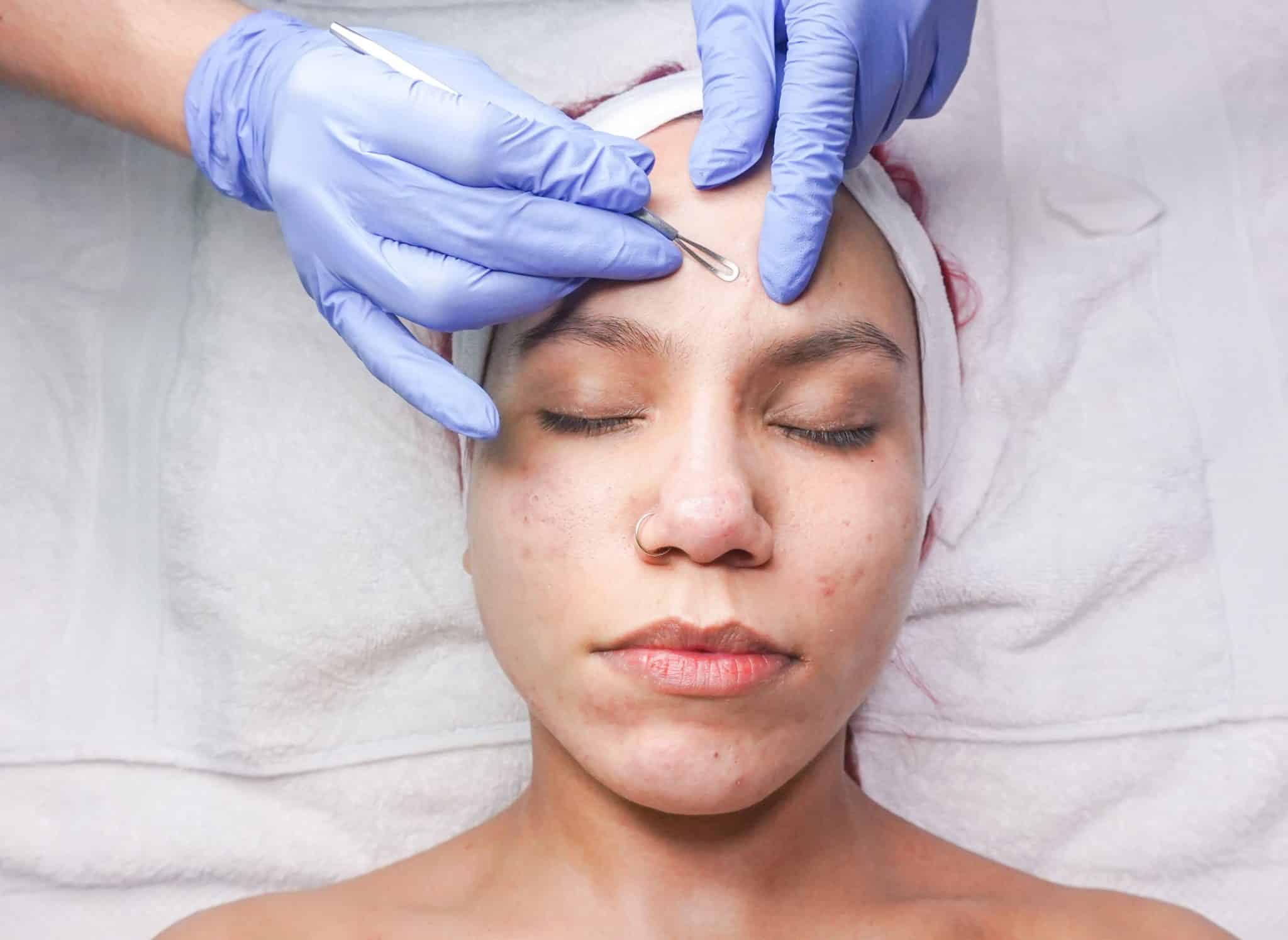
Attempting to pop closed comedones can damage the skin, cause inflammation, and potentially lead to scarring or infection. Dermatologists generally recommend professional extraction if removal is necessary.
Can Diet Affect Comedonal Acne?
Research suggests that certain dietary factors may contribute to acne in some individuals. High-sugar diets, excessive dairy consumption, and highly processed foods have been associated with acne development in certain people, although responses vary from person to person.
Keeping a food journal may help identify personal triggers.
How Long Does It Take to Clear Closed Comedones?
One of the most frustrating aspects of closed comedones is how long they can take to disappear.
Most treatments require at least:
- 8 to 12 weeks for noticeable improvement
- Several months for significant clearing
- Consistent use of products for long-term results
Stopping treatment too early is one of the biggest reasons people don’t see improvements.
When Should You See a Dermatologist?
Consider seeing a dermatologist if:
- Your comedonal acne doesn’t improve after several months.
- The bumps become inflamed or painful.
- Over-the-counter products cause significant irritation.
- You develop scarring or severe breakouts.
A dermatologist may recommend prescription-strength retinoids, hormonal treatments, or professional procedures such as chemical peels and comedone extraction.
Final Thoughts
Closed comedones and comedonal acne are extremely common and can affect people of all ages. Although these tiny bumps may seem harmless, they can be persistent and frustrating to treat.
The good news is that with the right skincare routine, non-comedogenic products, and proven ingredients like salicylic acid and retinoids, most people can significantly improve their skin texture and reduce future breakouts.
Patience and consistency are key. Treating comedonal acne is often a gradual process, but with proper care, smoother and clearer skin is achievable.