

Have you ever looked around your home and wondered where all the space went? Americans are buying fewer giant houses than they did before the 2008 crash, yet our stuff keeps multiplying like streaming subscriptions. Rising housing costs, remote work, and the strange popularity of “tiny luxury” have pushed people to rethink every closet, hallway, and forgotten corner. The modern home is no longer just a place to live. It has become an office, gym, classroom, movie theater, and sometimes a sanity shelter.
The Rise of the Flexible Room
The old idea of assigning one purpose to each room is fading fast. Dining rooms now double as Zoom headquarters, and guest bedrooms often become workout studios with a treadmill staring at a pile of unfolded laundry. This shift is partly economic and partly cultural. Americans are staying in their homes longer because mortgage rates remain stubbornly high, so instead of moving, they are adapting.
Flexible furniture makes this easier than ever. A wall-mounted desk can disappear after work hours, while storage ottomans quietly hide blankets, board games, and charging cables. Even a narrow hallway can become useful when fitted with shallow shelving for books or baskets. The key is to treat every square foot like expensive real estate because, in most cities, it absolutely is.
Turning Forgotten Areas Into Valuable Space
Basements, attics, and garages used to serve as dumping grounds for holiday decorations and mysterious cables nobody wanted to throw away. Now they are becoming some of the most valuable parts of the home. Homeowners trying to stretch their living space without adding square footage often look up basement finishing near me after realizing that a dark storage area could become a media room, rental suite, or quiet office.
This trend reflects a larger shift in how Americans think about property value. Since construction costs remain high and housing inventory stays tight, improving unused spaces often makes more financial sense than moving. A finished basement with proper insulation, layered lighting, and moisture control can feel just as welcoming as the main floor. The irony is that many families already have extra space hiding beneath their feet while searching online for larger homes they cannot comfortably afford.
Vertical Storage Is the New Secret Weapon
Most people focus on floor space while ignoring the empty walls around them. That habit wastes valuable room, especially in smaller homes and apartments where every inch matters. Vertical storage has become popular because it creates order without making a room feel crowded.
Tall shelving units draw the eye upward and make ceilings appear higher. Hanging pots in the kitchen frees cabinet space while giving the room a warm, lived-in look that social media influencers love pretending happens naturally. Even over-door organizers can hold cleaning products, shoes, or pantry items without eating into walking space. The trick is to avoid turning walls into clutter museums. Open shelving works best when it mixes useful storage with breathing room, or the space starts looking like a discount warehouse during holiday sales.
Furniture That Earns Its Keep
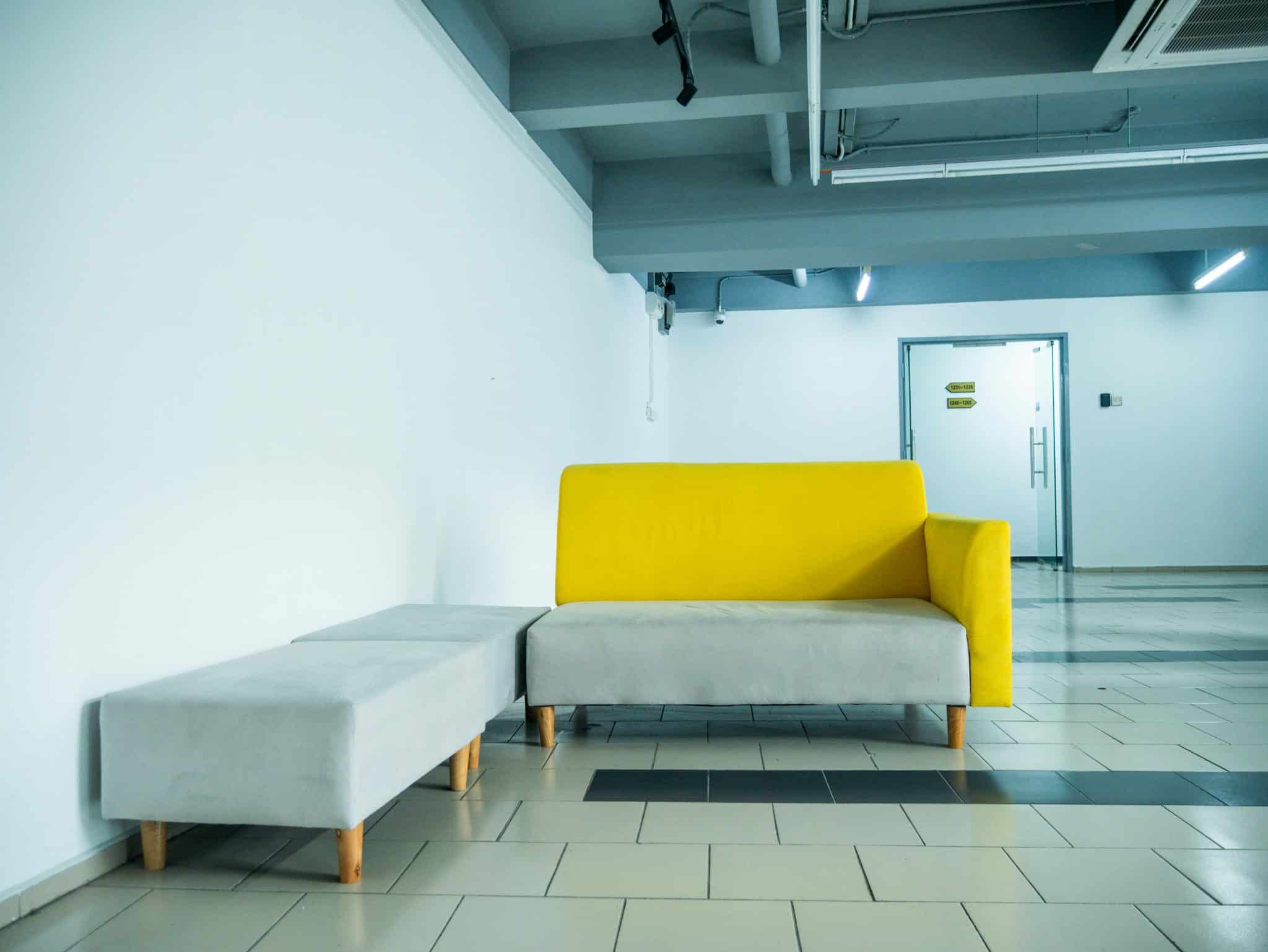
Furniture now needs to justify its existence. The giant sectional sofa that comfortably seats ten people sounds impressive until it swallows half the living room and leaves nowhere to walk. Multifunctional pieces have become more appealing because they solve several problems at once.
Beds with built-in drawers can replace bulky dressers, while expandable tables allow a small kitchen to host guests without feeling cramped every day. Murphy beds are also making a comeback, which feels like one of those retro trends nobody expected to return. What once seemed old-fashioned now feels practical and oddly stylish. Choosing adaptable furniture matters because oversized pieces shrink a room visually and mentally. A home feels calmer when it has space to move, breathe, and exist without constant obstacle courses around decorative chairs nobody actually sits in.
The Kitchen Needs Smarter Zones
Kitchens have become command centers for modern families, especially since remote work blurred the line between office hours and dinner prep. Unfortunately, many kitchens were designed for a world where people were not simultaneously answering emails, helping with homework, and searching for snacks every twenty minutes.
Creating zones can make a cramped kitchen feel dramatically larger. Store coffee supplies together in one area, baking tools in another, and everyday dishes near the dishwasher for faster cleanup. Pull-out shelves and magnetic knife strips also free up hidden space. Some homeowners even replace upper cabinets with open shelving to reduce visual heaviness. The goal is not perfection. It is efficiency. A kitchen feels bigger when movement becomes easier and counters stop acting like temporary parking lots for unopened mail and reusable grocery bags.
Small Bedrooms Can Still Feel Luxurious
A smaller bedroom does not have to feel like a cramped hotel room beside an airport vending machine. The biggest mistake people make is overfilling the space with unnecessary furniture. One oversized bed frame, two large nightstands, and a decorative bench can quickly consume the entire room.
Lighter paint colors reflect natural light and create openness, while mirrors help bounce brightness around the room. Under-bed storage remains one of the easiest ways to reclaim hidden space without expensive renovations. Wall-mounted lamps also free up bedside surfaces and make the room feel cleaner. Many designers now encourage “visual quiet,” which simply means reducing unnecessary objects so the room feels calmer. In a world full of nonstop notifications and crowded schedules, a peaceful bedroom has started to feel less like a luxury and more like basic survival.
The future of home design is not necessarily about owning larger houses. It is about using existing space with more creativity and intention. As housing prices continue climbing and lifestyles keep evolving, Americans are learning that smart design often matters more than raw square footage. The most successful homes are not the biggest ones. They are the ones that quietly adapt to the people living inside them, even when life becomes messy, loud, and wonderfully unpredictable.