
Sitting in the salon chair, unsure which service to book, is more common than you think. The wrong choice can mean unexpected costs, faster regrowth, or results that don’t match what you pictured.
Understanding full highlights vs partial highlights makes that decision much easier. Both services lighten your hair, but the coverage, cost, and upkeep differ significantly.
Your hair type, lifestyle, and budget all play a role in picking the right option. Keep reading to find out exactly what each service covers, how the results differ, and which one best suits your hair goals.
Full Highlights Vs Partial Highlights: The Quick Answer
The core difference comes down to how much hair gets lightened and where. Full highlights lighten nearly the entire head, while partial highlights brighten only the sections that show most.
Full highlights cover around 80 to 90 percent of your hair, worked through every layer for a bright, uniform result. This is the choice for an all-over color change.
Partial highlights cover around 40 to 60 percent, focused on the top layers and face-framing pieces, leaving the underneath your natural shade for a softer, grown-in feel.
Everything else, from cost and chair time to upkeep, follows from that single difference in coverage. The sections below break down each service so you can match it to your hair.
What Are Full Highlights?

Full highlights cover the entire head of hair from root to tip, including the underlayers, sides, and top sections.
You might also hear them called a full head of foils or all-over highlights.
The idea is straightforward. Color is placed throughout every section of the hair, not just where it shows the most.
This creates a bright, uniform finish. The lighter pieces are distributed evenly, so your base color is significantly lifted all the way through.
The result feels like a complete transformation rather than a subtle refresh, making it the right choice when you want maximum brightness and full coverage.
- Pros: Full color transformation with a brighter, uniform result; even distribution across all layers; and more styling flexibility since color shows from every angle.
- Cons: Higher cost from added time and product; touch-ups needed every 6–8 weeks; and more chemical exposure that can affect hair health over time.
What Are Partial Highlights?
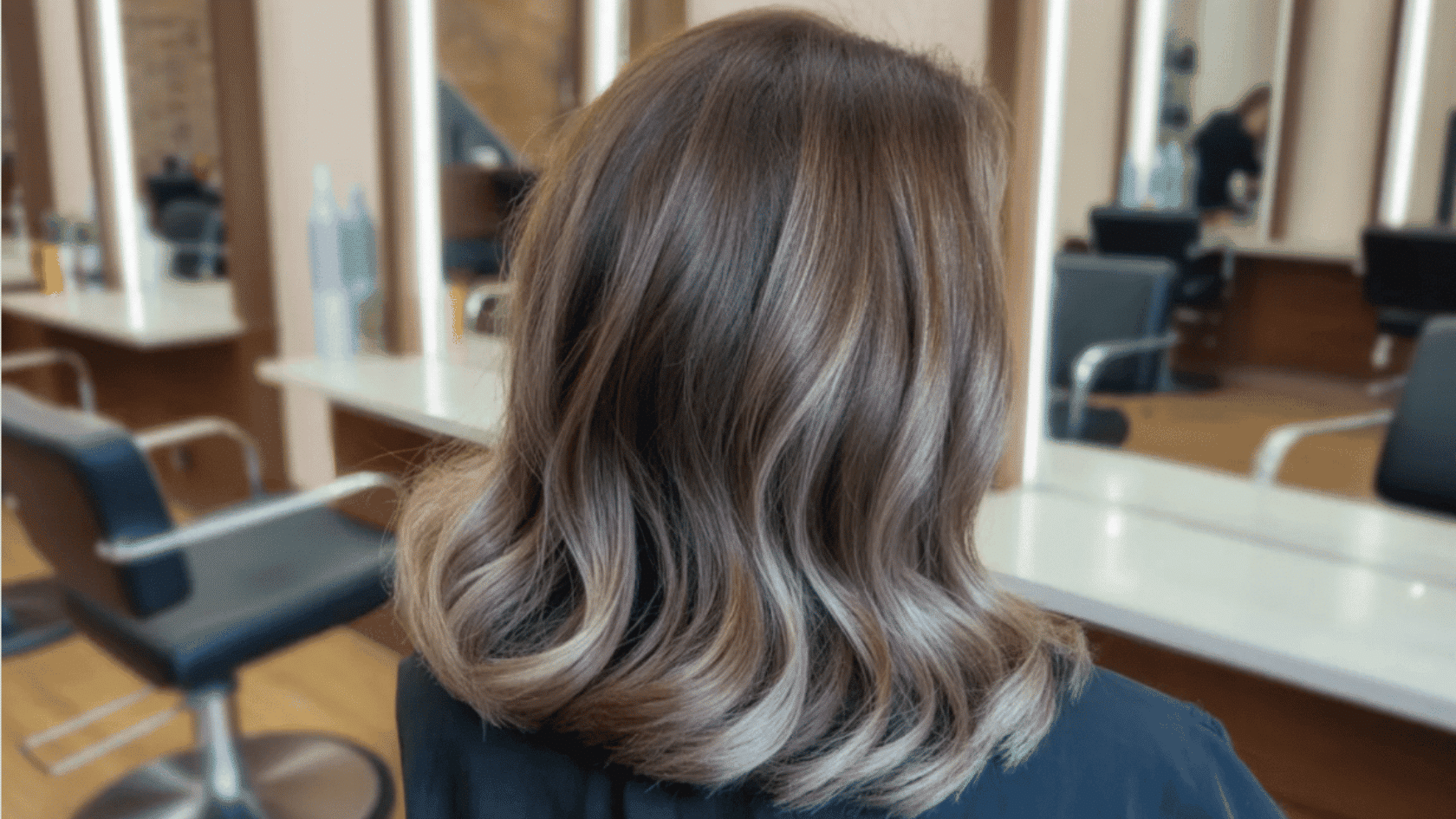
Partial highlights focus on lighting specific sections of your hair instead of the whole head. In most cases, this includes the top layer, crown, and the pieces framing your face.
You might also hear them called a half-head of highlights or a half-head of foils.
The idea is simple. Color is placed where it shows the most, keeping the underlayers and back sections untouched.
This creates a soft, natural-looking finish. The lighter pieces blend with your base color, so your original shade stays visible underneath.
The result feels like a gentle, sun-kissed lift rather than a full color change, making it a good starting point for anyone new to highlighting.
- Pros: Subtle, natural finish that blends with your base; lower cost; quicker salon time; and less chemical processing, so it’s gentler on hair.
- Cons: Limited color change if you want a lighter look; less noticeable when hair is tied up; and not ideal for bold, dramatic transformations.
Full Highlights Vs Partial Highlights Vs Balayage
Full highlights, partial highlights, and balayage all add lighter tones but differ in coverage, technique, and maintenance. The right choice depends on how much brightness and upkeep you want.
| Factor | Full Highlights | Partial Highlights | Balayage |
| Coverage | Entire head (around 80–90%) | Top layers and face-framing sections (around 40–60%) | Selected sections, mainly mid-lengths and ends |
| Technique | Foils throughout the hair | Foils on limited sections | Hand-painted color placement |
| Result | Bright, uniform color | Soft, natural dimension | Blended, sun-kissed effect |
| Timing | Longer appointment, about 3–4 hours | Shorter appointment, about 2–3 hours | Similar to a partial, around 2–3 hours |
| Cost | Higher, more product and chair time | Lower, less product and chair time | Mid-range, varies with length |
| Maintenance | Higher upkeep | Lower upkeep | Lowest upkeep with natural grow-out |
| Best For | Major color change | Subtle brightness | Low-maintenance, natural-looking color |
Full highlights are ideal for a brighter overall transformation, while partial highlights add dimension without full coverage. Balayage suits those who want a softer blend, easier grow-out, and fewer salon visits.
Partial Highlights on Different Hair Colors
Partial highlights can work on many hair colors when the right shade is chosen. The key is picking tones that blend well with your natural base.
Different hair colors respond differently to highlights, so choosing tones that complement your base is important.
1. Partial Highlights on Brown Hair
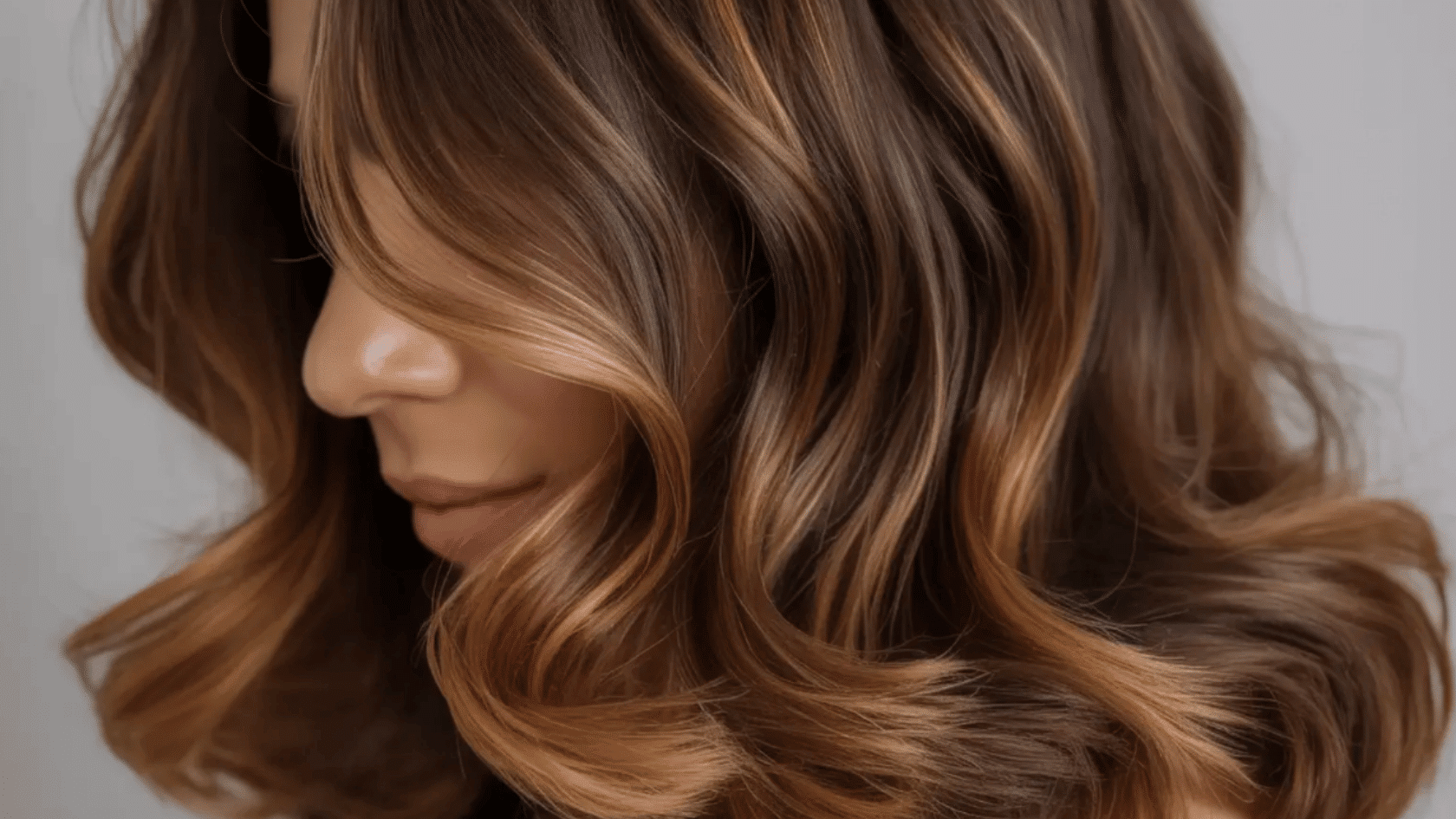
Brown hair works well with partial highlights because lighter tones add dimension while keeping the natural richness of the base color.
- Best Shades: Caramel, honey, and golden brown tones
- Result: Creates a soft, natural glow with added depth without making the hair look too bright.
- Best for: Anyone wanting subtle brightness while maintaining a natural brown base.
2. Partial Highlights on Black Hair
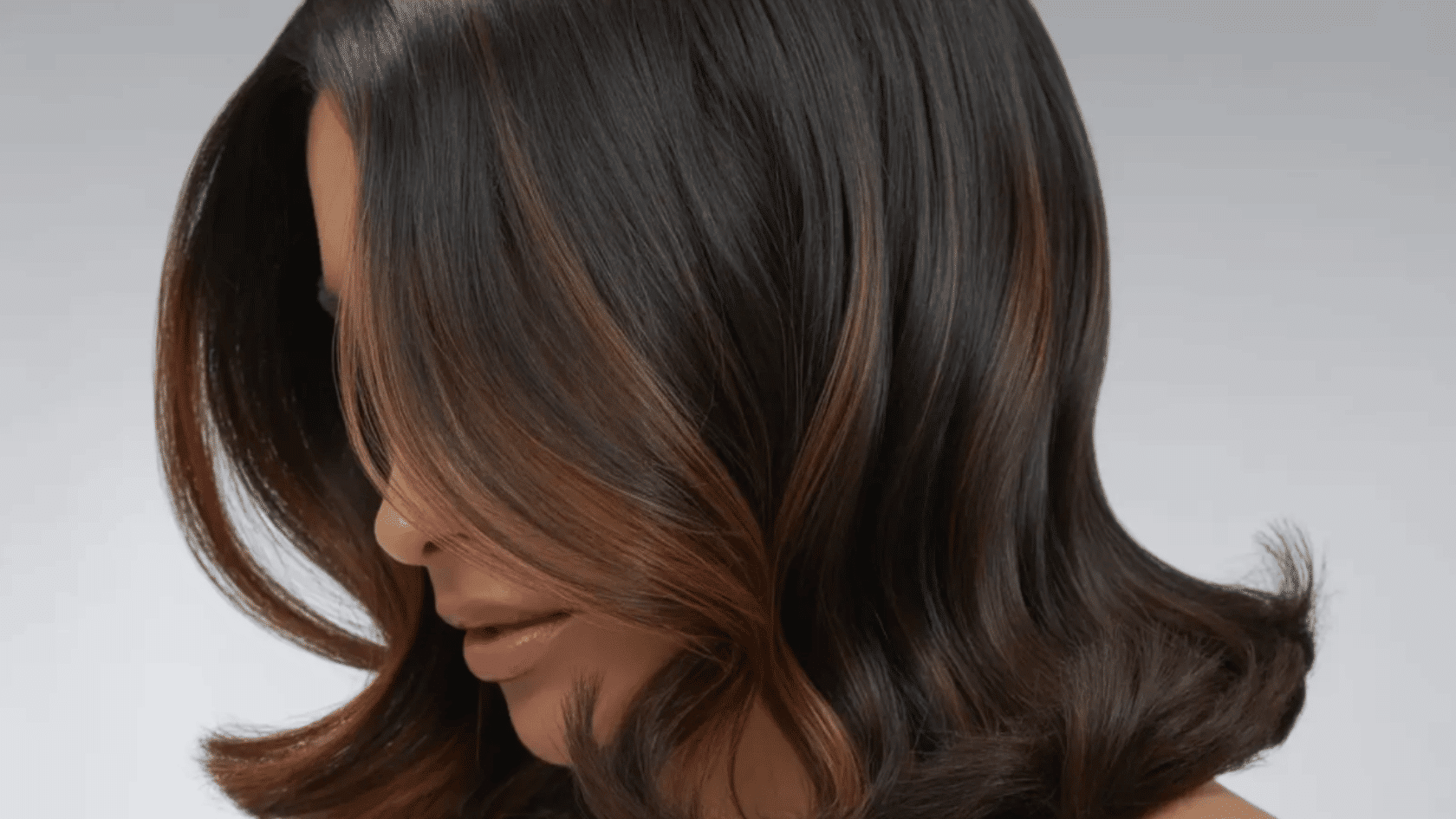
Black hair pairs well with partial highlights when softer shades are used to create balanced contrast and dimension.
- Best Shades: Dark brown, mocha, and subtle burgundy tones
- Result: Adds depth and movement while preventing the highlights from looking too harsh against dark hair.
- Best for: Anyone wanting a low-maintenance change with a natural finish.
3. Partial Highlights on Blonde Hair
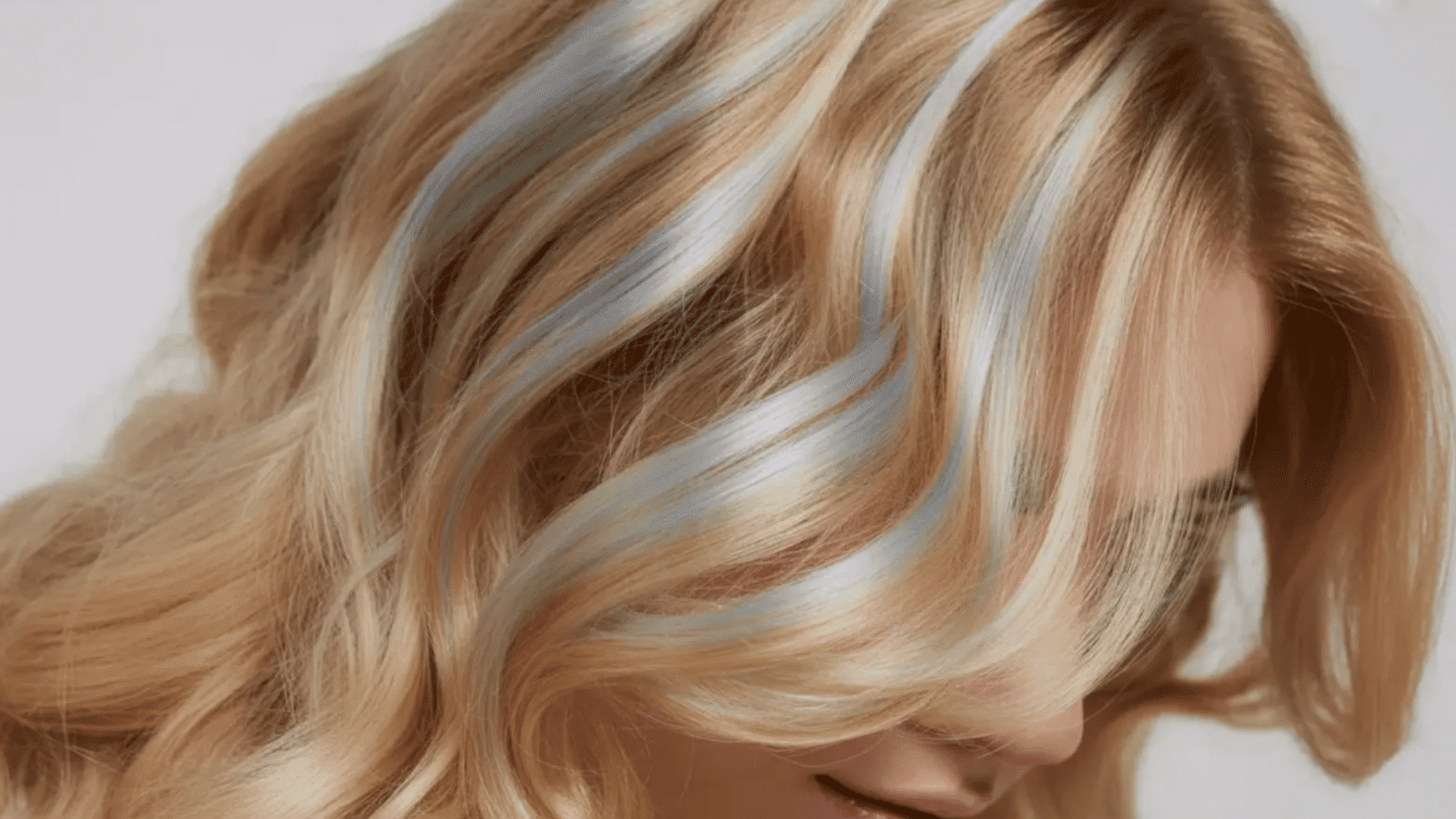
Blonde hair works well with partial highlights because lighter shades can enhance brightness without fully changing the base color.
- Best Shades: Platinum, ash blonde, and soft beige tones
- Result: Creates a brighter, blended appearance while adding variation to blonde hair.
- Best for: Anyone wanting a refreshed blonde look without full-color changes.
4. Partial Highlights on Red Hair
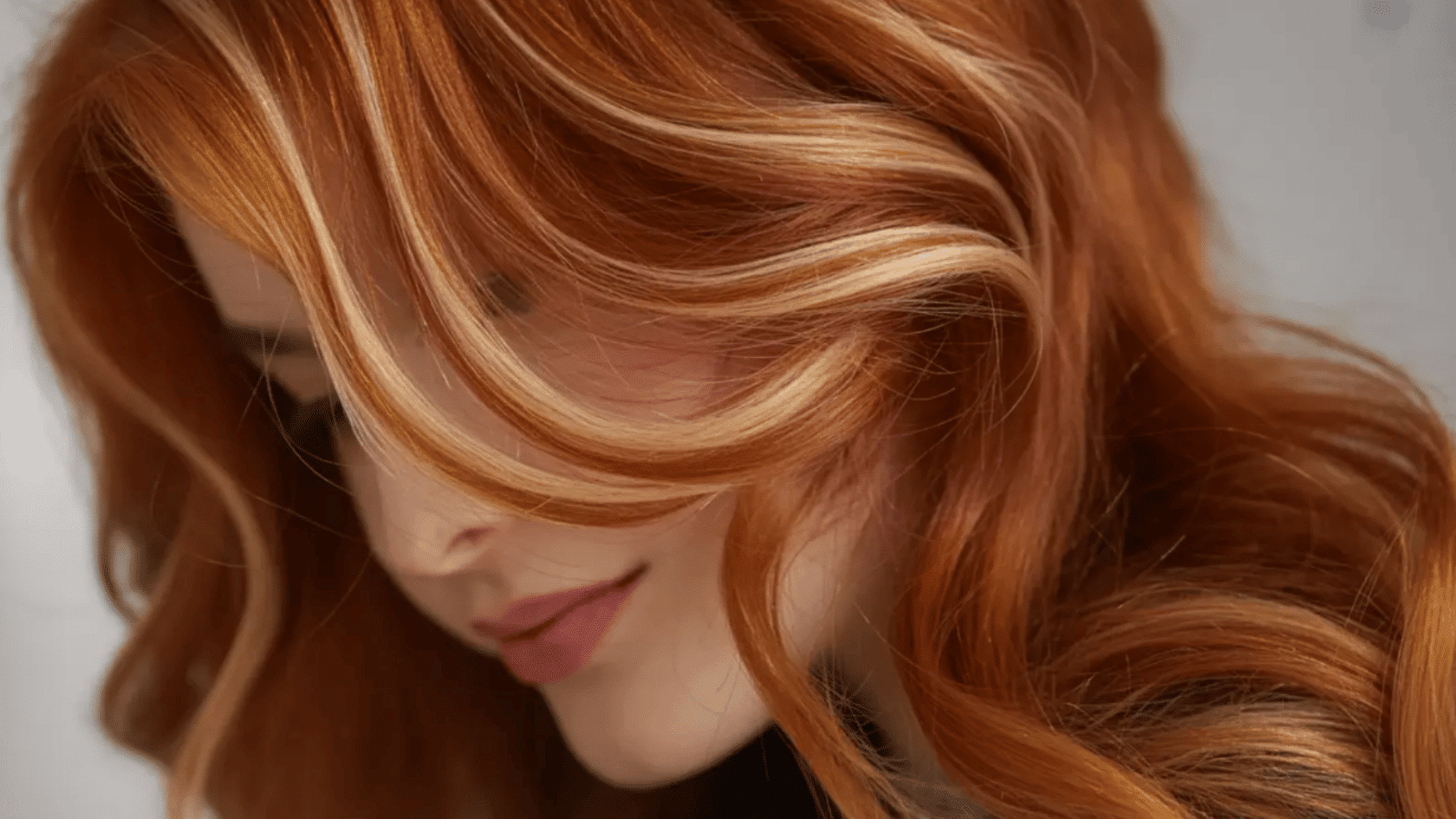
Red hair looks richer with warm-toned partial highlights that enhance natural color and add dimension.
- Best Shades: Copper, strawberry blonde, and light auburn tones
- Result: Boosts warmth and creates a balanced, multi-tonal finish without overpowering the red base.
- Best for: Anyone wanting to enhance natural red tones with subtle brightness.
Partial highlights can enhance almost any hair color when the shades match the natural base. The right tones add depth, brightness, and movement while keeping the overall look balanced.
Full Highlights On Different Hair Colors
Full highlights can create a more noticeable color change because lighter tones are placed throughout the hair.
The best shade depends on your natural base color, desired brightness, and the level of contrast you want.
1. Full Highlights On Brown Hair
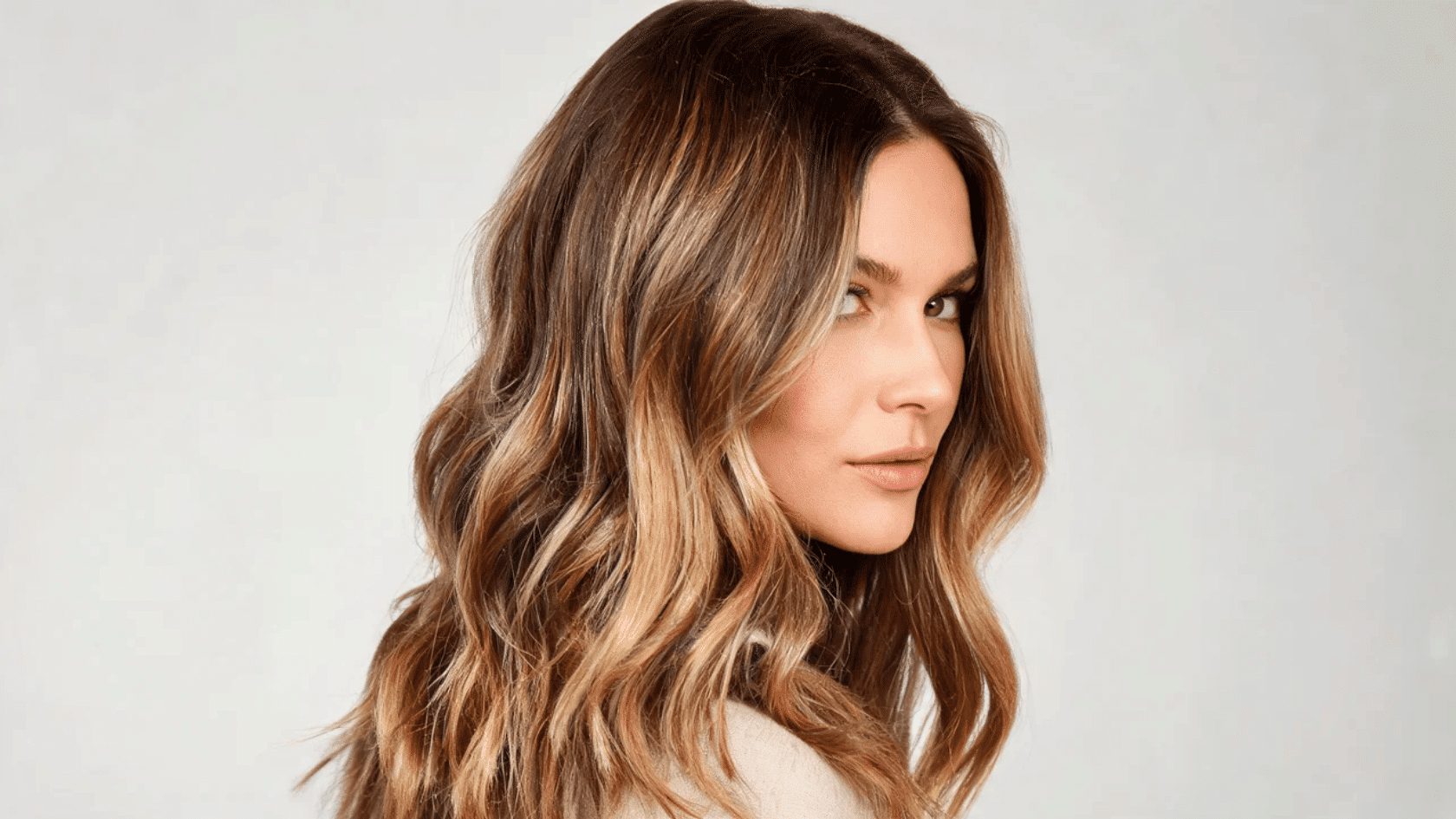
Brown hair works well with full highlights because lighter tones can add brightness while maintaining the richness of the base color.
- Best Shades: Caramel, honey, golden blonde, and beige tones
- Result: Adds brightness throughout the hair while keeping brown tones warm and dimensional.
- Best for: Anyone wanting a lighter look without completely losing their natural base.
2. Full Highlights On Black Hair
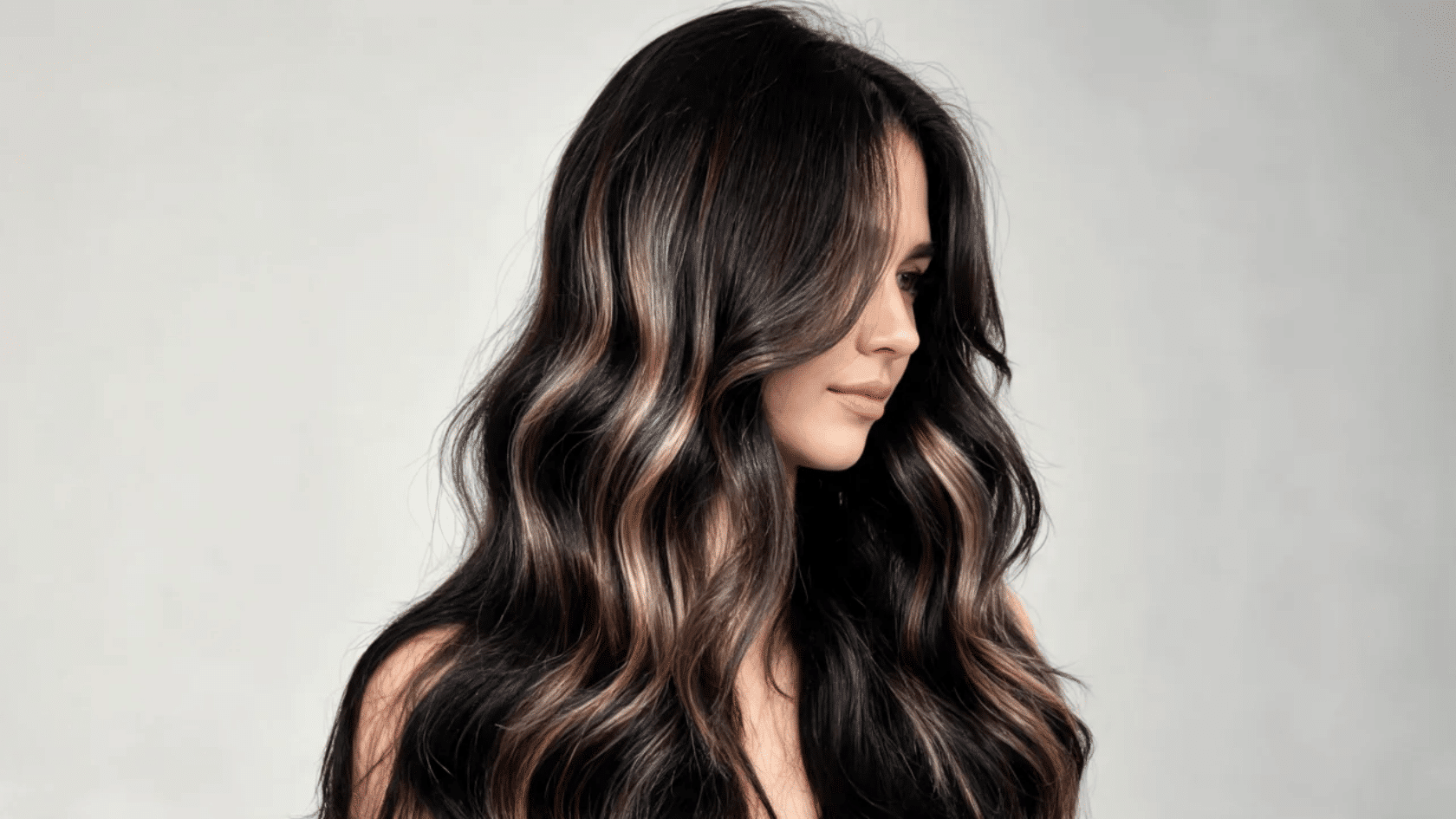
Black hair creates a strong base for full highlights, allowing lighter shades to add contrast while keeping the overall look balanced and natural.
- Best Shades: Mocha, chestnut, caramel, and soft ash brown
- Result: Creates visible contrast and lifts the overall appearance of very dark hair.
- Best for: Those wanting a noticeable transformation while avoiding overly harsh color changes.
3. Full Highlights On Blonde Hair
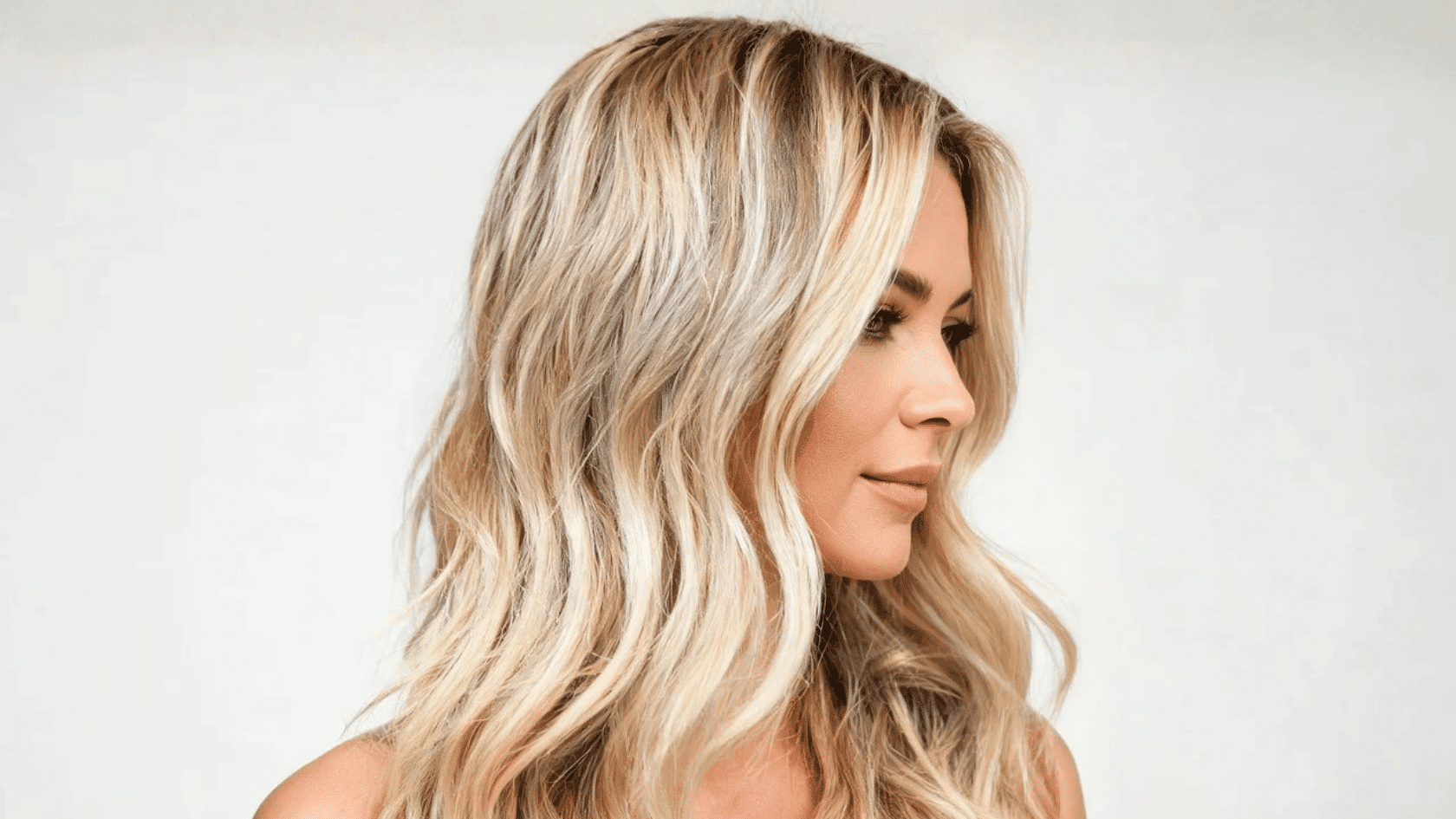
Blonde hair pairs well with full highlights because lighter tones can enhance existing color while adding more brightness, depth, and dimension.
- Best Shades: Platinum, champagne, ash blonde, and beige tones
- Result: Enhances brightness and creates a refreshed, multi-tonal blonde finish.
- Best for: Anyone wanting a lighter, more blended blonde appearance.
4. Full Highlights On Red Hair
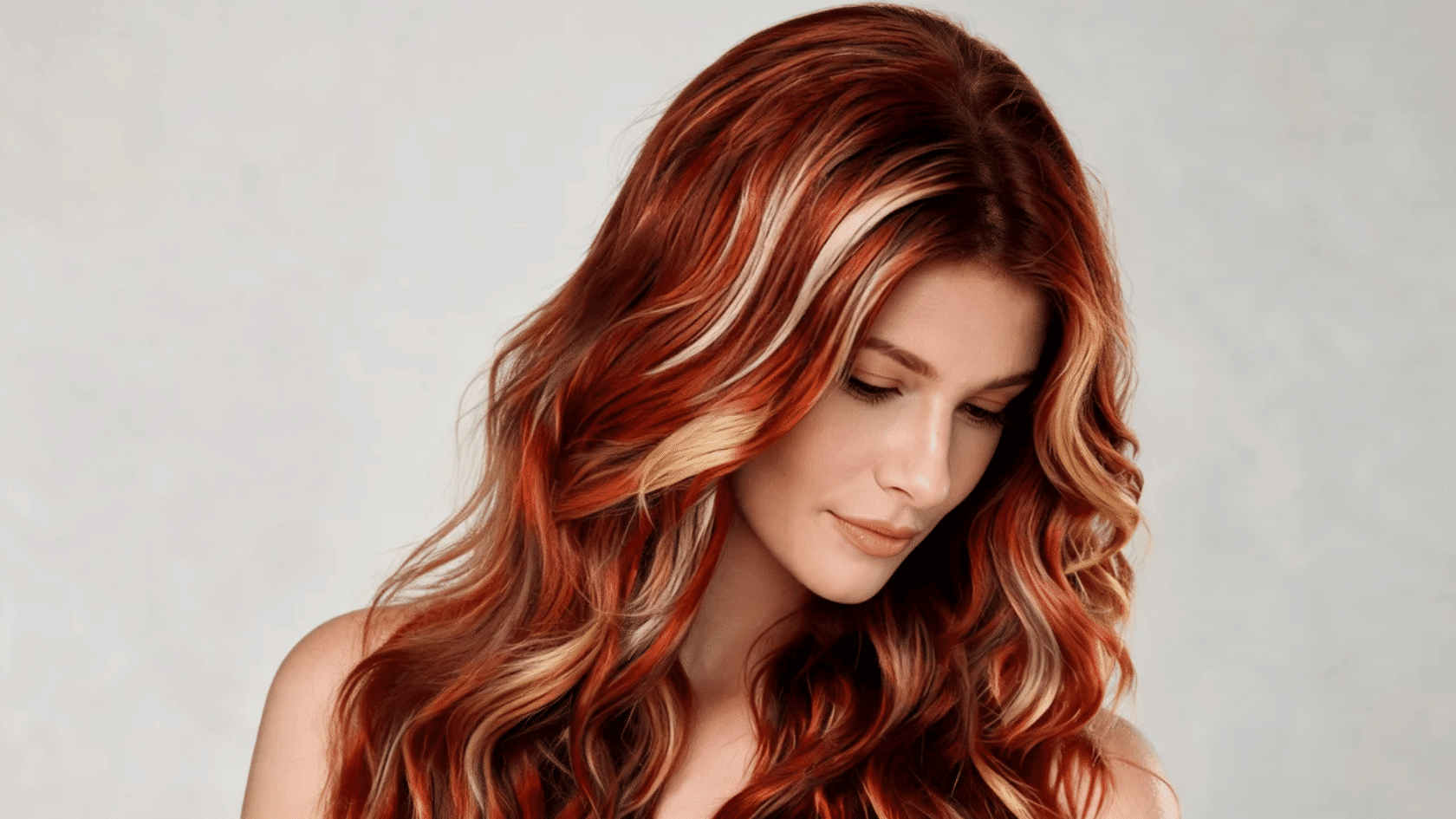
Red hair works beautifully with full highlights because warm tones can enhance the natural richness of the base while adding brightness and visible dimension.
- Best Shades: Copper, strawberry blonde, golden blonde, and light auburn
- Result: Enhances natural warmth while adding more depth and brightness from root to tip.
- Best for: Those wanting richer red tones with added dimension.
Choosing the right full highlight shade helps balance your natural hair color with your desired result. A well-matched tone can create brightness, depth, and a more seamless overall finish.
Best Products to Maintain Your Highlights
Highlights fade fastest when aftercare gets ignored, so the products you reach for between salon visits matter almost as much as the service itself.
Rather than list everything at once, here’s how I’d group them by what your hair actually needs after a highlight.
- For protecting and softening color-treated hair, Moroccanoil Color Care Shampoo helps hold tone on brown bases while keeping strands soft, and Pureology Hydrate Shampoo is a sulfate-free option that guards against dryness and fading.
- For strengthening and repairing lightened strands, Olaplex No.5 Conditioner restores moisture and manageability day to day, while Olaplex No.3 Hair Perfector is the deeper treatment reviews commonly point to for repairing damage after bleaching. A weekly mask like the Kérastase Chroma Absolu Hair Mask adds nourishment and shine on top.
- For keeping tone true between salon visits, Amika Bust Your Brass Shampoo neutralizes yellow in blonde highlights, and Davines Alchemic Copper Conditioner refreshes warm red and copper tones.
You don’t need all seven at once. Match a cleanser, a strengthener, and a tone-corrector to your color, and that simple trio covers most of what highlighted hair needs.
How Your Haircut Shapes the Choice
The choice is not only about brightness and upkeep. Your haircut plays a major role in how the color reads once it grows and moves, so pairing your color with the right haircut keeps both working together.
| Your Cut or Goal | Best Fit | Why It Works |
| Blunt cuts | Partial highlights | A blunt shape holds its line even with some natural depth left underneath. |
| Layered cuts | Full highlights | Layers can otherwise leave lighter pieces on top sitting above darker ends below. |
| Brightness throughout | Full highlights | Full coverage keeps color flowing through every layer, so nothing looks disconnected as hair moves. |
| A lived-in blend | Alternate or mix | Alternating partials between full sessions keeps the color feeling natural over time. |
The goal is color that flows with your cut rather than fighting it, so your shape and your shade work together instead of competing.
What Stylists Are Saying on Social Media
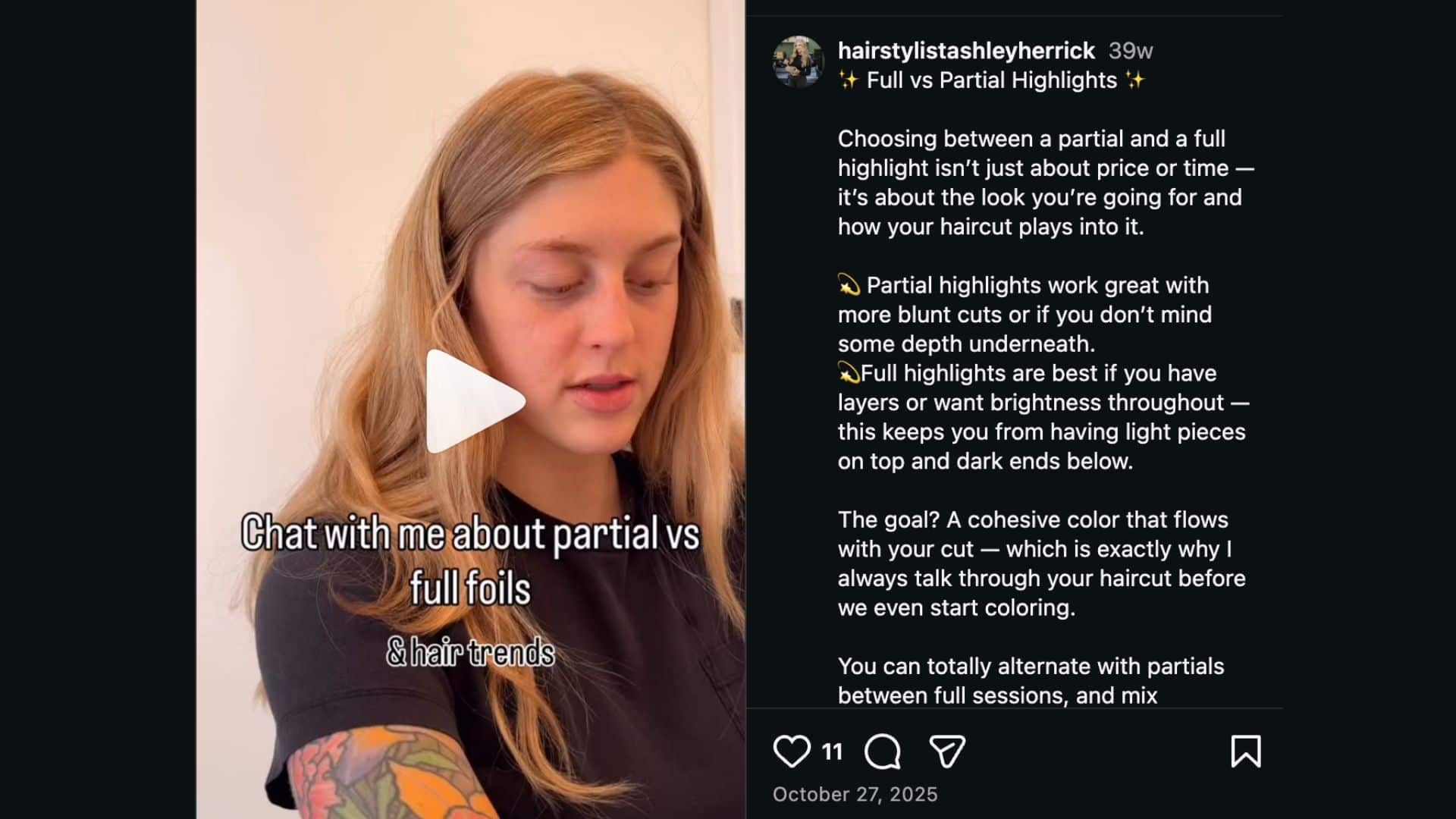
Hairstylist hairstylistashleyherrick shared a helpful take on this exact debate, and her perspective cuts through a lot of the confusion.
According to her, the choice between partial and full highlights isn’t just about price or time. It comes down to the look you want and how your haircut plays into it.
She explains that partial highlights work great with blunt cuts, or if you don’t mind some natural depth underneath. Full highlights, on the other hand, suit layered cuts or anyone wanting brightness throughout, since they prevent light pieces on top sitting above darker ends.
Her main goal is always a cohesive color that flows with the cut, which is why she talks through your haircut before any color goes on. She also notes you can alternate partials between full sessions and mix techniques for a lived-in blend.
Her advice is a good reminder that highlighting is never one-size-fits-all. The right choice depends on your hair and your personal style.
Appearance Differences in Real-Life Hairstyles
How highlights show depends on hairstyle choice, hair movement, and texture, not just color placement during the salon service.
| Hairstyle Type | Partial Highlights | Full Highlights |
|---|---|---|
| Ponytails and buns | Color may stay hidden underneath darker layers | Color remains visible throughout the style |
| Braids and half-up styles | Color can appear heavier on the top sections | Color appears even from root to end |
| Curly hair | Texture helps blend lighter and darker areas | Color looks balanced but less contrasted |
| Straight hair | Placement lines are easier to notice | Color looks consistent and uniform |
Maintenance Tips and Grow-Out
Keeping highlights looking fresh comes down to timing your touch-ups correctly and using the right treatments in between salon visits.
- Partial Highlight Touch-Ups: Need refreshing every 10–12 weeks with softer regrowth around face and crown areas.
- Full Highlight Maintenance: Usually lasts 12–16 weeks as regrowth blends naturally with existing color.
- Partial Highlight Cost: Requires shorter appointments and lower maintenance costs compared with full highlights.
- Full Highlight Cost: Takes more salon time and usually costs more during touch-up sessions.
- Toner Refresh Schedule: Toner or gloss every 6–8 weeks keeps blonde tones bright and reduces brassiness.
- Longer Salon Gaps: Full highlights suit those wanting fewer visits despite higher initial maintenance costs.
Staying consistent with toning treatments between appointments makes a noticeable difference in how long your highlights stay vibrant and true to color.
Final Takeaway
Both options have real advantages depending on what you want from your hair. The right choice between full highlights vs partial highlights comes down to how bold you want the result and how much upkeep fits your lifestyle.
Partial highlights suit those who want a low-maintenance, natural finish. Full highlights work better for anyone ready for a brighter, all-over transformation.
Either way, knowing the difference saves time, money, and disappointment at the salon.
Talk to your stylist before booking and be clear about your goals, budget, and how often you can commit to maintenance.
Still unsure which service is right for you? Drop your question in the comments, and we’ll help you decide.
Frequently Asked Questions
Can You Switch From Partial To Full Highlights At Your Next Appointment?
Yes, and it is one of the most common upgrades clients make. Your stylist can extend coverage to the underlayers and back during the next visit without starting from scratch.
Is a Partial Highlight the Same as a Root Touch-Up?
No, they are different services. A root touch-up recolors regrowth at the base to match your existing color, while a partial highlight lightens selected sections through the top and face-framing pieces. One maintains your current shade, the other adds brightness and dimension.
Can You Alternate Partial and Full Highlights Over Time?
Yes, and many people do. Booking a partial between full appointments refreshes the visible sections at a lower cost, then a full service every few visits brings the underneath layers back up to match. This keeps the color balanced while spacing out the longer, pricier appointments.