

A fire pit can turn an ordinary backyard into a comfortable gathering space, especially during cooler evenings. Whether you’re entertaining friends, enjoying dinner outdoors or relaxing after a long day, the warmth and atmosphere of an outdoor fire can make the space more inviting.
However, choosing between a gas and wood fire pit involves more than deciding which flame looks better.
Gas fire pits provide convenient ignition, adjustable flames and relatively low-maintenance operation. Wood-burning fire pits offer the traditional experience of a real wood fire, including the sound of crackling logs and the distinctive aroma of burning timber.
Both options have advantages and limitations involving heat output, fuel costs, smoke, installation, maintenance and safety.
For Australian homeowners, local fire restrictions, backyard dimensions and proximity to neighbouring properties can also influence which type is suitable.
This guide compares gas and wood fire pits, explains their practical differences and helps you choose a fire pit that suits your outdoor space, lifestyle and budget.
What Is the Difference Between Gas and Wood Fire Pits?
The main difference between gas and wood fire pits is the fuel used to create heat and flames.
Gas fire pits burn fuels such as LPG or natural gas, while wood-burning fire pits use suitable firewood.
This difference affects how the fire starts, how easily the heat can be controlled and the amount of cleaning required after use.
How Does a Gas Fire Pit Work?
A gas fire pit uses a burner connected to an approved gas supply.
Depending on the model, the fuel may come from a portable LPG cylinder or a fixed natural gas connection.
Gas flows through the burner and is ignited using the appliance’s approved ignition system.
Many models provide adjustable flame settings, allowing users to control the burner output.
Some designs include decorative fire glass, ceramic logs or other media approved for the appliance.
Homeowners comparing fire pits in Australia can explore different styles and configurations for outdoor entertaining areas.
The selected appliance must be suitable for its intended fuel, installation location and operating conditions.
How Does a Wood Fire Pit Work?
A wood fire pit burns suitable firewood inside a heat-resistant bowl, basin or enclosed combustion area.
The fire is started using appropriate kindling and an approved firelighter or ignition method.
Air supports combustion, allowing the wood to produce heat, flames and glowing embers.
Unlike gas appliances, wood fire pits require users to manage the fuel manually.
Adding logs increases the available fuel, while allowing the fire to burn down gradually reduces its intensity.
Wood fires also produce smoke, ash and embers that require careful handling.
Gas vs Wood Fire Pits: Quick Comparison
|
Feature |
Gas Fire Pit | Wood Fire Pit |
|
Fuel |
LPG or natural gas | Suitable firewood |
|
Ignition |
Appliance-specific ignition system | Manual lighting |
|
Heat control |
Often adjustable through a control valve | Managed by fuel quantity and airflow |
|
Smoke |
No wood smoke during normal operation | Produces smoke and airborne particles |
|
Ash |
No wood ash | Requires ash removal |
|
Flame appearance |
Controlled burner flames |
Natural, changing flames |
| Maintenance | Burner and gas component inspections |
Ash removal and firebox cleaning |
| Fuel storage | Approved cylinder storage or fixed supply |
Dry firewood storage |
| Installation | Depends on appliance and gas connection |
Depends on design, location and applicable rules |
| Ongoing costs | Gas consumption and servicing |
Firewood purchases or suitable fuel supply |
| Fire restrictions | May be restricted, including on Total Fire Ban days |
Subject to fire bans and local rules |
| Best suited to | Convenient outdoor entertaining |
Traditional wood-fire experiences |
Neither option is automatically better for every backyard.
The right choice depends on how frequently you use the fire pit, how much maintenance you prefer and the conditions of your outdoor space.
Why Choose a Gas Fire Pit for Your Outdoor Area?
Gas fire pits are often selected by homeowners who want outdoor warmth without collecting firewood, lighting kindling or cleaning ash after every use.
They can suit contemporary patios, outdoor lounges and entertaining areas where convenient operation is a priority.
However, gas fire pits still involve open flames, hot surfaces and fuel-related hazards. Proper installation and safe operation remain necessary.
Convenient Ignition and Operation
One of the main advantages of a gas fire pit is its straightforward operation.
Depending on the model, users may be able to ignite the burner using an integrated ignition system.
This avoids the need to build a wood fire or wait for kindling to catch.
Many appliances also provide adjustable flame controls.
The ability to reduce or increase the flame can be useful when outdoor temperatures change during the evening.
Less Smoke and Ash
Gas fire pits do not burn timber, so they do not produce the smoke and ash associated with wood combustion.
This may make them more suitable for smaller outdoor areas where smoke could affect seating, neighbouring properties or nearby windows.
However, gas combustion still produces emissions, including carbon dioxide, and can produce carbon monoxide if combustion is incomplete.
Gas fire pits must only be used in locations permitted by the manufacturer, with adequate ventilation.
Contemporary Outdoor Design
Gas fire pits are available in different shapes and finishes.
Depending on the product, they may feature rectangular burners, fire tables or decorative media.
Their appearance can complement modern outdoor furniture and entertaining areas.
Some homeowners incorporate gas fire pits into larger landscaping projects alongside seating, paving and outdoor dining spaces.
For properties with dedicated cooking and entertaining areas, outdoor kitchen pods may provide another way to organise outdoor living activities.
The fire pit should still be positioned according to its own safety requirements and kept away from unsuitable structures and combustible materials.
Easier Fire Shutdown
Gas fire pits can generally be switched off using the appliance’s control system.
This is more convenient than waiting for a wood fire to burn down.
However, the burner, decorative media and surrounding surfaces may remain hot after the flames are extinguished.
The appliance must be allowed to cool before it is covered, cleaned or moved.
What Are the Benefits of Wood-Burning Fire Pits?
Wood fire pits provide a traditional outdoor fire experience that many homeowners enjoy.
The changing flames, glowing embers and sound of burning logs create an atmosphere that differs from a controlled gas burner.
Wood-burning designs may also appeal to people who prefer a simpler appliance without a gas connection.
Traditional Fire Atmosphere
A wood fire produces natural flame movement as the logs burn.
The crackling sound and changing ember patterns can create a distinctive outdoor atmosphere.
For homeowners who enjoy gathering around a traditional fire, this may be the main reason for choosing wood over gas.
However, the same combustion process creates smoke, sparks and ash that require ongoing attention.
Flexible Portable Designs
Some wood fire pits are portable and can be moved to different suitable locations when completely cool.
This may be useful for homeowners who occasionally rearrange their outdoor entertaining space.
However, portable does not mean suitable for use anywhere.
The fire pit still requires a stable, non-combustible surface, appropriate clearances and compliance with applicable fire rules.
Simple Fuel System
A conventional wood fire pit does not require a gas cylinder or fixed gas connection.
Its operation relies on suitable firewood and adequate airflow.
This can make the equipment relatively straightforward, although starting and maintaining the fire requires more involvement.
Potential for Cooking
Certain wood fire pits are designed for cooking with compatible grills or cooking accessories.
However, not every fire pit is suitable for food preparation.
Only use cooking equipment and accessories approved for the particular model.
Food should never be cooked over treated, painted or contaminated timber.
Gas vs Wood Fire Pits: Which Produces More Heat?
Heat output is one of the main factors homeowners compare when choosing a fire pit.
However, neither gas nor wood automatically produces more usable warmth in every situation.
The amount of heat depends on the burner or firebox design, fuel consumption, fire size, weather and distance from the flames.
Heat Output From Gas Fire Pits
Gas fire pits are generally rated according to their burner output.
The manufacturer’s specifications may identify the appliance’s gas consumption or nominal heat input.
A larger burner does not necessarily mean everyone seated around the fire will feel warmer.
Wind, seating distance and the design of the fire pit influence perceived warmth.
Some gas fire pits are designed primarily for visual atmosphere rather than substantial outdoor heating.
Heat Output From Wood Fire Pits
Wood-burning fire pits can produce considerable radiant heat, depending on the size and intensity of the fire.
Adding suitable logs increases the available fuel.
However, the heat is less predictable because combustion changes as the wood burns.
Fuel moisture also affects performance.
Wet or poorly seasoned wood can burn inefficiently and produce additional smoke.
Which Is Better for Cold Evenings?
For homeowners who want convenient, adjustable warmth, a suitable gas fire pit may be preferable.
For those who enjoy managing a traditional fire, wood can provide an appealing experience.
Before purchasing, compare the manufacturer’s stated performance with the size of the seating area.
Also account for wind exposure and the distance between the fire and outdoor furniture.
Which Fire Pit Is Easier to Maintain?
Gas and wood fire pits have different maintenance requirements.
Gas appliances generally create less visible debris, while wood-burning designs require ash removal and regular cleaning.
However, lower cleaning requirements do not eliminate the need for safety inspections.
Gas Fire Pit Maintenance
Gas fire pits require regular checks of the burner, ignition system and accessible components.
Depending on the appliance, maintenance may include:
- Removing dust and debris
- Inspecting visible components for damage
- Checking that ventilation openings remain clear
- Cleaning approved decorative media
- Inspecting hoses and connections as instructed
- Arranging professional servicing where required
Gas connections and regulated repairs must be handled by appropriately licensed professionals.
If an appliance develops an unusual flame pattern, gas smell or ignition problem, stop using it and follow the manufacturer’s safety instructions.
Wood Fire Pit Maintenance
Wood fire pits require cleaning after the fire has been fully extinguished and the unit has cooled.
Ash must be handled carefully because embers can remain hot long after visible flames disappear.
Use suitable non-combustible tools and containers for ash disposal.
Metal fire pits should also be inspected for corrosion, cracks or other signs of deterioration.
Keeping the fire pit clean and protected from prolonged moisture exposure may help reduce material damage.
Maintenance Comparison
|
Task |
Gas Fire Pit | Wood Fire Pit |
|
Ash removal |
Not required | Required |
|
Burner inspection |
Required where applicable | Not applicable |
|
Gas connection checks |
Required | Not applicable |
| Smoke residue cleaning | Generally limited |
May be required |
| Fuel handling | Gas supply management |
Firewood storage and handling |
| Surface cleaning | Recommended |
Recommended |
| Professional servicing | May be required |
Depends on the design and installation |
The easiest option depends on whether you prefer appliance maintenance or the physical cleaning associated with burning wood.
How Do Gas and Wood Fire Pit Costs Compare?
The total cost of a fire pit includes more than its purchase price.
Fuel consumption, installation, maintenance and replacement parts can affect the long-term expense.
Gas fire pits may have higher setup costs when specialist connections are required, while wood fire pits may involve ongoing fuel purchases and cleaning.
Initial Purchase Costs
Fire pit prices vary according to size, materials, construction and features.
A simple portable wood fire bowl may have a different purchase price from a large decorative gas fire table.
Gas appliances may include burners, ignition systems, valves and other components that affect manufacturing costs.
Premium wood-burning fire pits can also be expensive, particularly when made from heavy-duty or specialised materials.
Gas Fuel Costs
Gas operating costs depend on the appliance’s consumption rate, fuel type, operating time and local energy prices.
Portable LPG appliances require suitable cylinders and safe storage arrangements.
Natural gas appliances require an appropriate connection and may involve licensed installation work.
A gas fire pit should only operate using the fuel type specified by the manufacturer.
Firewood Costs
Wood fire pit operating expenses depend on the amount and type of firewood used.
Seasoned, untreated firewood is generally preferred for cleaner and more efficient combustion.
The cost can vary according to local supply, delivery and storage arrangements.
Using unsuitable waste timber is not a safe way to reduce fuel expenses.
Comparing Long-Term Value
A gas fire pit may suit frequent short gatherings because it can be started and switched off conveniently.
A wood fire pit may appeal to homeowners who enjoy longer sessions and the traditional fire experience.
The best value depends on usage rather than the initial purchase price alone.
When comparing options, include fuel, maintenance, installation and any required professional servicing.
Are Gas Fire Pits Safer Than Wood Fire Pits?
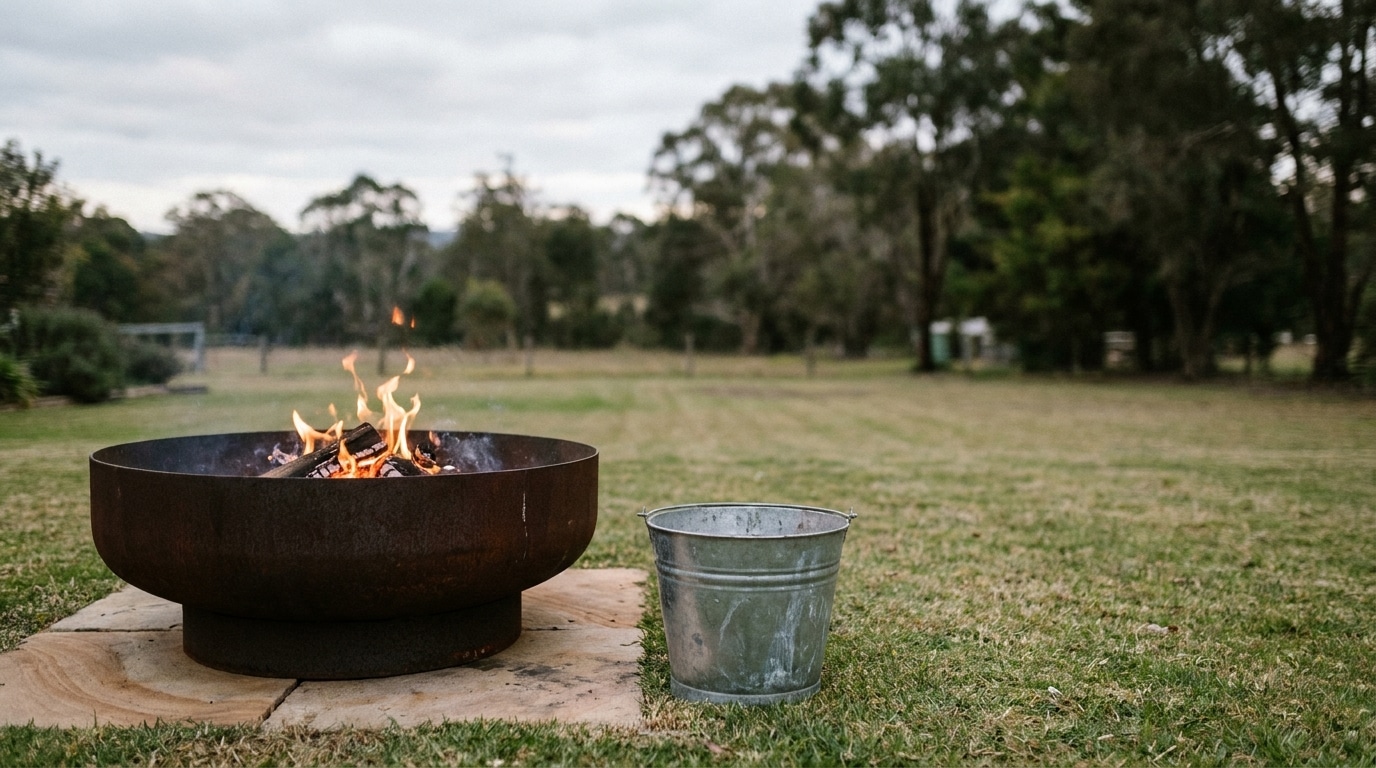
Both gas and wood fire pits involve open flames and hot surfaces.
Neither should be treated as risk-free.
The hazards differ, so safe use requires understanding the fuel system and following the relevant operating instructions.
Gas Fire Pit Safety Risks
Gas appliances can present hazards involving fuel leaks, incorrect connections, poor ventilation and damaged components.
A gas fire pit should be installed and operated only as approved by the manufacturer.
Never modify burners, hoses, regulators or other gas components.
Portable LPG cylinders must be kept in an approved position and stored according to applicable safety requirements.
Gas appliances must not be operated in enclosed or inadequately ventilated areas.
If you smell gas, stop using the appliance, avoid ignition sources and follow the manufacturer’s emergency instructions. Seek professional assistance before using it again.
Wood Fire Pit Safety Risks
Wood fires can produce sparks and embers that travel beyond the fire pit.
Wind can increase the risk of embers reaching nearby combustible materials.
Wood fires also produce smoke and carbon monoxide.
They require continuous supervision and appropriate extinguishing equipment.
Never leave an active fire unattended.
Safe Fire Pit Placement
Both types require suitable placement.
Before installation or use, check:
- Manufacturer-specified clearances
- Nearby combustible structures and vegetation
- Surface stability and heat resistance
- Adequate outdoor ventilation
- Wind exposure
- Access for children and pets
- Applicable fire restrictions
Do not assume that positioning a fire pit beneath a pergola, awning or covered patio is safe.
Overhead clearance and enclosure requirements depend on the appliance and its approved installation conditions.
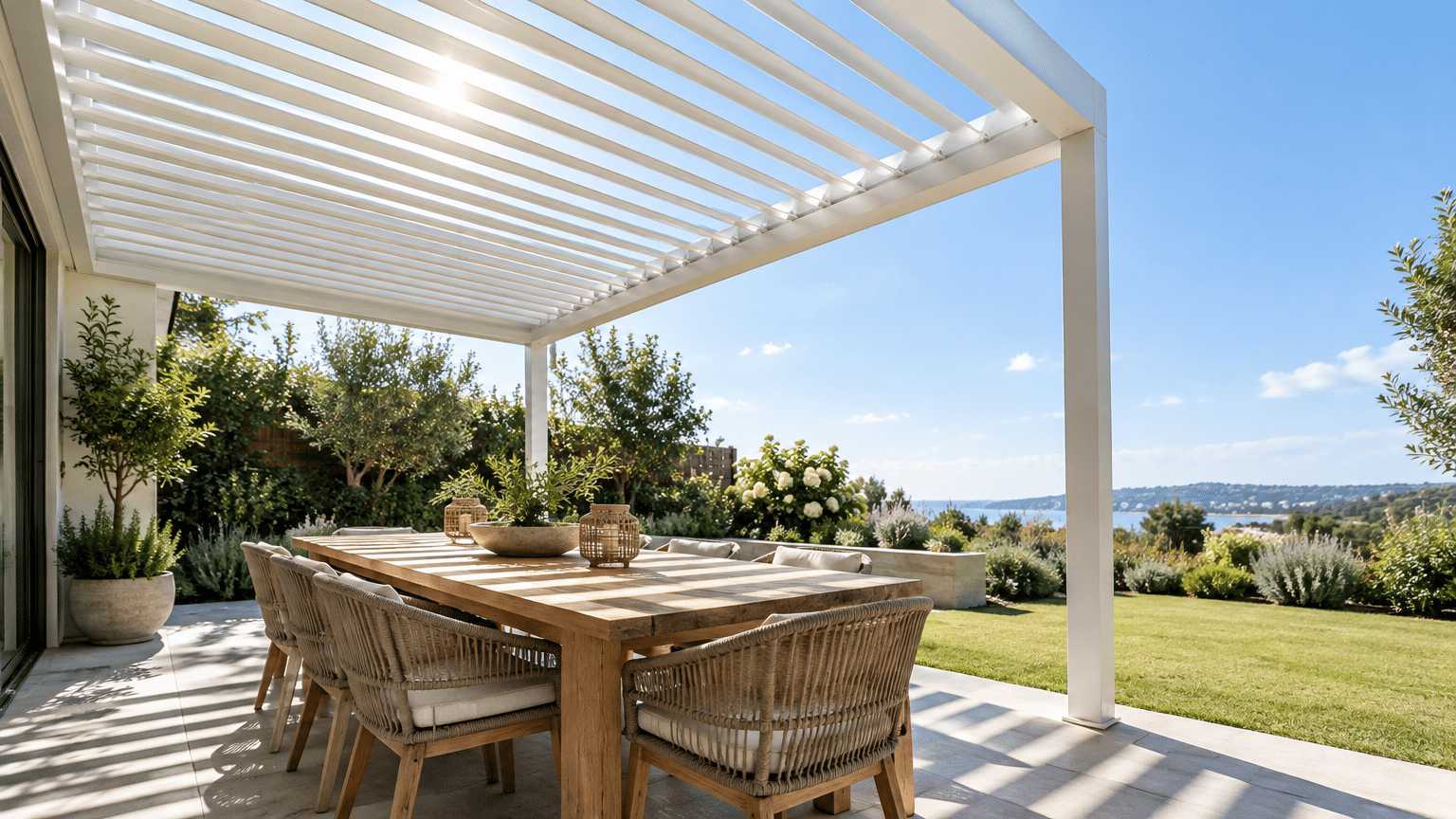
Can You Use Gas or Wood Fire Pits Under a Pergola?
Using a fire pit beneath a covered outdoor structure can create serious fire and ventilation hazards.
Pergolas vary in height, roofing materials, side enclosures and airflow.
A structure that appears open may still restrict ventilation or expose roofing components to excessive heat.
Gas Fire Pits Under Covered Areas
Some gas appliances have specific installation requirements for partially covered outdoor spaces.
Others are approved only for completely open outdoor locations.
The manufacturer’s instructions must confirm whether the proposed location is suitable.
Clearances from overhead structures and surrounding walls must be followed.
Never assume a gas fire pit is safe beneath a pergola simply because it produces less visible smoke than a wood fire.
Wood Fire Pits Under Covered Areas
Wood fires produce flames, sparks, embers and smoke.
These create additional hazards near overhead roofing and combustible structural components.
Unless the entire installation is specifically designed and approved for the application, wood fire pits should not be operated beneath pergolas, awnings or other overhead coverings.
An open backyard location with appropriate clearances is generally more suitable.
Planning a Safe Outdoor Entertaining Layout
A fire pit can be incorporated into an outdoor entertaining space without positioning it directly beneath the main covered area.
For example, the fire pit may occupy a separate seating zone away from the pergola or outdoor kitchen.
The layout must still follow the relevant appliance clearances and local safety requirements.
What Are the Fire Pit Rules in Australia?
Fire pit rules vary across Australian states, territories and local council areas.
Restrictions may depend on the fuel type, location, weather conditions and whether a Total Fire Ban or other fire restriction is in force.
Homeowners should check the current rules before lighting any outdoor fire.
Total Fire Bans and Fire Danger Periods
Wood-burning fire pits are subject to restrictions during high-risk fire conditions.
For example, solid-fuel fire pits are prohibited in Victoria on Total Fire Ban days.
In NSW, open fires are also restricted during Total Fire Bans.
Gas fire pits should not be assumed exempt from these restrictions. Rules permitting certain gas barbecues do not automatically permit gas appliances used primarily for outdoor heating.
The classification and permitted use of an appliance can affect which restrictions apply.
Local Council Restrictions
Some councils impose additional conditions relating to backyard fires, smoke, nuisance and permissible fuel types.
Requirements may differ between urban and rural properties.
A fire pit that is permitted under general state rules may still be subject to local restrictions.
Check with the relevant council and fire authority before use.
Smoke and Neighbouring Properties
Wood fire pits can produce smoke that enters neighbouring homes or outdoor areas.
Even where backyard fires are permitted, excessive smoke may create a nuisance or breach applicable environmental requirements.
Burn only suitable, dry, untreated firewood.
Avoid operating wood fire pits when smoke is likely to drift towards nearby properties.
Check Rules Before Every Use
Fire restrictions can change with weather conditions.
A fire pit that was permitted yesterday may not be permitted today.
Before lighting a fire, confirm the current fire danger conditions, applicable restrictions and manufacturer’s operating instructions.
If the permitted use is unclear, do not light the fire until it has been confirmed with the relevant authority.
Gas vs Wood Fire Pits: Which Is Better for Small Backyards?
Backyard dimensions affect the suitability of different fire pit designs.
A compact courtyard may have limited clearance from fences, buildings and outdoor furniture.
Smoke management and ventilation can also be more difficult where surrounding structures restrict airflow.
Gas Fire Pits for Compact Outdoor Spaces
A suitably specified gas fire pit may be practical for a small backyard because it does not produce wood smoke or flying wood embers during normal operation.
Many designs also feature controlled flame settings.
However, the location must still meet all clearance and ventilation requirements.
Small enclosed courtyards may be unsuitable for certain gas fire pits.
Wood Fire Pits in Smaller Yards
Wood-burning fire pits require space for flames, sparks and heat.
The surrounding area should be free from combustible materials.
Smoke may also affect nearby windows and neighbouring properties.
For tightly enclosed yards, a wood fire pit may be impractical even when local rules permit backyard fires.
When Neither Option Is Suitable
Some outdoor spaces cannot safely accommodate an open-flame appliance.
A small balcony, enclosed courtyard or covered patio may not provide the necessary clearances or ventilation.
In these situations, an appropriately rated electric outdoor heater may be a more suitable alternative, subject to its installation requirements.
Which Fire Pit Is Better for the Environment?
Gas and wood fire pits have different environmental impacts.
Wood is a biomass fuel, while LPG and natural gas are fossil fuels.
However, environmental performance depends on more than whether a fuel is renewable or non-renewable.
Combustion emissions, fuel sourcing and appliance efficiency all affect the overall impact.
Emissions From Wood Fire Pits
Burning wood releases carbon dioxide, fine particles and other air pollutants.
Smoke can affect local air quality and people with respiratory sensitivities.
Dry, untreated firewood and good combustion practices can reduce some smoke compared with wet or contaminated wood.
However, even well-managed wood fires produce emissions.
Emissions From Gas Fire Pits
Gas combustion generally produces far less particulate smoke than burning wood.
This can improve local air quality around the outdoor entertaining area.
However, gas still produces greenhouse gas emissions.
Natural gas systems can also have upstream emissions associated with fuel production and distribution.
Which Is the More Sustainable Choice?
There is no universal answer.
The environmental comparison depends on fuel sourcing, combustion efficiency, usage frequency and the impacts being measured.
If reducing local smoke exposure is the main goal, gas may have an advantage.
If minimising fuel combustion altogether is the priority, avoiding an open-flame fire pit may be the more effective choice.
What Features Should You Look for When Buying a Fire Pit?
The right fire pit should suit the available space, intended use and maintenance expectations.
Material quality, stability and safety features are more important than appearance alone.
Before purchasing, review the product specifications and installation requirements.
Materials and Construction
Fire pits are available in materials such as steel, cast iron and other heat-resistant constructions.
Different materials respond differently to weather exposure and repeated heating.
Protective finishes may help reduce corrosion, but they must be suitable for the temperatures involved.
For gas appliances, burner construction and approved components are also important.
Size and Heat Output
The fire pit should suit the available outdoor area.
A larger unit may require greater clearances and a more substantial supporting surface.
Review the manufacturer’s dimensions and heat performance information.
For gas models, check the rated gas input and compatible fuel supply.
Portability and Storage
Portable fire pits may be useful when outdoor furniture arrangements change.
However, a fire pit must be completely cool before being moved.
Gas cylinders require suitable handling and storage.
Wood-burning units also need safe ash disposal and dry fuel storage.
Warranty and Replacement Parts
Review warranty terms before purchase.
For gas fire pits, ask about compatible replacement parts and authorised servicing requirements.
For wood-burning models, check whether replaceable components are available.
Maintenance instructions should be included with the product.
Common Fire Pit Buying Mistakes to Avoid
A fire pit should be selected for its intended location and operating conditions.
Choosing based only on appearance or purchase price can lead to problems.
The following mistakes are particularly relevant for Australian outdoor areas.
Ignoring Local Fire Restrictions
A fire pit may not be permitted in every location or during every season.
Check applicable rules before buying.
Underestimating Clearance Requirements
Fire pits need adequate distance from combustible materials.
Always follow the manufacturer’s specified clearances rather than relying on general estimates.
Choosing the Wrong Gas Type
LPG and natural gas appliances are not automatically interchangeable.
Only use the fuel specified for the appliance.
Any approved conversion must be handled according to manufacturer requirements and applicable gas regulations.
Forgetting Ongoing Fuel Costs
Purchase price is only one part of ownership.
Gas usage, firewood supply, cleaning and servicing can add to ongoing expenses.
Assuming Gas Fire Pits Are Risk-Free
Gas eliminates wood ash and smoke, but it introduces fuel-system hazards.
Correct installation, ventilation and maintenance remain necessary.
How to Choose Between Gas and Wood Fire Pits
The best fire pit depends on how you plan to use your outdoor space.
Some homeowners value convenience and controlled flames, while others prefer the traditional atmosphere of burning wood.
Use the following comparison to identify which option better matches your priorities.
Fire Pit Selection Guide
|
Your Priority |
Option Worth Exploring | Main Reason |
|
Convenient ignition |
Gas | Appliance-controlled lighting |
|
Traditional fire atmosphere |
Wood | Natural flames and crackling logs |
|
Less visible smoke |
Gas | No wood smoke during normal operation |
|
No ash cleaning |
Gas | Does not burn solid fuel |
|
Simple non-gas design |
Wood |
Does not require a gas connection |
| Adjustable burner flame | Gas |
Many models offer flame controls |
| Occasional traditional gatherings | Wood |
Provides a wood-fire experience |
| Modern outdoor lounge | Gas |
Available in contemporary fire table designs |
| Compact backyard | Gas, if permitted and suitable |
No wood embers, but clearances still apply |
| Covered or enclosed space | Neither without specific approval |
Fire and ventilation hazards must be addressed |
These comparisons are general.
The final choice should follow the manufacturer’s instructions and the applicable safety requirements.
Questions to Ask Before Purchasing
Before selecting a fire pit, ask:
- How frequently will the fire pit be used?
- Is convenient ignition important?
- Do you prefer natural wood flames or a controlled gas burner?
- Is there enough space for the required safety clearances?
- Will smoke affect neighbouring properties?
- Is the outdoor area fully open and adequately ventilated?
- What fuel storage arrangements are available?
- How much cleaning and maintenance are practical?
- What fire restrictions apply to the property?
- What is the total purchase and operating budget?
Answering these questions can help narrow the available choices and reduce the risk of purchasing an unsuitable appliance.
Choosing the Right Fire Pit for Your Outdoor Space
Gas and wood fire pits can both create an inviting outdoor atmosphere, but they offer different experiences.
Gas fire pits provide convenient operation, adjustable flames and less visible combustion residue. Wood fire pits deliver the traditional sound, appearance and atmosphere of burning logs.
Neither option is automatically the safest or most economical choice for every property.
The right decision depends on outdoor space, fuel preference, maintenance requirements, local restrictions and how often the fire pit will be used.
Before purchasing, review the appliance specifications, required clearances, fuel arrangements and applicable fire rules.
If you’re planning to add a fire feature to your backyard or outdoor entertaining area, explore the fire pit options available from Outdoor Living HQ. Compare the available designs, dimensions and fuel requirements to choose a product suited to your space and intended use.
Frequently Asked Questions
Are Gas Fire Pits Better Than Wood Fire Pits in Australia?
Gas fire pits may be better for Australian homeowners who prioritise convenient ignition, adjustable flames and less smoke. Wood fire pits are often preferred for their traditional atmosphere, crackling logs and natural flame movement. The better choice depends on backyard size, fuel availability, maintenance preferences and local fire restrictions. Both types require appropriate clearances, supervision and safe operation. Gas fire pits should not be assumed exempt from restrictions that apply during Total Fire Bans or other high-risk fire conditions.
Can You Use Fire Pits in Australia During a Total Fire Ban?
Fire pit use during a Total Fire Ban depends on the applicable state or territory rules and the type of appliance. Wood-burning fire pits are prohibited during Total Fire Bans in jurisdictions such as NSW and Victoria. Gas fire pits used for outdoor heating may also be prohibited, even where certain gas barbecues are permitted under specific conditions. Homeowners should check the current restrictions issued by their local fire authority before using any fire pit. Never assume that a gas appliance is automatically exempt.
How Much Do Gas and Wood Fire Pits Cost in Australia?
Gas and wood fire pit prices vary according to size, materials, construction and features. A basic portable wood fire pit may cost less initially than a gas fire table with an integrated burner and ignition system. However, premium models in either category can be more expensive. Ongoing costs also differ. Gas fire pits require suitable fuel supplies and possible servicing, while wood fire pits require firewood and ash cleaning. Compare the complete ownership costs rather than the purchase price alone.
Are Gas Fire Pits Safer Than Wood-Burning Fire Pits?
Gas fire pits avoid the flying wood embers and smoke associated with wood fires, but they still present hazards involving gas leaks, hot surfaces and combustion gases. Wood-burning fire pits require careful management of sparks, smoke, fuel and ash. Neither type is inherently safe in every setting. Correct placement, adequate ventilation, manufacturer-specified clearances and continuous supervision are necessary. Gas appliances must use approved components, and any regulated gas work should be completed by appropriately licensed professionals.
Can Fire Pits Be Used Under Pergolas in Australia?
Fire pits should only be used beneath pergolas when the particular appliance and installation are specifically approved for the location. Gas fire pits may have restrictions involving overhead clearance, ventilation and the number of surrounding walls. Wood-burning fire pits present additional hazards from sparks, embers and smoke and are generally unsuitable beneath ordinary covered structures. The roofing material, pergola height and appliance specifications all affect safety. Homeowners should confirm the manufacturer’s requirements and applicable regulations before installing an open-flame appliance beneath any outdoor covering.