

Moving turns into a giant puzzle of timing, logistics, and praying your favorite coffee mug survives the trip. When everything gets rushed or poorly planned, you end up with that classic pile-of-shame in the driveway: broken furniture, mountains of plastic wrap, and the sudden realization that you just bought a third toaster because the first two are buried somewhere in an unlabeled box.
Getting a solid strategy together keeps these headaches far away. By teaming up with a full service moving company, you can sync your packing, transport, and unpacking into one organized workflow. This keeps you from handling everything twice and makes the entire transition a lot cleaner for everyone involved.
Why Sustainable Moving Matters
Every relocation relies on physical materials and a lot of coordination, but chaos makes the environmental footprint much larger. Long-distance relocations or last-minute moves are especially prone to creating waste because decisions happen under high pressure, usually before you even have a clear look at what you actually own.
Common Sources of Waste During a Move
A handful of common habits drive up waste and frustration when you move. People often burn through far more cardboard and plastic wrap than necessary, or they end up abandoning perfectly usable furniture on the curb simply because it won’t fit into the back of a personal vehicle.
It is also incredibly common to see people buying brand-new household essentials simply because the originals are lost in a sea of identical boxes. Meanwhile, others wind up dealing with broken or damaged belongings caused by hurried packing and poor protection.
Even making five extra trips in your own car because the truck wasn’t loaded well can be avoided. Better preparation and a professional eye cut these exact issues down significantly.
How Better Organization Creates a More Efficient Move
A more systematic approach keeps the entire relocation manageable. When your belongings are sorted, packed with a clear purpose, and properly coordinated, you eliminate the confusion during loading, transit, and unpacking.
This is where having structured moving support becomes incredibly valuable. Professional movers help coordinate each stage of the process, reducing unnecessary handling and keeping things organized.
Planning a Lower-Impact Move Before Packing Begins
The best moves are won or lost before the first roll of tape even touches a box. Early preparation stops those frantic, last-minute decisions that inevitably lead to excess trash.
Decluttering Before a Move
Taking stock of your belongings early gives you time to find a good home for the things you no longer need. You can drop off useful items at local donation centers, list furniture on neighborhood resale sites, or drop old electronics off at specialized recycling programs. Even repurposing old plastic bins for your new garage or basement helps slim down the load, which means you only pay to haul the items you actually want to keep.
Avoiding Duplicate Purchases
People buy a new set of screwdrivers or kitchen towels all the time just because the old ones went missing. A clear inventory system keeps your belongings visible, so you know exactly where your essentials are the moment you walk through the new front door.
Organizing Your Packing
A smart packing system isn’t just for the truck; it’s a gift to your future self. Labeling by category and setting aside a dedicated “essentials” box prevents you from tearing through thirty boxes just to find your bedsheets on the very first night.
How Full-Service Movers Reduce Moving Waste
Professional movers don’t just lift heavy objects; they manage the flow of the entire day. This level of organization cuts down on wasted materials and prevents the frustrating replacement cycle of broken items.
Better Packing Practices
Good packing requires much more than a roll of tape. Using the right cushioning and logical labeling helps your items arrive intact. When things don’t break, you don’t have to buy a replacement the next day, which saves money and keeps broken items out of the landfill. Plus, grouping items by room makes the move-in process feel like a true homecoming instead of a scavenger hunt.
Efficient Loading and Transport
There is a real art to loading a moving truck. Maximizing every cubic foot of a trailer means you need fewer layers of padding and fewer total trips. When a load is stable and systematic, the furniture doesn’t shift, which keeps it safe without needing miles of plastic wrap.
Reusable Packing Materials
Stepping away from single-use supplies is one of the easiest ways to make a move more sustainable. You might opt for durable storage bins that transition perfectly from the moving truck to your new closet, or rely on heavy-duty furniture blankets designed to be used hundreds of times. Using strong boxes meant for long-term storage instead of one-and-done cardboard helps, as does choosing paper-based padding that is far easier to recycle than plastic bubble wrap. Incorporating these materials protects your gear while keeping the trash bin empty.
Smarter Transportation and Fewer Trips
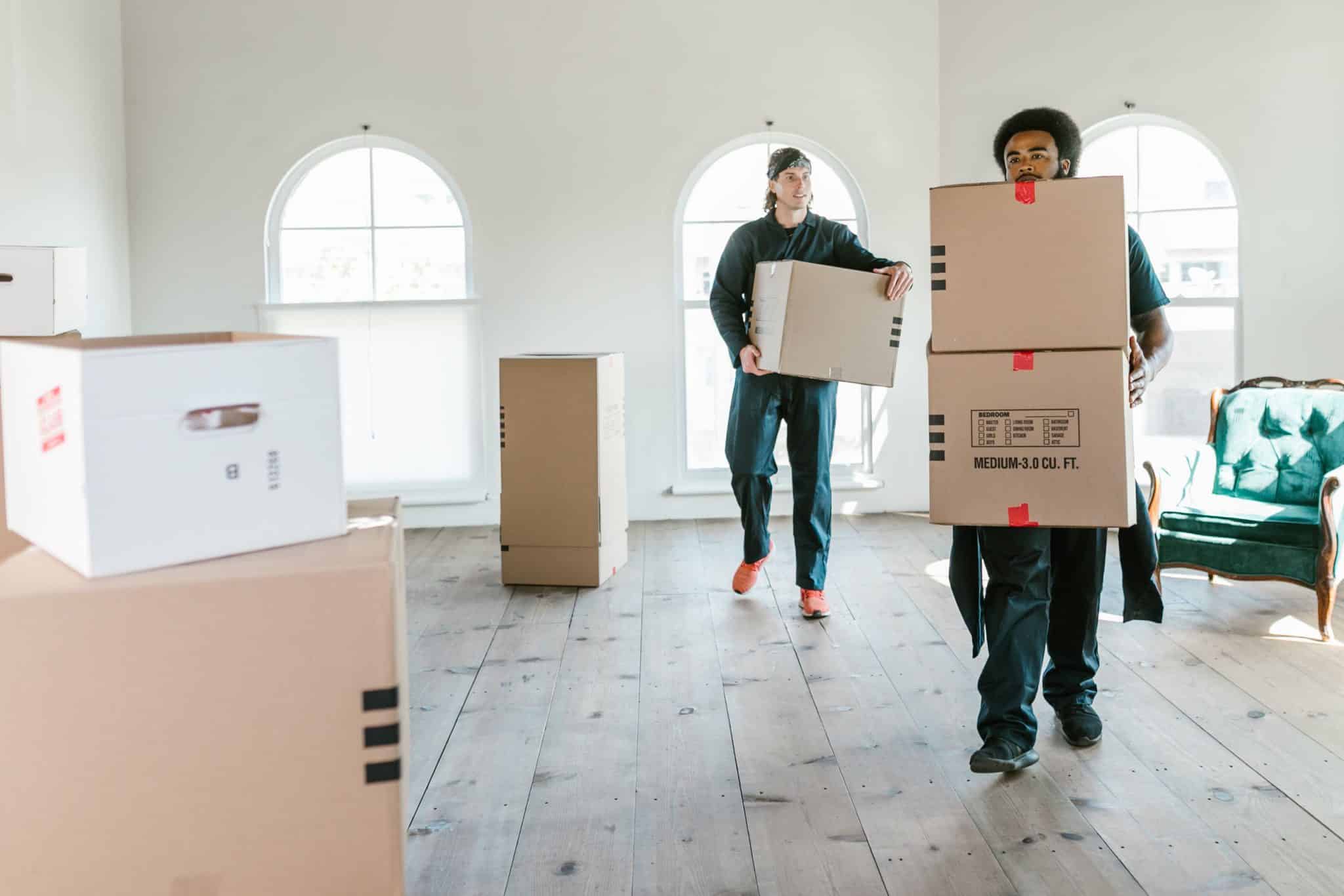
Efficiency on the road matters just as much as efficiency inside the home. Disorganized relocations often lead to repeated trips for forgotten items, additional supplies, or belongings that were not properly coordinated before moving day.
Planning a More Coordinated Move
A consolidated moving plan keeps transportation organized right from the start. When packing, loading, and scheduling align properly, belongings can travel together in a single structured move instead of fragmented stages. This improves scheduling accuracy and protects against leaving items behind.
Better coordination also cuts down on unnecessary personal vehicle use during the relocation. With supplies, inventory, and essential items prepared in advance, households avoid repeated back-and-forth trips throughout the moving process.
Coordinating Routes and Timing
Professional movers also plan routes and timing to support a smoother transportation process. This becomes especially important during long-distance relocations, where traffic patterns, delivery timing, and loading schedules heavily impact overall efficiency.
Careful coordination helps reduce delays, limits unnecessary idle time, and creates a predictable arrival process.
Eco-Friendly Packing Choices to Ask About
The way belongings are packed affects both the level of protection during transport and the amount of waste created throughout the move.
Choosing Reusable and Lower-Waste Packing Materials
Many modern moving services now use more durable and reusable packing options instead of relying heavily on single-use materials. These choices may include:
- Rented plastic moving crates
- Boxes made from recycled materials
- Professional-grade fabric furniture coverings
- Recyclable paper wrapping for fragile items
These choices protect household belongings while reducing unnecessary packing waste during relocation.
Many packing supplies can also continue being used after the move is complete. High-quality boxes and containers are often repurposed for storage, shared with friends, or saved for future organizational needs, extending their usefulness far beyond automotive or home storage needs.
Protecting Valuables Through Proper Handling
Careful handling plays an important role in reducing unnecessary waste during a move. Proper protection for furniture, electronics, artwork, and fragile household items helps prevent damage during transportation and reduces the need for replacements after arrival.
Setting Up Your New Home Without Buying Everything New
The work does not end once the moving truck is unloaded. How you organize and furnish your new space can shape long-term household habits and help reduce unnecessary replacement purchases after relocation.
Take Time Before Replacing Household Items
It is common to feel the urge to replace furniture and household items immediately after moving. However, spending some time living in the space first often provides a better understanding of what is actually needed.
Items that did not work well in a previous home can sometimes fit naturally into a new layout. Existing furniture, storage pieces, and décor may simply need a different placement or minor adjustments to continue serving a practical purpose.
Build Long-Term Organization Habits
A well-organized move creates a stronger foundation for maintaining order over time. Simple systems for storage, labeling, and room organization make it easier to settle in and prevent clutter from building up again after the relocation is complete.
Choosing a Moving Partner That Respects Your Values
Who you hire matters. You want a team that values coordination as much as you do.
Key Questions to Ask Before Hiring Movers
If you’re looking for a more efficient move, try asking:
- What kind of packing materials do you bring?
- Do you offer reusable crates or bins?
- How do you handle specialty items like fine art or electronics?
- Can you help me coordinate donations?
- How do you structure the packing process to minimize waste?
How Structured Moving Support Works
A professional team manages the heavy lifting so you can focus on the big picture. They streamline the packing and transport so that nothing is handled more than it needs to be.
White Glove Moving & Storage is an example of a moving company that provides the kind of packing, storage, and unpacking services that prioritize order. They keep the process tight and organized, protecting your belongings while keeping waste to a minimum.
Final Thoughts: Moving Can Be Part of a Greener Lifestyle
Moving is a major life transition, and it also presents an opportunity to reset and establish a stronger organization from the very beginning. With thoughtful coordination and a clear plan, the entire process becomes more structured, efficient, and purposeful. Each stage of the move, from preparation to unpacking, contributes to a smoother transition into your new space.
When handled with care and intention, relocation becomes more than just a change of address. It sets the foundation for a more organized home and a more mindful approach to what you bring into it, helping you settle in with clarity and confidence.
Frequently Asked Questions
How Early Should I Start Planning a Structured Relocation?
Ideally, you should start as soon as you have a moving date in mind. This gives you plenty of time to sort through your things and get your logistics in order without the last-minute scramble.
What Information Helps a Moving Company Create an Efficient Packing Plan?
The more detail, the better. Let them know the size of your home, any heavy or fragile furniture, and if there are tricky spots like narrow staircases or elevators. This helps them bring the right tools and the right-sized crew.
Can a Full-Service Move Include Donation or Item Sorting Support?
Many professional services can help you organize items for donation or resale. This makes it much easier to narrow down what actually needs to go on the truck.
How Does Inventory Tracking Work During a Move?
Usually, this involves a clear system of labeling boxes by room and category. This keeps everything visible from the moment it’s packed until it’s sitting in your new living room.
What Types of Packing Materials Are Typically Reused?
Things like reinforced boxes, plastic storage bins, and thick furniture blankets are built for the long haul. They can be used for multiple moves or for keeping your holiday decorations safe in the attic.
Can Unpacking Services Help Maintain Organization After Arrival?
Absolutely. Having a team put things in their designated rooms right away helps you get settled much faster and prevents the box-living phase from lasting for months.
How Is Storage Integrated Into a Coordinated Move?
If you need storage, your movers can set those items aside during the packing phase and take them directly to a secure facility. It’s a clean way to keep your new home from feeling cluttered while you get settled.