How AI Tattoo Concepts Become Personal Visual Stories
Creative projects often stall before they begin. A person may have a vivid image in mind but lack the drawing skills, software knowledge, or free time needed to turn it into something visible. Generative tools are changing that first step. Instead of facing a blank page, people can begin with a rough visual, react to it, and refine their direction. The result is not automatic creativity. It is a faster conversation between intention and execution, which can make personal art feel less intimidating and more practical.
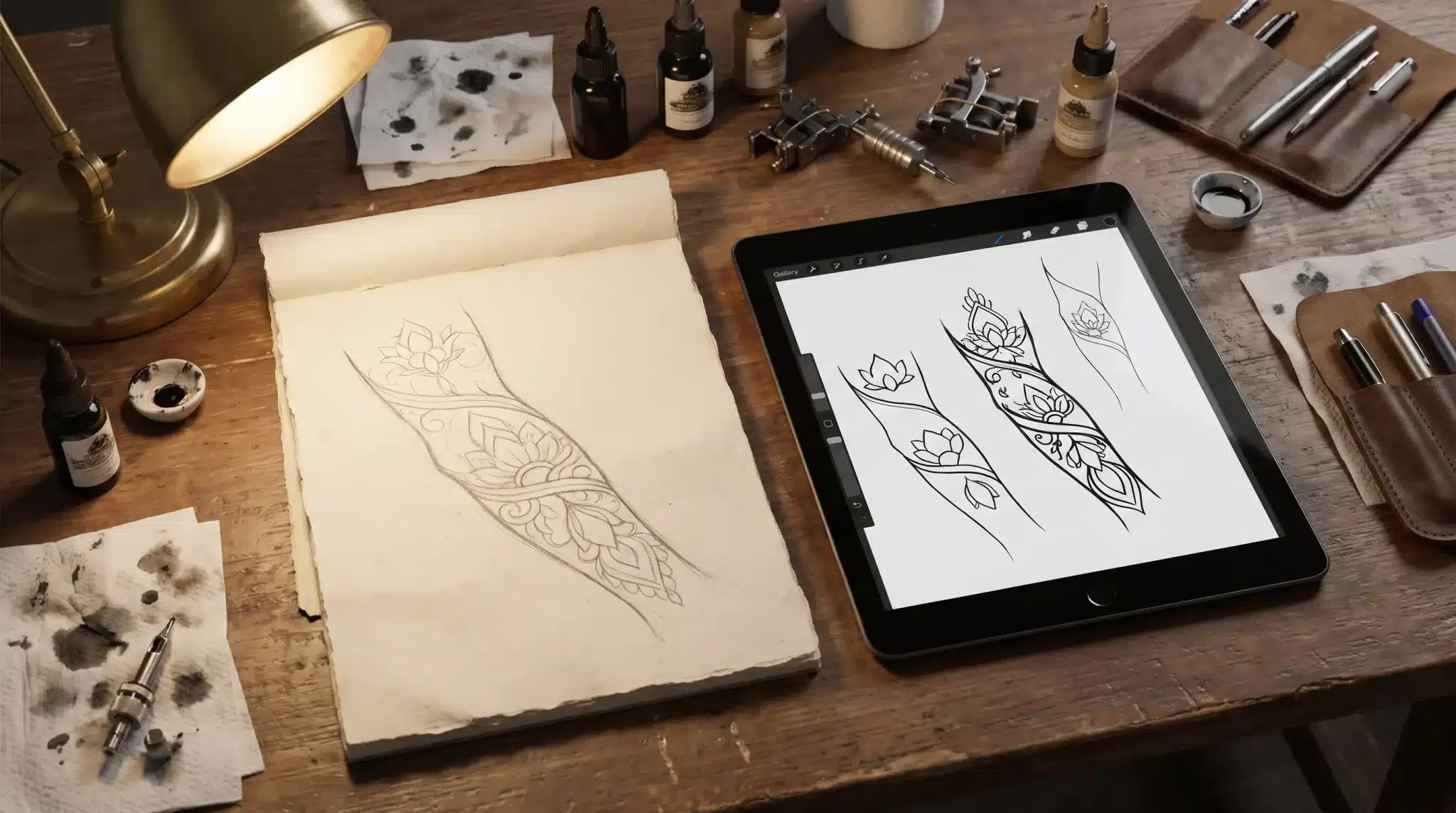
This shift is especially noticeable in highly personal forms of design. Someone considering body art can use a tattoo ai generator to explore themes, compositions, and visual styles before speaking with an artist. The early image is best treated as a reference rather than a finished tattoo. It helps the person identify what they like, what feels too busy, and which symbols matter enough to keep. That clarity can improve the later collaboration with a professional who understands anatomy, line weight, aging, and safe application.
Iteration Matters More Than the First Result
The most useful creative workflow is rarely a single prompt followed by a perfect image. Strong results usually come from small rounds of adjustment. A user might simplify the background, change the balance of dark and light areas, remove an unnecessary object, or request a more coherent style. Each revision develops visual judgment. Even when the software produces the image, the user still makes meaningful decisions about selection, emphasis, and purpose.
It also helps to separate exploration from production. During exploration, variety is valuable: several layouts, moods, and levels of detail can reveal unexpected directions. During production, consistency becomes more important. The chosen concept must be cleaned up, sized for its final use, and checked for practical limitations. This distinction prevents people from mistaking an appealing experiment for a deliverable that is ready to print, publish, or apply.
Turning Existing Images Into New Creative Materials
AI-assisted tools are equally useful when a project begins with a photograph or finished illustration. Converting a detailed image into a simplified outline can support craft projects, classroom activities, engraving references, or printable art. An image to line art workflow reduces visual complexity and gives the creator a structure that can be edited by hand. The best source images have a clear subject, strong contrast, and limited background clutter, because those qualities make important edges easier to preserve.
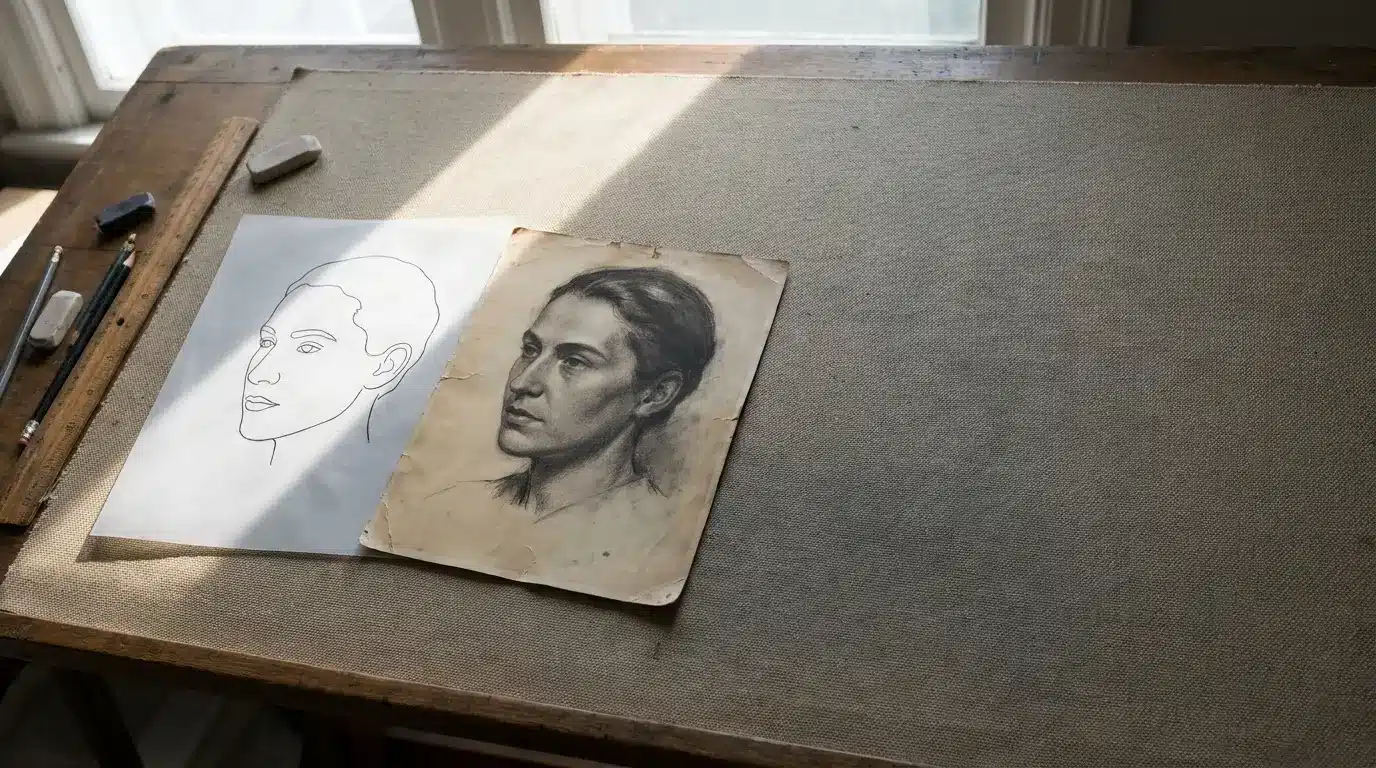
After conversion, human cleanup still matters. Small gaps may need closing, facial features may need gentler lines, and overlapping objects may need clearer separation. A quick review at the final output size is essential: details that look elegant on a large screen can disappear when printed small. Creators should also confirm that they have permission to reuse the source image, particularly when the result will be sold or distributed publicly.
A More Intentional Way to Use Creative AI
The healthiest approach is to use AI as a sketching partner. It can offer alternatives, accelerate repetitive transformations, and help non-specialists communicate visual ideas. It cannot determine whether an image carries the right personal meaning or whether a design works in its real-world setting. Those decisions depend on context, taste, and professional expertise.
As these tools become common, the differentiator will not be access to generation. It will be the ability to form a clear brief, recognize a promising direction, and edit with restraint. People who slow down long enough to make those decisions can use automation without losing ownership of the creative process. The technology may shorten the path to a first draft, but thoughtful revision is what turns that draft into something worth keeping.
A Simple Review Checklist
Before finalizing a visual, step away from it briefly and return with a specific checklist. Ask whether the main subject is immediately recognizable, whether the composition has one clear focal point, and whether the level of detail suits the final size. View the image in grayscale to test contrast and at a small thumbnail size to test readability. If the design will be printed, use the intended paper and printer for a proof rather than relying only on a bright screen. These small checks often reveal more than generating another dozen variations.
It is also worth saving the project in stages. Keep the original source, the strongest generated alternatives, the edited working file, and the final export in separate folders or with clear version names. Record the prompt or transformation settings when they are likely to be useful later. This simple archive makes it easier to revisit an idea without starting over and provides a clear record of how the final image developed. An organized process gives experimentation room while keeping the finished work reproducible and manageable.
Ultimately, the quality of a creative project depends less on how quickly an image appears than on how carefully it is evaluated. A clear purpose, a suitable source, and a few focused revisions are more valuable than endless generation. When creators combine curiosity with practical checks, they can explore new visual directions while still producing work that is coherent, usable, and recognizably their own.
Developing a Visual Language That Feels Personal
Build a Reference Library Before Writing Prompts
A useful reference library is small and specific. Five images that each demonstrate a clear quality are more valuable than a folder of one hundred unrelated pictures. One reference might show the density of line work, another the balance of empty space, and a third the emotional tone. Add a short note beside each image explaining what should be learned from it. This prevents the software, the user, and eventually the tattoo artist from treating the references as pictures to copy. They become evidence of preferences instead.
References should also include exclusions. A person who likes botanical imagery may dislike symmetrical wreaths, realistic shading, or decorative flourishes. Naming those boundaries early saves time because many weak concepts are technically attractive but emotionally wrong. Copyrighted artwork and another artist’s custom tattoo should never be used as a blueprint. The goal is to identify principles such as movement, contrast, scale, and mood, then build an original composition around the client’s own story.
Test the Design in the Context Where It Will Live
A design viewed as a square image can change dramatically when placed on an arm, shoulder, or ankle. Print several sizes on ordinary paper, cut around the outline, and hold each version against the intended area. This simple test reveals whether the silhouette follows the body, whether the focal point faces the right direction, and whether small details remain visible from a normal distance. A professional artist can then assess how muscle movement, skin texture, and natural curves should change the drawing.
The same contextual test improves printable art. A line drawing intended for a journal cover, activity sheet, or framed print should be examined at its final dimensions. Lines that appear refined at full screen size may break apart on a home printer. Background details may compete with the subject once the image is reduced. Testing the actual output keeps aesthetic decisions connected to use and prevents the project from becoming an endless series of attractive but impractical drafts.
Edit Toward Recognition Rather Than Decoration
Personal art becomes stronger when every retained element earns its place. If the concept represents a grandparent, for example, a familiar flower, tool, or handwritten initial may carry more meaning than several generic symbols of remembrance. Begin with the element that must be recognized, then remove decoration until the main idea reads quickly. This process often produces a simpler composition, but simplicity is not the same as emptiness. It concentrates attention on the detail that matters.
Keep a short decision log while revising. Record why a symbol was added, why a border was removed, or why one line style was chosen over another. The notes make later feedback easier to evaluate because the creator can distinguish purposeful choices from accidental features. They also give the tattoo artist or designer useful context. Instead of receiving a fixed image with no explanation, the professional receives a flexible concept with clear priorities and room to solve practical problems.