

A dripping tap is irritating. A burst pipe, overflowing toilet or sudden loss of water is something else entirely. The difficult part is knowing where the line sits between a problem that can wait until normal working hours and one that needs immediate attention.
For homeowners and landlords across Essex, that distinction matters. Acting too slowly can turn a manageable repair into water damage, mould growth or a costly insurance claim. On the other hand, not every plumbing issue requires an out-of-hours callout. A calm assessment can help you protect your property, avoid unnecessary disruption and give a plumber the information they need when they arrive.
The Basic Test: Is There an Immediate Risk?
In most cases, an emergency is not defined by how inconvenient a plumbing fault feels. It is defined by the risk it creates right now.
Ask yourself three questions:
- Is water escaping where it should not be?
- Is anyone’s health or safety at risk?
- Can the problem be contained safely until a standard appointment?
If the answer to the first two questions is yes, or the answer to the third is no, it is sensible to treat the situation as urgent.
A small leak beneath a kitchen sink, for example, may be containable with a bowl and by avoiding use of the tap until the next day. Water pouring through a ceiling from an upstairs bathroom is a different situation. The latter can damage plasterboard, electrical fittings, insulation and belongings within minutes or hours.
The key is not to wait for visible damage to become severe. Water often travels behind walls, under flooring and through ceiling voids before the full extent of the issue becomes obvious.
Plumbing Problems That Usually Need Urgent Attention
Burst Pipes and Uncontrolled Leaks
A burst pipe is one of the clearest plumbing emergencies. In winter, frozen pipework is a common cause, but corrosion, high water pressure and accidental damage can also lead to a sudden split.
If water is flowing rapidly, turn off the internal stopcock immediately. It is worth locating this valve before an emergency occurs; it is commonly found under the kitchen sink, in a utility room, near the water meter or where the mains pipe enters the property.
Once the supply is isolated, open cold taps to help drain remaining water from the system. Move valuables away from affected areas and, if water is near electrical sockets or fittings, switch off electricity at the consumer unit only if it is safe to do so.
Sewage Backups and Overflowing Toilets
A toilet that continues rising after flushing is more than an inconvenience. If contaminated water is spilling onto the floor, it presents an obvious hygiene risk and may indicate a blockage further along the pipework or drainage system.
Do not keep flushing in the hope that the blockage will clear. Instead, stop using the toilet and nearby sinks or appliances if they appear connected to the same drainage issue. In some properties, especially older homes, a blockage can cause wastewater to reappear through the lowest outlet.
For situations involving foul water, a fast emergency plumbing response can be important because the immediate priority is containment, sanitation and identifying whether the fault lies within internal plumbing or the external drainage system.
No Water, No Heating or No Hot Water
A complete loss of water supply can be urgent, particularly where vulnerable residents, young children or medical needs are involved. Before assuming the issue is inside your home, check whether neighbours are affected and look for notices from the local water supplier.
Heating and hot-water failures require a little more judgement. A broken boiler on a mild day may be inconvenient but not necessarily an emergency. During a cold spell, however, a loss of heating can become serious quickly, especially for elderly residents or households with infants.
If you smell gas, suspect a carbon monoxide issue or see signs such as headaches, dizziness or nausea alongside a faulty appliance, leave the property and contact the appropriate emergency gas service. That is not a standard plumbing repair.
When It Can Probably Wait Until Morning
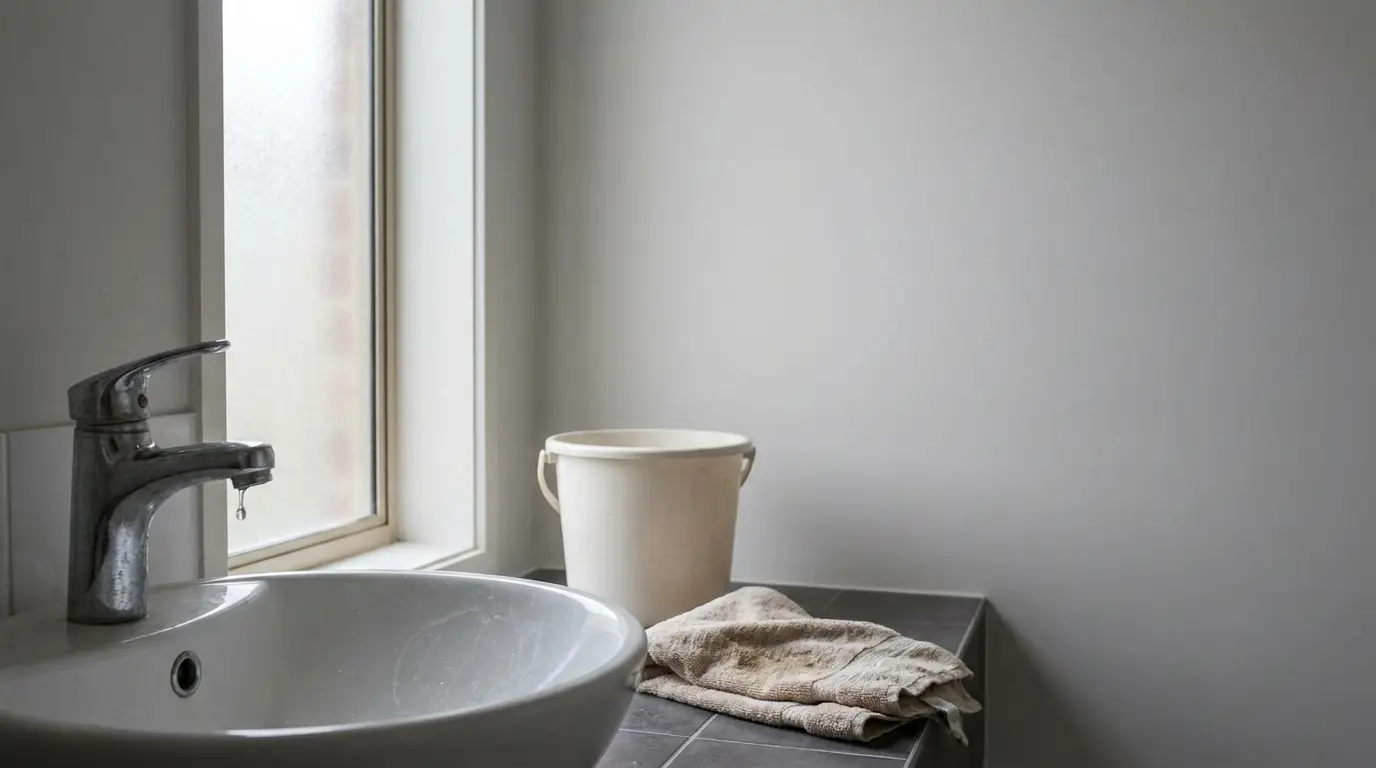
Not all plumbing jobs demand an immediate callout. If you can isolate the problem and the property remains safe and usable, arranging a routine visit is often reasonable.
Examples may include a slowly dripping tap, a minor leak from a radiator valve that has been contained, a single blocked basin, or a toilet that flushes poorly but is not overflowing. In these cases, avoid making the fault worse through improvised repairs.
A few sensible temporary measures can reduce the risk:
- Place towels or a container beneath a small leak.
- Turn off the local isolation valve beneath a sink or behind a toilet where possible.
- Avoid chemical drain cleaners, which can damage pipework and make later repairs more hazardous.
- Take photographs of the issue, especially if water damage is developing.
- Keep notes on when the problem started and what appliances or fixtures are affected.
Those details can save time when a plumber assesses the fault.
Signs That Water Damage Is Already Spreading
Sometimes the plumbing failure itself is hidden. You may not see a broken pipe, but the building gives you clues.
Watch for brown ceiling stains, bubbling paint, a persistent musty smell, warped flooring, unexplained drops in boiler pressure or a water meter that continues moving when all taps and appliances are off. These signs may point to a concealed leak.
A hidden leak does not always require a middle-of-the-night callout, but it should not be ignored. If water is actively staining ceilings, pooling beneath floors or threatening electrics, it becomes urgent. Otherwise, book an inspection promptly before moisture creates structural damage or conditions for mould.
Preparation Makes a Real Difference
Most plumbing emergencies are stressful because they feel sudden and unfamiliar. A little preparation reduces the panic.
Everyone in the household should know where the stopcock is and how it works. It should be checked occasionally, as valves can seize when left untouched for years. Landlords should also ensure tenants have clear instructions for isolating water and reporting urgent faults.
Keep a torch, old towels, a bucket and the contact details for relevant services somewhere easy to find. If your property has a boiler, understand the difference between its water pressure gauge and any fault codes displayed on the unit—but avoid removing boiler covers or attempting repairs yourself.
The safest rule is straightforward: if water is escaping uncontrollably, sewage is entering your home, or the fault creates a genuine health or safety risk, act quickly. Isolate what you can, protect people and belongings, and seek professional help. For smaller, contained issues, a planned repair is usually the more proportionate response.