

Staring at your nails while waiting for the gel to lift is nobody’s favorite part of a manicure. Get the timing wrong, and you may start scraping too soon or leave your nails soaking longer than necessary.
Both mistakes can weaken the nail surface, dry out the surrounding skin, and make the removal process take longer.
The right answer to how long to soak nails in acetone helps you remove gel without guessing. Timing depends on your nail condition, gel type, and removal method.
You’ll get exact soak times, required supplies, safe removal steps, and clear signs that the gel is ready to come off. Practical tips will also help prevent common mistakes and make removal easier.
Why Does Acetone Soaking Time Matter for Nail Removal?
Soak time is not just a waiting period. It determines whether the nail product comes off cleanly or leaves the natural nail damaged.
Too little time means the product has not loosened, which may tempt you to scrape or pry it off. Too much time allows acetone to dry out the nail and surrounding skin.
This is why guessing how long to soak nails in acetone or copying someone else’s timing often backfires. Product thickness, formula, application method, and even room temperature can affect how quickly acetone works.
The right soak time gives acetone enough contact to break down the product’s bonds. This allows it to lift cleanly instead of pulling away layers of the natural nail.
How Long Should You Soak Nails in Acetone by Product Type?
Acetone soaking time changes depending on the type of nail product being removed. Different materials have different thicknesses and structures, which affect how quickly they soften.
1. Standard Gel Polish
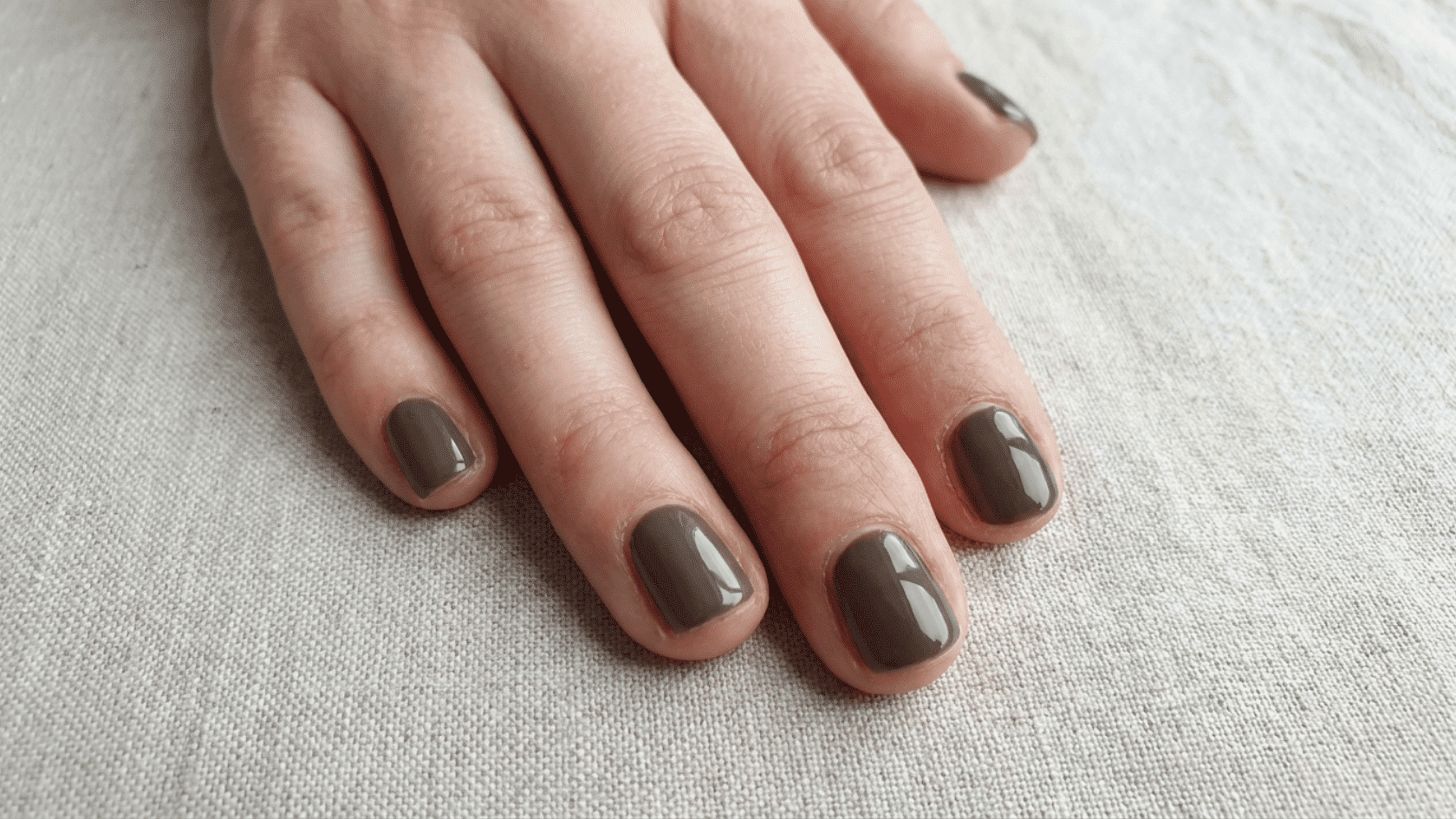
Standard gel polish takes 10 to 15 minutes to soak off. It’s the thinnest, most common type of soak-off polish. File the glossy topcoat first, then wrap the nail in acetone-soaked cotton and foil.
If the edges look lifted or the surface feels soft, it’s ready. Since this formula is designed specifically to break down in acetone, it rarely needs more than one round of soaking.
If it hasn’t softened by the 15-minute mark, the topcoat likely wasn’t filed enough at the start.
2. Builder Gel
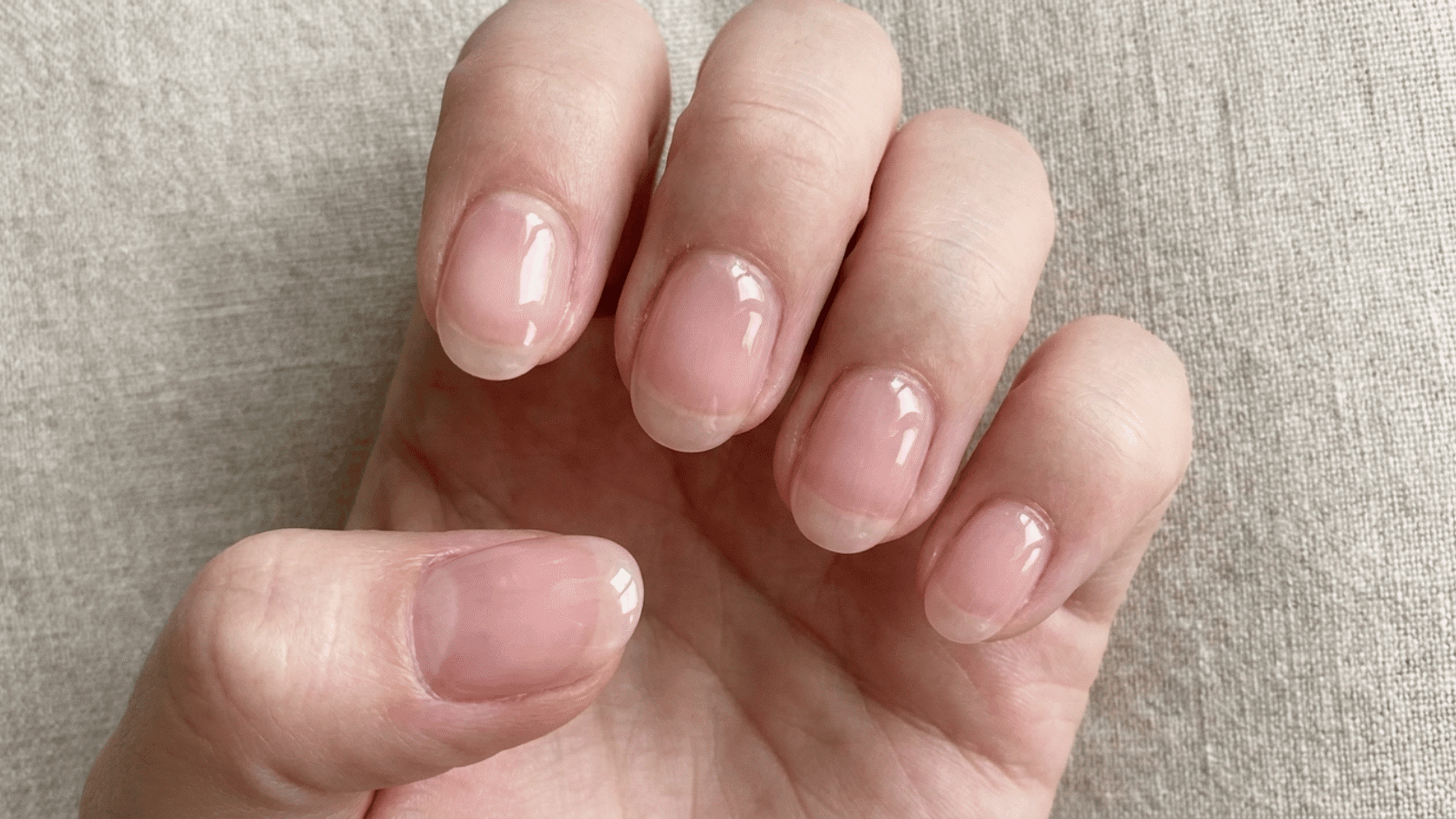
Builder gel usually takes 20 to 30 minutes to soak off. It’s thicker than regular polish, and some types act more like hard gel.
Filing down some of the bulk before soaking (without touching your natural nail) can noticeably reduce the time. Start checking at around 20 minutes instead of waiting the full time,
If it’s still solid after 30 minutes, check the label to confirm it’s a soak-off formula before continuing.
3. Hard Gel
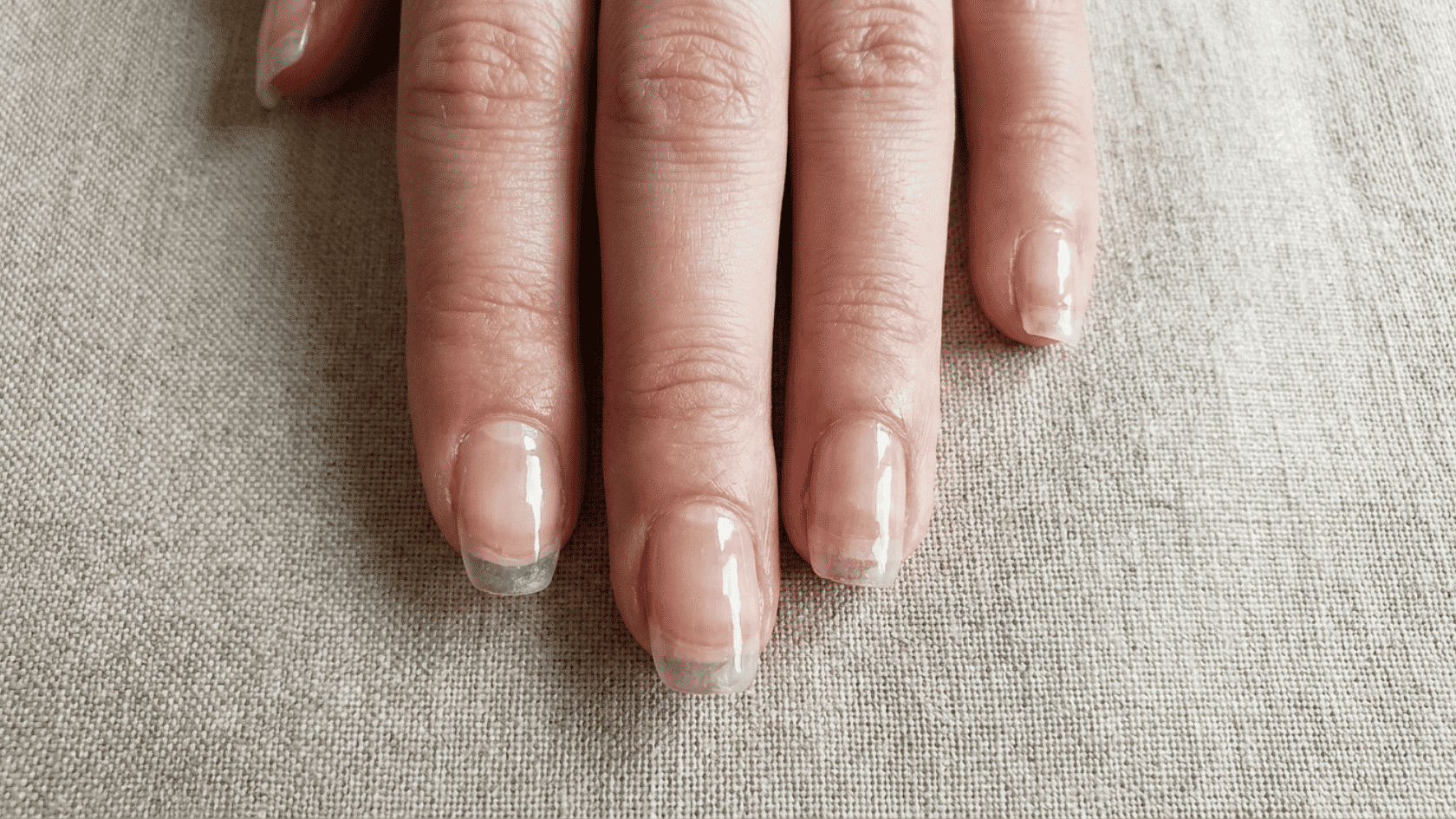
Hard gel can take 30 minutes or more to soak off, and often it won’t fully come off at all. It’s built to resist exactly what acetone does, so the safer route is having it filed down by a professional.
Repeated soaking sessions mostly just dry out the nail and skin without meaningfully loosening the product.
If 30 minutes hasn’t softened it at all, that’s usually the clearest sign you’re dealing with hard gel rather than a slow-releasing soak-off formula.
4. Acrylic Nails or Extensions
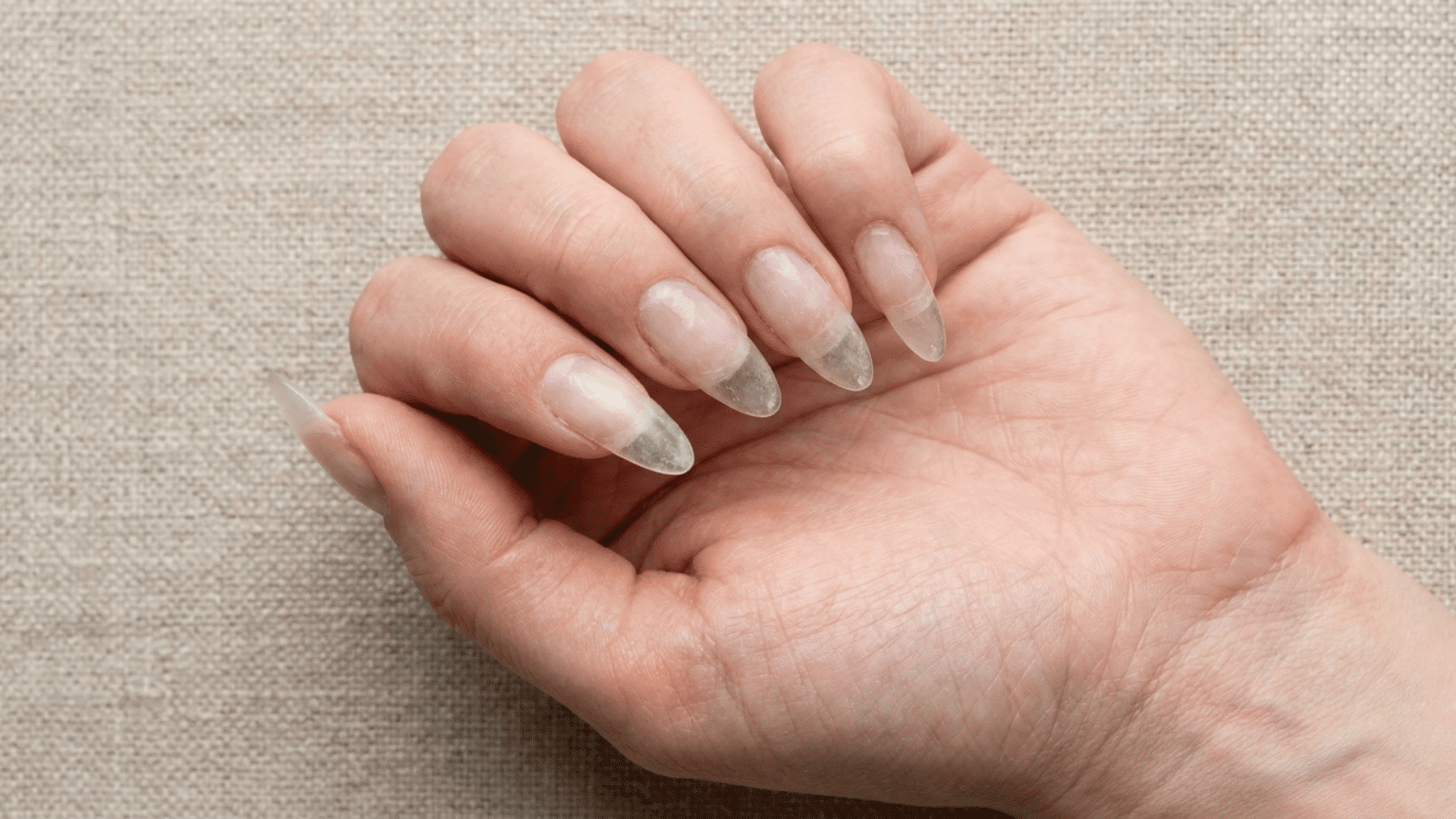
Acrylic nails generally need 20 to 30 minutes of soaking in acetone because acrylic layers are thicker and more durable than regular polish.
Filing the surface first can shorten the soaking process by allowing acetone to reach deeper layers. Large acrylic pieces should never be forced off if they remain attached.
5. Dip Powder Nails
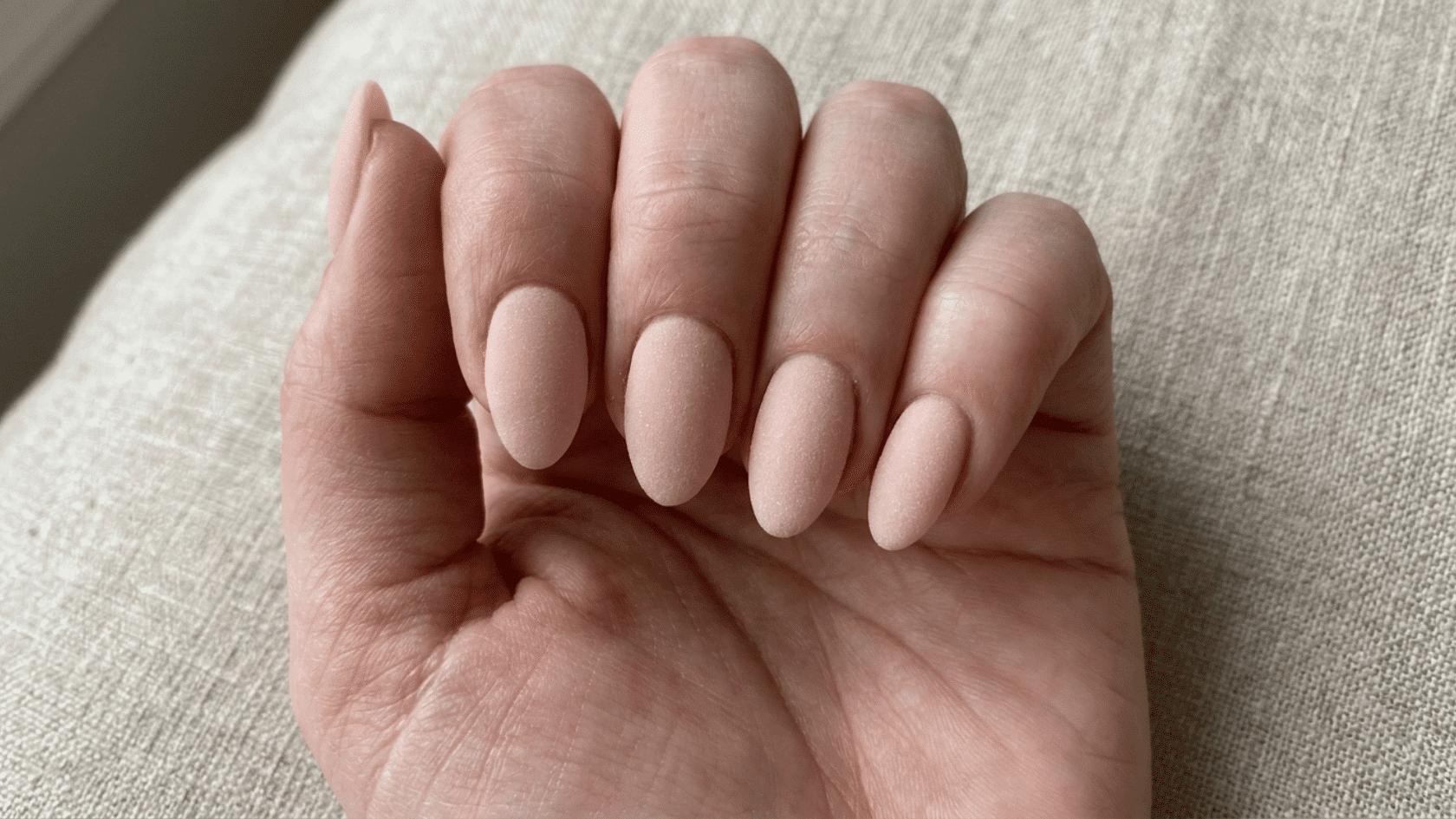
Dip powder usually takes about 15 to 20 minutes in acetone. Multiple layers or thicker applications may increase the required soaking time.
The powder should soften and be easy to remove once the acetone has worked through the layers.
Check at the 15-minute mark, then rewrap for a few more minutes if the powder still feels firm rather than crumbly.
Quick Reference: Acetone Soak Times by Product Type
When deciding how long to soak nails in acetone, use the lower end of each range as your first checkpoint. Check the product’s texture before adding more time.
| Product | Soak Time | Notes |
|---|---|---|
| Standard Gel Polish | 10 to 15 minutes | File topcoat first; usually needs only one soak |
| Builder Gel | 20 to 30 minutes | Check at 20 min; confirm it’s soak-off if still solid at 30 |
| Hard Gel | 30+ minutes, often incomplete | May not fully soften; professional filing is safer |
| Acrylic Nails | 20 to 30 minutes | Filing surface first shortens time; never force off |
| Dip Powder Nails | 15 to 20 minutes | Check at 15 min; rewrap if still firm |
Treat the upper end of each range as a checkpoint to check softness, not a deadline to hit. Soaking longer than necessary just dries out the nail and surrounding skin.
What Do You Need Before Soaking Nails in Acetone?
Before deciding how long to soak nails in acetone, gather the correct supplies to make the removal process safer and easier.
What You’ll Need:
- Pure Acetone: Works better than regular remover, which often isn’t strong enough.
- Nail File: Removes the shiny top layer so acetone can work faster.
- Cotton Balls or Pads: Hold acetone against the nail during soaking.
- Aluminum Foil: Seals the soaked cotton against the nail.
- Orange Wood Stick: Gently lifts off softened product without scraping.
- Cuticle Oil or Moisturizer: Protects skin before soaking and restores softness afterward.
Having these ready before you start means fewer interruptions during the soak and a much gentler removal overall.
How Do You Safely Soak Nails in Acetone?
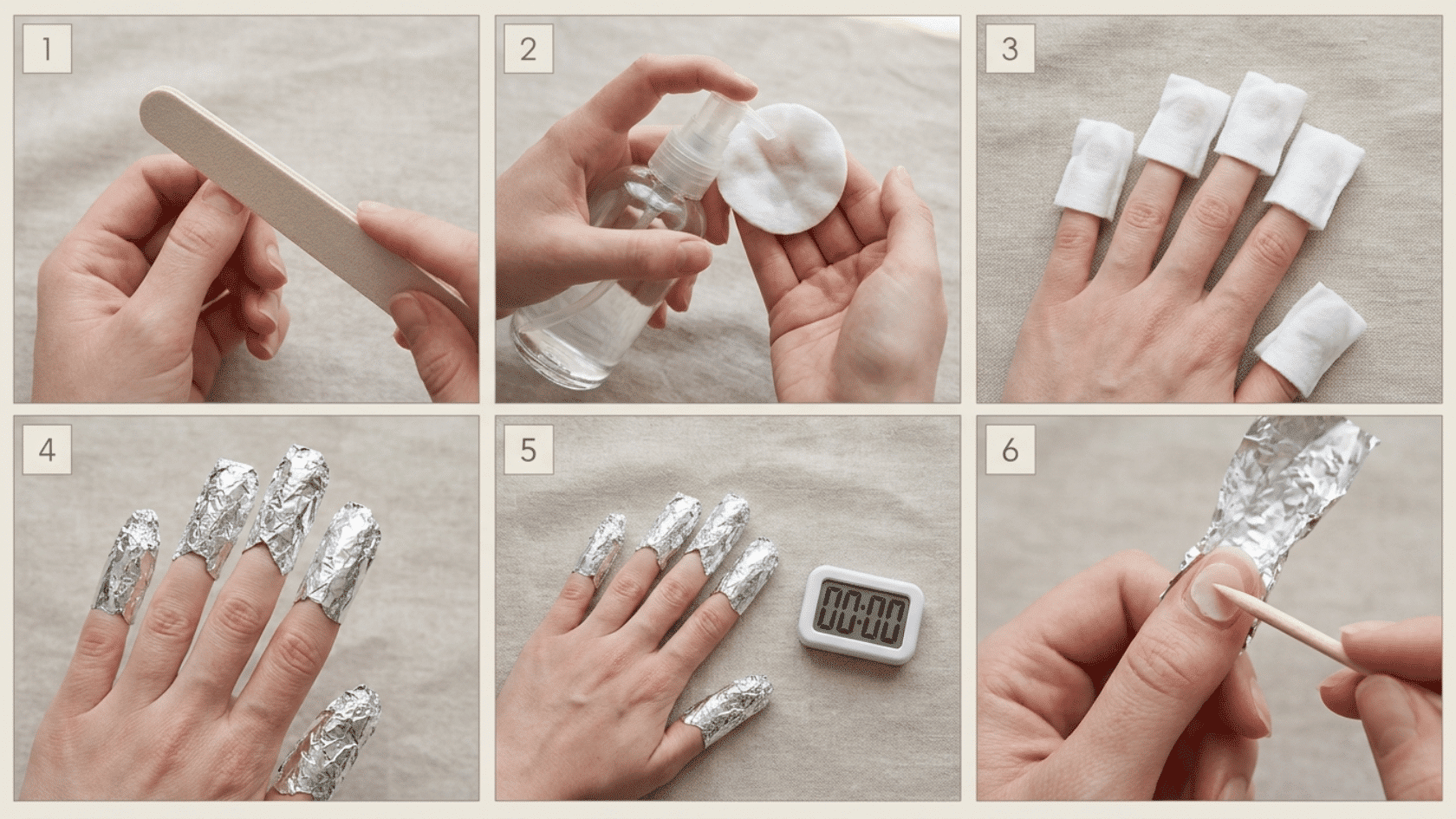
The foil wrap method is one of the most common ways to soak nails in acetone at home. It keeps acetone focused on each nail while reducing unnecessary exposure.
Follow These Steps:
- File the top layer of polish or enhancement.
- Soak cotton pads or balls in acetone, then place them over each nail.
- Wrap each finger with aluminum foil.
- Wait 10 to 30 minutes, depending on the nail type.
- Check one nail for softness before unwrapping the rest.
- Gently push away the softened product with an orange wood stick.
- Rewrap and soak for a few more minutes if the product hasn’t softened.
The product type is the main factor when calculating how long to soak nails in acetone, so begin with the shortest recommended time and check the texture before continuing.
Tip: Work in a well-ventilated area and place a small bowl of warm water under your hands during the wrap. The gentle heat speeds up the acetone’s effect.
How Do You Know When Nails Are Ready to Come Off?
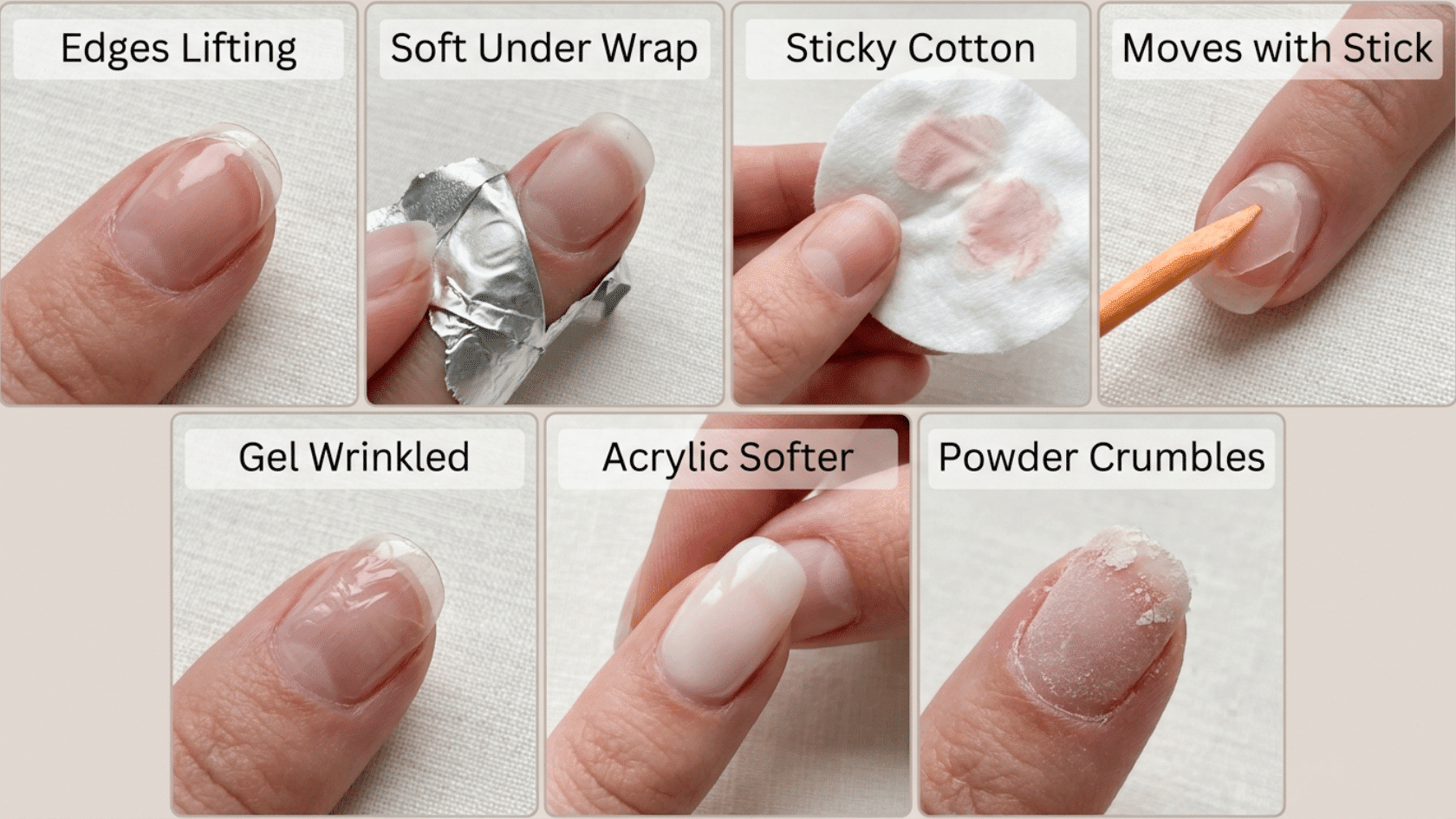
Check in at the low end of the soak range and add five-minute increments until these signs appear:
- Edges Lifting: You’ll notice it is raised or loose near the sides or base.
- Soft Under the Wrap: It feels rubbery, not hard, when you press gently.
- Sticky Cotton: You’ll see gel color or film on it, a sign the acetone’s working.
- Moves Easily with A Stick: It slides off with light pressure; if it chips, just re-wrap.
- Gel Wrinkled or Lifted: The surface puckers or curls away from the nail.
- Acrylic Feels Softer: The hard shell loses its rigidity under light pressure.
- Dip Powder Breaks Apart: The layers crumble or flake instead of holding together.
Even after estimating how long to soak nails in acetone, check the product’s texture before attempting to remove it.
If none of these show up yet, don’t force it; just wrap the nail again and give it a few more minutes. Patience here saves your nails from unnecessary damage.
How Should You Care for Nails After Acetone Removal?
Acetone can leave nails and skin feeling dry because it removes oils from the surface. Proper aftercare helps keep nails looking healthy after removal.
- Apply cuticle oil right after removal to help restore moisture.
- Follow up with a hand cream or moisturizing treatment to lock in hydration.
- Reapply cuticle oil regularly over the next few days to reduce dryness.
- Give nails a short break between applications instead of reapplying right away.
- Avoid a strong enhancement immediately if nails feel thin, weak, or sensitive.
- Let natural nails rest between treatments to maintain their strength.
A little aftercare now means stronger, healthier nails the next time you’re ready for a fresh set.
Final Thoughts
Getting how long to soak nails in acetone right is less about memorizing exact minutes and more about reading your nails as you go.
Every product- gel, acrylic, and dip powder softens at its own pace, and the safest removals happen when you check in rather than clock-watch.
Filing first, protecting your skin, and rewrapping when needed will save your nails far more than rushing ever will. Healthy nails start with patient removal, not a faster one.
Got a tip that’s worked for you, or a product that took way longer than expected? Drop it in the comments below.
Frequently Asked Questions
How Can You Tell if You’re Using Pure Acetone or A Diluted Remover?
Pure acetone evaporates almost instantly when a drop is rubbed between your fingers, leaving no oily residue. Diluted removers evaporate more slowly and often leave a slight film or scent behind.
Can Soaking Nails in Acetone Too Often Damage Them Long-Term?
Yes, frequent use of acetone over months can leave nails permanently thinner, more brittle, and prone to peeling. Spacing out removals and using strengtheners can help offset this over time.
Is It Safe to Soak Nails in Acetone if You Have a Skin Condition Like Eczema?
Acetone can worsen dryness and irritation for those with eczema or sensitive skin, so extra caution is needed. Using a thick barrier cream around the nails and limiting soak time can reduce flare-ups.