

A practical home gym balances two priorities: making regular exercise easier and fitting naturally into your home. Too often, home setups end up as a pile of equipment stuffed into a corner, collecting dust within weeks.
The difference between a home gym that gets used and one that doesn’t usually comes down to planning, from mapping out your layout to sourcing pieces from a trusted gym equipment supplier like Fitness Avenue.
When you treat the space with the same intention you’d give any other room in your house — considering layout, lighting, flooring, and aesthetics alongside function — you end up with something you actually want to spend time in. Here’s how to approach it.
Choosing the Right Space for Your Setup
Before buying a single piece of equipment, evaluate the space you have. A spare bedroom, a section of the garage, or even an underused corner of a living area can work — as long as it meets a few basic requirements. You need enough ceiling height for overhead movements, adequate ventilation, and a floor that can handle impact and weight.
Garages and basements offer the most flexibility for heavy equipment. Spare rooms tend to work better for bodyweight training, yoga, or lighter resistance work. Measure the area and map out where each piece of equipment will go before committing to anything.
Selecting Equipment That Matches Your Goals
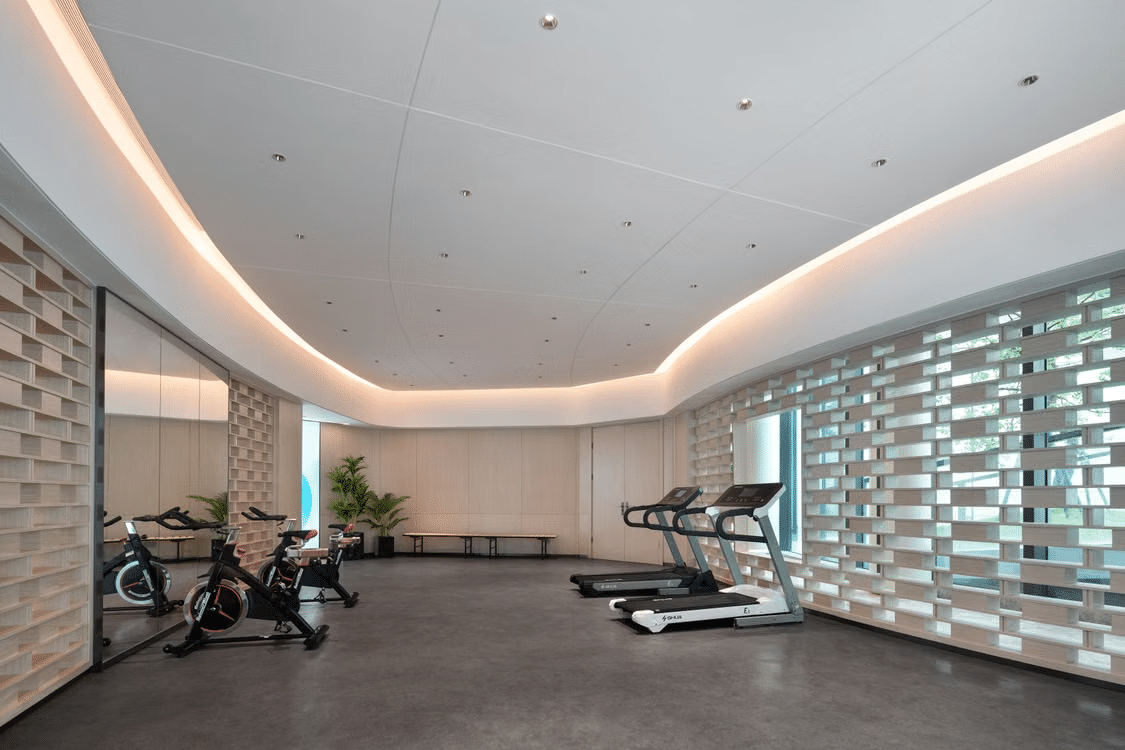
The most common mistake people make is buying equipment they don’t need. A home gym doesn’t have to replicate a commercial facility. It needs to support the type of training you actually do.
- Strength training: A power rack, barbell, weight plates, and an adjustable bench cover most compound movements.
- General fitness: A set of adjustable dumbbells, resistance bands, and a jump rope provide a solid foundation without taking up much room.
- Cardio-focused routines: A rower, stationary bike, or compact treadmill can work well, depending on available space.
A few durable, versatile pieces are usually more valuable than a room full of rarely used equipment. Multi-use equipment — like adjustable dumbbells or a rack with a pull-up bar — helps you get more out of a smaller footprint.
Installing Flooring That Protects and Performs
Flooring is one of the most overlooked parts of a home gym, but it makes a noticeable difference. Rubber gym tiles or rolled rubber mats protect your subfloor from dropped weights, reduce noise, and provide a stable surface for lifting.
For yoga or stretching areas, a thinner mat or cork flooring works well. If the gym shares space with the rest of the house, interlocking foam tiles offer a low-cost option that’s easy to install and remove. Stick with a neutral shade that fits naturally into the space rather than standing out.
Designing a Layout That Keeps the Space Functional
Arrange equipment so you can move between exercises without constantly reorganizing. Place larger items — racks, benches, machines — along the walls and keep the center of the room open for floor work, stretching, or dynamic movements.
Wall-mounted storage for bands, jump ropes, and smaller accessories keeps the floor clear. Mirrors serve a practical purpose by letting you check form, and they also make the space feel larger. Good lighting matters too: bright, even overhead lighting reduces eye strain and keeps the area from feeling like an afterthought.
Maintaining a Clean, Cohesive Look
A home gym that looks intentional gets used more often. This doesn’t mean spending extra money on decoration — it means making deliberate choices. Keep the color palette limited. Store equipment neatly between sessions. Choose pieces that match in finish when possible, such as all-black or stainless steel.
Small details add up: a wall-mounted speaker for music, a clock or timer you can read from across the room, and a fan or open window for airflow. These elements don’t cost much, but they turn the space from a storage area into a room that supports a routine.
Starting Small and Building Over Time
You don’t need to furnish the entire gym at once. Build your home gym around your current routine, adding equipment only when you need it. This approach keeps costs manageable and prevents you from cluttering the space with things that seemed useful at the time but sit unused.
A home gym works when it reflects how you actually train— not how you think you should. Plan the space, invest in the basics, and build from there.