
Your team has settled on a name, the season schedule is out, and now someone has to sort out uniforms. Everyone has an opinion about colors, half the roster hasn’t sent sizes, and the first game is closer than it looks.
Good uniforms do two jobs at once. They make the team look like a team, and they let every player move freely. The steps below help a recreational team turn shared colors and individual preferences into a design that works on the field and arrives on time.
Step 1 – Ask Players What Matters to Them
Player input at the start saves arguments and reorders later. Before anyone opens a design tool, send a short survey to the whole roster so that everyone has a say in what they’ll be wearing all season.
Keep the questions simple and specific:
- Which two or three team colors do you prefer
- Do you want a sleeveless top or one with sleeves
- Do you prefer full-length or knee-length pants
- What name should appear on the back of your jersey
Give a clear deadline, such as one week, and collect every answer in one place, like a shared spreadsheet. Once the deadline passes, the team captain or manager makes the final call based on what most players chose. Share the result with everyone so nobody is surprised when the uniforms arrive.
Step 2 – Choose Team Colors That Work Together
Your team colors are the most visible part of your identity, so pick a combination that’s easy to read from across the field. Keep it to one main color and one or two accents.
Contrast matters more than you might expect. Numbers and names need to stand out against the jersey, so pair a dark base with light lettering or the other way round. Check the number color against the jersey color from a distance, because what looks fine up close can blur together from the dugout.
Think about the weather your games are played in, too. If your season runs through the summer, lighter colors are worth considering for jerseys, since the CDC recommends that people in extreme heat wear loose, lightweight, light-colored clothing and sunscreen. A darker accent on sleeves or trim still keeps a strong team look.
Finally, check your colors against the league. If another team in your division already wears navy and gold, choose something different so players and umpires can tell the teams apart at a glance.
Step 3 – Collect Sizing Information Early
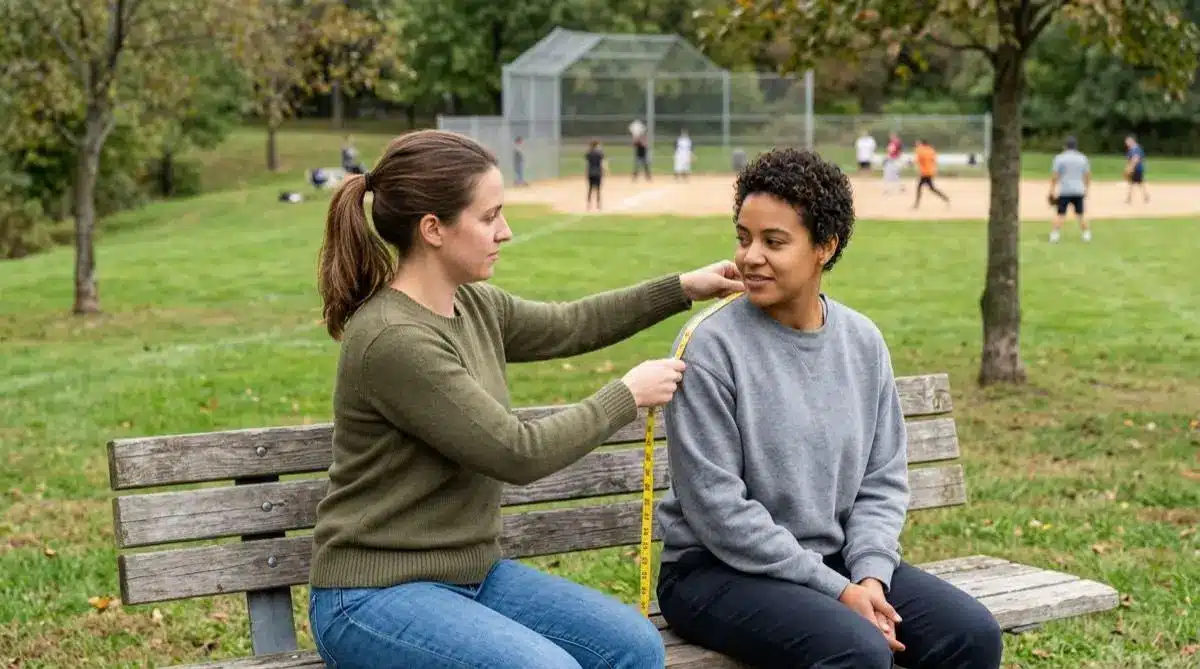
Accurate sizing is what makes a uniform comfortable for each player. Start collecting sizes as soon as the survey goes out, rather than waiting until the design is finished, so a missing size doesn’t hold up the order.
Use a Size Chart, Not a Guess
Ask every player to measure themselves against the size chart for the exact uniform you plan to order. Sizes vary between makers, so a player who wears a medium in everyday shirts may need a different size in a performance jersey. Have players record chest and waist measurements as well as their size.
Think About Movement on the Field
Softball means a lot of throwing and sliding, so tops need room through the shoulders and pants need room at the knees and hips. Players who like a looser fit can size up. Catchers should check that the jersey sits well over their chest protector.
Plan for Youth and Adult Sizes
A mixed or family team may need both youth and adult sizes. Keep them clearly labeled in your spreadsheet so they don’t get mixed up when you enter the order.
|
Top Tip: Ask players to measure themselves wearing what they’d normally have on under their uniform, such as a compression shirt or sliding shorts. That small step helps the fit match game day rather than a fitting room, and it cuts down on players asking to swap sizes after the order arrives. |
Step 4 – Build a Clear Roster Before You Order
A clear roster is the single document your uniform order depends on. Every name, number and size should be checked and agreed on before anything goes into production.
Set up your roster with a column for each detail:
- Player’s full name as it should appear on the jersey
- Jersey number
- Top size and pant size
- Any style choice that differs from the rest of the team
Lock in jersey numbers early, in case two players want the same one. Settle any duplicates before you design, and check that numbers follow your league’s rules. Then send the finished roster to the whole team and ask everyone to confirm their own line. Spelling mistakes on the back of a jersey are easy to make and hard to fix once the order is printed.
Step 5 – Turn Your Plan Into a Design
With your colors and roster settled, you’re ready to put the uniform together. A design tool makes it easy to try your colors in different layouts and see how the names and numbers will look before anyone pays.
Start with a simple layout and add your logo and numbers one at a time. You can start building custom softball uniforms from Sports Gear Swag in an online design editor that lets you add player names and numbers. Copy each name exactly from your confirmed roster rather than retyping it from memory.
Share a screenshot of the draft design with the team and give everyone a short window to raise concerns. Small changes, like moving a logo or adjusting a trim color, are much easier now than after production.
Step 6 – Review the Final Proof and Plan for Care
The final proof is your last chance to catch mistakes, so read it line by line against your roster. Check every name and number against the roster, then check the colors and logo placement.
Have a second person read the proof as well. A fresh pair of eyes catches the misspelled name or the swapped number that you’ve looked at too many times to notice.
Once the uniforms arrive, keep them looking sharp all season by following the care label. Federal rules say care labels must state what regular care is needed for the ordinary use of the product, so read yours before the first wash. Share the care instructions with every player in the team chat, since each person will be washing their own uniform.
Send Your Player Survey This Week
You don’t need to have the whole uniform figured out before you start. Send a short survey to your roster today asking about colors and styles, and set a one-week deadline. Once the answers come in, you’ll have what you need to collect sizes and build a roster your team will be proud to wear.
Frequently Asked Questions
How Do We Choose Softball Team Colors?
Pick one main color and one or two accents, with strong contrast between the jersey and the numbers. Check the colors against other teams in your league so players and umpires can tell you apart.
How Should Players Choose Their Uniform Size?
Each player should measure against the size chart for the exact uniform you plan to order, while wearing what they normally have on underneath. Players who like a looser fit can size up.
What Should a Softball Uniform Roster Include?
List each player’s full name as it should appear on the jersey, their number, and their top and pant sizes. Ask every player to confirm their own line before you order.