
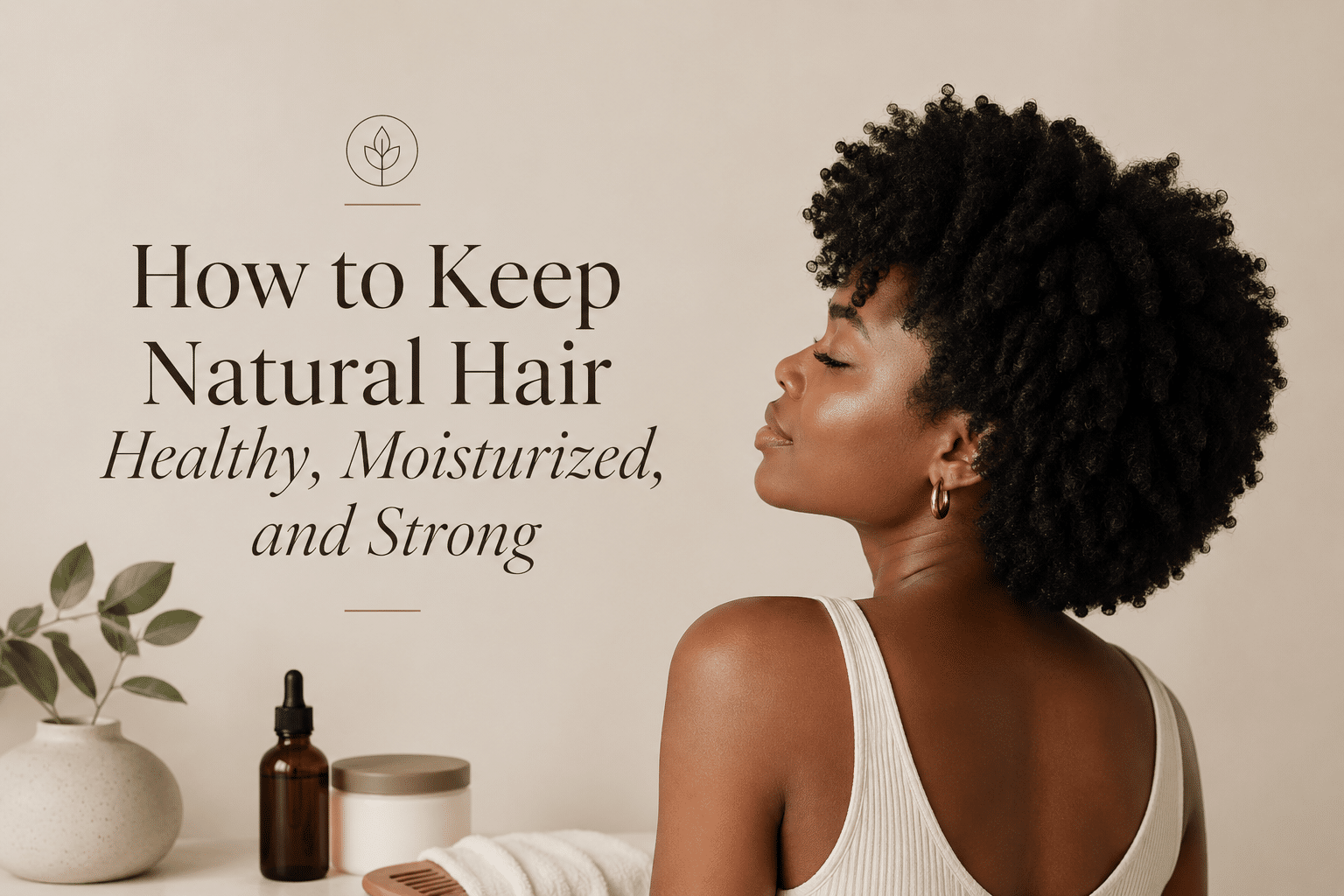
Natural hair has its own personality.
Some days it curls perfectly. Some days, it’s greasy. And some days, it feels dry like straw.
One week, your hair loves a product. The next week, it acts differently. That’s normal. Natural hair changes with the products, upkeep, weather, water, and what you eat.
The trick is learning how to take care of natural hair and what it actually needs. Healthy natural hair holds moisture longer, breaks less often, and grows stronger over time.
You don’t need 20 products. You need the right routine and consistency.
- Treat damaged hair with rich, solid conditioner bars today!
Hair Care Basics
Cleanse Hair Gently
Fresh scalp feels much better.
Use a mild shampoo that cleans the scalp (but doesn’t strip away natural oils). Natural hair already loses moisture faster than straight hair. So, harsh cleansers can leave strands brittle and rough.
Choose shampoos with nourishing oils and butters, whether it’s a bar or a liquid one. They help hair feel cleaner while making it soft and manageable.
- Have a small amount of shampoo in your palms
- Rub them together
- Create a light lather
- Gently press the pads of your fingers against your scalp
- Massage in small circular motions for 1-3 minutes
- Rinse
Look for ingredients like-
- Coconut Oil for softness
- Shea Butter for moisture
- Jojoba Oil for scalp balance
- Argan Oil for shine
- Activated Charcoal for deeper cleansing
Wash based on your hair type-
- Oily scalp: every 1 to 3 days
- Dry or curly hair: once or twice weekly
- Color-treated hair: 1 to 2 times weekly
Avoid overwashing. Too much shampooing can pull moisture from the hair and leave curls dry faster.
Lock In Moisture
Keep strands soft after washing.
Dry hair usually knots faster and breaks more during styling. Hair conditioning helps target that. It restores hydration, softens the hair, repairs damaged hair, reduces tangles, and improves shine.
- Apply conditioner every time you shampoo.
- Use the ones made with oils, humectants, and rich butters.
- Focus mostly on the middle and ends of the hair.
- Leave the conditioner on for a few minutes before rinsing since hair absorbs moisture better that way.
You can go with a bar or a liquid conditioner. The natural ingredients ensure your strands become easier to detangle and smoother throughout the week.
Look for ingredients like-
- Aloe Vera for hydration
- Mango Seed Butter for softness
- Olive Oil for smoother texture
- Cocoa Butter for dry hair
- Argan Oil for shine
Nourish With Hair Oils
Feed dry hair more moisture.
Natural hair can become dry quickly from weather changes, washing, or heat styling. In this case, oiling your hair is a must.
It helps seal moisture into the strands and support a healthier scalp. Besides, it fixes dry hair, provides nutrients, and promotes natural hair growth. The scalp also feels less itchy and tight after regular oiling.
- Use lightweight oils to smooth rough ends and improve shine.
- Get 1-2 tablespoons of any suitable oil
- Warm a small amount between your palms before applying.
- Section your hair
- Apply directly to the scalp
- Massage gently for 5 minutes
- Work any remaining oil through your mid-lengths to the ends.
- Leave for 1-2 hours (or overnight)
- Wash thoroughly
Avoid heavy oiling too often. It can clog pores and create buildup.
Try ingredients like-
- Coconut Oil for nourishment
- Sweet Almond Oil for softness
- Jojoba Oil for lightweight moisture
- Avocado Oil for dry hair
- Onion Oil for root support
Follow a simple oiling routine-
- Dry or coarse hair: 2 to 3 times weekly
- Normal hair: once or twice weekly
- Oily scalp: once or twice monthly
Smooth Hair With Serum
Control frizz before it spreads.
Natural hair often becomes frizzy in humid weather or after rough drying. To fix that, consider using a hair serum. It helps reduce dandruff, soothes the scalp, improves shine, brings softness, and adds moisture.
Choose serums with plant oils and vitamins. They help soften damaged strands.
- After a shower, take 1 to 3 drops (or 1 pump) in your palms
- Rub the serum between your hands for a few seconds to warm it up
- Run your fingers through your hair like a comb
- Apply it to damp ends instead of the roots
Look for ingredients like-
- Flaxseed for smoothness
- Almond Oil for softness
- Pumpkin Seed Oil for hydration
- Aloe Vera for moisture
- Vitamin-rich oils for repair support
Use serum based on your hair type-
- Fine or oily hair: apply after washing only
- Curly or dry hair: apply after every wash plus touch-ups
Healthy Hair Upkeep
Trim Ends Regularly
Cut damage before it spreads.
Damaged ends can make hair look rough and feel weaker during styling.
So, trim the ends every 6 to 8 weeks to stop split ends from traveling upward.
Regular trims also help maintain the overall health of your hair. They remove dry and damaged portions. This allows new and healthier hair to grow in its place. Plus, trimming prevents breakage and hair loss before either one gets out of control.
Use sharp haircutting scissors for cleaner cuts. Razor cuts often create rough edges that increase breakage and split ends.
Follow these habits-
- Trim dry, damaged ends regularly
- Use proper haircutting scissors
- Avoid dull blades and razor cuts
- Schedule trims before severe splitting starts
Massage Your Scalp
Fingers do more than style hair.
Massage your scalp daily to improve blood flow and relax tight scalp muscles. Studies show scalp circulation can rise by around 120% after one session.
Use the pressing method instead of rough rubbing. Gentle pressure works better for increasing scalp blood flow.
As it helps deliver more oxygen and nutrients to follicles, this can support healthier hair growth.
Follow this simple routine-
- Massage for 3-5 minutes daily
- Use fingertips instead of nails
- Move across the entire scalp evenly
- Add a small amount of hair oil if needed
Do this while watching television or waiting for coffee to brew. Daily massaging for 7 days can improve scalp mobility noticeably.
Dry Hair With Microfiber Towels
Handle wet hair more gently.
The protein structure of hair stretches more easily and breaks faster when it’s wet. This is the moment when most damage happens. Rough drying makes things worse. The outer cuticle lifts. Moisture escapes. Hair turns frizzy and weak.
The solution is simple.
- Pat your hair dry instead of rubbing
- Switch to a microfiber towel after washing.
- Wrap hair loosely
- Limit high heat from blow dryers
- Let the hair air-dry partway
Microfiber absorbs water gently and protects the hair’s inner structure. Besides, it helps reduce protein loss and improves hair strength.
Choose towels made with-
- 80% polyester
- 20% nylon
Gentle drying helps hair stay smoother and less frizzy.
Sleep On Smooth Fabrics
Protect your hair while you sleep.
Pillowcases made of rough fabrics can pull moisture from the hair and create tangles while sleeping. For this, materials play a big role in your hair. Smooth fabrics are incredible. They glide across the strands.
Better fabric choices for pillowcases include-
- Silk for very low friction
- Satin for affordable protection
They reduce friction overnight. Plus, they protect curls and keep hair looking healthier longer.
FAQs
How to Deeply Moisturize Hair Naturally?
Wash with a gentle shampoo. Then apply a rich conditioner with shea butter, aloe vera, or coconut oil. Seal moisture with lightweight oils. Avoid excessive heat styling or overwashing.
What Can I Put on My Natural Hair to Keep It Moisturized?
Use leave-in conditioners, aloe vera gel, lightweight oils, hair serums, and creamy conditioners. Hair care products with ingredients like jojoba oil, argan oil, and cocoa butter help strands stay soft and hydrated longer.
What Is the 3 Rule for Hair?
The 3-step hair rule usually means cleanse, moisturize, and protect. Wash gently, lock moisture into strands, then protect hair from friction, heat, dryness, and breakage throughout the week.
How to Thicken Hair Naturally?
Massage your scalp regularly, eat protein-rich foods, reduce heat damage, trim split ends, and use nourishing oils like castor, onion, or coconut oil to support healthier, fuller-looking hair growth.