

A new home rarely matches the floor plan of the last one, even when the room count stays the same. A lounge room may run long where the old one ran square, with windows on a different wall. Furniture that fitted the old house may block a doorway or a heater in the new one.
A room layout planned before removal day lets each piece go straight to its final spot. The house removalists Melbourne families book for the day can place furniture in each room once a printed plan sits on the kitchen bench. The steps below run from the first measurement to final placement.
Furniture Set Down in the Wrong Room Costs Time
Without a layout, the crew sets each item in the nearest open space to clear the truck fast. Each piece then needs a second carry once the household decides where it belongs. A sofa shifted twice through a narrow hallway may scuff the walls of a freshly painted home.
Older Victorian terraces in inner Melbourne have long, narrow rooms with fireplaces that fix where a couch can sit. Post-war brick veneer homes in the outer suburbs tend to have compact bedrooms with built-in robes along one wall. New apartments trade walls for open-plan living areas, which leaves fewer obvious spots for a bookcase. A walk through the new home before the move shows which of these limits apply.
A Measured Floor Plan Guides Each Room
A simple floor plan on grid paper or a free app gives each room a clear outline in metres. The plan needs only a few details to guide the crew on the day.
- Record the length of each wall in centimetres for a precise fit
- Mark each window plus the swing direction of every door
- Note power points, TV outlets plus split system units so screens sit near a socket
- Draw large pieces to scale as paper cut-outs to test each position
- Number each room on the plan to match the labels on the boxes
A copy taped inside the front door gives the crew a quick reference on each trip.
Some Pieces May Suit a Different Room
A measured plan quickly shows which items sit poorly in the new space. The table below lists common signs, with the next step for each one.
|
Item |
Sign of a Poor Fit |
Next Step |
|
Three-seater sofa |
Overhangs a window or blocks a heater |
Test the sofa against a different wall on the plan |
|
King bed frame |
Leaves a tight walkway around the bed |
Consider the larger bedroom or a queen frame |
|
Dining table |
Blocks the path from the kitchen to the back door |
Remove a leg or shift the table towards a wall |
|
Tall bookcase |
Sits where a window or vent needs clearance |
Move it to a solid wall with a stud behind |
|
Large rug |
Curls up against fixed cabinetry |
Measure the clear floor before the move |
One awkward fit may need only a change of wall on the plan. Several poor fits across the house mark the point to sell, store, or donate a few pieces before the truck arrives. Fewer items on the truck can shorten the job on the day.
Tall Furniture Needs a Secure Spot on a Solid Wall
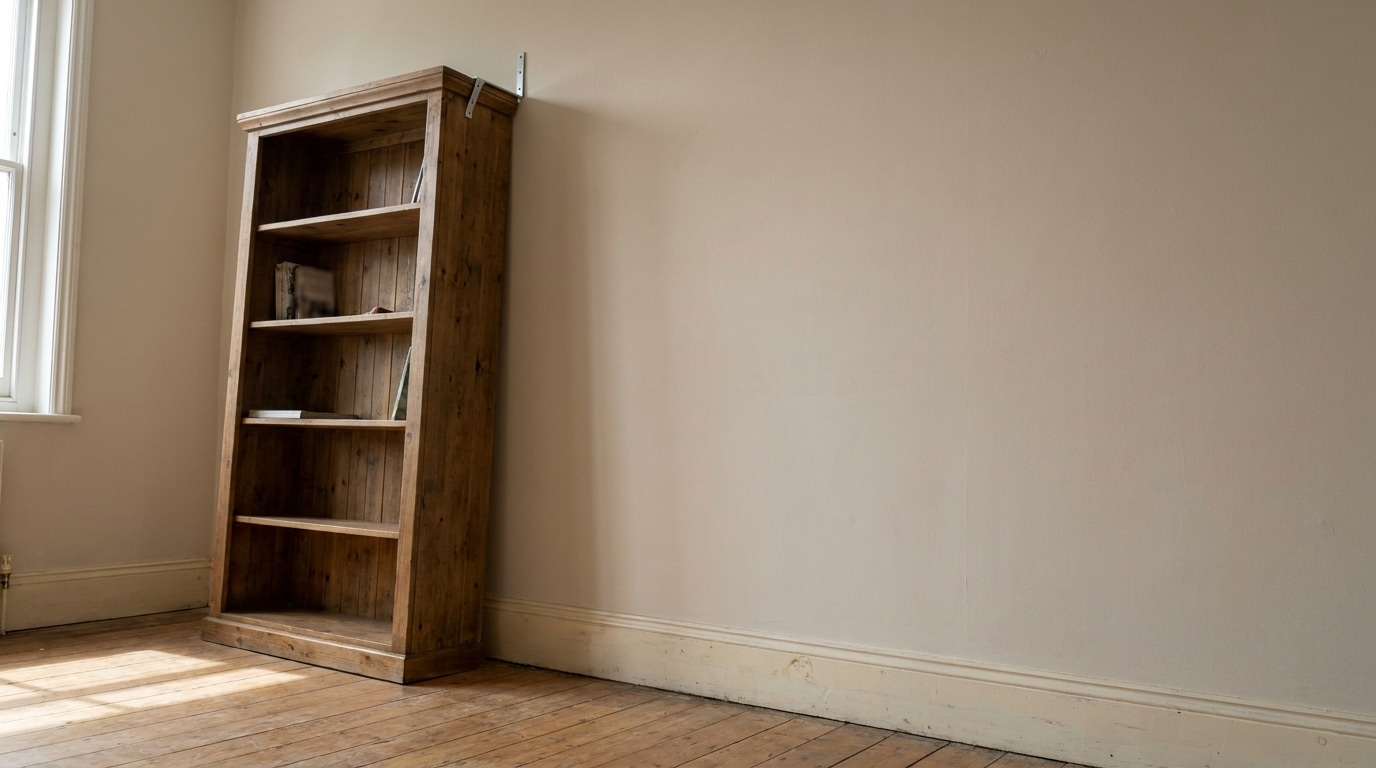
Tall bookcases or chests of drawers can tip forward once the drawers open or a child climbs the shelves. The ACCC’s product safety team advises households to anchor furniture to the wall with straps or brackets. A stud finder helps locate the timber frame behind plasterboard, so screws hold firm. Heavy items belong on low shelves, which keeps the weight near the floor.
Rules on wall fixings vary from one rental agreement to the next, so renters should check theirs before any screws go in. A small pencil mark on the plan for each anchor point helps the crew place tall pieces against the right section of wall. Flat-screen TVs on low cabinets need the same attention, with a strap that ties the screen to the wall behind it.
A Removal Crew Places Each Piece Where It Belongs
Large wardrobes, glass cabinets or a piano in an upstairs room mark the point where a trained crew becomes the safer choice. On arrival, the crew lead reads the floor plan against the box labels with the household. The lead then checks each doorway on the route against the widest items on the list. Bed frames or modular units come apart at the old address, with reassembly in the room shown on the plan.
A clear plan lets the homeowners hire and set each item in place on the first carry. Firms such as Brilliance Removals can unpack boxes or store items without a spot yet. With the heavy pieces in place, the household can settle into the new rooms on the first night.
A Room Plan Makes the First Night Easier
Delays at a new home tend to start with furniture that has no clear destination. The best step is a measured floor plan shared with the crew before removal day. Each piece can then land in its room on the first carry. The result is a home that feels settled sooner, with fewer scuffs on freshly painted walls.