
Team apparel does not have to stay inside the dance studio. With the right styling, dance pieces can work for travel days, rehearsals, casual outings, competitions, school events, and weekend plans.
The key is balance. Dance apparel is built for movement, stretch, and comfort. Everyday styling needs structure, layering, clean proportions, and pieces that make the outfit feel intentional.
A studio piece should not look like it was worn by accident. It should look like part of a planned outfit.
Start With the Apparel Type
Before styling team apparel, look at the garment itself. A fitted top, oversized tee, warm-up jacket, hoodie, jogger, tank, or cropped sweatshirt each needs a different approach.
Pieces with large logos or bold graphics should be paired with simpler basics. Minimal team pieces can handle stronger layers or accessories.
For dancers and teams ordering custom dance apparel, it helps to choose designs that work both in performance settings and casual outfits.
Clean colors, readable lettering, and balanced logo placement make apparel easier to wear outside practice.
Use Fit to Control the Look
Fit determines whether team apparel looks polished or too casual. Oversized pieces can work, but they need structure elsewhere.
If the top is loose, pair it with fitted leggings, straight jeans, bike shorts, or tapered joggers. If the top is fitted, balance it with wide-leg pants, relaxed denim, or a structured jacket.
Avoid wearing every piece oversized unless the look is clearly streetwear-inspired.
Good styling usually depends on contrast.
A fitted dance tank under a loose overshirt feels more intentional than a full outfit of tight athletic pieces.
Layer With Everyday Pieces
Layering helps team apparel move into regular style. A dance tee or warm-up top can look different when worn under a denim jacket, bomber, cropped hoodie, blazer, flannel shirt, or lightweight trench.
Outer layers add shape and make the outfit feel less like practice wear.
The layer should match the setting. A zip jacket works for travel. A denim jacket works for errands. A blazer can make a simple team top feel sharper for a casual event.
Good Layering Options
Useful layers include:
- Denim jackets
- Bomber jackets
- Zip hoodies
- Oversized button-down shirts
- Cropped sweatshirts
- Lightweight trench coats
- Varsity jackets
- Softshell jackets
Choose one main layer instead of stacking too many pieces.
Build Around Neutral Basics
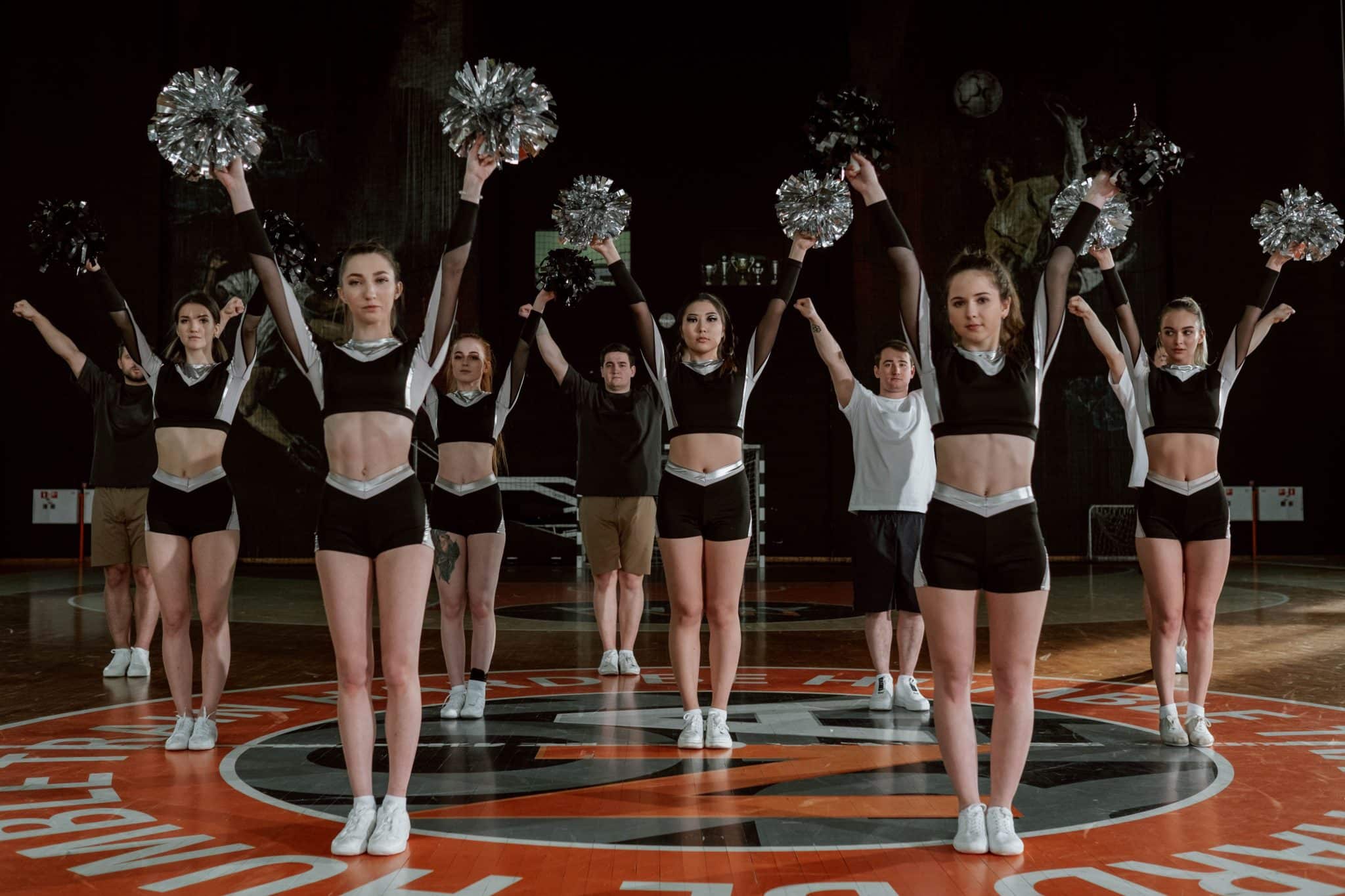
Team apparel often includes school colors, studio colors, names, or logos. Neutral basics help those details stand out without making the outfit look busy.
Black, white, gray, navy, beige, denim, and olive are easy foundations.
If the team apparel is bright, keep the rest of the outfit simple. If the apparel is neutral, add color through sneakers, a cap, or a jacket.
A controlled palette makes branded clothing easier to style.
It also helps different team members create coordinated looks without wearing identical outfits.
Style Team T-Shirts Differently
A team T-shirt is one of the easiest pieces to restyle. The same shirt can look casual, sporty, or streetwear-inspired depending on the fit and bottom choice.
For studios, schools, or performance groups, custom t-shirts can work beyond events when the design is clean enough for everyday wear.
Try a front tuck with straight jeans, a cropped cut with joggers, or an oversized fit with bike shorts and sneakers.
Sleeve rolling can also improve shape.
Small changes make a basic team tee feel styled instead of thrown on.
Choose Bottoms by Occasion
The right bottoms control the outfit’s purpose. Leggings keep the outfit athletic. Jeans make it more casual. Cargo pants add streetwear energy. Wide-leg trousers can make a fitted team top feel more elevated.
For long dance days, comfort matters. Choose bottoms that allow sitting, walking, stretching, and travel without pulling or sagging.
Bottom Pairing Ideas
Try these combinations:
- Team hoodie with straight-leg jeans
- Dance tank with cargo pants
- Team tee with bike shorts
- Warm-up jacket with leggings
- Cropped sweatshirt with wide-leg pants
- Fitted team top with relaxed denim
- Oversized tee with tapered joggers
Match the bottom to the day, not just the logo.
Pick Shoes That Match the Setting
Shoes can make team apparel look more styled. Dance sneakers, lifestyle sneakers, platform sneakers, slip-ons, and low-profile trainers can all work.
Avoid wearing performance dance shoes outdoors unless they are designed for it. Outdoor surfaces can damage soles and reduce studio performance.
For casual outfits, clean sneakers are usually the easiest choice.
For a sharper look, pair a fitted team top with wide-leg pants and simple leather sneakers.
The shoes should support the outfit without competing with the apparel.
Use Accessories With Restraint
Accessories can help team apparel feel more personal, but too many can make the outfit look crowded.
A cap, crossbody bag, tote, small hoops, watch, or simple necklace can be enough.
If the apparel already has strong graphics, keep accessories minimal.
If the team piece is plain, accessories can add more identity.
Hair styling matters too. A sleek bun, braid, claw clip, or ponytail can make the outfit look clean after rehearsal or class.
Final Thoughts
Team apparel can work well beyond the dance studio when it is styled with intention. Start with fit, layer thoughtfully, use neutral basics, and choose bottoms and shoes that match the setting.
A dance tee, hoodie, jacket, or tank can become part of a strong everyday outfit.
The best looks keep the movement-friendly comfort of dancewear while adding structure, proportion, and clean styling.