If you want your home to feel like it fell out the pages of a top interior design magazine, you should know that top interior stylists think about a room almost like a photograph. They consider what the eye sees first, how the space flows, where the light falls and which details add character. The result is a home that feels polished without feeling artificial.
Create a Strong Concept and Visual Narrative
Magazine-ready interiors usually begin with a clear idea. That might be a warm, relaxed family home, a calm country-inspired retreat, a bold contemporary space or a soft neutral scheme with natural textures. The concept does not need to be complicated, but it does need to guide your decisions.
A strong visual narrative helps stop a room from becoming a collection of unrelated purchases. If your palette is earthy and understated, your furniture, artwork and accessories should support that mood. If your home is more colourful and expressive, choose patterns and pieces that still share a common thread. In new homes at Elgar Park, Worcester, where interiors often begin as a blank canvas, establishing a strong visual concept early helps create a cohesive, magazine-worthy look that feels personal from the start.
Master the Art of Layering Textures and Objects
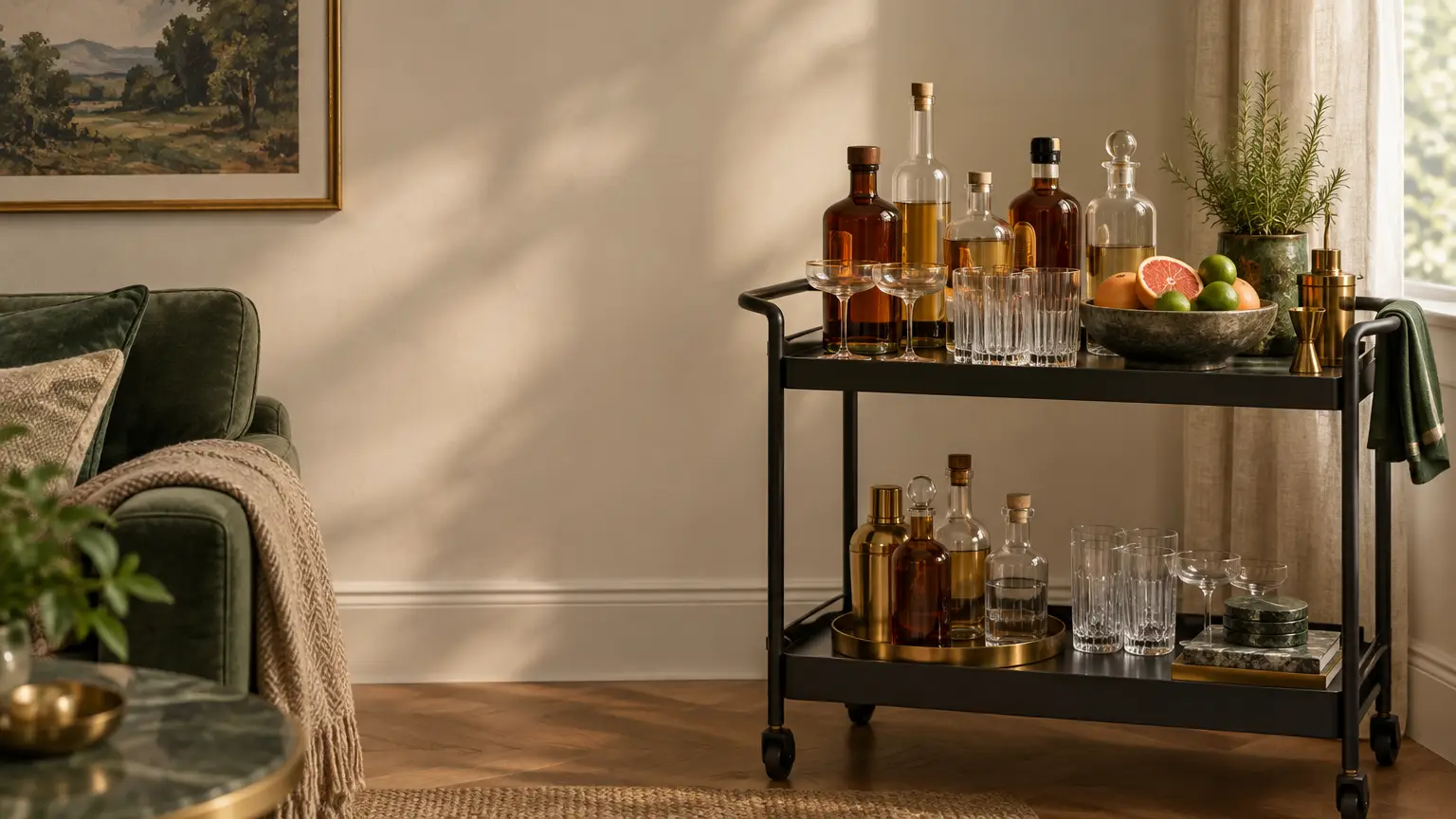
Layering is what gives a room depth. A sofa on its own can feel flat, but add a wool throw, linen cushions, a textured rug, a ceramic lamp and a stack of books, and the space starts to feel finished. The key is to mix materials, heights and surfaces so the room has rhythm.
Think beyond colour. Combine soft with hard, smooth with rough, old with new. Wood, glass, metal, linen, boucle, stone, rattan and ceramics all bring different qualities to a room. Recent interiors guidance has emphasised that layering is not just about adding more things; it is about using texture, lighting, shape and scale to create warmth and visual depth.
Focus on Focal Points and Visual Balance
Every room needs somewhere for the eye to land. This could be a fireplace, a large artwork, a sculptural light fitting, a headboard, a dining table or even a beautifully styled shelf. Once you know the focal point, arrange the rest of the room around it.
Balance matters just as much. Avoid placing all the visual weight on one side of a room. If one corner has a large armchair and floor lamp, another might need artwork, a plant or a side table to create harmony. Symmetry can look elegant, but balance does not always mean matching pairs. Sometimes it simply means making sure the room feels settled.
Refine Styling with Intentional Details and Lighting
The final stage is editing. Professional stylists know when to add and when to take away. Negative space is important because it allows beautiful pieces to stand out. A sideboard does not need ten accessories when three carefully chosen objects can say more.
Lighting is also essential. Overhead lighting alone can make a room feel flat, while table lamps, wall lights and floor lamps create atmosphere. Top designers are increasingly stressing the importance of working with natural light, rather than fighting against it, to create rooms that feel balanced and inviting.