

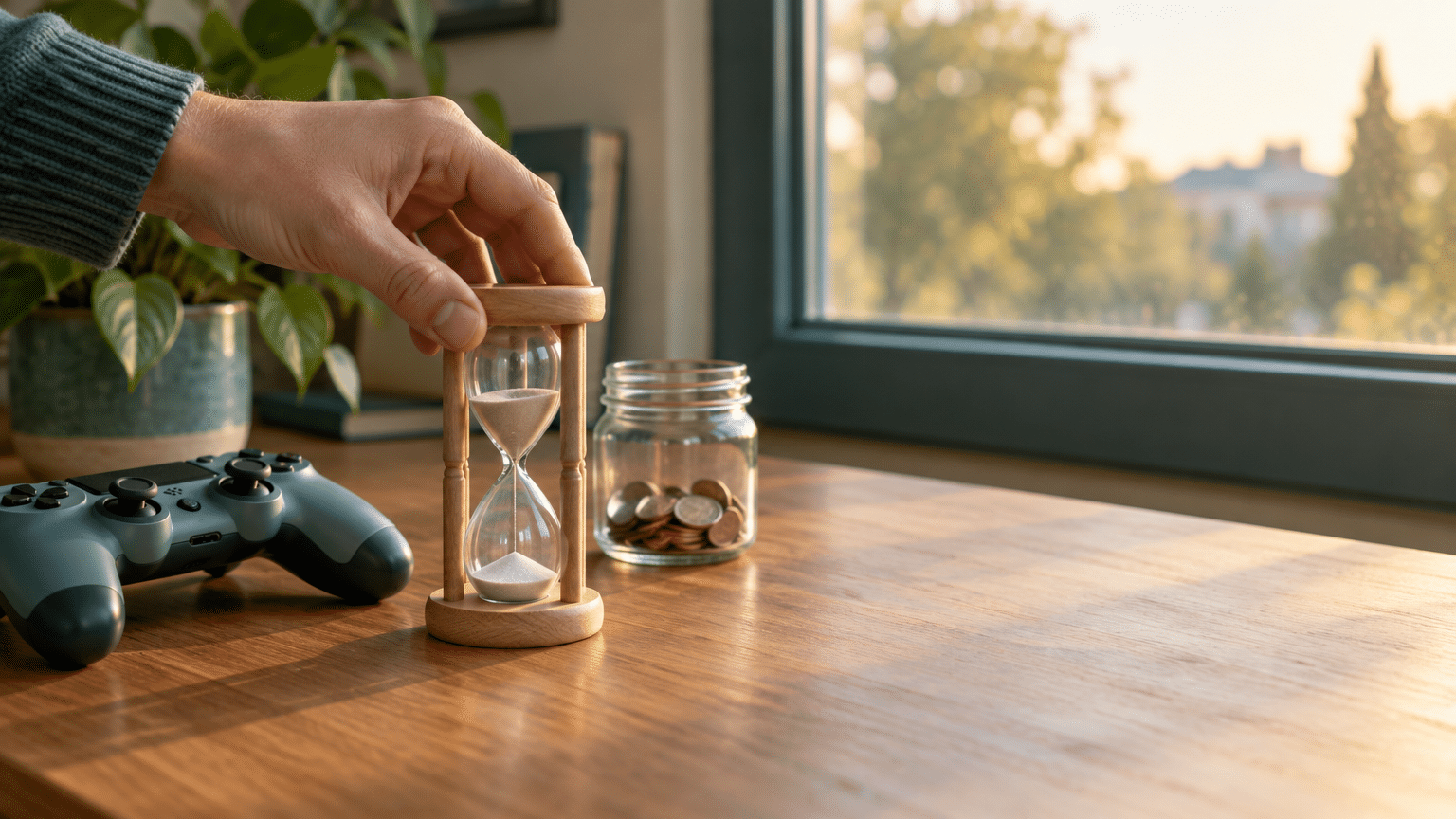
What makes a game feel good once you’ve finished playing? Often, it’s the sense that you played the way you meant to. Personal rules, such as time and spending limits, can help create that feeling. They’re easy to set but can also be difficult to keep when you’re already in the middle of a game.
It’s normal to want to bend a rule when a game gets exciting, since most games are designed to keep you engaged. That pull doesn’t necessarily mean your personal rules aren’t working. You might just need to give each one a purpose you can easily recall, like protecting your free time or your budget.
Once the purpose is clear, you may find it easier to stick to your rules and to continue the sense of fun in the long run. This is part of why it’s important to keep your gaming decisions on a platform like Solaire Online Casino consistent with your personal rules, as the sections below show.
Personal Rules Become a Game Plan
Your personal rules can work as a game plan for when you have to make decisions mid-game, often covering things like when to stop or how much to spend. Those decisions can add up, since making many small choices in a row may make the later ones feel harder, which is often called decision fatigue. With rules in place, some of those choices are already settled, so you have less to weigh while you’re playing.
In practice, a rule for a mobile puzzle game might be stopping after a certain number of levels. For a board game, it could be agreeing on a set number of rounds beforehand. Either way, the rule settles when to stop ahead of time, so you don’t have to decide it mid-game. The question of when to stop often comes down to time, since hours can pass quickly in a game you’re enjoying.
Time Limits Become a Buffer Zone
Your time limits usually set how long you play in one sitting, thus creating a buffer zone between gaming and your other plans. This can be especially helpful for games without a natural end, such as open-world adventures. In those cases, a time limit or a short break now and then may give the game a stopping point it otherwise lacks. As a result, gaming is less likely to crowd out other plans, like chores, a favorite TV show, or a chat with a friend.
To make that limit easier to keep, a reminder set before you start, such as a built-in timer or a simple alarm, can do the stopping for you. When it goes off, you have a clear moment to wrap up or take a break. Time is easy to track, since a clock does the counting, but spending can be harder to notice as it happens.
Spending Limits Become a Ceiling Line
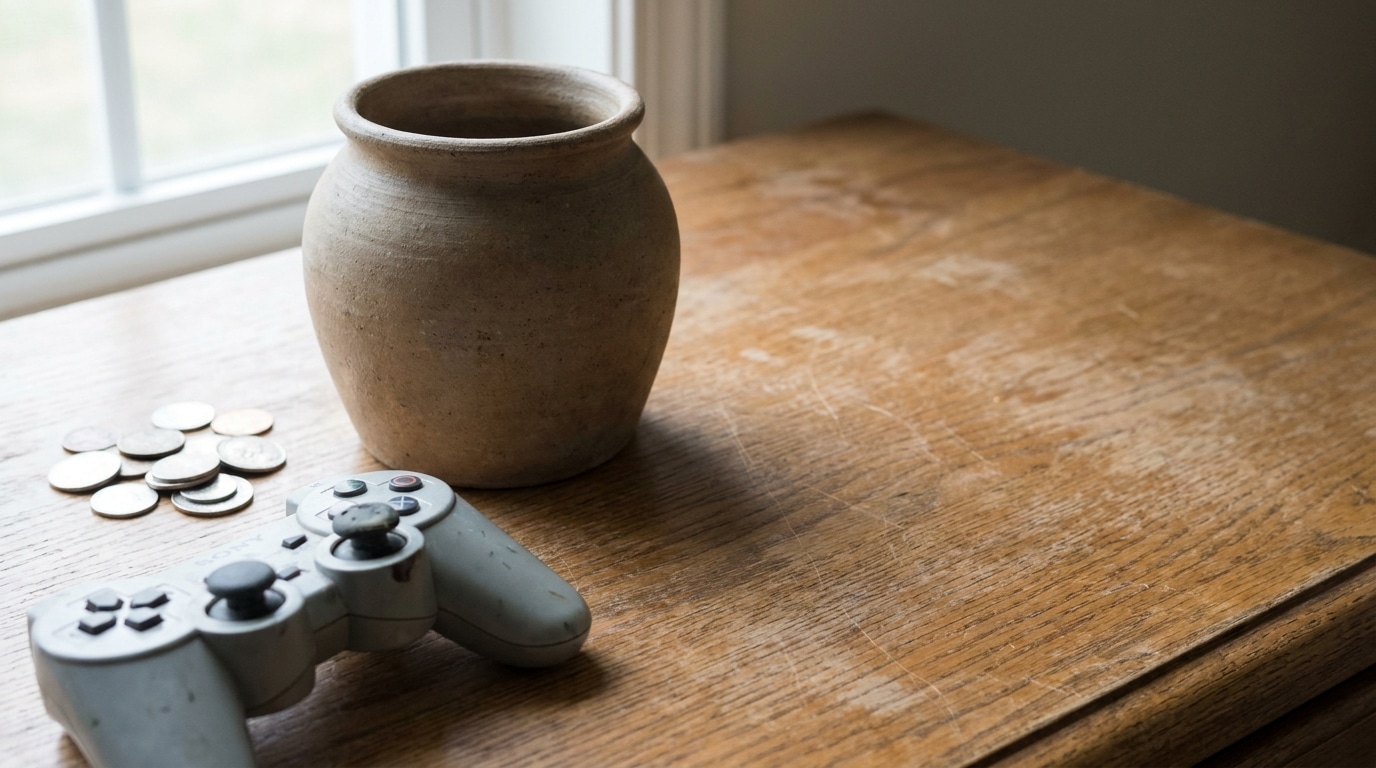
Your spending limit generally works like a ceiling on in-game costs, so it can be easier to enjoy playing without spending more than you planned. Charges can come from several places, such as in-game purchases, upgrades, or extra gear, and small amounts can add up quickly. With a ceiling in place, you have a set amount to check against as you go, so the total is less likely to surprise you afterward.
Once you’ve set your ceiling, you don’t have to judge each purchase in the middle of a game. You get to choose the amount, and a limit of zero is a valid choice if you’d rather not spend anything. Some platforms also include built-in tools to help you stay within that amount.
Platform Guidelines Become a Safety Net
Gaming platforms often have their own guidelines, which can serve as a safety net alongside your personal rules. Spending controls, break reminders, and account settings are common examples. When a platform states its rules clearly, you can see which limits it already covers and which limits you might want to set yourself.
That knowledge can be especially helpful with online casino games, since playing them often involves spending money. Licensed platforms like Solaire Online Casino typically require players to follow responsible gaming guidelines set by their regulator. These guidelines include a minimum age of twenty-one and restrictions for certain groups, such as public servants, gaming employees, and uniformed personnel.
Many licensed operators also uphold self-exclusion, a government policy that lets you block your access to online gaming for a set period. If you’re in the Philippines, you can choose a self-exclusion period of six months, one year, or five years; if you request self-exclusion and receive approval, you can petition to amend your exclusion period only after six months.
Self Check-Ins Become a Balance Sheet
Self check-ins can double as balance sheets, a side-by-side look at what’s helping and what isn’t across your rules and limits, and whether they still work alongside the guidelines of any gaming platform you use. You might find a check-in works better when you’re calm, since you can check each rule without feeling compelled to keep playing. If you keep bending the same rule again and again, it may simply be too tight or too loose for your needs. In that case, you could adjust it a little, like adding fifteen minutes to a time limit.
You may also find it easier to stick to your personal rules when they fit your life. But whichever way a check-in goes, you don’t have to work through it alone. If you have someone you trust, like a family member or close friend, you can ask for their perspective on your rules. Some countries also have helplines for gaming concerns, and these can be another option if you’d rather talk with someone outside your circle.
When a game ends and you feel good about how it went, it might be because your decisions matched your intentions. That’s what keeping your gaming decisions consistent with your personal rules looks like in practice, and it doesn’t require a strict routine. Your rules can bend as your schedule, budget, and tastes change. As time goes on, you may notice that the games you remember fondly are the ones you played on your own terms, knowing when to start and when to stop.