
For years, lighting was treated as a routine facilities matter, something handled after the larger business decisions were made. That has changed as energy prices, workplace expectations, and sustainability targets have moved higher on the corporate agenda. Executives now look at buildings as operating systems that either support margins or erode them. Lighting plays a direct role because it affects power use, maintenance budgets, employee comfort, and customer perception. In many businesses, that combination makes lighting more than a technical choice. It becomes a financial and strategic one.
LED recessed lights have gained attention because they fit neatly into that broader conversation. They offer a clean appearance, lower energy use, and longer service life than many older systems. Those benefits matter in offices, retail stores, hotels, clinics, and mixed-use properties where lighting operates for long stretches every day. A fixture that trims electricity costs while reducing maintenance calls can improve building economics without dramatic structural changes. That is one reason energy-efficient design has moved from a niche concern to a mainstream business priority. Companies want improvements that are visible, practical, and measurable.
The appeal is also tied to how businesses think about upgrades today. Capital spending is under closer scrutiny, and projects must often justify themselves with operational returns. Lighting retrofits can meet that test when they are framed as part of a larger efficiency plan. A better system can reduce utility waste, improve visual quality, and strengthen the experience of the space itself. In a competitive market, those outcomes matter. They support cost control while also reinforcing the company’s standards for design and performance.
The Case for LED Recessed Lights in Commercial Buildings
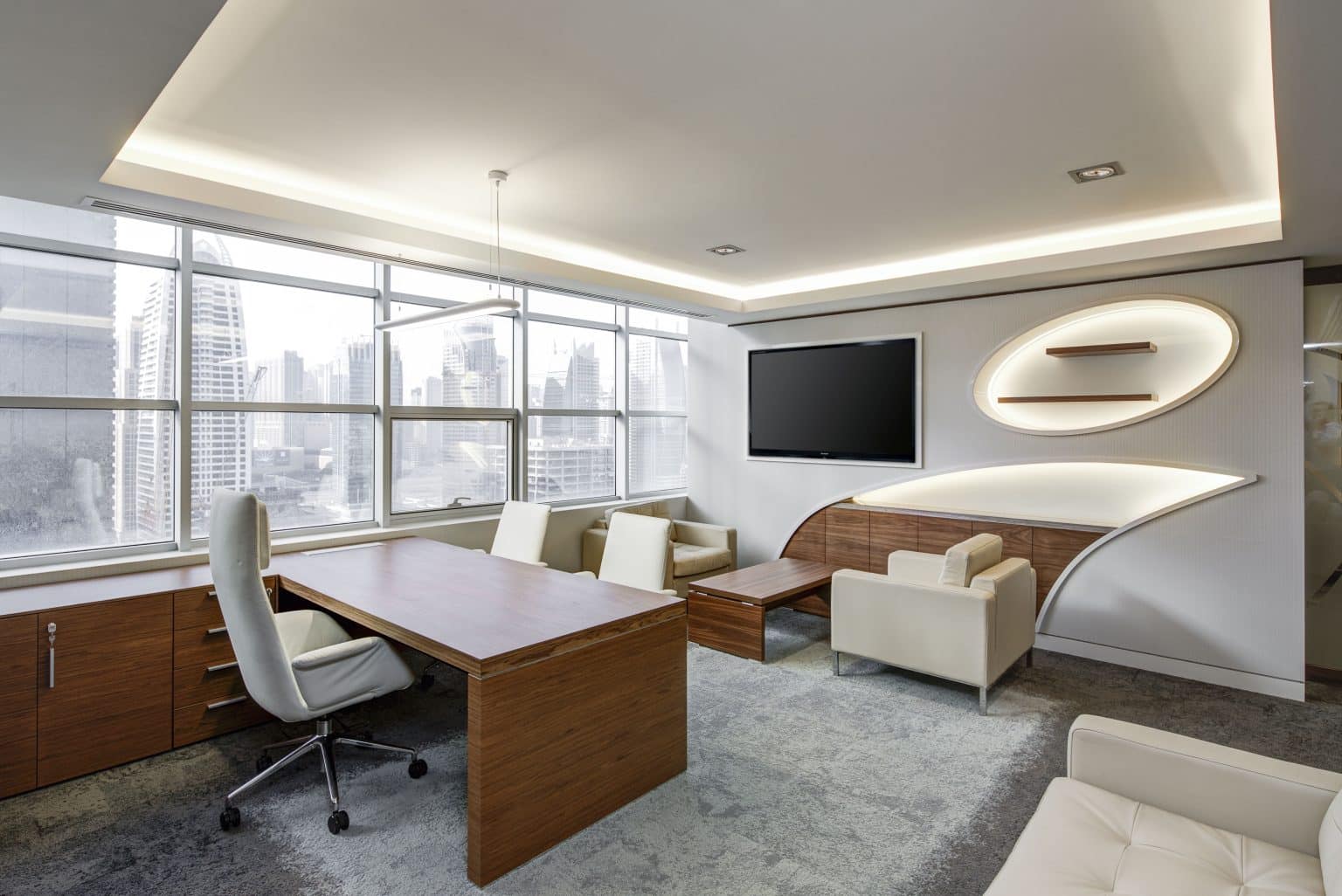
Recessed lighting suits commercial settings because it delivers illumination without visual clutter. The fixtures sit flush with the ceiling, which creates a cleaner and more disciplined look than bulkier alternatives. That design matters in spaces where a business wants the environment to feel polished but not distracting. Offices benefit from a more orderly ceiling line, while retailers gain lighting that highlights products without overwhelming the room. In hospitality spaces, recessed fixtures help create a sense of refinement. The result is a lighting format that supports both function and presentation.
The technology behind LED recessed lights also explains their commercial appeal. LEDs convert more electricity into light and less into wasted heat than older incandescent and many fluorescent systems. That efficiency reduces energy demand without forcing businesses to accept dimmer or inferior lighting. Modern fixtures can also offer better color consistency, stronger dimming performance, and longer useful life. Those qualities make them more adaptable to real operating conditions. A business can deploy them across work areas, corridors, sales floors, and reception zones with greater confidence in consistency.
Another advantage is flexibility across different project types. New construction teams can integrate recessed fixtures early in the design process, while retrofit projects can use them to modernize dated spaces. Businesses often prefer solutions that fit multiple building types and future upgrades. LED recessed lights meet that need because they can support task lighting, ambient lighting, and accent lighting strategies. That versatility reduces the need for overly complex fixture mixes. In practical terms, it allows companies to simplify planning while still achieving a more considered result.
Energy Savings That Show Up on the Balance Sheet
The most obvious business benefit of LED recessed lighting is lower power consumption. Energy-efficient fixtures use less electricity to produce the same or better light output than legacy systems. In buildings with long operating hours, that reduction can become significant over the course of a year. Even modest cuts in wattage matter when multiplied across dozens or hundreds of fixtures. Utility bills respond to those changes in a way finance teams can see clearly. That makes lighting one of the more tangible efficiency investments available to many businesses.
The savings are especially important in sectors where margins are closely watched. Retailers, restaurants, medical offices, and professional firms all face pressure to keep overhead under control without weakening the customer or employee experience. Lighting upgrades offer a way to reduce recurring costs while still improving the environment. A more efficient system does not simply save money in theory. It lowers an operating expense that appears month after month. Over time, that steady reduction can strengthen the economics of an entire facility.
Those savings also support better capital planning. When businesses calculate return on investment, they increasingly look beyond the sticker price of the fixture itself. They consider annual electricity use, replacement cycles, maintenance labor, and the likely payback period. LED recessed lights often perform well under that kind of analysis because they affect several cost categories at once. The financial story becomes stronger when a project can show both immediate and long-term gains. For decision makers, that combination is difficult to ignore.
Procurement, Planning, and the Practical Side of Lighting Upgrades
For many businesses, the decision to install LED recessed lighting starts with a simple goal, lower energy use. It quickly becomes a broader operational discussion about timelines, budgets, contractor coordination, and product availability. A lighting upgrade may look straightforward on paper, but execution often depends on sourcing the right fixtures without delays or specification mismatches. That is especially true for companies managing renovations across offices, retail stores, or hospitality spaces. In those cases, procurement is not a side issue. It is part of the efficiency strategy itself.
This is where procurement becomes an essential part of the efficiency conversation rather than a separate step that happens later. Buyers often need a source that can help them balance design priorities, budget realities, and the logistics of keeping a project on schedule. In commercial renovations, those details matter because a delay in sourcing can affect everything from contractor coordination to opening timelines. Retailers such as BuyRite Electric can fit naturally into that process because they provide a broad selection of lighting and electrical products, including LED recessed lighting solutions, backed by established service.
A strong procurement plan can protect the financial case behind an energy-efficient retrofit. Even the best lighting strategy can lose momentum if products are hard to source, incompatible with the project scope, or priced unpredictably. Companies that treat purchasing as part of the planning phase are often better positioned to stay on schedule and capture projected savings sooner. That approach also gives decision makers more confidence when weighing upfront costs against longer-term returns. In commercial settings, those practical details often determine whether an efficient design remains an idea or becomes a measurable business advantage.
Maintenance Reduction and the Value of Reliability
Many lighting decisions are judged too narrowly by upfront cost. In daily operations, maintenance can be just as important as energy use, especially in large or busy properties. Replacing failed lamps requires labor, equipment access, scheduling, and sometimes temporary disruption to staff or customers. In high ceilings or public-facing areas, those disruptions can become expensive and inconvenient. LED recessed lights help address that problem by lasting much longer than many traditional alternatives. Fewer failures mean fewer service calls and less operational friction.
Reliability has special value in businesses where consistency is part of the brand experience. A hotel lobby, law office, clinic, or store does not want dark spots or mismatched lighting to undercut its presentation. Customers may not notice a well-lit space, but they often notice when lighting looks neglected. That is why fixture lifespan matters beyond maintenance spreadsheets. It affects how the business is perceived. A dependable lighting system supports a more orderly environment and reduces the chance that routine failures will become visible problems.
From an operations standpoint, fewer replacements also make planning easier. Facilities teams can spend less time reacting to outages and more time on preventive work or higher-priority improvements. Budgeting becomes more predictable when lamp replacement is not a constant cycle. The value of that predictability is often understated in project reviews. Businesses benefit when small recurring tasks no longer drain time and attention. Over the life of a building, reliability can be one of the most underrated financial advantages of LED lighting.
Better Lighting, Better Workplaces, Better Customer Experience
Lighting affects how people feel and perform inside a space. Employees working under poor lighting may deal with glare, uneven brightness, eye strain, and reduced comfort over the course of a long day. Customers in retail or hospitality settings respond to light in a different but equally important way. They read a space quickly, often forming impressions before they notice specific design details. LED recessed lights can help create a brighter, cleaner, and more consistent environment. That kind of visual stability supports both productivity and perception.
For workplaces, good lighting is tied to concentration and morale. Teams perform better when they can see clearly without harsh contrasts or distracting shadows. Recessed fixtures can distribute light evenly and support a more controlled ceiling plan, which helps the space feel organized. In conference rooms, open offices, and reception areas, that clarity matters. It supports a professional atmosphere while reducing some of the subtle irritations that poor lighting can cause. Businesses increasingly understand that comfort is not a luxury. It is part of performance.
For customer-facing businesses, lighting often works as a silent form of communication. It can make merchandise look sharper, dining rooms feel warmer, and waiting areas seem more welcoming. Poorly designed lighting can flatten a room or make it feel tired. By contrast, efficient and well-placed recessed fixtures help businesses present themselves with more confidence. That matters when companies compete on brand image as much as price. In that setting, lighting becomes part of the commercial message, not just part of the ceiling.
Design Flexibility and a Smarter Use of Space
One reason recessed fixtures remain popular is that they support architecture rather than competing with it. Businesses often want spaces that look intentional, open, and easy to navigate. Surface-mounted fixtures can work well in some cases, but recessed lighting gives designers more discretion. It allows ceilings to feel quieter and more refined. That becomes especially useful in spaces where multiple design elements already demand attention. By reducing visual noise, recessed lighting helps the rest of the environment do its job more effectively.
The format is also adaptable to different business needs. Some companies need broad, even illumination for general work areas, while others need more focused lighting for displays, seating zones, or transaction points. LED recessed systems can support both aims when specified carefully. Designers can use spacing, beam spread, color temperature, and dimming controls to shape the mood and function of a room. That level of precision helps lighting serve business goals more directly. It becomes a design tool with measurable operational consequences.
Smart controls make that flexibility even more useful. Businesses can pair efficient fixtures with occupancy sensors, daylight harvesting systems, and scheduling controls to reduce unnecessary use. This turns lighting into a dynamic part of building management rather than a fixed expense. A conference room does not need the same light output all day, and a storefront may benefit from different settings in morning and evening hours. Recessed LEDs work well within those systems because they combine aesthetics with controllability. That combination strengthens the business case for efficient design.
Sustainability, Compliance, and Long-Term Business Value
Sustainability has become a business requirement, not just a branding exercise. Investors, customers, employees, and regulators all pay closer attention to how companies manage energy and resources. Lighting upgrades may seem modest compared with major mechanical projects, but they can still contribute meaningfully to lower energy use and lower emissions. That matters for businesses pursuing internal environmental goals or external reporting benchmarks. A practical efficiency measure often carries more weight than a broad promise. LED recessed lighting offers that kind of practical step.
Compliance is another factor pushing businesses toward efficient systems. Energy codes and building standards increasingly favor high-performance lighting and controls. Companies that delay upgrades may face higher retrofit costs later or lose opportunities to improve during planned renovations. Efficient lighting can help properties stay competitive in leasing, redevelopment, and valuation discussions. In some cases, it may also support eligibility for incentives or utility programs. Those added benefits strengthen the economic case beyond monthly power savings alone.
The larger point is that energy-efficient design is no longer separate from business strategy. It influences cost control, workplace quality, customer perception, and the long-term usefulness of a property. LED recessed lights fit this shift because they combine operational discipline with design improvement. They are not a flashy solution, and that is part of their appeal. Businesses often benefit most from upgrades that quietly improve performance on several fronts at once. In that respect, efficient lighting is less about fashion and more about durable advantage.