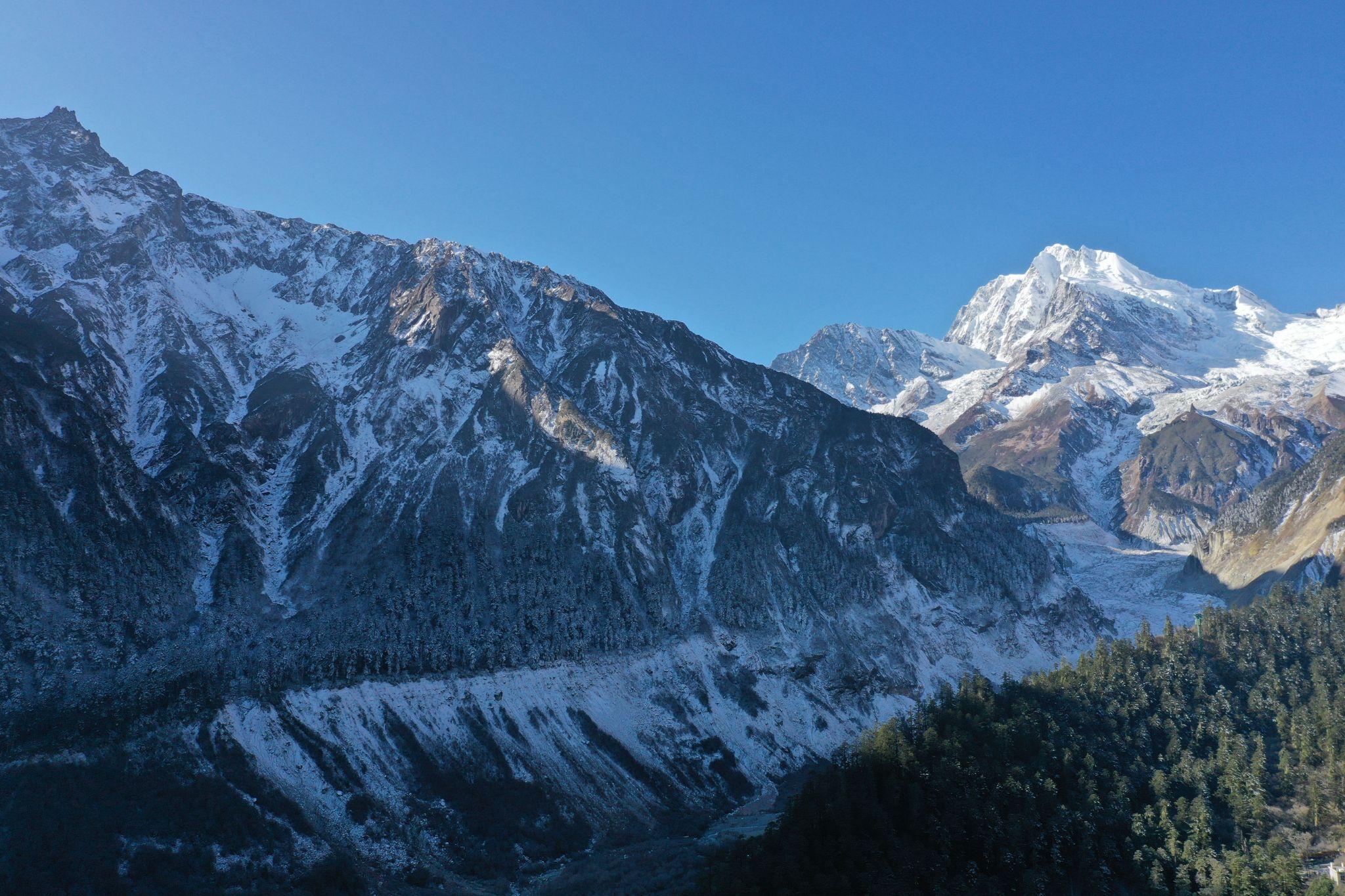


In a handful of Nepali valleys, walking alone is not a personal choice but a legal violation. Fifteen districts along the northern border carry Restricted Area status, where a foreign trekker cannot obtain a permit without naming a licensed guide and booking through a government-registered agency.
The manaslu circuit trek nepal route, which loops around the world’s eighth-highest peak through the Gorkha district, sits inside one of these zones, and the rule there predates the country’s wider guide mandate by decades. The question worth asking is not whether the regulation inconveniences travellers, but what the state is actually trying to protect.
Key Takeaways
- Fifteen Nepali districts hold Restricted Area status, requiring a licensed guide and an agency-processed permit
- The designation began as a border control measure during the Cold War, not as a tourism policy
- A separate 2023 rule extended mandatory guides to all national parks and conservation areas
- March 2026 removed the two-trekker minimum for restricted permits but kept the guide requirement intact
- One guide may now accompany up to seven trekkers in restricted zones
What Makes a Trekking Route “Restricted”?
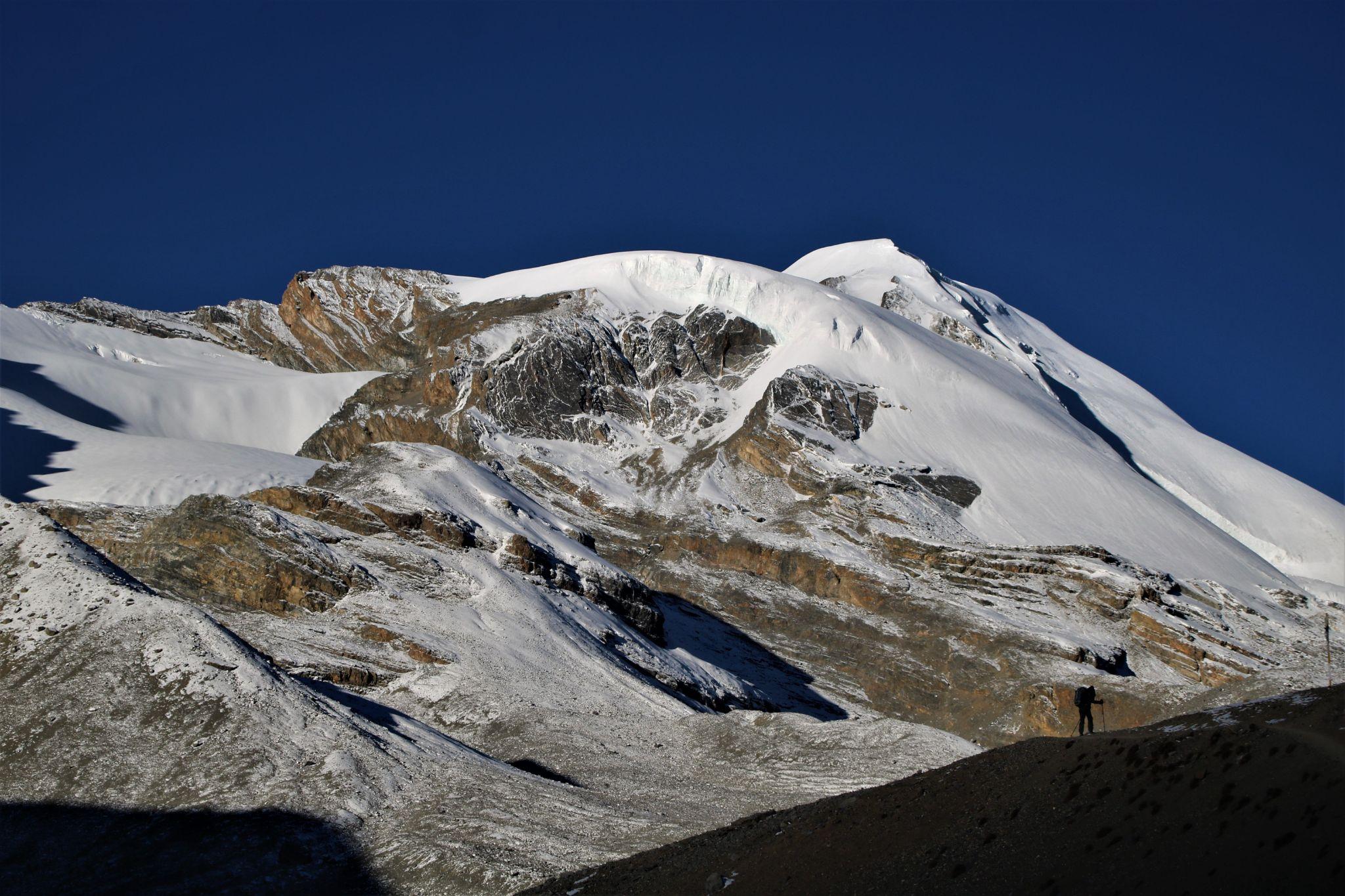
Restricted Area status is a security designation, not a scenic one. The zones were drawn along valleys that touch the Tibetan border, places where movement of people and goods carried political weight long before anyone sold a trekking package there. Upper Mustang, Dolpo, Nar Phu, Tsum and the upper Budhi Gandaki all share this geography.
Nepal closed these valleys to outsiders entirely for much of the twentieth century. Mustang opened to foreigners in 1992, Manaslu in 1991, Tsum only in 2008. The permit system that followed was designed to count and track visitors, and the licensed guide functions as the instrument that makes the counting possible.
Who Does the Rule Actually Protect?
Three parties, with uneven benefit. The state gets a record of who entered a sensitive district and when. The trekker gets a trained companion in terrain where a twisted ankle above Samdo is a two-day evacuation problem, not a taxi ride.
The third party is the one the policy debate tends to skip. A mandatory guide converts a portion of visitor spending into wages for Nepali workers rather than into foreign-operated trips that leave little behind. Guide pay runs roughly USD 25 to 40 per day on a standalone arrangement, in a country where the median household earns a fraction of that in a week.
What Changed in March 2026?
Until early 2026, a restricted permit required a minimum of two trekkers, meaning a lone traveller had to find a stranger or pay for a phantom second applicant. On 22 March 2026, Nepal’s Department of Immigration dropped that minimum after years of pressure from the Trekking Agencies’ Association of Nepal.
The change is narrower than headlines suggested. “Solo” now describes the permit application, not the trek itself. A licensed guide remains compulsory, the permit still cannot be self-issued, and the same update introduced a ceiling of seven trekkers per guide to stop agencies from stacking large groups behind a single licence.
Is This Different From the Rule on Other Trails?
Yes, and the distinction gets blurred constantly. The restricted-area guide requirement is a border policy with a thirty-year history. A second and separate rule, introduced in April 2023, extended mandatory guides to every foreign trekker entering a national park or conservation area.
That 2023 measure is what pulled routes with no border sensitivity at all into the same bracket. Trails through Sagarmatha National Park sat outside the restricted system entirely yet now carry a comparable obligation, and the stated rationale shifted from security to search-and-rescue costs. Aviation sharpens the contradiction, since a helicopter ride to everest base camp can place a visitor at 5,364 metres within hours of leaving Kathmandu, bypassing the acclimatisation the guide rule exists to supervise.
Does Enforcement Match the Legislation?
On restricted routes, closely. Checkpoints at Jagat and Sama Gaun inspect permits against the guide’s licence number, and the paperwork names the individual guide assigned to the group. Turning back a trekker at Jagat is a routine administrative act rather than a confrontation.
On national park routes the picture is looser, with enforcement varying by checkpoint and season. This gap is the standing criticism of the 2023 rule: a measure justified on safety grounds that is applied inconsistently invites the reading that revenue, not rescue, drove it.
What Does This Tell Us About Regulated Access?
Nepal has arrived at a position much of the world is circling. Venice charges entry, Machu Picchu caps daily tickets, and several alpine permits now sell out in minutes. Each system answers the same question differently: who decides how many people a place can absorb, and who collects when access is rationed.
Nepal’s answer routes the constraint through labour rather than through price. Instead of a high fee that filters by wealth, the requirement attaches a local worker to every visitor. Whether that distributes income fairly or concentrates it in Kathmandu-registered agencies is a live argument in the country, and one that the solo-permit reform of 2026 reopened rather than settled.