


Aging in place is a top aspiration for many older adults who wish to remain in their own homes as they grow older. Achieving this goal requires practical planning so that you can continue to live safely and independently. From adapting your living space to leveraging modern technologies like fall detection devices, there are many ways to enhance security and comfort.
Thoughtful preparation allows you to enjoy your home for years to come without sacrificing independence or peace of mind. Implementing the right modifications and routines can minimize risks while encouraging physical health and social engagement. Taking proactive steps now can help maintain both your lifestyle and wellbeing in the long run.
From installing grab bars and removing hazards to building a robust community support network, each strategy contributes to successful aging in place. Utilizing transportation options and smart devices also helps to foster both safety and independence. Mapping out your evolving needs is an ongoing process, one that benefits from frequent review and input from trusted loved ones.
For example, long-term success with aging in place also depends on how well you adapt to changes in health and mobility. A reliable support plan, including options for medical emergency alerts and proactive home safety checks, can make your transition safer and less stressful. Regular reviews with healthcare professionals can help, as recommended by large healthcare systems like the Mayo Clinic.
Home Safety Modifications
Making your home safer is a crucial first step. Begin by assessing every room for potential risks. Simple adjustments such as installing grab bars in bathrooms, reinforcing stair railings, and placing non-slip mats in hallways can make a major difference. Removing trip hazards such as loose rugs, trailing cords, and cluttered walkways reduces the risk of accidental falls.
Good lighting is essential, both inside and outside the home, to improve navigation and reduce mishaps at night. Regular home audits, whether conducted by a homeowner or a professional, are invaluable for maintaining a secure space. For further guidance, review Consumer Reports’ comprehensive recommendations on age-proofing your home.
Fall Prevention Strategies
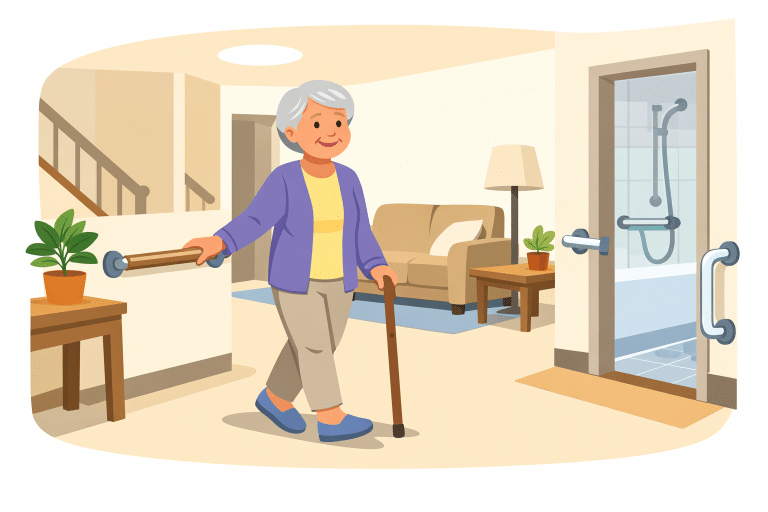
Falls represent a major risk for seniors living at home, so dedicated prevention strategies are essential. Incorporating balance and strength exercises into your daily routine can help maintain mobility. Make sure walkways remain clear of furniture or obstacles, and select shoes with non-slip soles for everyday use. Keeping regularly scheduled vision and hearing appointments will address sensory issues that might impact your balance and awareness. These combined steps can greatly reduce fall-related injuries and help preserve your independence.
Maintaining Physical Health
Remaining physically active is fundamental to aging well in place. Choose activities that support strength, flexibility, and balance, such as walking, yoga, water aerobics, or tai chi. These exercises not only protect against falls but also sustain cardiovascular health and energy levels. Pairing physical activity with a nutritious diet and regular hydration supports overall health and daily functioning. It is wise to consult your healthcare provider before beginning any new activity to ensure that the chosen program fits your needs.
Managing Home Maintenance
Household tasks can become more demanding with age. To keep chores manageable, break them into smaller steps and tackle them consistently. Enlist help from family, friends, or professional cleaning and repair services for heavy or technical work. Decluttering your home not only reduces maintenance but also enhances safety by removing obstacles from main areas. Remaining organized with lists and schedules can help keep major responsibilities on track without feeling overwhelmed.
Transportation Options
Staying mobile is vital for independence, even if you reduce or stop driving. Public and paratransit transportation services, community shuttles, and ride-sharing programs like Uber or Lyft are practical alternatives. In many regions, volunteer driver programs and senior transportation services provide low-cost or free rides to medical appointments and social events. Relying on friends or family for occasional support can also foster greater opportunities for connection when getting around.
Staying Socially Connected
Social interaction supports both emotional and cognitive health. Consider joining clubs, community centers, fitness groups, or volunteering in causes you care about. Utilizing digital platforms, such as video calls and social media, helps maintain relationships with distant family or friends. Nurturing your support circle and participating in regular group activities help prevent isolation and can improve your mood. Learning new things together, like hobbies or community classes, can also keep you engaged and intellectually stimulated.
Utilizing Technology
Modern technology offers practical tools for supporting independent living. Medical alert systems, monitoring sensors, and voice-activated assistants enhance security by providing immediate help and reliable reminders. Telehealth appointments expand access to professional care without travel, and smart pill dispensers can improve medication management. It is helpful to become comfortable with these devices before you need them, so you can use them confidently should challenges arise.
Planning for the Future
Anticipating future changes ensures that your home continues to meet your needs as you age. Assess your circumstances regularly, considering mobility, health concerns, and finances for both immediate and long-term needs. Early discussions with family members about emergency plans, legal considerations, and who might help with care decisions ensure everyone is prepared. Research financial options and assistance programs to support home modifications or additional in-home services. Planning ahead can provide reassurance and make inevitable transitions smoother.
When you implement these practical strategies, you create a comfortable and supportive environment for yourself or your loved ones. By staying proactive, you increase your ability to live independently, enjoy meaningful relationships, and maintain your personal sense of home well into the future.