
A clean home should not feel bare, cold, or overly staged. The best everyday spaces are easy to maintain and still look personal, warm, and well designed.
Stylish living starts with systems. When items have a place, surfaces are easy to reset, and fabrics are simple to care for, the home looks better with less effort.
The goal is not constant cleaning. The goal is a home that can return to order quickly after real daily use.
Start With High-Use Areas
Focus first on the areas that affect daily life most: the entryway, kitchen, living room, bathroom, bedroom, and dining area.
These spaces collect shoes, mail, dishes, laundry, bags, pet items, cords, and everyday clutter.
A home feels cleaner when the most visible areas are controlled, even if storage closets still need work.
Start with one room and identify what repeatedly causes mess.
Then build a simple system around that problem.
Create a Reset Routine
A reset routine is a short cleaning process done daily or every few days. It keeps the home from reaching the point where cleaning feels overwhelming.
The routine should be realistic. Ten to fifteen minutes can make a visible difference if the tasks are clear.
For busy households, professional help may also be part of the system. Homeowners comparing options such as Calgary cleaners often need support with deeper cleaning, recurring maintenance, or keeping high-use spaces consistent during packed schedules.
The best routine combines daily upkeep with scheduled deeper cleaning.
Clear Surfaces Without Removing Style
Clean surfaces make a home feel calmer. This does not mean every surface must be empty.
It means each surface should have a purpose.
A coffee table may hold a tray, book, candle, and small bowl. A kitchen counter may keep only the coffee station and cutting board. A nightstand may hold a lamp, book, and water glass.
Group small items together on trays so they look intentional.
Loose items create visual noise. Grouped items look designed.
Use Storage That Matches the Room
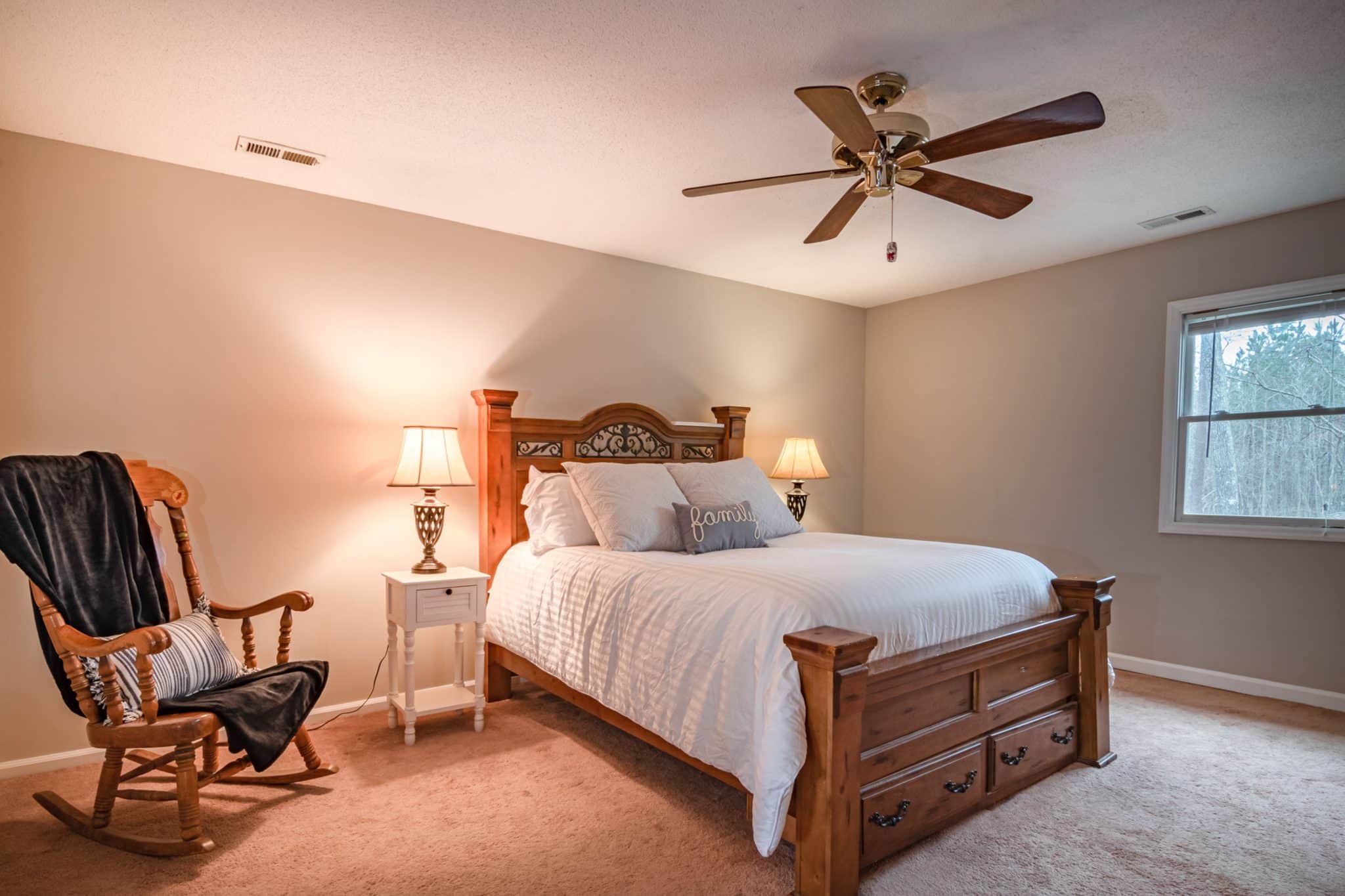
Storage should fit how the room is used. If storage is too far away, people will not use it.
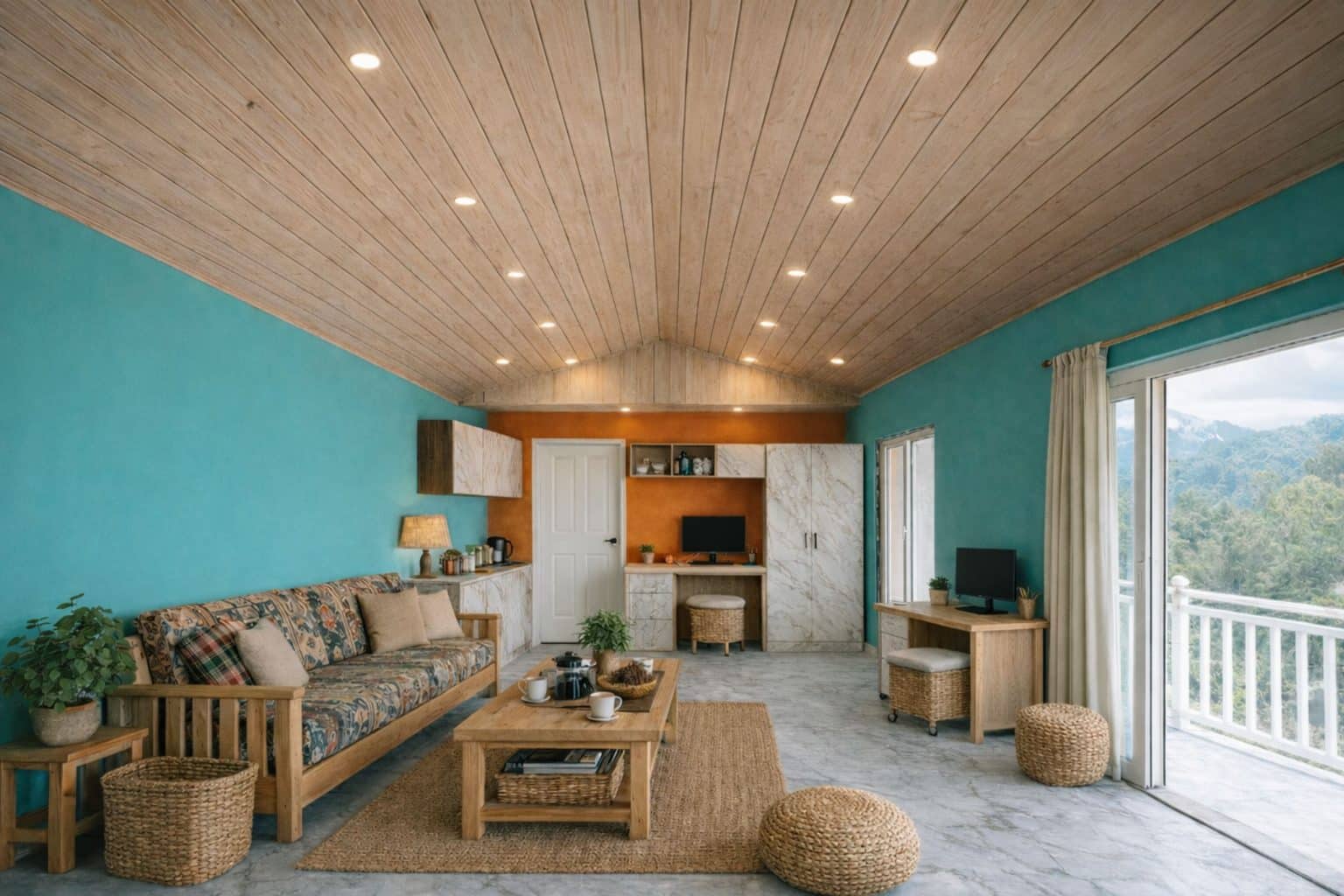
Place baskets near sofas for blankets. Use drawers near entryways for keys and small items. Keep cleaning supplies close to bathrooms and kitchens.
Closed storage works best for items that are not visually attractive. Open shelving should be reserved for objects that add to the room.
Storage Pieces That Work Well
Useful storage choices include:
- Lidded baskets
- Console tables with drawers
- Storage ottomans
- Wall hooks
- Drawer dividers
- Sideboards
- Closed cabinets
- Under-bed bins
Good storage reduces clutter before it spreads.
Choose Easy-Care Materials
Stylish homes are easier to maintain when materials match real life. A white linen sofa may look beautiful, but it may not work for pets, children, or frequent guests.
Choose materials based on use.
Performance fabrics, washable slipcovers, sealed wood, wipeable dining chairs, low-pile rugs, and washable curtains can all reduce maintenance.
For dining rooms, work tables, markets, events, or multi-use areas, custom table covers can help protect surfaces while keeping the space visually consistent.
Decor should support daily life, not make people nervous to use the room.
Build Cleaning Into Room Design
A room is easier to clean when furniture placement, surface choice, and storage are planned properly.
Leave enough space around furniture for vacuuming. Avoid placing delicate decor where it needs to be moved constantly. Keep cords managed so floors are easier to sweep.
Choose rugs that fit the cleaning routine. Low-pile rugs are easier to vacuum than thick shag rugs. Smaller washable rugs may work better in kitchens, laundry rooms, and entryways.
Design should reduce friction.
If cleaning a room feels difficult every time, the layout may need adjustment.
Control Dust and Visual Clutter
Dust shows faster when there are too many small objects. A shelf filled with tiny decor pieces may look busy and require constant cleaning.
Use fewer, larger pieces instead.
A sculptural vase, framed art, ceramic bowl, lamp, or stack of books can create style without creating a dust problem.
Low-Maintenance Styling Ideas
Try these options:
- Large framed prints
- One strong vase
- Coffee table trays
- Woven baskets
- Washable throws
- Simple ceramic bowls
- Large plants
- Matching storage boxes
Fewer items make each piece feel more intentional.
Keep Textiles Fresh
Textiles affect how clean a home feels. Sofas, cushions, bedding, curtains, rugs, and towels hold dust, odors, and pet hair.
Wash throws and cushion covers regularly. Change bedding on a schedule. Rotate towels often. Vacuum upholstery and rugs.
Choose fabrics that can handle regular cleaning.
A stylish room can lose its impact quickly if fabrics look tired or smell stale.
Fresh textiles make a space feel cleaner even before major cleaning happens.
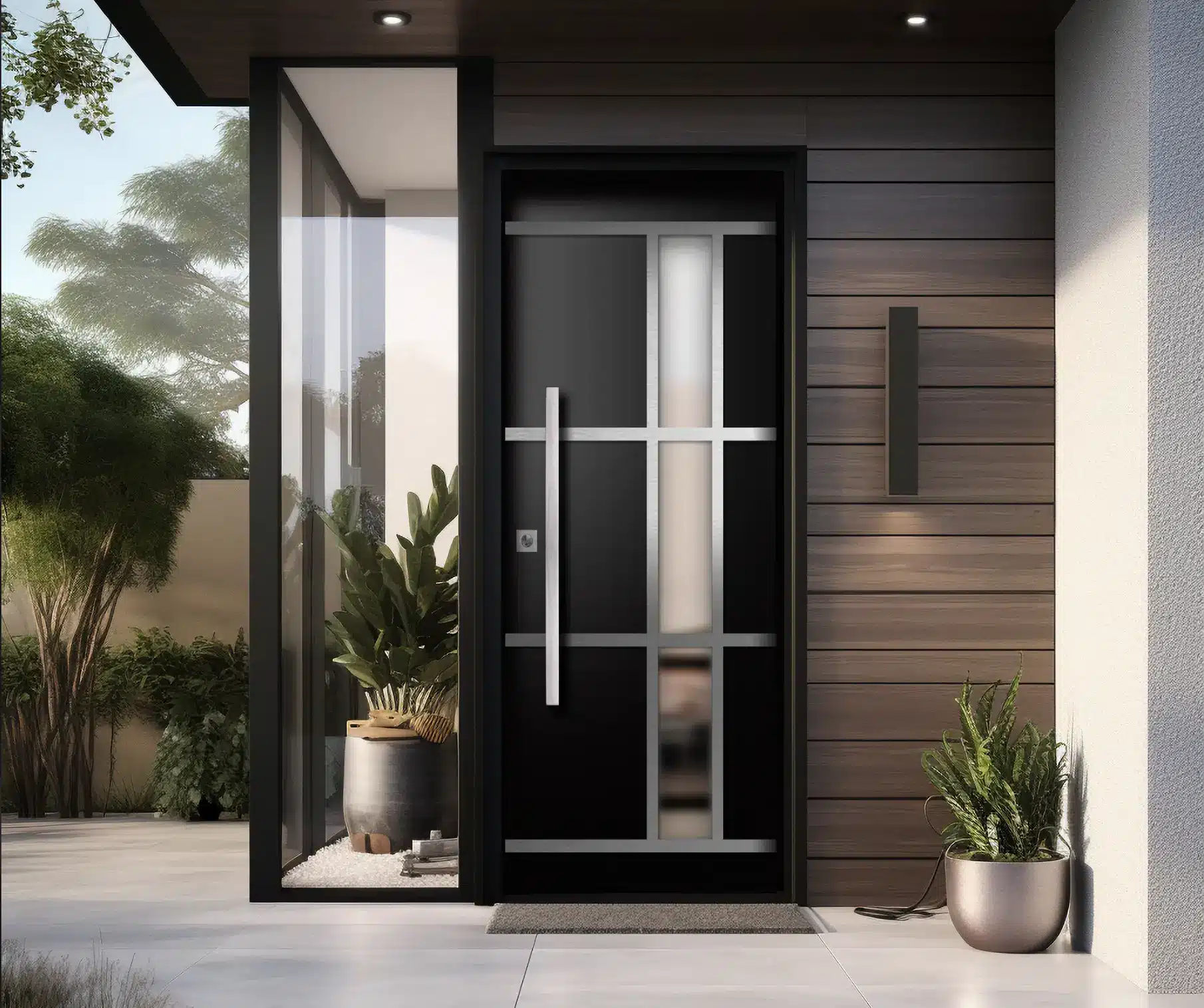
Manage Entryway Dirt
The entryway controls how much dirt enters the home. A good entry setup reduces cleaning throughout the house.
Use a durable doormat outside and a washable rug inside. Add shoe storage, hooks, and a small tray for keys or sunglasses.
If possible, keep outdoor shoes near the door.
This prevents dirt, moisture, and debris from spreading into living areas.
A clean entryway also creates a stronger first impression.
Final Thoughts
A clean, stylish home depends on practical systems. Start with high-use rooms, build a reset routine, control surfaces, choose useful storage, and select materials that are easy to maintain.
The best interiors are not perfect.
They are designed to be lived in, cleaned quickly, and enjoyed daily.
When every room has a simple system, the home feels more organized, more comfortable, and more visually polished.