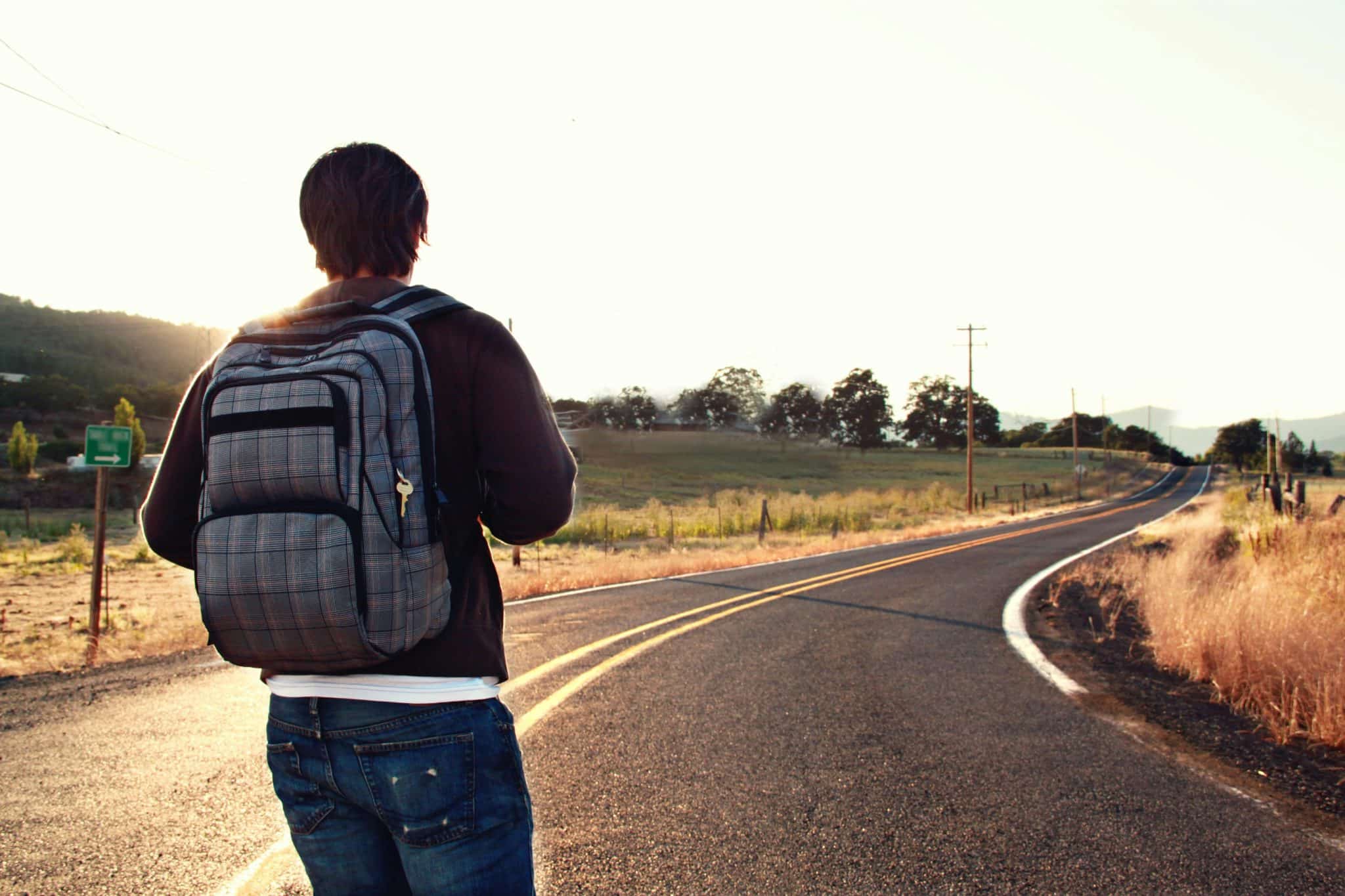

Solo travel is often shown in movies as a perfect, dreamy experience. You see photos of a lone traveler watching a sunrise in total peace. But the real experience of traveling alone is not about quiet reflection. It is about logistics. It is about finding your way through a train station where no one speaks your language, figuring out where to sleep when your plans change, and keeping yourself safe when you are the only person looking out for you.
At Brief Voy, we know that the “magic” of solo travel is not just good luck—it is the result of good preparation. This guide is here to remove the dreaminess and focus on the practical steps that make independent travel possible. When you have a solid plan, the fear of being alone goes away, replaced by the true freedom to see the world on your own terms.
What is Brief Voy?
Brief Voy is not just another travel blog; it is a specialized intelligence unit built for every person who steps outside their door. Whether you are a casual vacationer taking a week off, a weekend explorer, or a seasoned adventurer heading into the deep wilderness, we are here for you.
We exist to close the gap between the polished, fairy-tale version of a destination and the physical reality you face when you step off the plane or train. Brief Voy is not just for independent travelers; it is for all travelers and tourists who want to know the truth. We are here to expose the real facts at ground level, giving you the power to see the world as it actually is, not just as it is sold to you in a glossy brochure.
The Foundation: Building a Good Plan
Before you book a flight, you need to understand how you like to travel. Many solo travelers fail because they try to travel like a group. Group travel works because you share the work; you split the duty of finding your way, watching bags, and making decisions. When you travel solo, you are the entire team.
The Brief Voy framework for solo travel is built on three main ideas: predictability, mobility, and redundancy. Predictability means knowing your “anchor points”—the places where you will be each night and how you will get there. Mobility means your gear is light enough that you never need anyone else to help you move it. Redundancy means having a backup for your most important items, like a paper map for when your phone battery dies, or a second way to pay for a meal if your main card fails.
Master the Art of Traveling Light
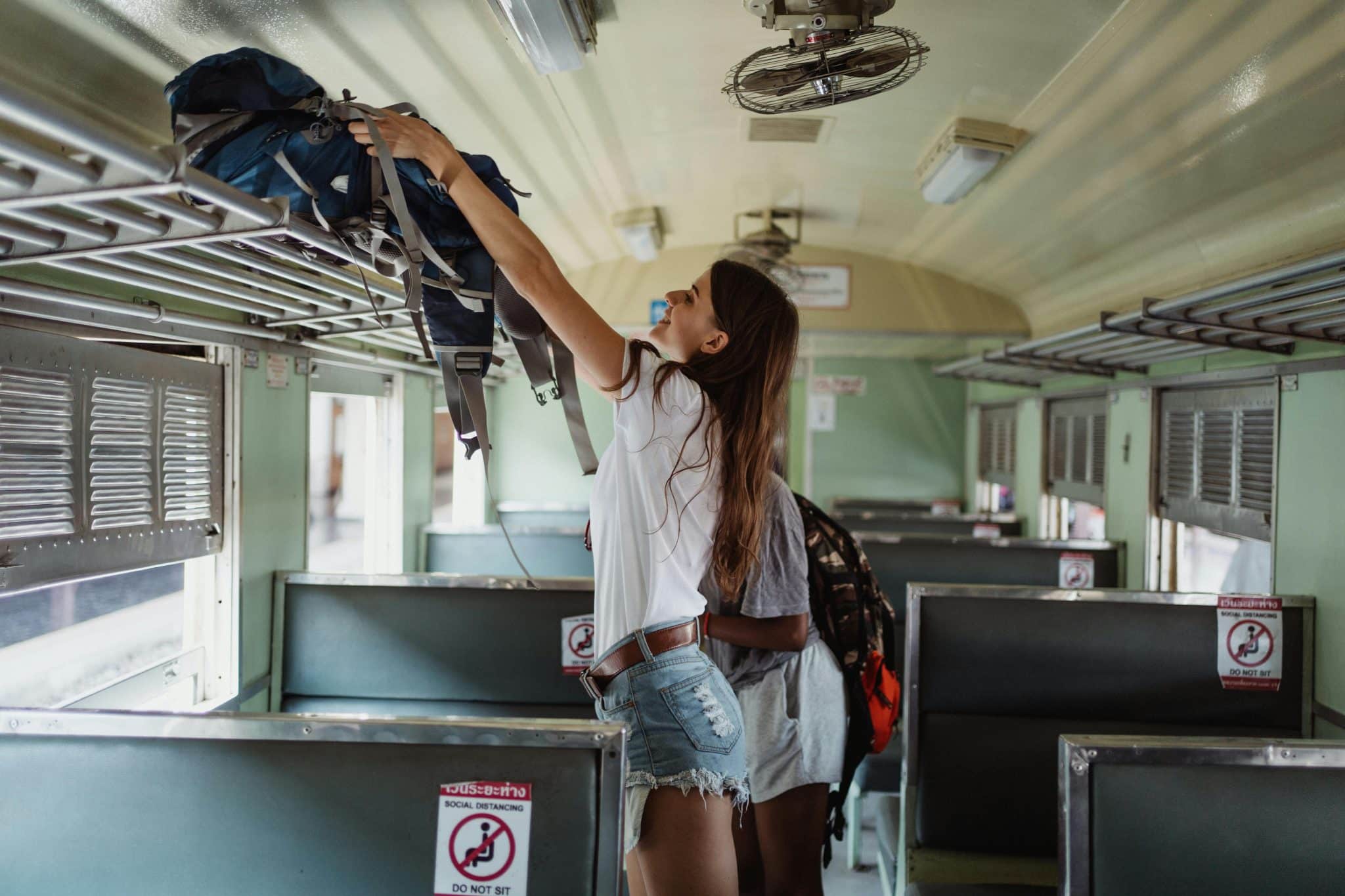
If you cannot carry everything you own for twenty minutes without stopping, you have too much stuff. The biggest advantage of a solo traveler is the ability to walk away from a bad situation or toward a new chance to explore at any moment. Every bag you add to your trip is like an anchor that ties you to a hotel room, a taxi, or a locker.
We suggest a single, tough backpack that fits within standard airline carry-on rules. This is not just about saving money on fees; it is about freedom. When you have one bag, you can move through a crowded train station, jump onto a local bus, or walk down a narrow street with ease. You are not a target for thieves because you are not struggling with heavy, confusing luggage. You are fast, and you are in control.
Look Beyond Digital Maps
We have become too dependent on digital travel planning. We trust apps to tell us which trains are running and which hotels are open. But when you are solo, these tools can fail. The Brief Voy approach to solo travel involves checking things yourself.
If you plan to take a local boat or a rural bus, do not rely on an app. Look for the official local schedule, or better yet, verify the time when you arrive in the city. Keep a physical, printed copy of your main plan—addresses of where you are staying, emergency local contacts, and a map of the area. This is not just “old school” advice; it is a vital safety rule. If your phone is lost, stolen, or broken, you need to be able to find your way to your next stop without a single line of digital code.
The Solo Traveler’s Safety Rules

Safety is the main worry for most solo travelers, but it is often misunderstood. Real safety is not about carrying weapons or avoiding certain cities; it is about staying aware of what is happening around you.
The best way to stay safe is to blend into the local way of life. Do not look like a tourist who is lost. Even if you do not know exactly where you are, walk with a confident step. If you need to check your phone or a map, step into a shop or a quiet corner. Keep your documents safe but easy to reach, and never keep all your money in one place. By making yourself look like you belong, you become invisible to those who might look for an easy target.
Beyond your physical safety, there is the social side. Solo travel does not mean you have to be lonely. Learn to talk to local people with respect. Ask for advice on local habits or travel tips, and you will often find that the people you meet become your best source of help. When you treat locals as peers rather than just as people paid to help you, the world becomes much safer and more welcoming.
Managing Your Own Supplies
When you are traveling solo, you are your own supply manager. You need to keep a clear inventory of your essential items. Never wait until your phone is at five percent to charge it. Never wait until your water bottle is empty to find a place to refill it.
Create a routine that works for you. Every evening, get ready for the next morning. Lay out your transport documents, make sure your electronics are charged, and check your route for the next day. By doing these small tasks early, you free your mind to enjoy the trip. Solo travel is most fun when you are not spending your time digging through bags or worrying about missing a connection. You are the architect of your day; treat your personal systems with care.
Enjoying the Freedom
The beauty of solo travel is the freedom to change your mind. The danger is the tendency to drift without a goal. The key is to have a structured plan with room for fun, unplanned discoveries.
If you have a core plan that covers your transport and lodging, you can spend the rest of your time being as spontaneous as you like. You can take that trail you didn’t know about, stay an extra hour at a market, or change your route entirely. Because you have handled the “invisible” work of logistics—the how, the where, and the when—you can focus entirely on the “why.” You are not wasting time wondering how to get back to your room or whether you can afford the meal; you are already settled in the foundation of your plan.
Solo travel is not just a vacation; it is a way to build character. It teaches you to trust your own senses, to rely on your own preparation, and to realize that you are capable of navigating any environment the world throws at you. By mastering these simple systems, you stop worrying about “what if” and start living the adventure. The Brief Voy approach is to remove the noise so you can find the signal. Start your next journey with intelligence, stay mobile, and remember that the most reliable travel partner you will ever have is the person you see in the mirror.