
Texas homes face conditions that most homeowners elsewhere never encounter. Scorching summers, spring hailstorms, flash flooding, and occasional hard freezes put a home through more stress in a single year than many properties see in a decade.
According to a survey of 1,000 Americans, Texas tops the list as the most expensive state for home maintenance. That distinction is not a coincidence. It reflects a climate that demands consistent attention, not just the occasional weekend project.
Keeping a home attractive and functional is less about dramatic renovations and more about steady, informed habits. The homeowners who get the most out of their properties treat maintenance as an ongoing investment rather than a chore they put off until something breaks.
Building a Strong Foundation for Year-Round Home Care
A reliable maintenance routine starts with understanding what this kind of weather actually does to a home. Heat warps, moisture seeps, and soil shifts. Much of the state, particularly the Dallas-Fort Worth metroplex, Austin, San Antonio, and Houston, sits on expansive clay soil that swells when wet and shrinks when dry. There are several climate and soil conditions that create maintenance costs not found in most other states, and this constant expansion-contraction cycle stresses foundations, driveways, and exterior walls without pause.
The financial case for staying ahead of problems is clear. A $200 roof repair ignored becomes a $12,000 roof replacement. That principle applies to nearly every system in a home. Industry research shows that preventive maintenance can reduce overall repair costs by approximately 30%, making proactive upkeep a sound financial strategy.
A practical approach involves organizing tasks by season:
- Spring: Inspect the roof after winter, service the air conditioning unit, check exterior caulking and paint
- Summer: Monitor indoor humidity, keep gutters clear after storms, check window seals
- Fall: Schedule HVAC inspection before cold fronts arrive, check weatherstripping, inspect drainage
- Winter: Protect exposed pipes, inspect insulation in attics and crawl spaces, check for drafts
Consistent seasonal checks preserve both comfort and property value. Homes that are well-documented and well-maintained also tend to sell faster and at stronger prices.
Keeping Indoor Spaces Clean, Comfortable, and Inviting
Cleanliness is not just about appearances. It directly affects how a home functions, how long finishes last, and how comfortable daily life feels. A house that gets regular attention holds its value better than one that only gets cleaned before a showing or a holiday gathering.
Practical cleaning habits for busy households include:
- Vacuuming vents and returns monthly to reduce dust buildup
- Wiping down baseboards every few weeks to prevent grime from setting
- Cleaning window treatments seasonally, since they trap allergens and fine dust
- Clearing clutter from high-traffic areas to improve both airflow and visual space
- Wiping kitchen surfaces and cabinet fronts weekly to prevent grease accumulation
Overlooked spots like ceiling fan blades, the tops of door frames, and the areas behind appliances collect dust fast in Texas, where dry spells kick up fine particulate matter. Staying consistent with these tasks extends the life of furnishings and finishes. And it makes larger cleaning jobs far less daunting when they eventually come around.
Managing Temperature, Air Quality, and Energy Efficiency
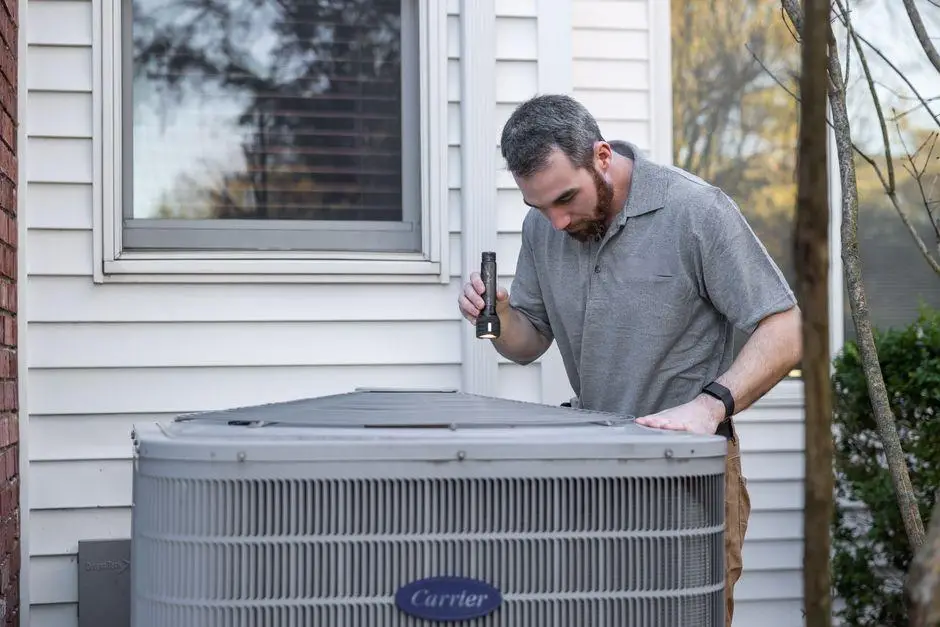
No system in a Texas home works harder than the HVAC unit. Air conditioners here run approximately 2,200 hours annually, nearly double the national average of 1,000 to 1,400 hours. That extended runtime accelerates wear on every component and makes routine maintenance non-negotiable.
Over 60% of Texas homeowners skip annual maintenance, according to industry studies, setting themselves up for much larger expenses down the road. A poorly maintained system can push energy costs up 15 to 30% or more. Those numbers add up fast during a summer when the unit runs around the clock.
Well-maintained HVAC systems typically last 15 to 20 years, while neglected ones often fail after just 10 to 12. Scheduling a professional tune-up each spring, before peak cooling season, is the single most impactful maintenance step a Texas homeowner can take.
Beyond the unit itself, indoor humidity management matters. High humidity accelerates mold growth, warps wood, and makes rooms feel warmer than they are. A whole-home dehumidifier or properly sized air conditioning system keeps relative humidity in the right range. Weatherstripping around doors and windows, combined with attic insulation that meets current standards, reduces the load on the system and cuts monthly utility bills at the same time.
Creating an Outdoor Space That Complements the Interior
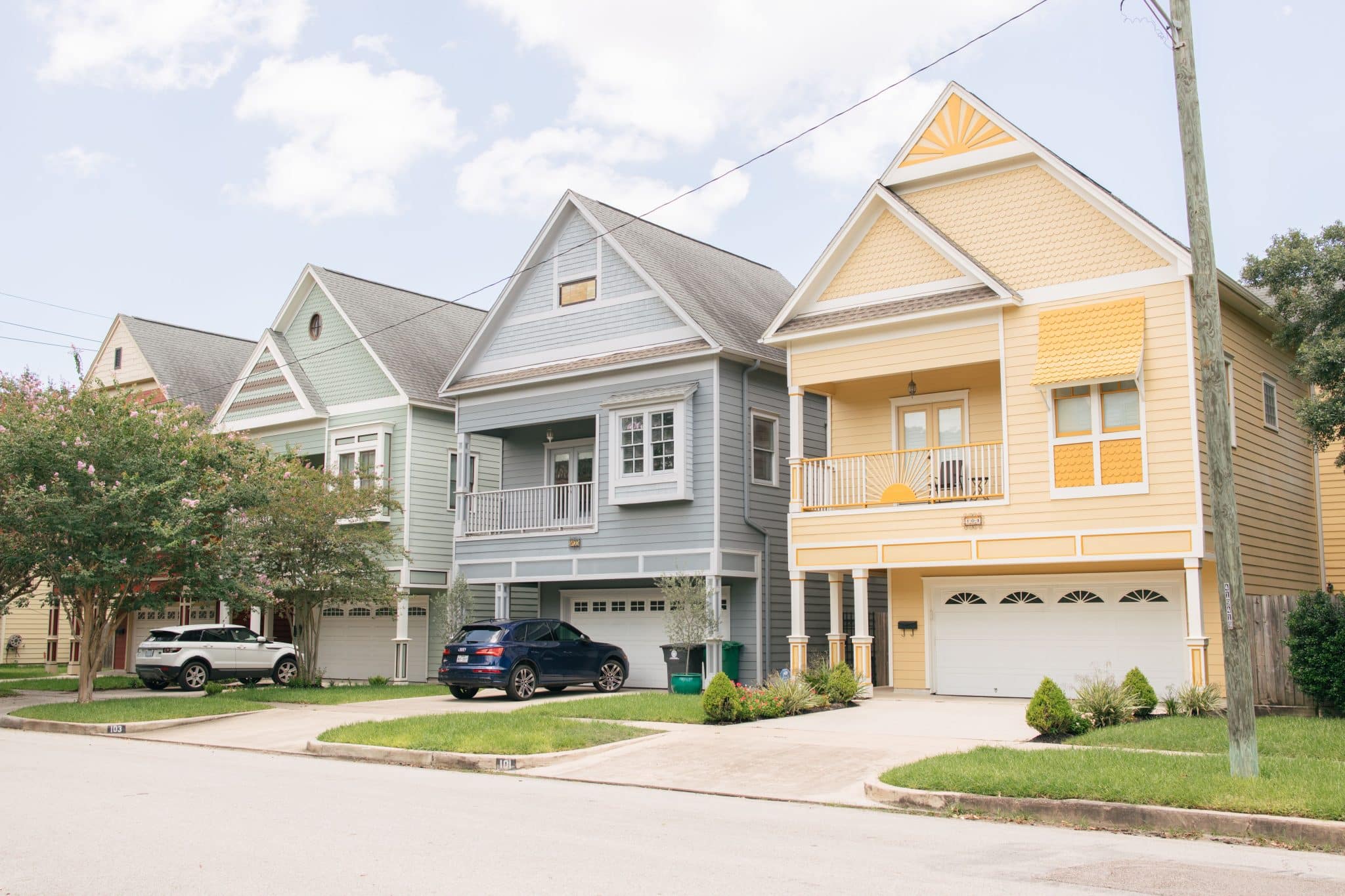
The exterior of a home shapes its first impression and its long-term value. Research shows that professional landscaping can increase a home’s value by as much as 15% to 20% upon resale. In Texas, where outdoor living is a year-round activity for much of the state, an attractive and functional yard pays dividends in both daily enjoyment and eventual resale.
Lawn care here requires working with the climate rather than against it. Native and drought-adapted plants such as lantana, salvia, yucca, and ornamental grasses help create attractive landscapes while reducing water use. Xeriscaping can cut water consumption by 50% to 75% compared to traditional landscaping methods.
Many homeowners also incorporate hardscaping features such as stone pathways, retaining walls, decorative gravel, and planting borders to add structure and visual interest. For planting beds and walkways, Mexican beach pebbles add texture and visual contrast without requiring irrigation or ongoing upkeep.
Patios, covered porches, and seating areas need the same attention as interior spaces. Sweep and rinse hardscaping regularly, clean outdoor furniture cushions seasonally, and check wooden decking for soft spots or loose boards each spring. A well-maintained outdoor area extends the usable square footage of a home and creates a seamless transition between inside and outside.
Refreshing Living Spaces Without Major Renovations
Some of the most effective updates cost almost nothing and take an afternoon. Rearranging furniture to improve traffic flow, swapping out outdated light fixtures for warmer LED options, and adding a few well-chosen textiles can transform how a room feels without touching a single wall.
Lighting has an outsized effect on the atmosphere. Replacing cool, harsh overhead bulbs with warm-toned options in living areas and bedrooms creates a noticeably more inviting environment. Adding a lamp or two in corners that feel dim costs very little and changes the entire character of a room.
Seasonal décor is another low-effort strategy. Rotating a few throw pillows, a piece of artwork, or a table centerpiece with the seasons keeps a home feeling fresh without accumulating clutter. The goal is a timeless base, neutral walls, quality furniture in classic proportions, good lighting, that accommodates small updates without requiring a complete overhaul every few years.
Preparing the Home for Seasonal Weather Changes
Texas weather does not give much warning. The state ranked number one for hail events in 2023, with hail of at least one inch in diameter battering two million homes. That kind of exposure makes pre-season inspections a financial necessity, not just a precaution.
Before spring storm season arrives, inspect the roof for loose or damaged shingles, clean gutters completely, and check that downspouts direct water at least four feet away from the foundation. The average cost of a hail-related roof claim in the Dallas-Fort Worth area exceeded $12,000 in 2023. Catching a few loose shingles in February costs far less than a full claim and the insurance complications that follow.
Windows and doors deserve attention before both summer heat and winter cold fronts. Check caulking around all exterior frames and replace weatherstripping that has compressed or cracked. Inspect the attic after any major storm for signs of water intrusion, which often goes unnoticed until it has caused significant structural damage.
Drainage is another priority. Texas soils can become saturated fast during heavy rain, and poor drainage around the foundation is one of the leading contributors to the foundation problems that plague so many homes in the state. Clear any debris from drainage channels and confirm the grade around the home slopes away from the foundation on all sides.
Final Words
Maintenance costs have jumped 61% over the past decade, and labor shortages combined with extreme weather keep pushing prices higher. The homeowners who feel that pressure least are the ones who stay ahead of it.
Consistent care of interior surfaces, proactive HVAC maintenance, thoughtful outdoor upkeep, and seasonal preparation before storm season are not separate projects. They are parts of the same ongoing commitment to a home that stays comfortable, attractive, and structurally sound.
Viewed that way, home maintenance is not an expense. It is the most reliable investment a Texas homeowner can make.