
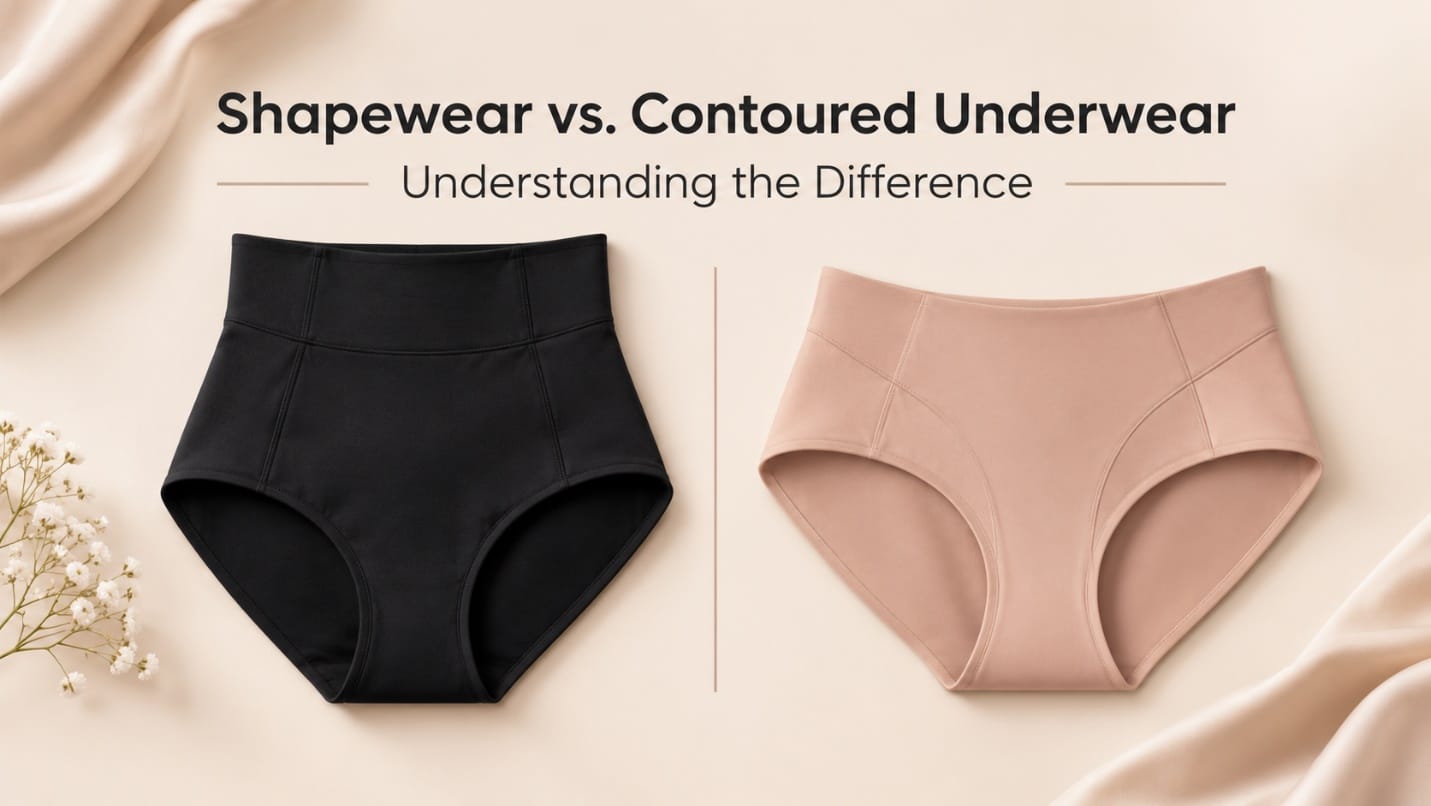
When it comes to choosing the right underwear, comfort and fit matter just as much as appearance. With so many options available today, terms like shapewear and contoured underwear can sometimes get confusing. Both are designed to complement your natural silhouette, but they serve different purposes.
While shapewear focuses on smoothing and shaping specific areas of the body, contoured underwear is designed to follow your natural curves and provide a more flattering fit. Understanding the difference can help you choose the right option depending on your outfit, comfort preferences, and everyday needs.
Let’s take a closer look at what sets these two types of underwear apart.
What Is Shapewear?
Shapewear is designed to create a smoother appearance under clothing by providing compression to certain areas of the body. It is commonly worn under fitted dresses, skirts, trousers, and other outfits where someone wants a more streamlined silhouette.
Most shapewear products use stretchable, compression-based fabrics that gently hold and smooth areas such as the waist, tummy, hips, and thighs.
Some popular types of shapewear include:
- High-waisted shaping briefs: Designed to smooth the tummy and waist area.
- Shaping shorts: Provide coverage and smoothing around the hips and thighs.
- Bodysuits: Offer shaping support across multiple areas of the body.
- Waist cinchers: Focus on providing compression around the midsection.
Shapewear is generally preferred for occasions when you want a more sculpted look under particular outfits. However, the level of compression can vary depending on the product, so choosing the right size is important for comfort.
What Is Contoured Underwear?
Unlike traditional shapewear, contoured underwear focuses on complementing your body’s natural shape rather than compressing it. It is designed with specific cuts, panel construction, and fabric placement to create a flattering fit while allowing natural movement.
The idea is to provide underwear that follows your curves, offers comfortable coverage, and stays in place throughout the day.
Some features commonly associated with contoured underwear include:
- Body-following designs: Designed to complement natural body curves.
- Strategic stitching and panel placement: Help create a more flattering silhouette.
- Flexible fabrics: Allow comfortable movement without feeling overly restrictive.
- Stay-put construction: Helps reduce riding up, bunching, and constant adjustments.
Contoured underwear is a practical choice for everyday wear, especially when you want a flattering fit without the firm compression associated with traditional shapewear.
Shapewear vs. Contoured Underwear: Key Differences
Although both options can improve how clothing fits and looks, their construction and purpose are quite different.
|
Feature |
Shapewear |
Contoured Underwear |
|
Primary purpose |
Smooths and shapes the body |
Follows and complements natural curves |
|
Compression |
Usually moderate to firm |
Usually light or minimal |
|
Design |
Focuses on shaping specific areas |
Focuses on natural body contours |
|
Coverage |
Often covers larger body areas |
Available in different underwear styles |
|
Everyday use |
Depends on compression and comfort |
Often designed for regular wear |
|
Best suited for |
Creating a smoother silhouette |
Comfortable, flattering everyday fits |
The biggest difference comes down to compression versus contouring. Shapewear works by gently holding and smoothing certain areas, while contoured underwear focuses more on fit, construction, and natural shape.
Can Contoured Underwear Enhance Your Natural Shape?
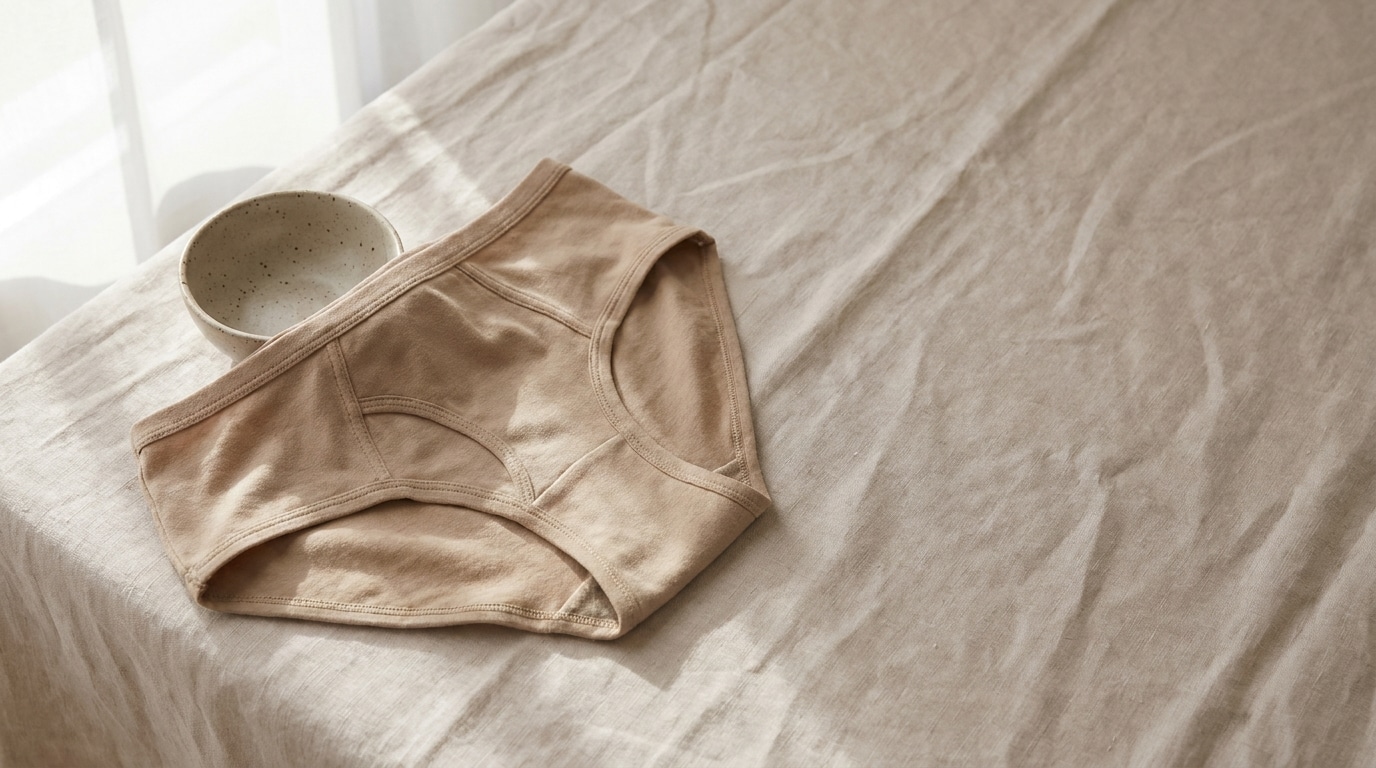
Yes, depending on its design. Contoured underwear uses thoughtful construction to complement the body’s natural curves. Certain designs feature strategically placed seams, shaped panels, and specially designed cuts that create a more flattering appearance.
For example, 3D contour designs are developed to follow the natural shape of the body rather than simply flattening or compressing it.
Brands are increasingly exploring this approach to make everyday underwear more functional and comfortable. Nuage, for instance, offers its 3D Glute-Contour design, which focuses on complementing natural curves while providing a comfortable fit. It is an example of how underwear design is moving beyond basic coverage to consider fit, shape, and everyday wearability.
This type of construction can be particularly useful when wearing fitted dresses, leggings, jeans, or other outfits where the fit of your underwear can make a difference.
When Should You Choose Shapewear?
Shapewear may be a suitable option when you want a smoother appearance under a particular outfit. It can be useful for:
- Wearing fitted dresses or formal outfits.
- Creating a smoother appearance around the waist and tummy.
- Reducing visible lines under certain clothing styles.
- Getting additional coverage under body-hugging outfits.
However, shapewear should never feel uncomfortably tight. The right fit should allow you to sit, walk, and move comfortably.
When Should You Choose Contoured Underwear?
Contoured underwear is worth considering when everyday comfort and a flattering fit are your priorities.
You may prefer it when:
- You want underwear that follows your natural body shape.
- You regularly wear leggings, jeans, or fitted clothing.
- You want to minimize riding up and bunching.
- You prefer less compression than traditional shapewear.
- You want comfortable underwear for everyday activities.
Since contoured underwear comes in different styles and constructions, it is worth checking the fabric, coverage, and fit before purchasing.
How to Choose the Right Option for Yourself
There is no single answer when it comes to choosing between shapewear and contoured underwear. The right option depends on what you expect from your everyday essentials.
Here are a few things to consider:
1. Think about your purpose: If you want compression and a smoother appearance under formal clothing, shapewear may be more suitable. If you prefer a natural fit, contoured underwear could be a better choice.
2. Check the fabric: Look for soft, stretchable, and breathable materials that feel comfortable against your skin.
3. Choose the right size: Wearing the wrong size can lead to discomfort, rolling edges, or unnecessary pressure.
4. Consider your outfits: Different clothing styles may require different underwear cuts. Seamless and contoured options can work well under fitted outfits.
5. Prioritize comfort: Regardless of the style you choose, your underwear should allow you to move freely without constant adjustments.
Conclusion
Shapewear and contoured underwear may seem similar, but they are designed to serve different purposes. While shapewear focuses on smoothing and providing compression, contoured underwear is all about complementing natural curves and offering a comfortable fit.
If you prefer everyday essentials that balance comfort with a flattering design, exploring contoured underwear can be a good starting point. Brands like Nuage are bringing this approach into everyday wear through innovations such as their 3D Glute-Contour design.
Ultimately, the best choice is the one that makes you feel comfortable and confident in your clothes, whether that means choosing traditional shapewear for a special occasion or contoured underwear for everyday wear.