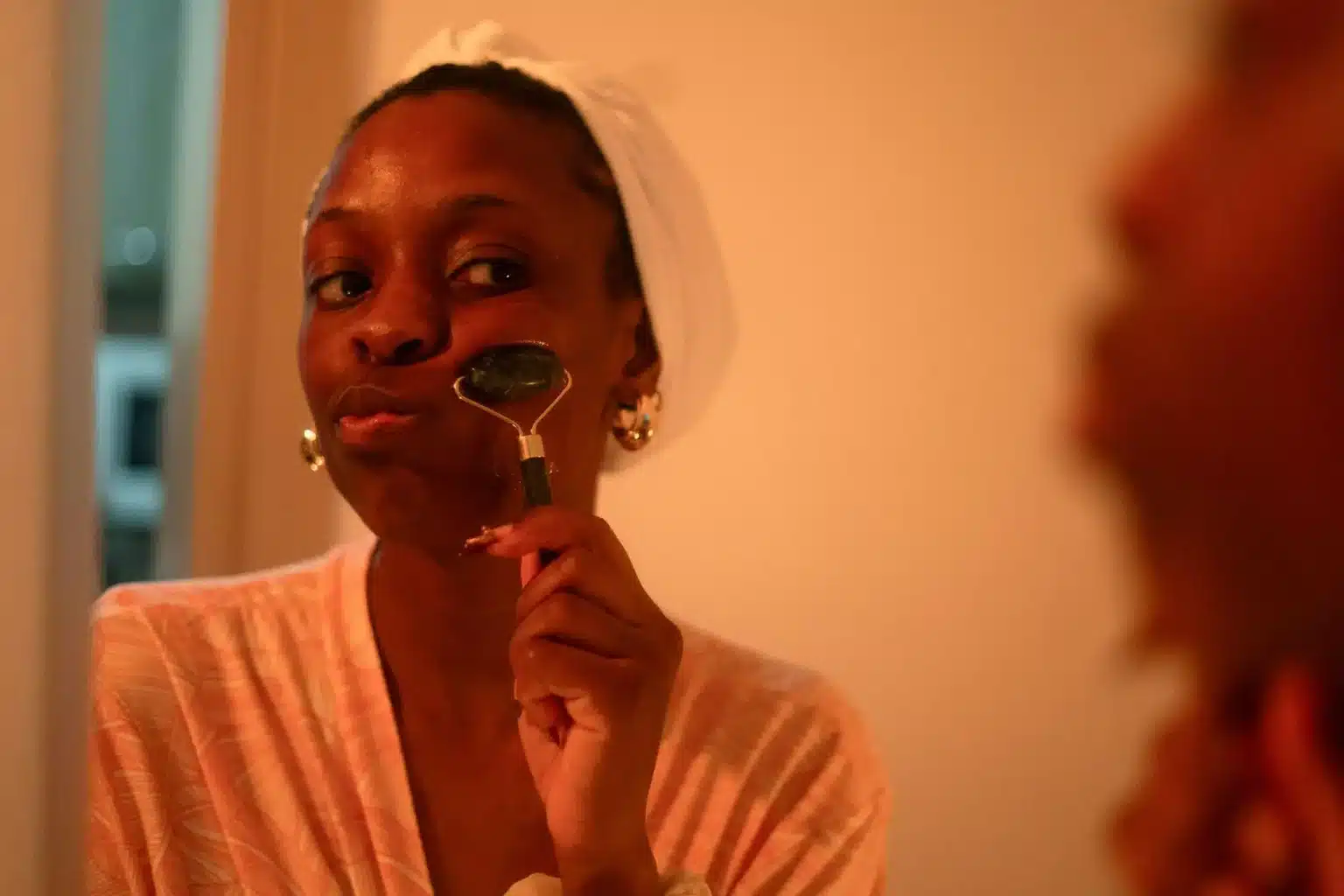
Beauty trends rarely travel because shoppers memorize ingredient lists or advertising promises. They spread when a look communicates personality, lifestyle, taste, or membership in a recognizable cultural group. TikTok beauty has accelerated this process by turning routines and aesthetics into visual identities that audiences understand within seconds.
Why Identity Drives Beauty Trends
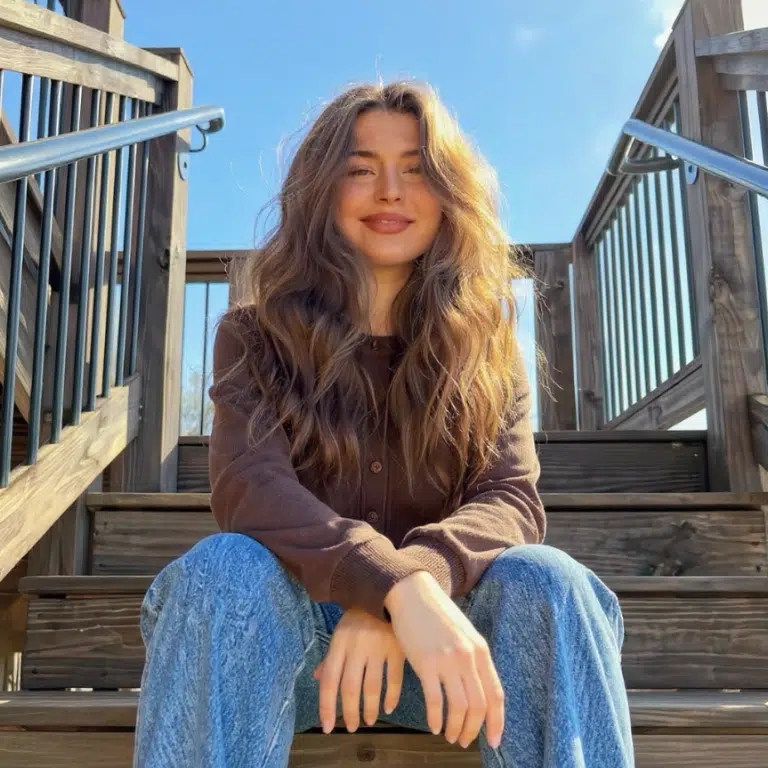
A beauty choice becomes socially meaningful when it says something about the person wearing it. The clean girl style, glossy lips, graphic eyeliner, minimalist skincare, and bold color trends each offer a recognizable way to present an identity rather than simply demonstrate a product.
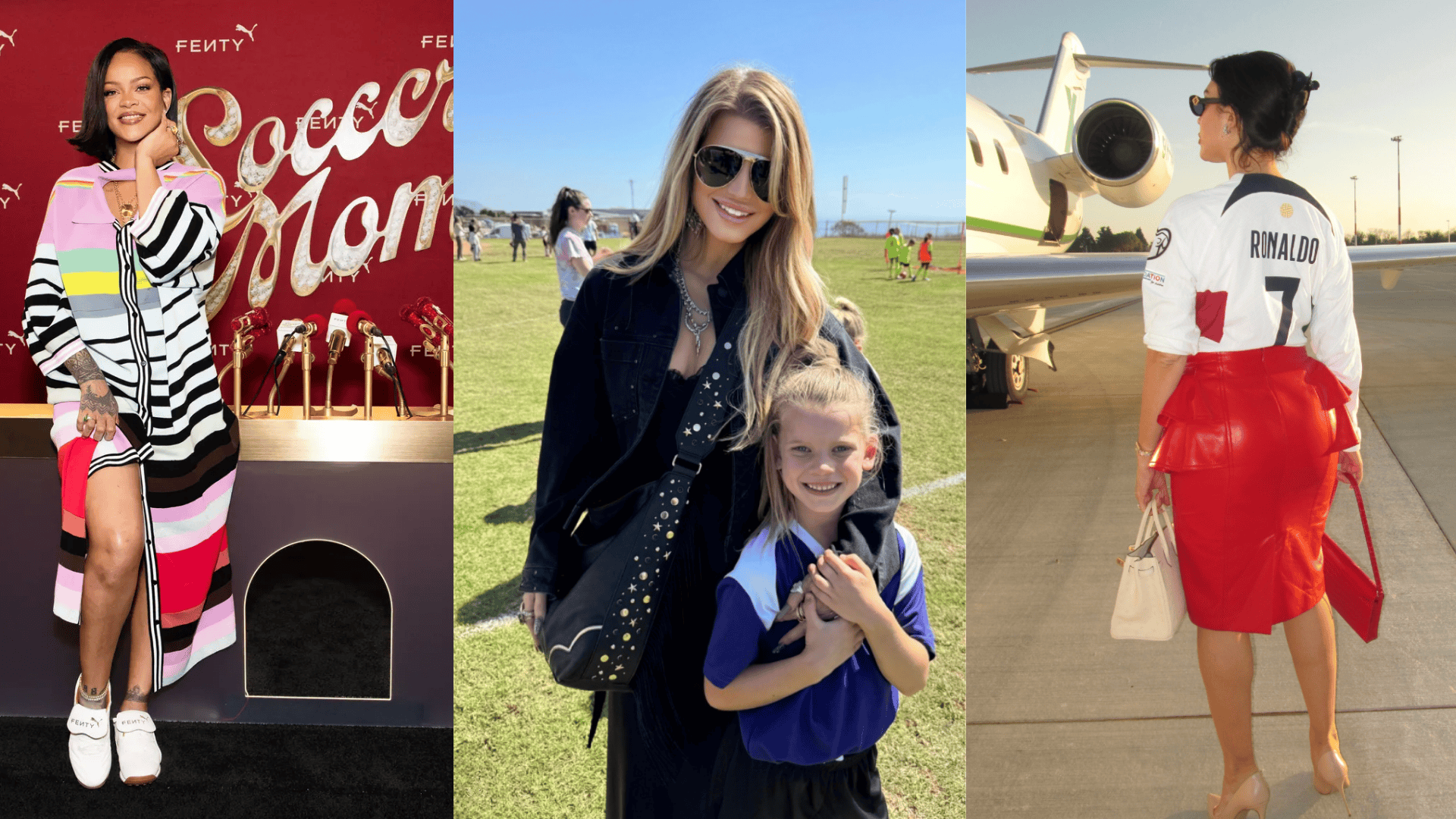
Self-presentation also extends beyond beauty communities. In conversations about attraction and dating preferences, people browsing profiles of single Russian women for marriage encounter the same broader dynamic: appearance, styling, photographs, and personal choices communicate identity when someone is looking for a serious relationship. Beauty participates in that visual language without defining the individual behind it.
Social Proof, Creators, and Community Signals
Social platforms make beauty visible as collective behavior. Instead of encountering a lipstick or serum through one advertisement, users see it repeatedly across tutorials, comments, transformations, and everyday routines.
Creators Turn Products Into Personal Stories
Creator culture gives products context. A foundation becomes part of a morning routine, while an eyeshadow palette becomes the basis of a specific makeup aesthetic. The creator demonstrates where the item belongs within a lifestyle. Followers then judge the complete presentation rather than an isolated product claim.
Repetition Creates Recognition
TikTok beauty feeds expose viewers to recurring colors, techniques, hairstyles, and skincare routines. Repetition makes a style recognizable before someone knows which brands produced the items involved.
The relationship between repetition and identity becomes clearer through common content formats:
|
Content format |
Identity signal |
Audience response |
|---|---|---|
|
Morning routine |
Lifestyle and habits |
Routine imitation |
|
Makeup tutorial |
Visual aesthetic |
Technique recreation |
|
Product shelf |
Taste and priorities |
Category discovery |
|
Transformation video |
Desired presentation |
Look experimentation |
Communities Give Trends Meaning
A community supplies vocabulary and expectations around an aesthetic. Terms such as “clean girl,” “soft glam,” or “maximalist makeup” let users describe an entire visual direction with a short phrase. Comments reinforce those meanings by discussing who wears the look, where it fits, and which variations belong within the broader style.
Why Product Claims Rarely Carry a Trend Alone
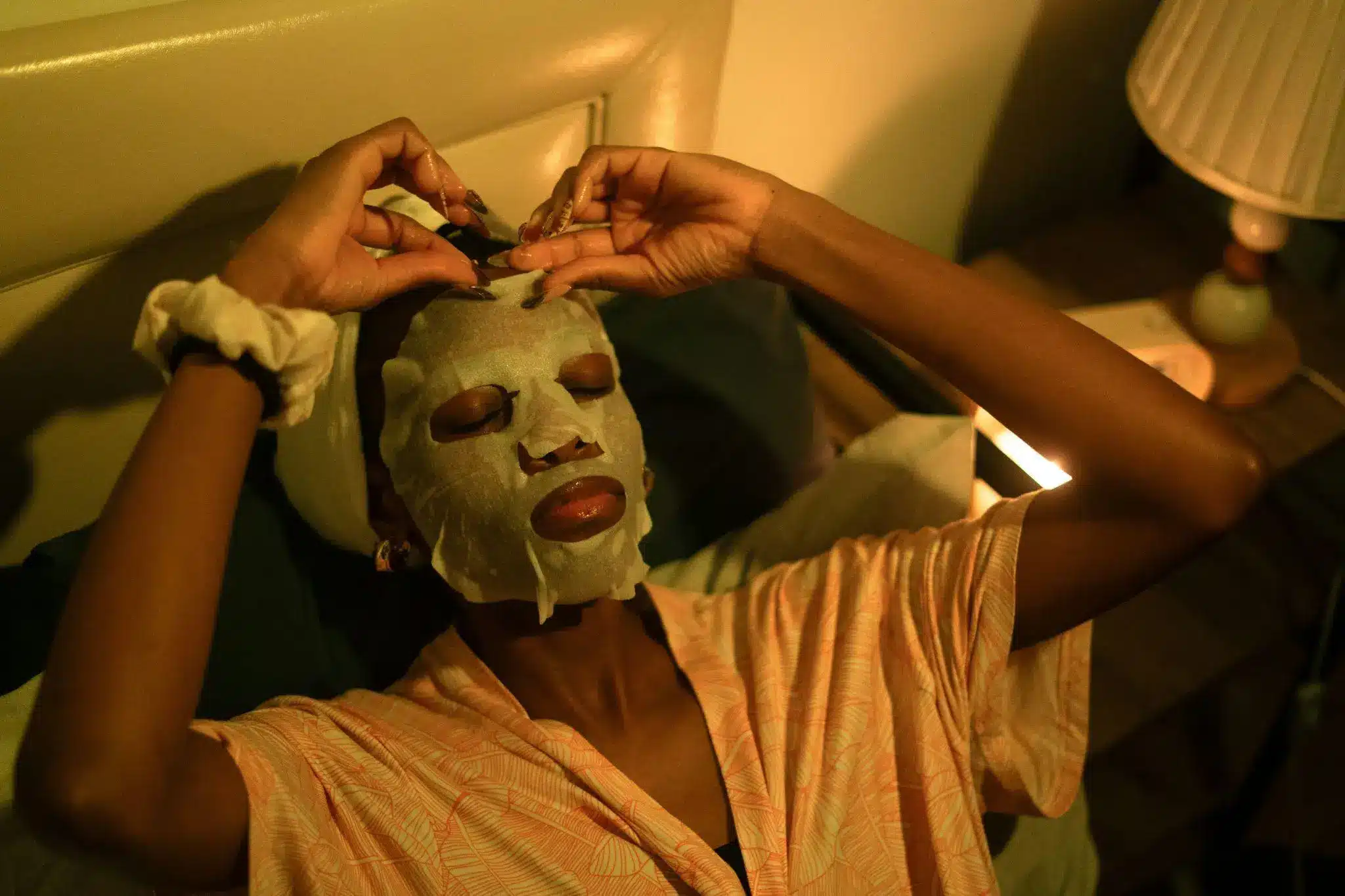
Product information remains useful, especially for practical decisions around texture, finish, shade, or application. Yet technical messaging lacks the social context that turns an individual purchase into a wider cultural trend.
Features Explain Rather Than Identify
A claim such as “long-lasting finish” describes performance. It does not explain what wearing that finish communicates about style or personality.
Five types of information remain valuable at the evaluation stage:
- Finish and texture
- Shade range
- Application method
- Product format
- Routine compatibility
These details help compare items after interest already exists.
Similar Claims Compete for Attention
Beauty categories contain many products using comparable descriptions. Hydration, glow, coverage, smooth application, and lasting color appear across numerous ranges. An identifiable aesthetic gives audiences another reason to remember a product. The item becomes associated with a look rather than another familiar phrase on a product page.
Demonstration Changes the Message
Seeing makeup applied communicates information that packaging cannot express alone. Viewers observe color intensity, placement, combinations, and the finished aesthetic. Skincare content works similarly. A routine shows sequence, texture, and personal ritual, turning separate products into a recognizable behavior.
Packaging, Language, Aesthetics, and Belonging
Identity continues beyond the face. Packaging, naming, photography, typography, and brand language establish expectations before someone opens the product.
Packaging Signals a Visual World
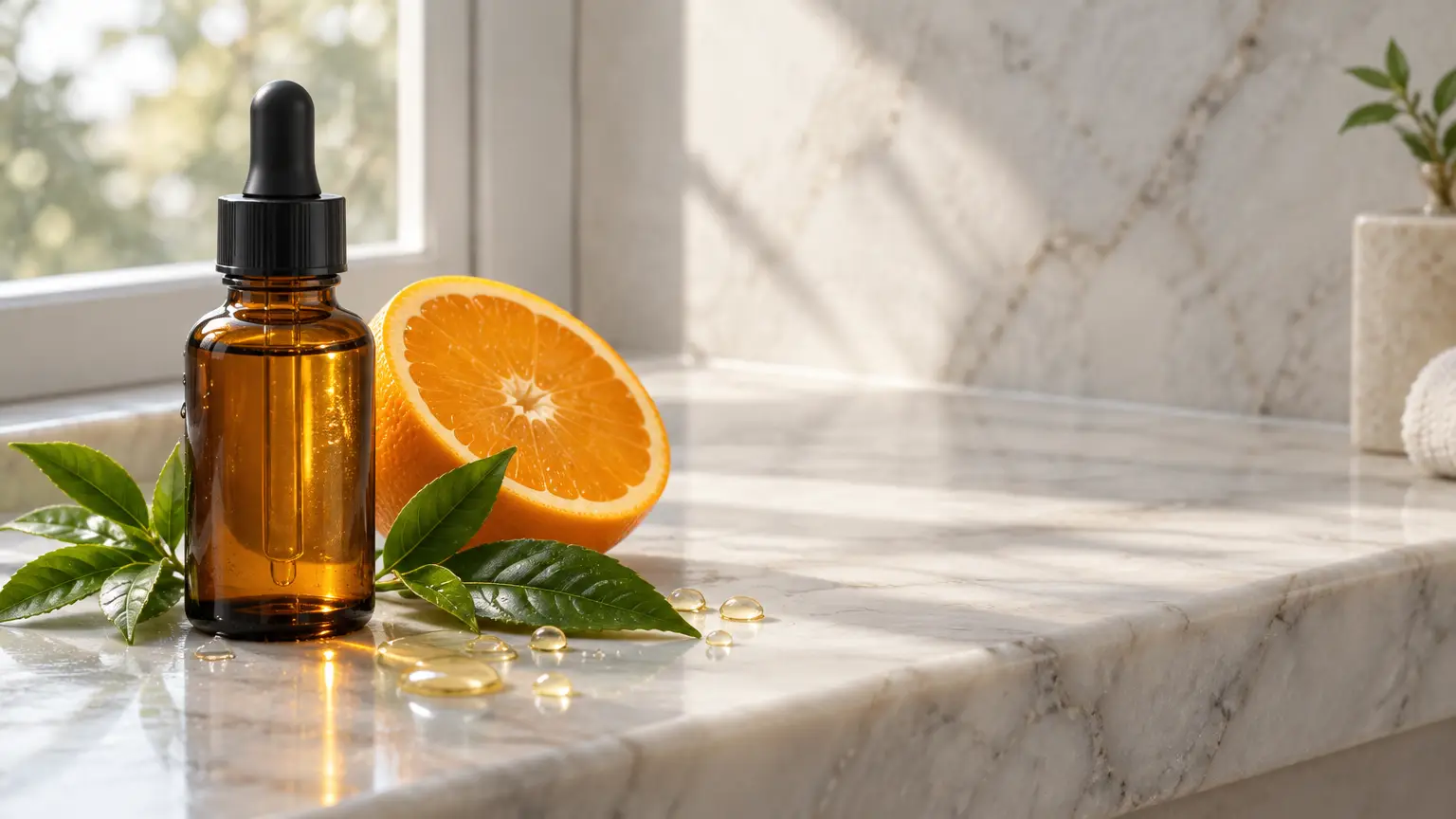
Minimal containers support one identity, while metallic finishes, vivid graphics, or playful shapes communicate another. Those choices become especially visible in shelf tours, unboxing clips, and bathroom photographs. Packaging therefore functions as part of the aesthetic people display publicly.
Language Names the Experience
Brand language influences how audiences describe a look. Short phrases, collection names, and distinctive vocabulary give communities terms that travel easily through captions and conversations. Effective language connects the object with a recognizable mood without requiring a long explanation.
Aesthetics Create Belonging
Participating in a beauty trend gives users a shared visual reference. Someone recreating a clean girl look or experimenting with bold color enters an existing conversation while adding personal variations.
Belonging does not require identical presentation. The strongest identity groups leave enough room for individual interpretation while maintaining recognizable visual cues.
Beauty Travels Through People
Beauty trends move quickly when audiences recognize themselves, their aspirations, or their communities inside an aesthetic. Products provide the materials, but identity gives those materials cultural meaning.
Social media strengthens that process by placing creators, routines, comments, and visual repetition together. A look moves from one person to another because people see how it functions within real self-presentation.
For beauty brands and observers of culture, this distinction matters. Product claims explain what an item offers, while identity explains why a particular style becomes worth sharing and discussing.