Young people have always traveled to new places and other countries to experience different cultures and ways of life, but in recent years more young people are traveling to gain more from their trips than just seeing sights to put in an album.
For many young adults, a short holiday to a foreign country is no longer enough to meet their needs and expectations. By engaging in foreign cultural experiences, such as cultural exchange programs, volunteer work, or long-term stays with local families and individuals, young travelers can experience and participate in the daily lives of foreign peoples and thus experience foreign destinations in a much more comprehensive way than simply touring from landmark to landmark.
Why Traditional Travel Doesn’t Always Provide a Complete Experience
Usually, when people travel abroad, they stay for a few days and then move on to the next destination. During their trip, they usually stay in tourist hotels, visit well-known places, and eat at good restaurants in the evenings. Although the trip can be very pleasant, it generally doesn’t offer much scope to get to know the local way of life and the people.
Unless you take the time to explore the real side of the destinations, you might end up observing other travelers and noticing little more than the usual tourist attractions, such as the Eiffel Tower and the Louver Museum, while spending a week in Paris to experience France, a country famous for its cuisine. Every tourist destination has a ‘real side’ hidden behind its attractions, so each traveler must discover it.
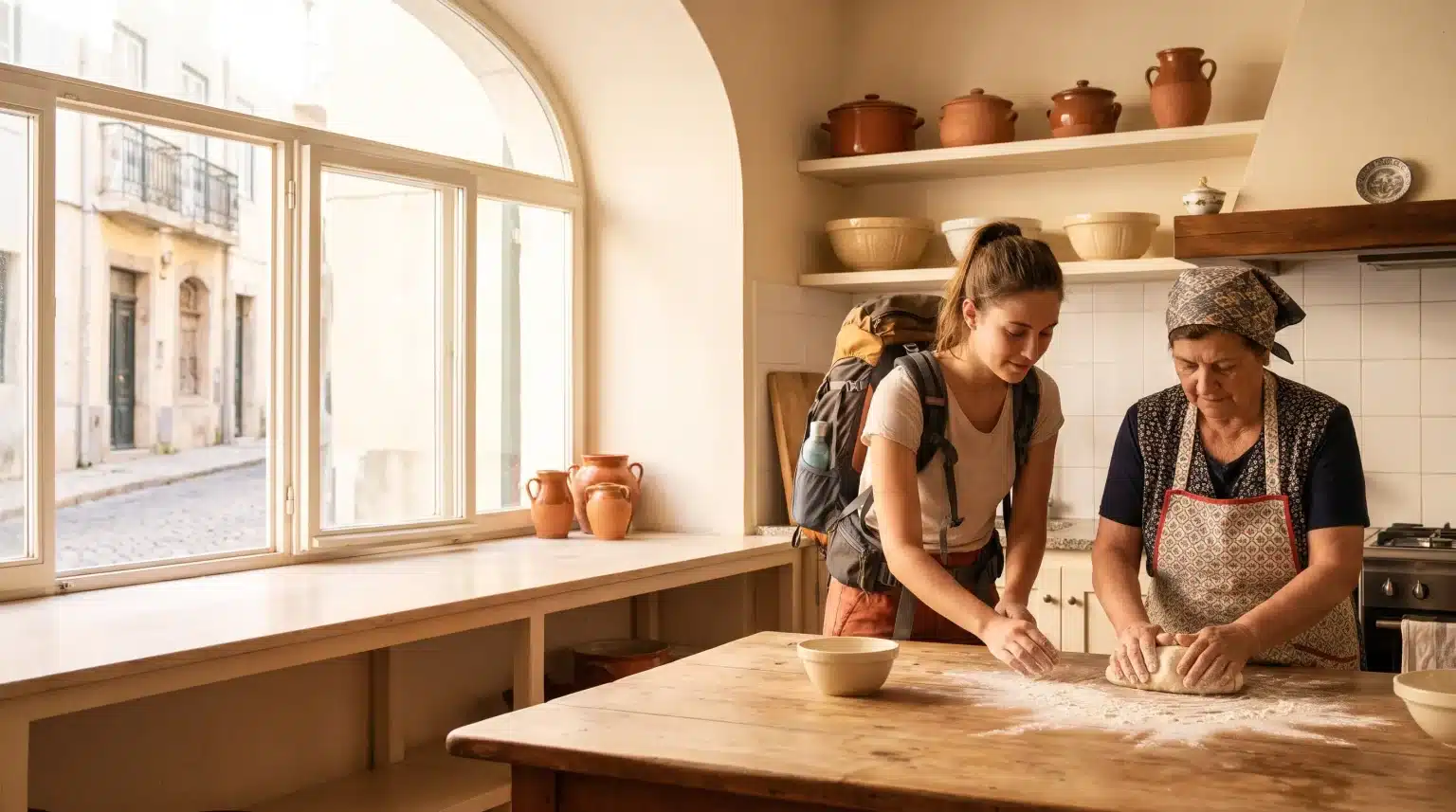
As mentioned earlier, when tourists engage in cultural experiences, they are often more immersed in the local culture than when they observe a country from the outside. Participants can learn to cook regional dishes, join local communities by taking part in a wide variety of events, and connect with fellow international tourists, making lifelong friends along the way.
These experiences often form the best part of someone’s trip abroad and often lead to new friendships.
Living Like a Local Creates More Meaningful Connections

The biggest difference between tourism and a cultural experience is that traditional tourism usually follows a strict schedule of pre-organized activities. By contrast, a cultural experience lets participants immerse themselves in the daily life and activities of the local population and experience aspects of the culture that would otherwise remain unknown.
By living with a host family, or even just sharing a meal with them, you can gain valuable insight into the local culture and way of life while also sharing your own experiences.
Au pair programs offer young adults an opportunity to experience everyday life in another country while taking on childcare responsibilities. Programs such as Cultural Care Au Pair connect participants with host families, allowing them to become part of a different household, practice language skills and experience local traditions firsthand. This combination of cultural immersion and practical responsibilities makes the experience different from a typical vacation.
This type of travel differs from a normal holiday because you usually have a responsibility to contribute to the host family’s daily life. This might mean helping out with family members or learning to manage independently in a foreign country.
Cultural Experiences Can Encourage Personal Growth
At first, it can be very challenging. That is why so many young adults want to go on holiday to other countries to experience different ways of living. Before they know it, they are immersed in another language and way of life and grow as a result.
Whether it’s grocery shopping or cleaning the house, doing these kinds of tasks abroad makes you more independent. When you come back home, you’ll realize these small things are easy, and that you have become a different person.
Your communication skills will be improved as well. People from different backgrounds, with different customs and beliefs, will challenge you in the best way possible, helping you become more patient and flexible and recognize potential problems before they become real issues.
Even after returning home, these skills can be valuable as young adults start working and meet people from different backgrounds and cultures.
Social Media Is Changing What Young Travelers Value
Social media platforms and a multitude of international holiday choices have made travel around the globe easier, but they have also changed what younger generations seek from traveling abroad.
Pictures of beautiful beaches, historic streets, and exclusive hotels lure many such travelers. On the other hand, movies, blogs, and, more recently, images and videos of people sharing their experiences of life in foreign countries, language learning, relationships with local people, and homestays with families from other cultures can be very attractive to young people.
This type of travel can give young travelers the feeling of visiting local markets, celebrating unfamiliar holidays, and living with a host family in a foreign country. Whether it is fun or not, it is so different from the typical tourist experience that most travel companies pitch.
Much more can be revealed than the aesthetic wonder of an exciting foreign land. Social media is not always honest. First, you may be sent home for reasons such as not getting along with other exchange students or au pairs. If someone is away from home for the first time, they will get homesick at some point, even if only for a short time. Finally, there is the possibility of difficult communication with the locals or other exchange students/Au pairs.
Finding the Right Balance Between Travel and Cultural Exchange
So both travel and cultural exchange offer lots of value. They differ and offer different experiences depending on what you are looking for.
While short vacations let you rest, see new places, and even visit several countries, a longer stay to get to know places and people can lead to even more meaningful experiences and personal growth.
For many young adults, future travel will mix classic tours with more meaningful interactions with local communities. Therefore, the most relevant question when planning a trip abroad is, “What do I want to learn from the local population during my stay?”
Travel can bring lots of meaning and value to someone’s life, but not always in the ways you would expect. Most meaningful travel experiences don’t necessarily come from visiting dozens of countries or taking pictures to post online, but from unexpected moments that arise in very ordinary conversations.