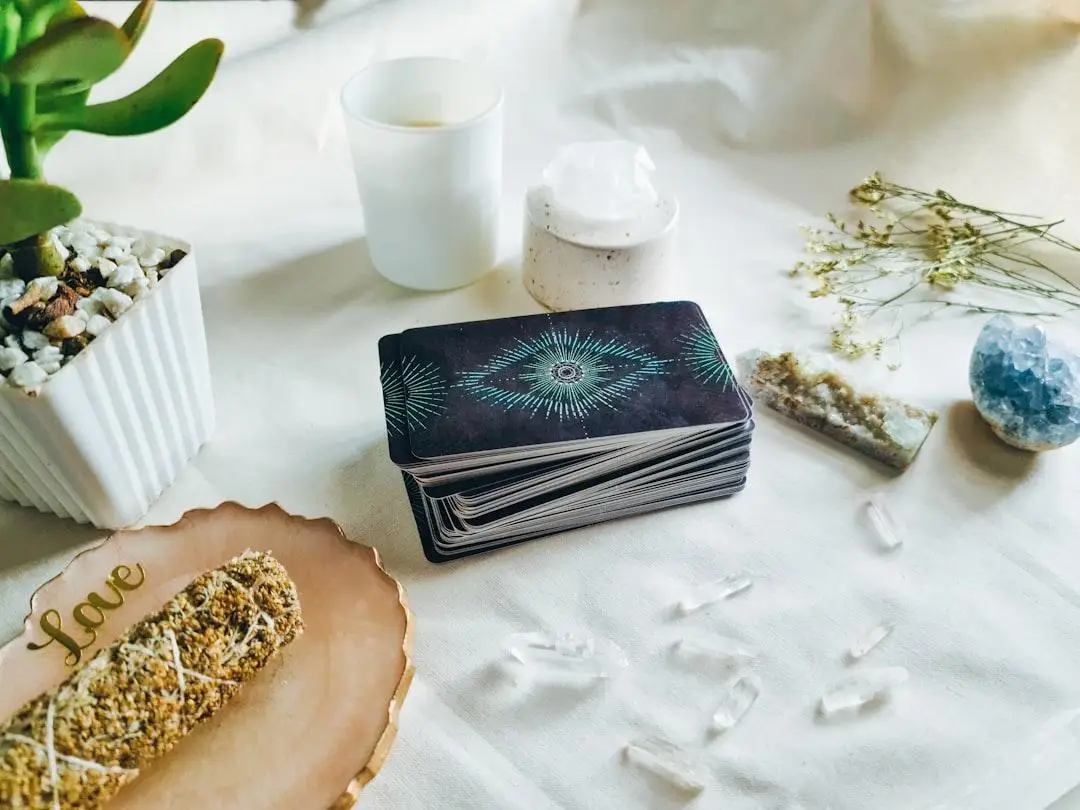
Tarot has quietly gone mainstream. Once tied to incense and fortune-telling, it now sits alongside journaling and meditation apps. A new generation treats it as a tool for reflection, not prophecy.
The shift is easy to see online. Free tools like TarotCards.io let anyone try a reading in minutes, no mystic required. This guide looks at where tarot came from, how it works, and why it resonates now.
Why Is Tarot Popular Again?
Tarot fits the current mood for slow, intentional habits. People want a pause, a prompt, and a moment of reflection. A card draw offers exactly that in a few minutes.
Social media has helped too. Short videos and daily-card posts have made the imagery familiar. Creators share readings as content, and the tone is playful rather than solemn. What once felt secretive now feels approachable and even fashionable.
It also pairs neatly with wellness routines. Alongside practices like a good vibration soundtrack or breathwork, a card can set a tone for the day. The appeal is calm, not the occult.
The aesthetics help as well. Modern decks feature striking, collectible art that fits a curated shelf or feed. For many, the cards are as much design objects as ritual tools.
Cost is a factor too. A daily draw is free or nearly so, unlike many wellness trends. That low barrier makes it easy to try without commitment.
Where Did Tarot Come From?
Tarot is older and more ordinary than its reputation suggests. It began in 15th-century Italy as a card game for the nobility. Fortune-telling came centuries later.
The history is well documented. The earliest tarot decks date to the 1440s and were used for play, not prediction. The oldest surviving set was a hand-painted wedding gift for a Milanese duke, now preserved in major museum collections.
A standard deck holds 78 cards. It splits into 22 major arcana and 56 minor arcana across four suits. That structure has stayed remarkably stable for centuries.
The major arcana are the 22 named cards, such as the Sun and the Star. They carry the big, thematic images most people recognize. The minor arcana handle the everyday details.
The link to fortune-telling is fairly recent. It grew mainly in the 18th and 19th centuries, long after the game itself. Understanding that history takes some of the mystery out of the cards.
How Does a Tarot Reading Work?
A reading is simpler than it looks. Most sessions follow the same basic steps.
- Set a question. Choose something open, not a yes-or-no.
- Pick a spread. A spread is the layout of cards you draw.
- Draw the cards. Turn over the number your spread calls for.
- Read the imagery. Note the symbols and how they strike you.
- Reflect. Connect the cards to your own situation.
There is no fixed script for the meanings. Different readers and guidebooks interpret the same card in slightly different ways. The point is to prompt thought, not to hand you a single fixed answer.
What Can You Actually Get From It?
Used well, tarot is a reflection tool. The cards act as prompts that surface your own thoughts. Any insight comes from you, not the deck.
- A moment of pause: a small, calming daily ritual.
- A journaling prompt: a starting point for writing.
- A fresh angle: a nudge to see a problem differently.
- A sense of focus: a way to name what is on your mind.
That reflective habit has real value. Research summarized by the APA links regular journaling to lower stress and clearer thinking. Tarot simply gives the page a prompt.
How Do Online Tarot Readings Work?
Online tools have opened tarot to the curious. You select a spread, the site shuffles a virtual deck, and cards appear on screen. Many platforms add a short written meaning for each one.
The format suits beginners well. There is no deck to buy and no symbolism to memorize first. You can try a mindful daily draw and build familiarity over time.
Keep expectations realistic, though. Tarot is best treated as entertainment and reflection, not advice. It does not predict the future or replace real decisions. For anything serious, from health to money, trust professionals rather than a card draw.
What to Remember
- Tarot has shifted from fortune-telling to a reflection tool.
- It began as a 15th-century card game, not a mystical practice.
- A standard deck has 78 cards in major and minor arcana.
- A reading prompts your own thinking rather than giving answers.
- Online tools make it easy for beginners to try.
- Treat it as reflection and fun, not prediction or advice.
Making Space for Reflection
Tarot’s revival says less about magic than about mindfulness. The cards give people a reason to pause, reflect, and check in with themselves at the end of a busy day. Approached that way, with curiosity and a light touch, a simple draw can be a genuinely useful ritual.
Frequently Asked Questions
Do You Have to Believe in Tarot for It to Work?
No. Many people use tarot purely as a reflection prompt. The value comes from the thinking it sparks, not from belief in the supernatural.
How Many Cards Are in a Tarot Deck?
A standard deck has 78 cards. These divide into 22 major arcana and 56 minor arcana. The minor arcana are split across four suits.
Are Online Tarot Readings Accurate?
Online readings draw cards at random, just like a physical deck. Accuracy is not really the point. They work best as a prompt for reflection and a bit of fun.
Is Tarot a Good Habit for Beginners?
It can be a gentle, low-cost way to build a reflective routine. Start with a single daily card and a short note. Keep it light and treat it as entertainment.