Finding the best children’s clothing manufacturers for your brand is the highest-leverage decision you’ll make — and I’ve watched it go both ways more times than I can count. One founder I worked with spent three weeks vetting factories before placing a single order; four years later she’s on her eleventh production run with the same partner. Another chose on price alone, and I met her the following spring after 2,000 bodysuits arrived with necklines two centimetres off spec and no test reports to show her retailer.
The difference wasn’t luck. It was knowing what to look for.
Here’s the thing most roundup lists won’t tell you: “best” isn’t universal. A factory that’s genuinely excellent for a 5,000-unit organic basics program can be entirely wrong for a boutique brand ordering 300 sequined party dresses. So this guide does two things — it walks you through ten manufacturers worth knowing across the major categories of children’s apparel production, and more usefully, it shows you how to match the right one to your actual situation.
How I Selected These Manufacturers
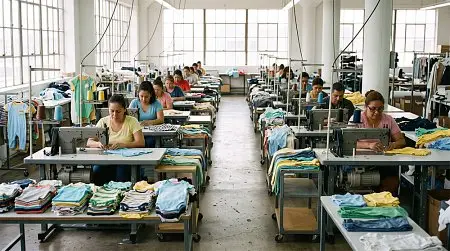
Before the list, my criteria — because the best children’s clothing manufacturers for one brand are routinely the wrong answer for another. Every manufacturer here clears a baseline that filters out most factories competing for kidswear business.
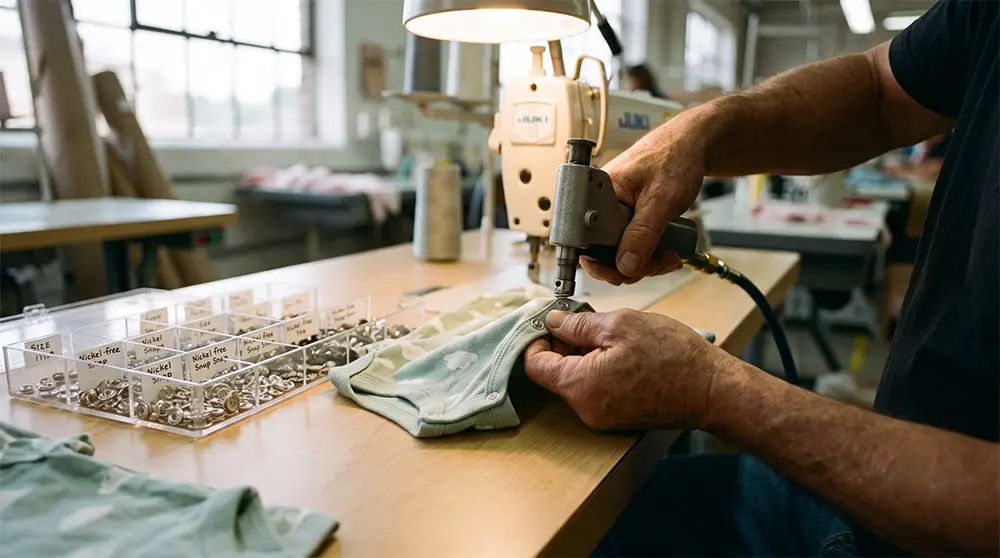
Genuine kidswear specialization. Children’s clothing is not small adult clothing. Envelope necklines, nickel-free hardware, flat-lock seams, inseam snaps, reinforced knees — these are specialties. Factories producing kidswear continuously do them instinctively; generalist apparel factories learn them on your order, and you pay the tuition.
Verifiable compliance capability. Children’s apparel carries legal safety requirements adult clothing doesn’t. In the US that means CPSIA testing and a Children’s Product Certificate — we’ve written a plain-English breakdown in our guide to understanding CPC certification. In the EU it’s EN 71 and REACH. A manufacturer treating these as routine is fundamentally different from one that finds them surprising.
Social compliance documentation. BSCI, Sedex/SMETA, WRAP or equivalent — increasingly a retail requirement, and in my experience a reliable predictor of whether a factory ships on time.
Track record and transparency. Real production history, and willingness to share audit reports and do live factory tours rather than send reassurance.
1. Hapa Garments — Best for Full-Service Custom Kidswear
Full disclosure: this is our site, so read this as an explanation of where we fit rather than us crowning ourselves.
We specialize in custom children’s and baby clothing, with particular depth in what most factories find difficult — embellished occasion wear, sequin work built to survive real washing, and construction detailing for small sizes. We hold the certifications this category demands (CPC, SGS, ISO, BSCI) and work with brands from first collection through repeat production.
Best for: Brands wanting genuine customization with hands-on guidance through tech packs, sampling and compliance. Look elsewhere if: You need domestic-only production for speed-critical restocks, or you’re below custom manufacturing minimums.
2. AEL Apparel — Best for Sustainable and Streetwear-Leaning Kidswear
AEL has built its reputation on sustainability and speed, operating as a true custom manufacturer with OEM services including sublimation printing and custom embroidery. Their focus on recycled polyester and organic cotton lines up with where the market is genuinely moving.
What earns them a place among the best children’s clothing manufacturers is the intersection brands increasingly want: legitimate eco-materials paired with a modern, casual aesthetic. If your line includes hoodie dresses or organic cotton tees, they’re a strong contender.
Best for: Sustainability-focused brands and contemporary casual kidswear. Look elsewhere if: Your product is heavily embellished formalwear.
3. Hongyu Apparel — Best for High-Volume Production
With over twenty years behind them, Hongyu is a genuine powerhouse — immense capacity, rigorous production controls, thousands of units moving quickly against international safety standards.
That scale is valuable when you need it, but it carries the trade-off every high-capacity operation does. Smaller brands often find them less attentive to fine detail than boutique-focused factories. I’ve seen young brands feel like a rounding error there, and it’s nobody’s fault — it’s arithmetic.
Best for: Established chains, department store programs, high-volume brands — among the best children’s clothing manufacturers when scale is your primary constraint. Look elsewhere if: You need a factory to care about 400 pieces the way it cares about 40,000.
4. Seam Apparel — Best for US-Based Project Management
Seam specializes in premium children’s and infant wear, with a Los Angeles team managing a global supply chain on your behalf. The model solves a real problem: overseas economics without you personally managing time zones, language and logistics at midnight.
The honest trade-off is structural — an intermediary managing the process adds a layer of cost. Whether that’s worth it depends entirely on what your own time is worth.
Best for: US brands wanting overseas pricing without the coordination burden. Look elsewhere if: Margins are tight enough that you need factory-direct.
5. Silk Routes — Best for Sensitive-Skin and Organic Materials
This UK-based manufacturer specializes in skin-friendly materials — OEKO-TEX certified organic cotton, soft bamboo — and handles everything from pattern design through final shipping.
Material sourcing expertise is badly underrated in kidswear. Any factory can sew organic cotton. Comparatively few know which specific mills deliver consistent hand-feel and shade across repeat orders, which is exactly what you’ll care about on your third reorder. If fabric safety is your priority, it’s worth reading our guide to choosing safe clothing for children alongside your factory search.
Best for: Baby and toddler brands, organic-positioned lines. Look elsewhere if: You need rock-bottom unit cost on volume basics.
6. Appareify — Best for Speed and Broad Age Ranges
Appareify leans on current technology to accelerate production across all ages, and maintains a team focused specifically on children’s and baby wear so items meet global safety standards.
That dedicated kidswear team is the detail I’d underline. A general apparel factory with a kids division behaves very differently from one where children’s production lands with whoever happens to be free.
Best for: Tight launch calendars, lines spanning baby through older kids. Look elsewhere if: Your product needs deep artisanal detailing.
7. Kamus — Best for European Craftsmanship
A family-owned Polish manufacturer with a long sewing heritage, Kamus specializes in durable kids’ coats, dresses and trousers under strict European standards.
For EU-market brands, European production simplifies compliance, shortens shipping dramatically, and carries real marketing weight with customers who ask where things are made — a question I hear more every year.
Best for: EU brands, structured garments and outerwear, premium craftsmanship positioning. Look elsewhere if: Unit economics are your binding constraint.
8. Too Fabric — Best for Kids’ Streetwear and Premium Cotton
This Turkish manufacturer produces high-quality kids’ streetwear — hoodies, tees, joggers — known for premium Turkish cotton that stays soft while surviving active children. They ship worldwide and offer custom printing and embroidery.
Turkey occupies a genuinely useful middle position in global sourcing: better economics than Western Europe, shorter lead times to Europe than Asia, and a long-established textile industry with real cotton expertise.
Best for: Casual and streetwear kids’ lines, jersey-heavy programs. Look elsewhere if: Your line centers on formalwear or complex embellishment.
9. Ethical Nomads — Best for Recycled and Circular Materials
This Amsterdam-based studio manufactures sustainable essentials, and their Recycled Cotton Program makes them a strong fit for kids’ lines.
Recycled-materials programs are where sustainability claims either hold up or fall apart. A manufacturer running a structured program can support the specific, documented claims that matter — to conscious customers now, and to regulators as due-diligence rules tighten.
Best for: Sustainability-led brands needing verifiable material stories. Look elsewhere if: You need high volume at conventional pricing.
10. Texasia — Best for Compliance-Driven Volume Sourcing
Bangladesh-based Texasia produces for international buyers with OEM and private-label services, following compliance-driven standards focused on fabric safety and export-grade quality at competitive prices.
Bangladesh has become a serious kidswear destination, and compliance-forward operators there have invested heavily in exactly the audit infrastructure Western retail buyers now demand.
Best for: Volume basics, private label, price-sensitive positioning with maintained compliance. Look elsewhere if: You need small minimums or heavy custom development support.
How to Actually Choose Between Them
A list of the best children’s clothing manufacturers gets you candidates. Here’s how I’d narrow them to one.
Start with your real order quantity. This filters harder than anything else. Under 300 pieces per style, most custom manufacturers here are out of reach — look at small-batch domestic production instead. At 300–1,000, boutique-focused custom factories are your sweet spot. Above 5,000, high-capacity operations start making sense and their detail trade-offs become tolerable.
Match specialization to your product. The most common mistake I see when brands evaluate the best children’s clothing manufacturers is choosing a well-reviewed factory that’s well-reviewed for a different product than yours. A superb jersey basics factory will struggle with beaded occasion wear. Ask directly what percentage of their output resembles what you’re making. If you’re producing dresses specifically, our kids dress manufacturer guide breaks that category down further.
Verify before you fall in love. Request the business license and confirm the scope covers garment manufacturing. Ask for a live video factory tour — not a recorded one. Request recent third-party test reports and current BSCI or equivalent social audit results. Factories with real export experience produce these within hours. The ones that can’t are telling you something.
Sample twice, not once. The first sample shows capability. The second — after detailed revision feedback — shows whether they listen. In my experience the second sample predicts your working relationship better than the first predicts your quality.
Structure the first order defensively. Standard terms are 30% deposit, 70% against inspection or shipping documents. Book a third-party pre-shipment inspection before releasing the balance. Document specifications, tolerances and defect allowances in writing. Professional factories expect all of this — their comfort with it is itself a positive signal.
Understanding the Regional Landscape
The best children’s clothing manufacturers above span five countries, and that’s not accidental. Where a factory sits shapes cost, lead time, compliance and what it’s naturally good at.
China remains the deepest children’s apparel ecosystem in the world, with entire regions specialized in kidswear surrounded by mills, trim suppliers and printers experienced in infant-safe materials. Breadth and economics are the draw; lead times run 60–90 days plus ocean freight, and the market’s size means vetting genuinely matters. Our roundup of the top 20 kids’ clothing manufacturers goes deeper on the options here.
Turkey offers strong textile heritage, excellent cotton, and shorter shipping to Europe at costs below Western European production.
Eastern Europe — Poland, Portugal and neighbors — brings European compliance, short EU lead times and craftsmanship in structured garments, at higher unit costs that provenance-focused brands often find worth paying.
Bangladesh and South Asia deliver the most competitive volume pricing available, with compliance-forward operators who’ve invested heavily in audit infrastructure. Best for volume basics rather than small-batch custom work.
Domestic production buys speed, easy communication, simple compliance and low minimums at two to four times the unit cost. For many young brands the smart play is domestic for prototyping, overseas once demand is proven.
There’s no correct region — only correct fits. A brand producing 500 embellished dresses and one producing 20,000 organic bodysuits should almost certainly be on different continents.
What Working With a Manufacturer Actually Looks Like
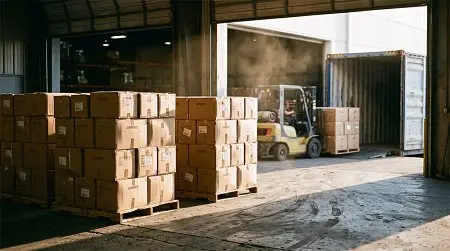
Once you’ve shortlisted from the best children’s clothing manufacturers above, here’s the honest sequence — knowing it prevents most first-timer friction.
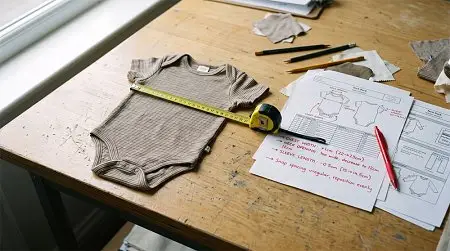
You send a tech pack; the factory quotes based on quantity, fabric and complexity. Vague inputs produce vague quotes, which is why that document matters. Then sampling, typically $50–150 per style and often creditable against your first order — expect two rounds minimum. Fabric and trim approval follows: lab dips, shade bands and trim cards approved before bulk fabric is committed, because skipping this is how brands end up with a color they never ordered. Then production, usually 30–90 days depending on complexity. Finally third-party inspection, balance payment and freight, with ocean adding another 30–45 days.
The full cycle typically runs three to five months from first inquiry to inventory in hand. Planning around that reality rather than discovering it is most of what separates a smooth launch from a panicked one.
Red Flags Worth Walking Away From
Whichever of the best children’s clothing manufacturers you’re evaluating, the warning signs stay consistent. Quotes dramatically below every other bid mean something is being cut, and you’ll find out what during production. Reluctance to do a live factory tour or share an address. “We can make anything” — good factories specialize, and honest ones tell you what they don’t do well. No relevant test reports for your target market, or visible confusion about what you’re asking for. Pressure toward 100% upfront payment or informal channels.
And the one I’d weight most heavily: polished English sales communication paired with vague, inconsistent answers to technical construction questions. The quality of a factory’s technical answers — not the fluency of its sales replies — is the most reliable signal available before your first sample arrives.
The Bottom Line
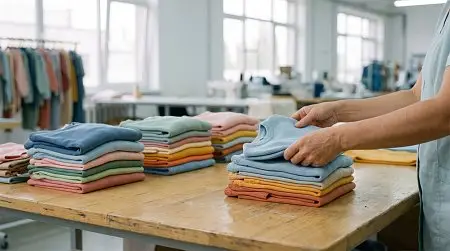
The best children’s clothing manufacturers for your brand won’t be the ones topping someone else’s list. They’ll be the ones whose capacity, specialization, compliance capability and communication style match what you’re actually building. The ten above cover the realistic range — full-service custom development, sustainable materials, high-volume capacity, European craftsmanship, domestic project management and compliance-driven overseas sourcing — and any list claiming one is universally best is selling something.
Do the verification work. Sample deliberately. Treat your first production run as an extended test rather than a finish line.
At Hapa Garments we build children’s clothing for brands who care about that fit as much as we do — with the compliance documentation, construction expertise and communication practices that make a manufacturing relationship worth keeping. If you’re weighing your options and want a straight conversation about whether we’re the right match, we’re glad to have it. Including telling you when we’re not.