

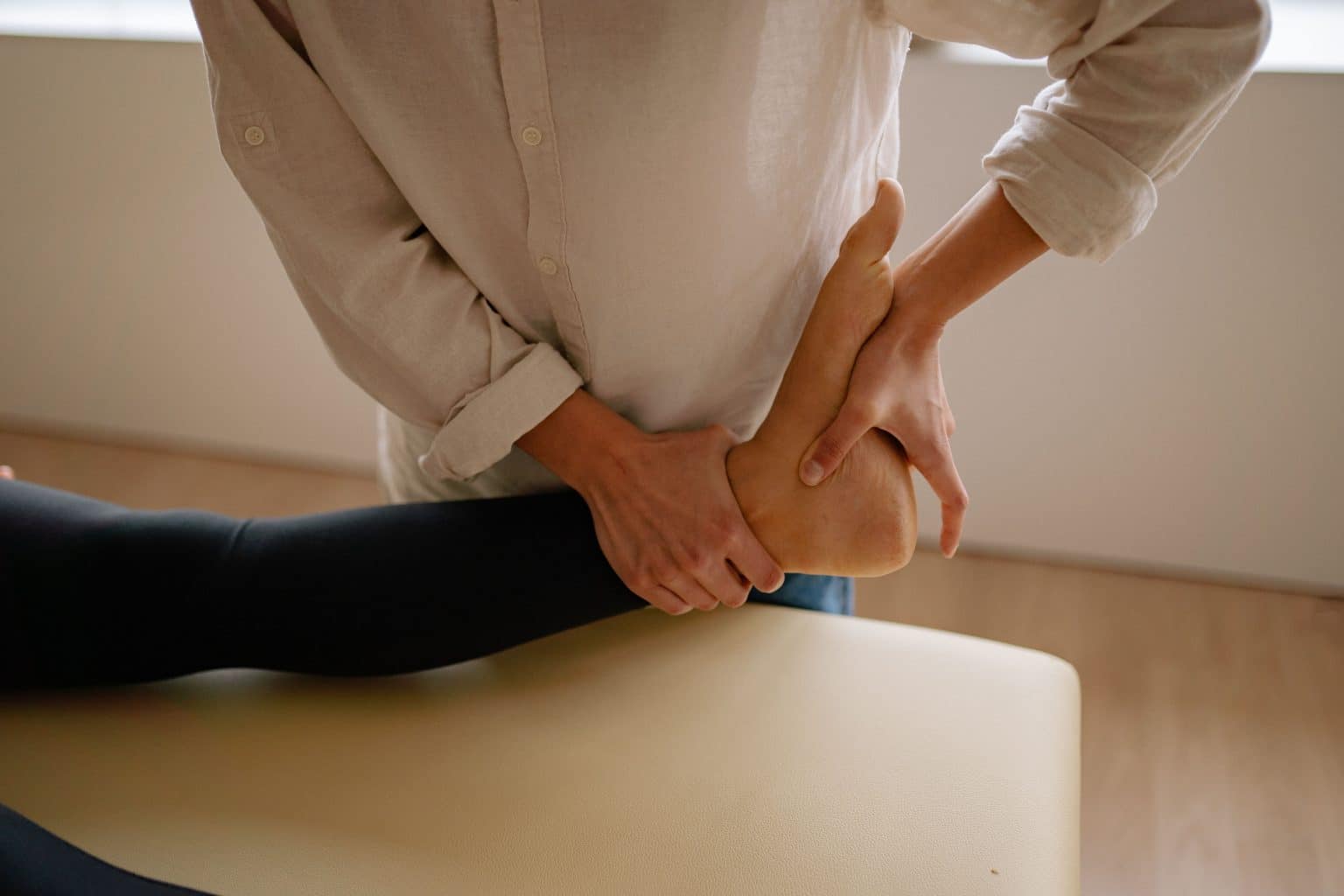
Taking care of your feet directly impacts how well you move and live. When foot or ankle problems start, they can quickly limit daily activities. Professional medical intervention becomes necessary. Residents in North Texas should seek specialized care early on. Consulting a dedicated Podiatrist in Fort Worth, Texas, provides tailored treatment plans. These plans address the root causes of foot pain so patients can regain their independence.
The human foot contains numerous bones, joints, ligaments, and muscles. This complex structure bears the entire weight of the body. Even minor biomechanical imbalances can cause a cascading effect. Pain might show up in the feet, but it often travels to the knees, hips, and lower back. Addressing these issues early through comprehensive podiatric care stops acute problems from turning into chronic conditions that hinder mobility.
The environment where a patient recovers also affects the healing process. Proper elevation and adequate rest are fundamental components of post-treatment care. Individuals recovering from severe foot ailments or surgical procedures need pressure relief. Creating a supportive home setup accelerates recovery.
Accessing the right recovery tools is convenient in urban centers with extensive healthcare infrastructure. Patients in Texas often require specialized medical furniture to heal properly at home. Utilizing adjustable hospital beds allows patients to precisely elevate their lower extremities. This positioning reduces swelling. It also improves blood circulation to the affected areas, which speeds up podiatric recovery.
Expert medical treatment combined with appropriate home care equipment forms a comprehensive approach to managing foot health. Understanding the available podiatry treatments and the necessary supportive measures helps individuals take proactive steps toward maintaining their mobility throughout their lives.
Common Podiatry Issues Affecting Mobility
Foot pain is not a normal part of aging. Millions of people suffer from conditions that restrict their movement. Identifying the specific ailments that compromise foot health is the first step toward effective treatment.
Plantar Fasciitis
Plantar fasciitis causes severe heel pain. It involves an inflammation of the thick band of tissue running across the bottom of the foot that connects the heel bone to the toes. Patients typically experience a stabbing pain during their first steps in the morning. The pain normally decreases as the day progresses. It might return after long periods of standing or when getting up after sitting. Podiatrists treat plantar fasciitis with a combination of physical therapy, stretching exercises, night splints, and custom orthotics. These devices distribute pressure more evenly across the foot.
Diabetic Foot Complications
Foot care is highly important for individuals living with diabetes. The disease can cause nerve damage (neuropathy) and poor blood circulation. Patients might not notice blisters, sores, or cuts. These minor injuries can quickly escalate into serious infections if left untreated. Regular podiatric check-ups are necessary for diabetic patients. Treatments may include specialized wound care and prescription footwear to prevent pressure ulcers. Continuous monitoring ensures that any emerging issues get addressed promptly. This proactive care prevents severe complications such as amputations.
Arthritis in the Foot and Ankle
Arthritis encompasses a group of conditions causing inflammation in the joints. This leads to pain, stiffness, and decreased range of motion. Osteoarthritis, rheumatoid arthritis, and gout frequently affect the feet and ankles. A podiatrist can help manage these conditions through targeted therapies. Options include anti-inflammatory medications, corticosteroid injections, and supportive footwear prescriptions. Alleviating joint stress helps patients maintain a higher level of mobility and experience significant pain relief.
Advanced Podiatry Treatments
Modern podiatry offers a wide array of advanced treatments beyond traditional conservative care. These therapies accelerate healing, reduce pain, and restore function.
Custom Orthotics
Custom orthotics are specially crafted devices designed to support an individual’s unique foot structure. They differ significantly from over-the-counter shoe inserts. Podiatrists take precise molds or 3D scans of the patient’s feet to create orthotics that correct biomechanical abnormalities like overpronation or high arches. These devices alleviate foot pain. They also improve the alignment of the ankles, knees, and hips to enhance overall posture and mobility.
Extracorporeal Shockwave Therapy (ESWT)
Extracorporeal Shockwave Therapy is a non-invasive treatment utilizing high-energy sound waves to stimulate the healing process in damaged tissues. It works well for chronic conditions like plantar fasciitis and Achilles tendinitis that have not responded to conservative treatments. The sound waves promote increased blood flow and cellular repair in the targeted area. Patients get a viable alternative to surgery with minimal downtime.
Minimally Invasive Surgery
Surgical intervention may be necessary when conservative treatments fail to provide adequate relief. Advances in podiatric surgery have led to the development of minimally invasive techniques. These procedures involve smaller incisions. They result in less tissue damage, reduced postoperative pain, and faster recovery times. Conditions such as bunions, hammertoes, and certain types of nerve entrapments can often be treated using these modern surgical approaches.
The Role of Rest and Recovery in Podiatry
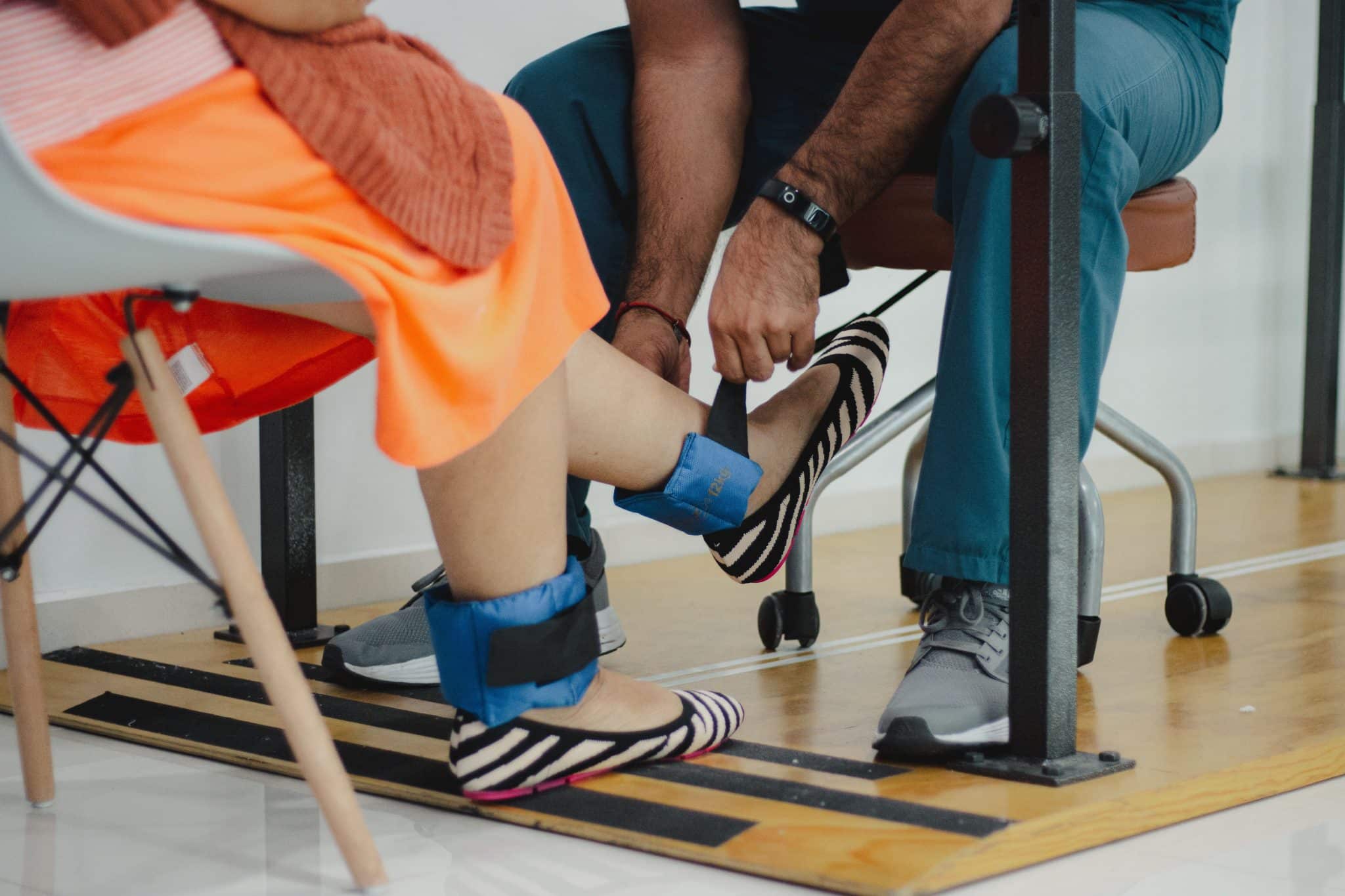
The success of any podiatry treatment depends heavily on the patient’s commitment to the recovery process. Medical interventions provide the necessary correction for healing. The body still requires time and the right conditions to repair itself fully.
Elevation is a critical component of foot and ankle recovery. Keeping the affected extremity raised above the level of the heart significantly reduces swelling and inflammation. It facilitates the drainage of excess fluids. Specialized home care equipment becomes invaluable here. Patients who have undergone surgery or are managing severe acute conditions benefit from adjustable resting surfaces that allow for effortless elevation.
Adhering to a prescribed physical therapy regimen ensures that the muscles and ligaments surrounding the treated area regain their strength. Gradual reintroduction of weight-bearing activities, guided by a podiatrist, prevents re-injury. It promotes a safe return to normal mobility.
Integrating Podiatry with Overall Health
Foot health connects deeply with the body’s overall physiological state. Conditions manifesting in the feet are often indicators of systemic health issues. Persistent foot swelling can be a sign of cardiovascular problems. Numbness or tingling may point to neurological disorders or diabetes.
Maintaining regular appointments with a podiatrist helps individuals benefit from early detection of these broader health concerns. Podiatrists frequently collaborate with primary care physicians, endocrinologists, and physical therapists. This multidisciplinary strategy ensures that all aspects of a patient’s health get addressed. It leads to better overall outcomes and sustained mobility.
Staying informed about modern health trends helps individuals make educated decisions about their well-being. Incorporating regular exercise, maintaining a healthy weight, and wearing appropriate footwear are all proactive measures supporting podiatric health.
Preventive Care for Long-Term Mobility
The most effective way to manage foot health is through prevention. Adopting healthy habits and being mindful of one’s feet stops many common podiatric issues from developing.
Choosing the Right Footwear
The importance of proper footwear cannot be overstated. Shoes should provide adequate arch support and a wide toe box to prevent compression of the toes. They also need sufficient cushioning to absorb impact. High heels and shoes with narrow, pointed toes should be worn sparingly. They can exacerbate or cause conditions like bunions, neuromas, and hammertoes.
Regular Exercise and Stretching
Engaging in regular physical activity strengthens the muscles of the feet and lower legs. This provides better support for the joints. Low-impact exercises such as swimming, cycling, and walking are excellent choices for maintaining cardiovascular health without placing excessive stress on the feet. Incorporating daily stretching routines targeting the calves, Achilles tendons, and plantar fascia can significantly improve flexibility and reduce the risk of injury.
Routine Foot Inspections
Individuals should make it a habit to inspect their feet daily for any signs of abnormalities. Look for cuts, blisters, redness, or swelling. This practice is especially critical for individuals with diabetes or compromised immune systems. Catching and addressing minor issues early prevents them from developing into severe complications that could threaten long-term mobility.
Conclusion
Podiatry treatments offer solutions for individuals struggling with foot and ankle issues. They provide a pathway to restored mobility and comfort. Modern podiatry addresses a wide spectrum of conditions using advanced therapies like custom orthotics, shockwave therapy, and minimally invasive surgical interventions.
Medical treatment is only one part of the equation. Proper home care, supported by the right equipment and a commitment to rest, is vital for achieving optimal outcomes. Taking a proactive approach to foot health helps individuals overcome debilitating pain and enjoy a higher quality of life.