


Walk into a grocery store for one item and leave with five. Pay for parking with your phone. Grab lunch between meetings. Renew a streaming subscription without thinking about it. None of these decisions feels particularly expensive, yet together they often account for a surprising share of monthly spending.
People rarely have trouble remembering the cost of a vacation or a new laptop. They are far less likely to remember twenty everyday purchases that happened over the last two weeks. The difference is not simply about self-control. It has a lot to do with how our brains process routine decisions.
The Consumer Financial Protection Bureau (CFPB) has found that very few consumers have a tool that immediately tells them how much they have left to spend based on their actual transactions. Its research also notes that people commonly forget purchases or underestimate their spending, making it easier for small expenses to accumulate unnoticed.
Everyday Convenience Changes How We Think About Money
Technology has made paying for almost everything easier than ever.
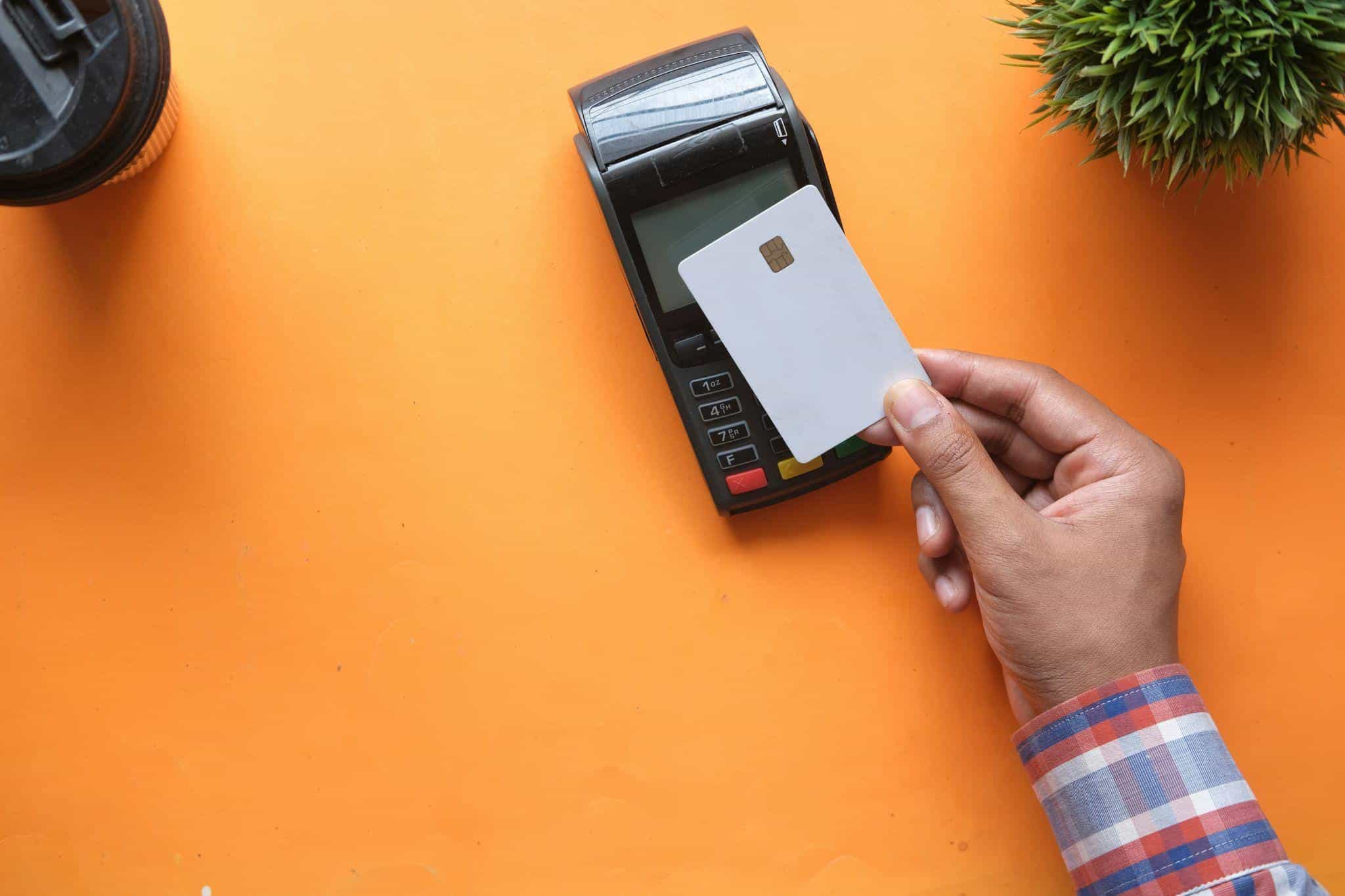
Buying something with Apple Pay takes only a tap. Online stores save payment information so purchases can be completed in seconds. Subscription services renew automatically without requiring another decision.
These conveniences save time, but they also reduce the pause that once existed between wanting something and paying for it.
Imagine someone who buys a $7 coffee three mornings a week, pays a few dollars for extra cloud storage, orders dinner twice on busy evenings, and occasionally upgrades shipping for online purchases. None of those choices seems unreasonable. In fact, each one may solve a practical problem.
The challenge appears only when those transactions are viewed together instead of individually.
A person reviewing their account may remember ordering dinner but completely forget several convenience purchases made throughout the same week. Because the transactions happened at different times and for different reasons, they never felt connected.
Large expenses naturally demand attention because they are rare and highly visible. Smaller expenses blend into daily routines, which makes them much harder to evaluate objectively.
Looking at Categories Instead of Receipts
Many people review their bank statements by scrolling through individual transactions.
That approach answers one question: “What did I buy?”
A more useful question is, “What pattern does this create?”
Exporting a month’s transactions into Google Sheets can quickly reveal trends that are difficult to notice from a banking app alone. Restaurants, transportation, subscriptions, and shopping can each be grouped into their own category, making it much easier to understand where discretionary income is actually going.
A money tracker can simplify this process by automatically organizing purchases and highlighting recurring charges, allowing someone to focus on broader spending habits instead of manually sorting every transaction.
Often, the most surprising category is not the largest purchase. It is the one with the highest number of transactions.
Seeing thirty coffee shop visits or a dozen delivery fees together creates a very different impression than seeing each purchase appear separately over four weeks.
This wider perspective will also help to differentiate between effective spending and automated spending. Spending on a gym membership that is used regularly is not the same as spending on three streaming services that have not been accessed in months.
Better Decisions Start With Better Visibility

It is impossible to try to get rid of all the small purchases. People usually want to buy something to make their lives a little bit easier, and nothing bad happens if people spend their money on worthwhile things.
The best strategy is to understand what expenditures are planned and what continue simply out of habit.
A man who often buys breakfast when he is going to work would come to the realization that the actual problem lies in the fact that there is not enough time to cook before leaving the house. Also, the individual who has to pay for deliveries again and again will realize that he goes grocery shopping when the fridge is empty.
This is why regular reviews matter.
Spare 10 minutes every week to review your latest transactions, and you might find out about your behaviors before they turn into a major cost. Rather than focusing on individual transactions, it’s best to review monthly category totals in order to identify unused subscriptions, hidden increases in recurring costs, or costly conveniences that you’re used to.
Big purchases capture attention because they happen all at once. Small purchases work differently. They grow through repetition, quietly influencing financial decisions without demanding much notice.
Identifying those patterns can often be the first concrete step towards developing better financial habits. When you see your spending patterns clearly, it will be much easier to determine how your money is benefiting your life and how it’s slipping through the cracks.