

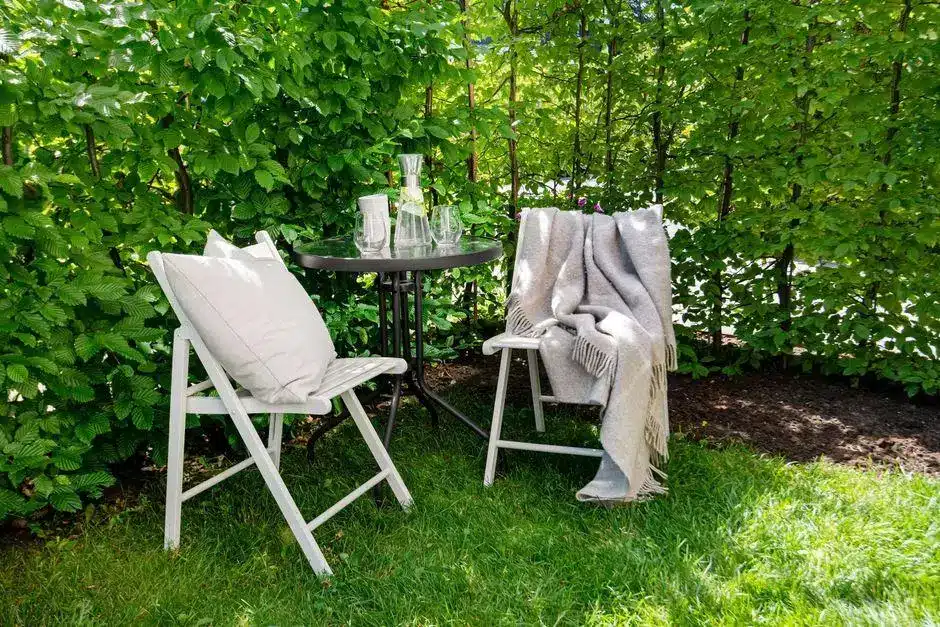
A yard doesn’t have to look like it belongs in a magazine to feel welcoming. You just need it to look healthy, tidy, and a little loved. When your grass is patchy or your plants seem moody, the problem is often not the plants at all. It can be the routine behind them. A few smart habits can make your outdoor space feel more polished without turning your weekends into a full-time landscaping job. That’s good news for both you and your garden hose.
Start With the Basics
Before you buy new plants or dream about fancy outdoor upgrades, take a look at what’s already keeping your yard alive. Watering is the quiet hero of curb appeal, and when that system stops doing its job, everything else starts to look a bit tired. If parts of your lawn stay brown while others look soggy, it may be time to look into sprinkler repairso your yard gets water where it actually needs it.
This step matters more than people think. You can spread fresh mulch and trim every shrub in sight, but if the watering is off, your yard still won’t look right. Start by checking sprinkler heads, watching one full cycle, and noticing where water lands. If something seems uneven, don’t ignore it. Your lawn is basically waving a tiny green flag for help.
Spot Trouble Early
Your yard usually gives you clues before a small issue turns into a big one. The trick is noticing them while they’re still easy to fix. Dry patches in one area, muddy spots in another, or plants that look droopy even after watering can all point to a problem below the surface. A sudden jump in your water bill can also be a sneaky sign that something is leaking or running longer than it should.
Take a short walk around your yard every few days. You’re not inspecting a spaceship, so keep it simple. Look for grass that feels crunchy, pooling water near walkways, or sprinkler spray hitting the driveway instead of the lawn. Those little signs often show up before real damage does.
Catching these problems early saves money, time, and frustration. It also helps you avoid that classic homeowner moment of saying, “That looked small last week.” Yards have a funny way of making small issues grow fast.
Water Smarter Daily
A healthy yard is not always a yard that gets more water. In fact, too much watering can make grass weak and invite mildew, weeds, and shallow roots. That’s why smarter watering beats constant watering every time. Early morning is usually your best bet because less water evaporates, and your lawn has time to dry out during the day.
You should also adjust your habits with the seasons. A lawn in mild weather doesn’t need the same amount of water it needs in the middle of a blazing summer week. If it has rained recently, let nature handle a shift for once. Your sprinkler system doesn’t need to win employee of the month.
Try paying attention to how the soil feels instead of following a rigid schedule forever. If the ground is still damp, hold off. If the grass springs back when you step on it, that’s a good sign. The goal is steady care, not drowning your landscaping with kindness.
Refresh the Whole Look
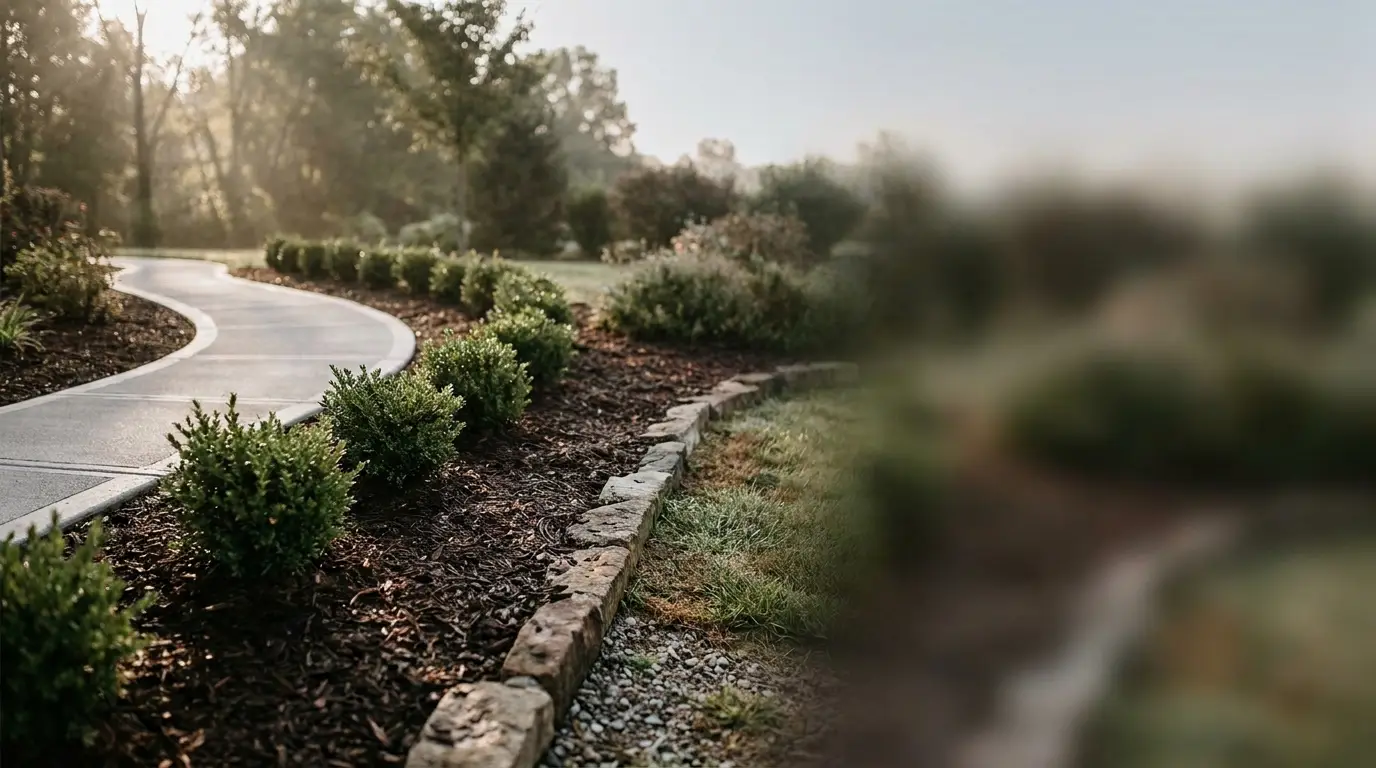
Once your lawn is getting the right amount of water, small visual updates can make the whole yard feel more intentional. Clean edges along walkways instantly sharpen the space. Trimming overgrown bushes helps everything look brighter and less crowded. Fresh mulch can also work wonders because it makes planting beds look neat while helping the soil hold moisture.
This is also a great time to clear out anything that makes the yard feel messy. Old pots, forgotten yard tools, and random stacks of who-knows-what can make even a healthy lawn seem neglected. Think of it like tidying a room before guests come over. The space doesn’t need a makeover. It just needs to breathe.
If you want one easy rule, keep your upgrades simple and consistent. A clean border, trimmed greenery, and a healthy lawn usually look better than lots of trendy extras fighting for attention. Your yard doesn’t need drama. It needs balance.
Make Maintenance Less Stressful
The easiest way to keep your yard looking cared for is to stop treating maintenance like one giant seasonal event. It works better when you break it into small check-ins. Spend a few minutes each week looking for sprinkler issues, trimming anything unruly, and clearing debris. That little routine is much easier than trying to rescue the whole yard in one sweaty weekend.
A monthly reset can help,too. Check watering patterns, refresh mulch if needed, and walk the property with fresh eyes. If something looks off, trust that instinct. You live with the space, so you notice the changes first.
Perfection is not the goal here. A yard that feels healthy and maintained is more realistic and more enjoyable than one that looks staged. Keep the routine simple enough that you’ll actually do it. That’s the real secret. A little attention now saves you from a lot of lawn-related chaos later.